Full Text
Full text is available in PDF
Authors
This phase I study was conducted to determine the general toxicities of thymoquinone in humans, as well as any anti-cancer effects that the drug may have in patients with advanced cancer for which there were no standard curative or palliative measures.
Adult patients with solid tumors or hematological malignancies who had failed or relapsed from standard therapy were included in this study. Patients who were at least 18 years of age with an Eastern cooperative oncology group performance status (ECOG) of ? 2 received thymoquinone orally at a starting dose level of 3, 7, or 10mg/kg/day. Dose escalation proceeded according to a modified Fibonacci design.
All 21 patients received at least one week of treatment, with a median of 3.71 weeks (range 1 week to 20 weeks). No side effects were reported and the maximum tolerated dose (MDT) was not identified. No anti-cancer effects were observed.
On the basis of this study, thymoquinone was well tolerated at a dose ranging from 75mg/day to 2600mg/day. Neither toxicities nor therapeutic responses were reported.
© 2009, Author(s). This open-access article is available under the Creative Commons Attribution 4.0 (CC BY 4.0) International License (https://creativecommons.org/licenses/by/4.0/), which allows for unrestricted use, distribution, and reproduction in any medium, provided that the original work is properly cited.
Hemati M, Abdollahi M, Pashaei M, Ghahremanfard F, Kokhaei P. The effect of Thymoquinone on Peripheral Blood Mononuclear Cells (PBMCs) viability of patients with B-Chronic Lymphocytic Leukemia. koomesh. 2023;25(2):e152812. doi:
Hassan SA, Ahmed WA, Galeb FM, El-Taweel MA, Abu-Bedair FA. In Vitro Challenge using Thymoquinone on Hepatocellular Carcinoma (HepG2) Cell Line. Iran J Pharm Res. 2022;7(4):e128603. doi: https://doi.org/10.22037/ijpr.2010.777
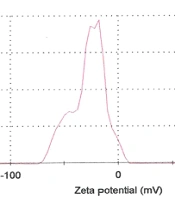
Ghiaee Shamloo A, Yadegari MH, Roudbar Mohammadi S, Jaafari M, Zarrinfar H. Designing and Synthesis of an Anti-Candida parapsilosis Thymoquinone Lipid Formulation. Jundishapur J Microbiol. 2023;16(10):e141934. doi: https://doi.org/10.5812/jjm-141934
Taherkhani M. In vitro Cytobiological Effects of Phytochemicals from Artemisia turanica. J Rep Pharm Sci. 2019;8(1):e147486. doi: https://doi.org/10.4103/jrptps.jrptps_37_18
Dehghani H, Hashemi M, Entezari M, Mohsenifar A. The Comparison of Anticancer Activity of Thymoquinone and Nanothymoquinone on Human Breast Adenocarcinoma. Iran J Pharm Res. 2015;14(2):e125355. doi: https://doi.org/10.22037/ijpr.2015.1648
Last Update: 2 days ago
Last Update: 2 days ago
Last Update: 2 days ago
Last Update: 6 days ago