
1. Background
Diarrhea in children remains an important public health concern in developing countries. It accounts for over 80% of diseases in Africa and South Asia (1). Escherichia coli (E. coli) are the predominant commensal organism found in the human intestine. However, some strains of E. coli have acquired specific virulence factors and have developed the ability to cause a variety of diseases in the gastrointestinal tract, urinary, as well as central nervous system (2, 3). Diarrheagenic E. coli represent 1 of the most common etiological causes of community-acquired diarrhea in children worldwide (1, 4). Among the E. coli that cause diarrhea, there are at least 6 well-described groups, each corresponding to a distinct clinical syndrome with distinct epidemiological and pathologic schemes. Enteroaggregative E. coli was first discovered in 1987 by Nataro and his colleagues (5) and was commonly recognized as a cause of endemic and epidemic diarrhea worldwide (6, 7). Diarrhea caused by this diarrheagenic E. coli is often watery, but could also be accompanied by mucous and blood (4, 5). Enteroaggregative E. coli is identified by the presence of the known virulence genes including an enteroaggregative heat stable toxin (astA), a transcriptional activator (aggR), and a dispersin secretory protein (aap) (2, 8).
Since the laboratories cannot differentiate diarrheagenic E. coli from the non-pathogenic E. coli, which resides in the intestine as a normal flora, we made use of multiplex PCR based on virulence gene detection (2, 5). In this study we report the rate of EAEC among 50 E. coli strains, which had been isolated from children under 5 years of age during 75 reported outbreaks from October 2013 to May 2014. We also report the antimicrobial resistance patterns among EAEC isolates.
2. Methods
The department of pathobiology in Tehran University of Medical Sciences, school of public health, Iran, has been involved in finding the causative factors for the various diarrheal outbreaks in the country. When 2 or more individuals present similar symptoms and experience a similar illness after the ingestion of common food or water, this is considered a case of foodborne outbreak.
Between October 2013 to May 2014, after province and local health departments reported outbreaks to the National Institute of Health (NIH) of Iran, rectal-swab samples are either transported to the referral laboratory of the NIH immediately or placed into a transport medium and analyzed for the presence of bacteria by standard culture methods. A total of 300 patients (184 males and 116 females, aged between 1 and 60 years) were enrolled in this study. Initially, all the colonies suspected of E. coli from MacConkey agar were identified by standard biochemical tests. API 20E (Biomerieux, France) was performed for confirmation. Several enteric pathogens other than E. coli (e.g. Shigella, Salmonella) were isolated during the out-breaks. However, since the focus of the study was on the 50 strains of E. coli, only these (Table 1) were sent to professor Alborzi clinical microbiology research center in Shiraz, Fars, for further study. They were then examined by PCR to identify any Enteroaggregative E. coli.
Table 1.
Number of E. coli and EAEC Strains According to Province and Age Categories of Casesa
| Province | Age Categories, mo | No. of E. coli (No. of EAEC, rateb) | |||||
|---|---|---|---|---|---|---|---|
| 0 - 11 | 12 - 23 | 24 - 35 | 36 - 47 | 48 - 59 | 60 - 79 | ||
| Tehran | 4 (2) | 2 (0) | 3 (1) | 0 (0) | 2 (1) | 1 (0) | 12 (4, 23.5) |
| Alborz | 2 (1) | 1 (0) | 0 (0) | 1 (1) | 0 (0) | 0 (0) | 4 (2, 11.8) |
| Yazd | 0 (0) | 6 (0) | 1 (0) | 4 (2) | 1 (1) | 0 (0) | 12 (3, 17.7) |
| Hamadan | 1 (1) | 1 (0) | 1 (0) | 0 (0) | 1 (0) | 1 (1) | 5 (2, 11.8) |
| Kurdistan | 2 (1) | 1 (0) | 1 (0) | 1 (0) | 0 (0) | 0 (0) | 5 (1, 5.8) |
| Mazandaran | 0 (0) | 1 (1) | 3 (1) | 0 (0) | 1 (0) | 0 (0) | 5 (2, 11.8) |
| Semnan | 0 (0) | 0 (0) | 2 (1) | 0 (0) | 1 (1) | 0 (0) | 3 (2, 11.8) |
| Zanjan | 2 (1) | 0 (0) | 0 (0) | 0 (0) | 0 (0) | 0 (0) | 2 (1, 5.8) |
| Hormozgan | 0 (0) | 1 (0) | 0 (0) | 0 (0) | 0 (0) | 0 (0) | 1 (0) |
| Qazvin | 0 (0) | 0 (0) | 1 (0) | 0 (0) | 0 (0) | 0 (0) | 1 (0) |
| No. of E. coli (No. of EAEC, rateb) | 11 (5, 29.3) | 13 (2, 11.8) | 12 (3, 17.7) | 6 (3, 17.7) | 6 (3, 17.7) | 2 (1, 5.8) | 50 (17, 100%) |
aIn each box the number of E. coli strains is indicated in the 1st row and the number of strains identified as EAEC is indicated in bold in 2nd row.
bThe rate of EAEC in each category in all the EAEC cases (17 strains) is indicated.
2.1. Polymerase Chain Reaction to Detect Enteroaggregative E. coli Virulence Genes
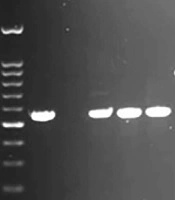
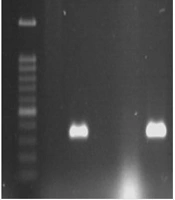
In order to identify Enteroaggregative E. coli, the associated specific primers aggR and aap were used. The DNA was extracted using PEG-200 alkaline buffer (8). PCR amplification was performed using the primers aggR-F (GTATACACAAAAGAAGGAAGC) as well as aggR-R (ACAGAATCGTCAGCATCAGC) to generate a fragment of 254-bp (9) and the primers aap-F (GGCATCTTGGGTATCAGCCTG) as well as aap-R (CCCATTCGGTTAGAGCACTATATT) to generate a 313-bp fragment (designed specifically for this study). PCR reaction was performed in the final volume of 50 µL including a 5 µL PCR buffer (Thermo scientific, Maxima Hot Start Taq DNA polymerase, EP0602), 2.5 mM of MgCl2 (Thermo scientific, Maxima Hot Start Taq DNA polymerase, EP0602), 0.4 ng of mixed dNTP (Thermo scientific, R0192), 15 picomol of each primer (Bioneer, South Korea), 2.5 units of Taq polymerase (Thermo scientific, Maxima Hot Start Taq DNA polymerase, EP0602), and 2 µL of template. The solutions were then subjected to the following cycling condition: 94°C for 5 minutes, 94°C for 30 seconds, 55°C for 30 seconds, 72°C for 30 seconds (35 cycles), and a final extension step (72°C for 8 minutes) in a thermal cycler (Applied Biosystem, Veriti). Subsequently, 8 µL of PCR product was subjected to gel electrophoresis (Biorad, Wide mini-sub® Cell GT) consisting of 1.5% Agarose (Invitrogen, 16500), stained using GelRed Nucleic Acid Gel Stain (Biotium, 41002), and visualized by gel documentation (UVItec, DBT-08). Positive control with genomic DNA from E. coli containing pCVD432 (aggR+, aap+) was made use of in the PCR reactions. E. coli strains that were positive for aggR or/and aap genes were interpreted as EAEC.
2.2. Antimicrobial Susceptibility Testing
Antibiotic susceptibility was determined using the Kirby Bauer disc diffusion method to the following commercially available antibiotics (Rosco Neo-Sensitabs Denmark): cefotaxime (30 µg), ceftriaxone (30 µg), ceftazidime (30 µg), ampicillin (10 µg), trimethoprim/sulfamethoxazole (25 µg), gentamicin (10 µg), ciprofloxacin (5 µg), meropenem (10 µg), and nalidixic acid (30 µg) following the CLSI 2014 guidelines. Furthermore, a minimum of 2 independent experiments were conducted to identify the resistant phenotype of the isolated pathogen against each antibiotic.
2.3. Extended Spectrum Beta-Lactamase Production (ESBL) Detection
Isolates with resistance to cefotaxime or ceftazidime were screened for ESBL production through the combination disc method of CLSI, using cefotaxime and ceftazidime along with the discs to which clavulanic acid had been added. Zone diameters were determined using the HiAntibiotic zone scale (Himedia). A ≥ 5 mm increase in the zone diameter for both of the antimicrobial agents were tested in combination with clavulanate, versus the zone diameter of the agents when tested alone, which were considered as positive for ESBL production. MIC was performed through the micro-broth dilution method on the ESBL positive isolates using the following antibiotics: cefotaxime, ceftriaxone, and ceftazidime (Sigma).
3. Results
During the study period, October 2013 to May 2014, 10 provinces reported 75 outbreaks of foodborne illnesses. A total of 50 culture-confirmed cases of E. coli were isolated. Among the 50 E. coli isolates, the PCR detected 17 EAEC, representing 34% of all the cases. Table 1 illustrates the age distribution for children from whom E. coli and EAEC strains were isolated. Among those with EAEC, 9 and 7 isolates were positive for aggR and aap genes respectively. Only 1 EAEC isolate was positive for both of the virulence genes.
The results of the antimicrobial susceptibility testing of the 17 EAEC isolates to 9 antibiotics and of their ESBL screening are illustrated in Table 2. The highest rate of resistance was observed to ampicillin and nalidixic acid in 47.1% (8/17) of cases. Resistance to trimethoprim/sulfamethoxazole was detected in 41.2% (7/17) of cases. Resistance to cefotaxime and ceftriaxone was observed in 23.5% (4/17) of cases, while ceftazidime resistance was less than common (2/17, 11.8%). Resistance to ciprofloxacin was found in 2 (11.8%) of the isolates. There was no evidence of resistance to meropenem and gentamycin. The rate of ESBL positive cases in EAEC isolates was 23.5% (4/17). MIC of cefotaxime and ceftriaxone in ESBL positive EAEC was between 8 and 32 µg/mL and 8 and 64 µg/mL, respectively. MIC of ceftazidime in EAEC isolates varied between 4 and 8 µg/mL, still remaining in the susceptibility zone. Based on the results of the molecular method used for the detection of resistance genes, all the 4 EAEC isolates with the ability of ESBL production, turned to be positive only for CTX-M1 resistance gene from the 3 tested resistance genes: CTX-M1, SHV, and TEM genes (data not shown).
Table 2.
Antibiotic Susceptibility Patterns of the EAEC Strainsa
| Pathogens and Province | Antibiotics | |||||||||
|---|---|---|---|---|---|---|---|---|---|---|
| AMP | CTX | CAZ | CRO | MRP | SXT | NAL | GM | CIP | ESBL | |
| EAEC1, T | R | S | S | S | S | R | R | S | S | Neg |
| EAEC2, T | S | S | S | S | S | S | R | S | S | Neg |
| EAEC3, M | R | R | R | R | S | R | R | S | R | Pos |
| EAEC4, H | R | R | R | R | S | R | S | S | S | Pos |
| EAEC5, A | R | R | S | R | S | R | R | S | R | Pos |
| EAEC6, K | S | S | S | S | S | S | S | S | S | Neg |
| EAEC7, Y | S | S | S | S | S | S | S | S | S | Neg |
| EAEC8, T | S | S | S | S | S | S | S | S | S | Neg |
| EAEC9, M | S | S | S | S | S | S | S | S | S | Neg |
| EAEC10,Y | S | S | S | S | S | S | S | S | S | Neg |
| EAEC11, S | S | S | S | S | S | S | S | S | S | Neg |
| EAEC12, Z | R | R | S | R | S | R | S | S | S | Pos |
| EAEC13, A | S | S | S | S | S | S | R | S | S | Neg |
| EAEC14, Y | S | S | S | S | S | S | S | S | S | Neg |
| EAEC15, S | R | S | S | S | S | S | R | S | S | Neg |
| EAEC16, H | R | S | S | S | S | R | R | S | S | Neg |
| EAEC17, T | R | S | S | S | S | R | R | S | S | Neg |
| Total resistance (percentageb) | 8 (47.1) | 4 (23.5) | 2 (11.8) | 4 (23.5) | 0 (0) | 7 (41.2) | 8 (47.1) | 0 (0) | 2 (11.8) | 4 (23.5) |
Abbreviations: A, Alborz; AMP, Ampicillin; CAZ, Ceftazidime; CIP, Ciprofloxacin; CRO, Ceftriaxone; CTX, Cefotaxime; EAEC: Enteroaggregative E. coli; ESBL, Extended -Spectrum Beta Lactamase; GM, Gentamycin; H, Hamadan; K, Kurdistan; M, Mazandaran; MRP, Meropenem; NAL, Nalidixic Acid; S, Semnan; SXT, Trimethoprim Sulfametaxazole; T, Tehran; Y, Yazd; Z, Zanjan.
aThe pattern of antibiotic susceptibility and ability of ESBL producing beta lactamase of EAEC isolates are shown in this Table.
bPercentage: percentage of resistant cases in total number of EAEC isolates.
4. Discussion
Enteroaggregative E. coli (EAEC) is a recently identified diarrheagenic E. coli that has been increasingly identified as a cause of acute and persistent diarrhea in both developed and developing countries (10). EAEC have been considered as a causative agent for diarrhea among sporadic cases across the country both in children and adults (11-15). The prevalence of EAEC among children with gastroenteritis was reported to be 18.2% in Tabriz (12). In another study carried out in Tehran, the prevalence of EAEC was reported 20% among children less than 5 years of age with acute diarrhea (11). This study has reported as a higher rate (i.e. as high as 34%) of EAEC among children compared to reports by other studies (11, 12); this is due to the fact that we have studied the cases of diarrheal outbreaks while others have looked at sporadic cases of gastroenteritis. Several outbreaks of gastroenteritis due to EAEC have been reported in Japan (16, 17), Korea (8), Italy (7), and UK (18). In 2015 our team, in professor Alborzi clinical microbiology research center has identified EAEC as a cause of gastroenteritis outbreak in Fars (south of Iran). However, the data has not been published yet.
A total of 17 EAEC isolated from 50 E. coli strains were tested in this research. A total of 94% of E. coli isolates that have been identified as EAEC in this study were positive for aggR or aap virulence genes. In Hamadan, Iran, Aslani et al., (11) used the pCVD432 gene as a sole common indicator for the molecular detection of EAEC and then checked the prevalence of 5 other virulence genes including aap, aggR, aafA, astA, aggA among the EAEC isolates. A total of 80% of the EAEC were positive for at least the aap, aggR genes, which could be considered as the most common virulence indicator for the detection of EAEC.
As shown in Table 2, the highest level of antibiotics resistance was observed to ampicillin and nalidixic acid (47.1%) and to trimethoprim-sulfamethoxazole (41.2%) among EAEC strains. Based on the results presented in this research, ciprofloxacin and ceftriaxone seem to be more effective against EAEC. Since the prescription of fluroquinolones to children is limited due to the arthropathy observed in juvenile animals (19), ceftriaxone could be a more suitable choice for the treatment of diarrhea caused by EAEC in the country. However, considering the 23.5% ESBL production ability observed among the EAEC, the prescription of third-generation cephalosporins in the treatment of diarrhea in children should be controlled. In the ESBL positive cases, ceftazidime resistance was observed less frequently in comparison to cefotaxime and ceftriaxone (Table 2). This can be accounted for by the fact that there are different Beta lactamses in terms of genotypes with different hydrolysis activities in the presence of different types of cephalosporins.
Although the levels of antimicrobial resistance among the EAEC remain high in the country (13, 14, 20), the resistance patterns are varied in different regions. Local information on antimicrobial resistance patterns should be updated regularly in order to adopt the most appropriate empirical course of treatment.
4.1. Conclusions
In conclusion, this research has revealed that the rate of EAEC among children in diarrheal outbreak is as high as 34%, indicating that 1/3 of E. coli strains, which are routinely reported as normal flora in patients with diarrhea, could in fact be EAEC. Therefore, the identification of E. coli strains at a patho-group level in diarrhea cases using PCR methods is needed to go over the research domain and it is necessary to consider it as part of the routine tests in microbiology labs.