Paranasal sinus diseases account for a significant portion of annual cost of treatment (
11). Fungal sinusitis is most commonly found in the age groups of 10 to 60 (
15). New approaches to the diagnosis of fungal infections and antifungal therapies have emerged based on recent research into the role of fungi in the development and progression of chronic sinusitis. Wang et al., in 1998 designed a primer of the known cytochrome b amino acid sequence to identify and evaluate the racial evolution of
Aspergillus pathogens (
10). Walter Buzina examined 12 samples of fungi for the molecular detection of
Schizophyllum commune. After culturing the samples, they extracted their DNA and the transcriptional sequence of ribosomal DNA s8 / 5 (5.8s rDNA), and ITS region was amplified by the specific fungal primers ITS4 and ITS5, and the products were sequenced by PCR (
12). In 2003, Biswas performed a molecular analysis of the
mt cyte b gene sequence in the fungus
C. neoformans. In that study, he used the primers pair of E1M4 and rE2M4, which were able to detect the fungus. The study had a high level of diagnosis and specificity. In the present study, locus
mt cyt b with high a limit of detection and specificity was used for the PCR method. Samples of this study were specifically taken from patients with chronic sinusitis during surgery, and 9.7% of them were diagnosed with fungi (
17).
In Iran, Naghibzadeh et al. reported that through the cultivation method, sinus secretions, and light microscopy of 162 patients with chronic sinusitis, 12 patients were confirmed to have fungal infections, which included 2 (1.2%) cases of
A. flavus, 9 (5.66%) cases of
Alternaria, and 1 (0.6%) case of Paecilomyces. The prevalence of chronic fungal sinusitis among the population community was about 7.4%, which is lower compared to other causes of sinusitis. According to the studies, the most significant pathogen causing the disease in the family of fungi is
Alternaria. Compared to other factors causing sinusitis, fungi are less common (
16).
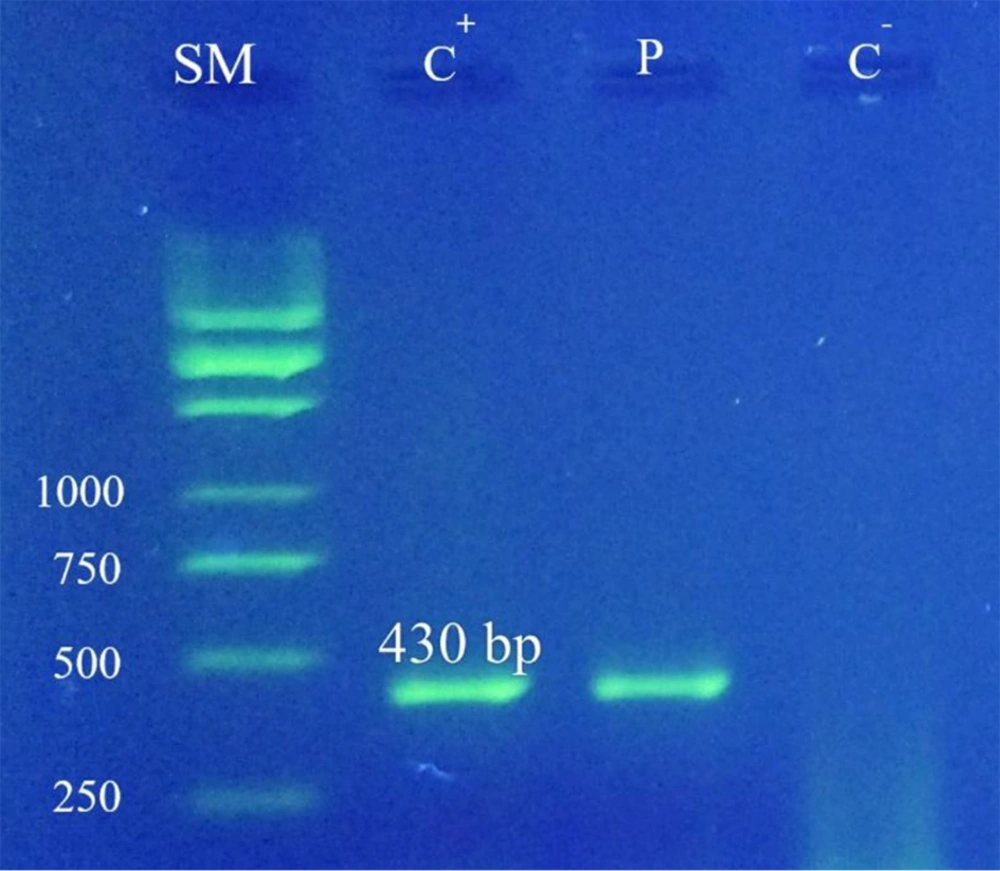
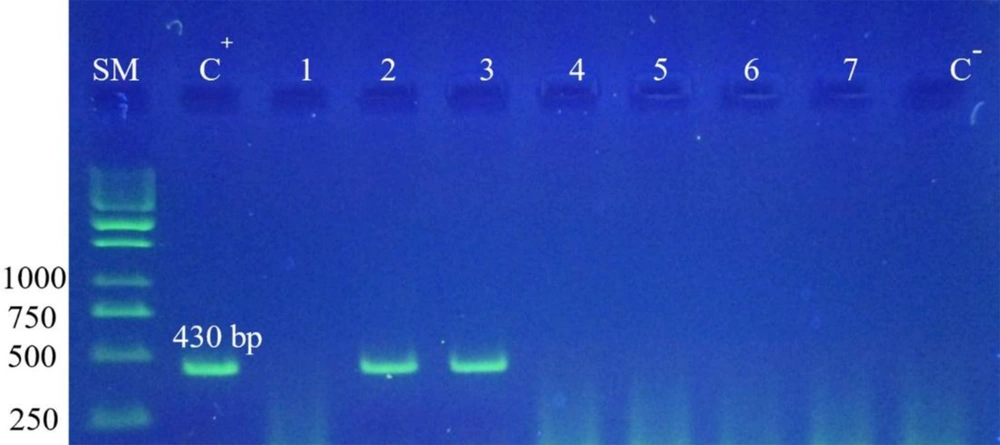
Based on the results of the current study, the evaluation of the selected primers with seven various DNA constructs demonstrated 100% specificity (
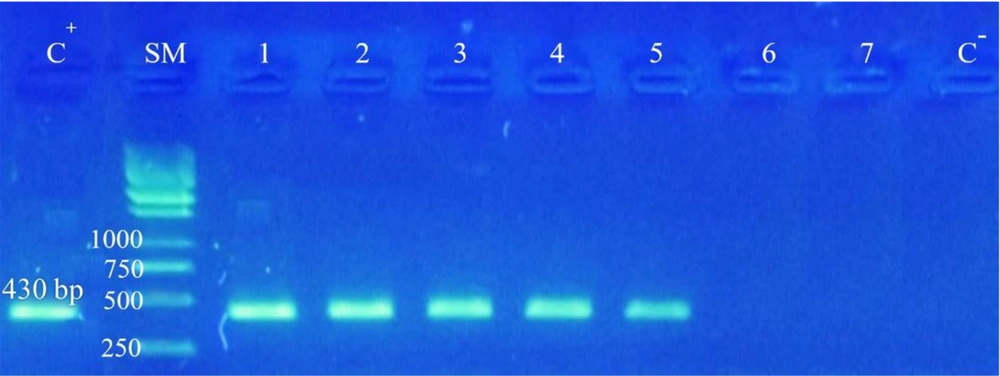
Figure 1). Also, the LOD of optimized test was evaluated for up to 50 fungi (
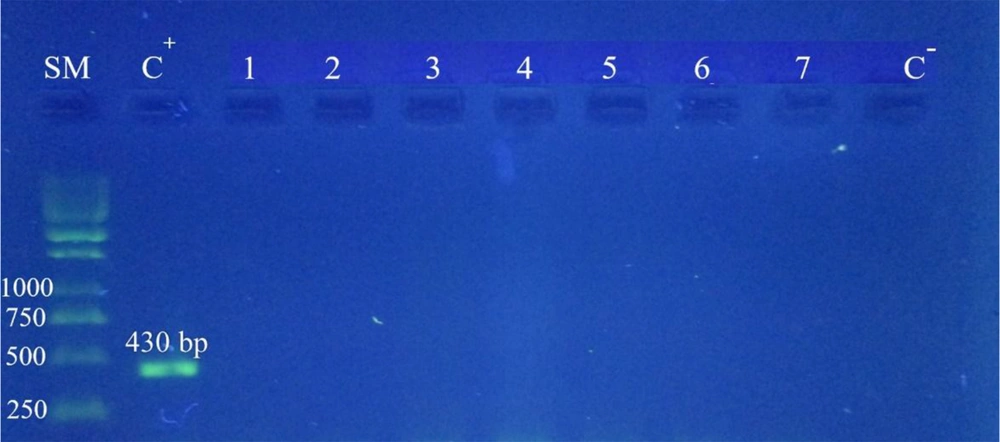
Figure 2). The PCR specificity test results showed that the PCR test had very high specificity and only reacted toward fungal DNA (
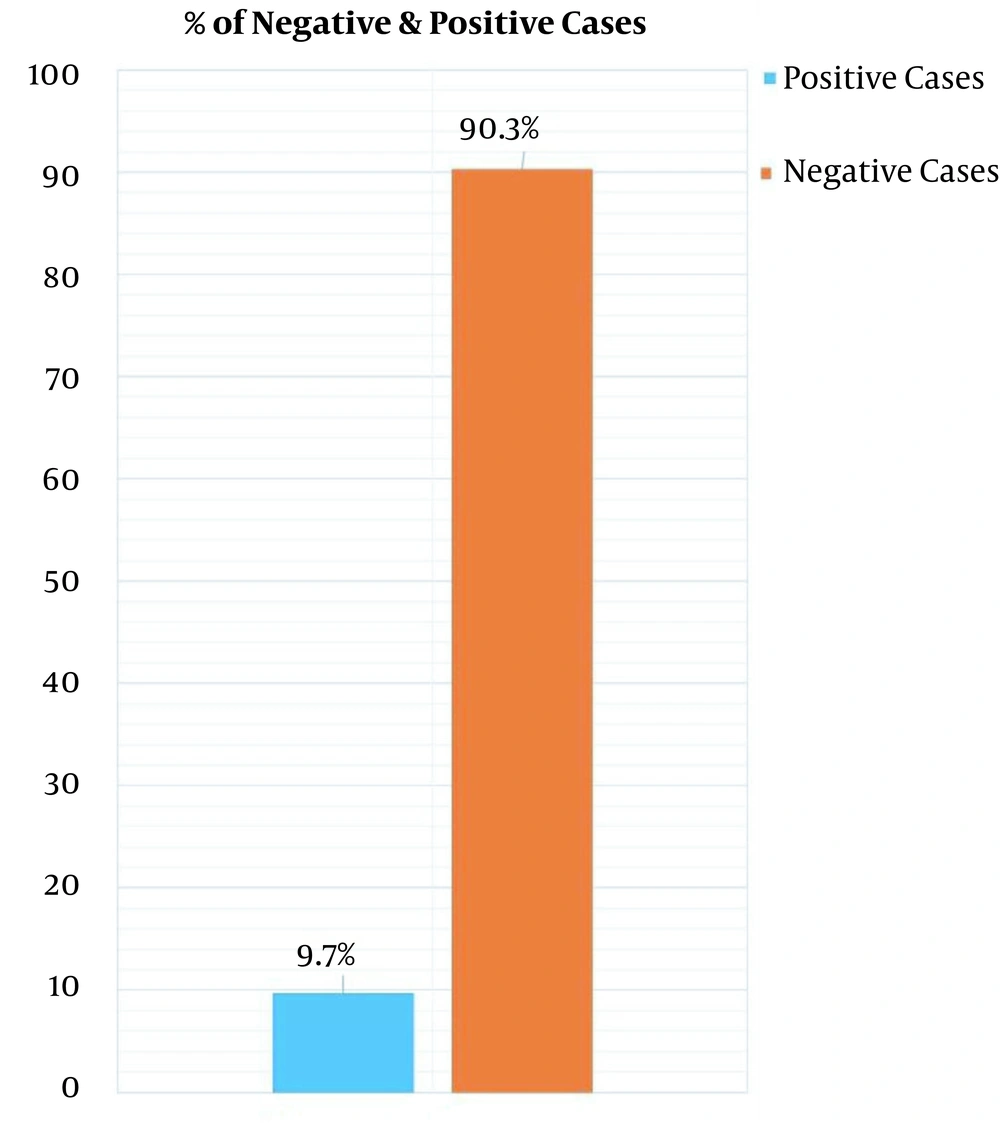
Figure 3). In addition, out of 72 samples, 9.7% were positive for fungi existence (
Figure 4). Samples of this study were specifically taken from patients with chronic sinusitis during surgery, and 9.7% of them were diagnosed with fungi.
As mentioned earlier, fungi are one of the contributing factors of chronic sinusitis. The only way to control the disease is early diagnosis. Therefore, the rapid diagnosis of this microorganism can play an essential role in identifying and controlling the pathogen in early stages of the disease (
17).
The PCR technique used in this study to detect different types of fungi was highly accurate, and this method can be used to quickly diagnose the organism in patients with sinusitis and other infections caused by the fungal family (
17).
One of the limitations of this study was that the high cost did not allow us to use other diagnostic methods such as culture for comparison at the same time and during molecular detection.
5.1. Conclusions
In the present study, the locus mt cytb was used for the rapid diagnosis of fungal types in samples of patients with chronic sinusitis from Rasoul-e-Akram (PBUH) Hospital. Seventy-two samples were collected from the secretions of maxillary and frontal sinuses of patients during sinus operation. After DNA extraction, the detection of fungi was carried out by amplifying the target sequence using universal primers. At first, PCR was optimized, and LOD and specificity tests were performed. The amplicon was cloned by the T/A cloning method. Based on the results, the evaluation of the selected primers with seven various DNA constructs demonstrated 100% specificity. Also, LOD of the optimized test was evaluated up to 50 fungi. Out of the 72 samples, 9.7% were positive for fungi existence. Samples of this study were specifically taken from patients with chronic sinusitis during surgery, and 9.7% of them were diagnosed with fungi.