
1. Context
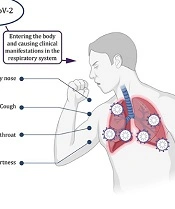
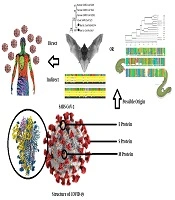
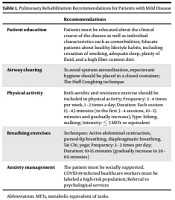
SARS-COV-2 is a coronavirus belonging to the beta coronavirus category (1). The coronavirus is one of the main pathogens that primarily targets the human respiratory system and causes symptoms similar to pneumonia (2). Patients with COVID-19 do not only suffer from respiratory problems and their clinical symptoms, which range from no symptoms to severe pneumonia. In fact, they may have a variety of symptoms, including fever, shortness of breath, dry cough, nasal congestion, sore throat, nausea, vomiting, myalgia, arthralgia, fatigue (muscular and mental), joint swelling (as reactive arthritis), headache, diarrhea and rarely arthritis (3-8). The major musculoskeletal symptoms include arthralgia, myalgia, chronic fatigue, and joint swelling (as reactive arthritis); however, their prevalence has not yet been systematically studied (6, 7). The heretofore reports have revealed no signs of COVID-19 in skeletal muscle, joint, or bone. According to the reports, musculoskeletal symptoms are indirectly attributable to the consequences of COVID-19 and mainly due to immune or inflammatory response; however, other mechanisms can also be considered, such as direct virus damage to the endothelium or peripheral nerves (9). The onset of symptoms of COVID-19 depends on the patient's age, state of the immune system, and underlying diseases, which is less severe in patients under 70 compared to those over 70 (10). Notably, in some specific diseases such as SARS or COVID-19, there are two distinct stages: the first acute stage is associated with common respiratory symptoms, and the second stage is accompanied by a gradual improvement in respiratory symptoms but along with the musculoskeletal problems and pain due to relatively long-term bed rest and inactivity (such as back pain). Therefore, rehabilitation of patients with COVID-19 not only includes attention to respiratory, infectious, or neurological problems but also contains other medical measures in cases of bed sores, peripheral muscle weakness, and muscle contractions. Notably, joint limitations, balance, and postural disturbances, and physical weakness, due to prolonged bed rest, can significantly reduce the chances of returning to pre-infection functional status, which can profoundly affect the rehabilitation care of patients and the medical team as well (11). Therefore, the improvement of patients with COVID-19 can be done through improving respiratory function, coping with immobility and its complications, reducing long-term complications, and improving cognitive and emotional states to improve the quality of life (12). Accordingly, adopting a multi-purpose approach to rehabilitation is an important and fundamental strategy (especially in patients with advanced age, obesity, multiple chronic diseases, and organ failure). Therefore, each patient requires a specific musculoskeletal and respiratory rehabilitation program that should be adjusted according to his/her characteristics and health conditions (11). Notably, considering the clinical conditions which cause prolonged immobility and musculoskeletal problems, these patients need different rehabilitation treatments, even after discharge from the inpatient ward, to increase the chance of recovery, including respiratory rehabilitation, musculoskeletal rehabilitation, and sometimes neuromuscular rehabilitation. In cases where the complications of COVID-19 disease are not severe, and patients are at home, they may also need home or outpatient rehabilitation mainly aimed at restoring motor skills and improving the mental state. In both cases, the rehabilitation program should focus on each patient's specific disorders (13). Due to the diversity of musculoskeletal problems in patients at pandemics such as COVID-19 and SARS, the purpose of this article is to investigate the major musculoskeletal problems in patients with COVID-19 through a review study.
2. Evidence Acquisition
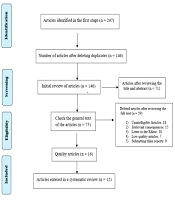
A computerized database search was carried out for researches studies reporting the types of musculoskeletal pain existed in patients with covid-19 indexed between 2019 and 2020 in PubMed, Medline, Science-Direct, Scopus, ProQuest, Google Scholar and, news of World Health Organization (WHO) using the keywords ‘covid-19’, ‘coronavirus’ and ‘musculoskeletal problems such as muscle fatigue, myalgia, arthralgia, joint swelling’. All published scientific papers were included without exclusion criteria.
3. Results
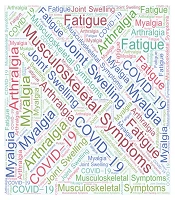
Notably, the problems of patients with COVID-19 do not only include respiratory ones; they may have a variety of symptoms including fever, shortness of breath, dry cough, nasal congestion, sore throat, nausea and vomiting, myalgia, arthralgia, fatigue (muscular and mental), headache, diarrhea, and rarely arthritis (3-8). Their major musculoskeletal symptoms include arthralgia, myalgia, chronic fatigue, and joint swelling (as reactive arthritis) (6, 7). It should be noted that some symptoms such as joint limitations, balance, and postural disturbances, and muscular (physical) weakness due to prolonged bed rest can also dramatically reduce the chance of returning to pre-infection functional state and profoundly affect rehabilitation care of the affected patients (11). In fact, the improvement of COVID-19 patients is done by improving respiratory function, coping with immobility and its complications, reducing long-term complications, and improving cognitive and emotional states to improve the quality of life (12). Accordingly, their rehabilitation should be multi-purpose and according to the needs of each patient and his/her characteristics (11).
3.1. Arthralgia
The causes of arthralgia (joint pain) are varied from degenerative and destructive processes such as osteoporosis and sports injuries to inflammation of the tissues around the joints such as bursitis. This may also be caused by other conditions such as infection or vaccination (14). Arthralgia is an important clinical complaint seen in many patients affected by viral infections, including COVID-19 as an emerging infectious disease (15). Notably, information on its rheumatic manifestations is limited. In a clinical, epidemiological report published in the Lancet, no data on arthralgia were reported as a common complaint among the patients with COVID-19 (16, 17). However, in Thailand, a number of patients (2.5%) complained of joint pain (18). This could indicate the importance of rheumatoid arthritis in COVID-19 patients. In cases where the disease has been transmitted from arthropod (an invertebrate animal such as an insect, spider, or crustacean), the symptoms of arthralgia with COVID-19 might be easily relieved (19). Low back pain can also be treated with over-the-counter medications, ice packs, hot baths, and stretching. But more severe cases of joint pain may require special medical procedures such as steroid injections, the use of non-steroidal anti-inflammatory drugs, joint aspiration, or physical therapy (such as physiotherapy, splints, etc.).
3.2. Myalgia
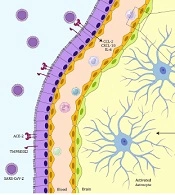
Myalgia is caused by viral infections such as the new 2019 coronavirus (COVID-19) and influenza, indicating a general inflammation and cytokine response (an immune system response) displayed as the onset of symptoms in 36% of patients with COVID-19 (20). In fact, low back pain in COVID-19 may be an indication of pneumonia. COVID 19-induced myalgia may last longer and be more severe than other viral infections, so that it may not respond to conventional analgesics. Usually, along with reducing the viral load by treating the virus, muscle pain may also be reduced. Notably, COVID-19 can cause musculoskeletal pain with a completely different mechanism compared to the known mechanisms of myalgia in viral infections (21). Recently, a metallopeptidase has been identified as a functional receptor for SARS-COV, which is called angiotensin-converting enzyme 2 (ACE2) (22). ACE2 binds to the membranes of the lung, artery, heart, kidney, and intestinal cells (22). It acts as an entry point into the cells for such coronaviruses as HCoV-NL63, SARS-COV, and SARS-COV-2 (23). Regarding COVID-19 and penetrating ACE2 in the areas with low cytosolic pH, the virus enters the cell and causes infection in the pulmonary system (24). Recently, it has been found that lactate levels increase as a result of the damage caused through cell overuse during COVID-19 infection (25).The capacity of the oxygen cells to carry oxygen is disrupted in hyperlactatemia, and, therefore, the tissues remain hypoxic. Another point worth mentioning is the capacity of this virus to spread through the bloodstream or vascular endothelium, causing infection in all tissues containing ACE2, such as heart and brain. Therefore, the musculoskeletal system can also become infected. In fact, the increased creatinine kinase levels during COVID-19 infection demonstrate muscle involvement (21). Since lactate begins to accumulate when muscle tissue cannot produce enough energy during aerobic exercise, the monocarboxylate transfer mechanism (MCT) is activated to prevent lactate accumulation (26). In hyperlactatemia, the capacity of red blood cells to carry oxygen is also greatly reduced. It seems that if intense exercise is done, the musculoskeletal system may come across a deficiency in oxygen uptake, and the muscles may develop ischemia due to COVID-19 infection. Therefore, it may cause pain in residual ischemic muscle with a mechanism similar to sickle cell disease. Besides, pain can be caused during hypoxic ischemia due to an increase in growth factors, cytokine levels, ischemic conditions, and microvascular changes by dorsal root ganglion overexpression (27). As a result, lactate dehydrogenase (LDH) increases by damaging the virus. Then, the increased LDH and anaerobic glycolysis may lead to highly elevated lactate levels in other muscles and tissues. The cytosolic pH may also decrease further. Then, due to the increase in lactate levels, low pH, and low oxygen levels, muscle pain may increase. Therefore, in order to treat these kinds of pain, it is necessary to eliminate the cause of hypoxia. It should be noted that the use of analgesics may not be effective in these cases. In fact, through reducing the viral load, oxygen delivery by red blood cells increases, the muscle lactate level decreases, and, then, the pain would disappear.
3.3. Muscular Fatigue
Symptoms such as fatigue, heart palpitations, muscle aches, tingling sensations, and some other symptoms have been reported as side effects in patients with COVID-19. About 10% of 3.9 million patients participating in the COVID-19 Symptom Study program had experienced the mentioned effects even for more than four weeks (28). The WHO report showed that 38% of patients developed fatigue due to COVID-19. A study in Wuhan (China) showed that this symptom was so common that 70% of the participated patients developed fatigue (29). Since chronic fatigue (takes more than six weeks) can be diagnosed in different clinical cases, from cancer treatment to inflammatory arthritis, COVID-19 is not its only cause. The review study reported 25.6 % of 12,046 COVID-19 patients had the symptom of fatigue (9). In fact, it also occurs after other viral infections such as Epstein-Barr virus, known as glandular fever. Notably, in a study done in Hong Kong in 2003, a quarter of infected patients with the original SARS virus showed post-infection fatigue syndrome. Since there is no specific treatment for most viral infections, we still do not know how to manage post-infection fatigue of this very new corona virus (28).
3.4. What Can Cause Fatigue After COVID-19 Infection?
Although we know that persistent fatigue can sometimes be caused by different viral infections, we know very little about its process. One of the probable reasons might be the presence of persistent viral infection in the lungs, brain, adipose, or other tissues. Besides that, prolonged and improper immune response after clearing the infection may be another cause. In patients with hepatitis C, using interferon alpha as a treatment led to the development of a flu-like illness and, in a few patients, post-viral fatigue. Investigating the very artificial response, the researchers found that the basal level of interleukin-6 and interleukin-10 (causing inflammation) predicts the subsequent chronic fatigue. The same anti-inflammatory molecules have been observed in the "cytokine storm" of patients with COVID-19, depending on the severity of the disease (16). In this overreaction of the immune system, the immune system releases cytokines disproportionately to the threat or for a longer period of time after the virus threat has ended. Having this cytokine storm happen, the immune system causes significant damage by invading its own tissues. This exaggerated inflammatory reaction may cause severe damages to the liver, blood vessels, kidneys, and lungs, as well as forming blood clots in the body. Therefore, this damage might be greater than that of the coronavirus itself (30), all indicating a pattern of immune system activation during viral infection that results in the appearance of persistent symptoms in infected individuals. Therefore, successful use of tocilizumab reduces the inflammatory effect of interleukin-6 in patients with severe COVID-19. Indeed, some tips for people with chronic fatigue could be to manage the fatigue and save energy. The important point is that going to the gym and putting your body under pressure is a wrong thing to do, which can significantly increase the chronic fatigue. Therefore, low activities (mental or physical) should be done with a long enough rest interval. Returning to work should be through a gradual and graded process. Besides that, the patients should learn how to speed up their daily activities (28).
3.5. Joint Swelling or Reactive Arthritis
It usually occurs shortly after infection and, in most cases, resolves within three to six months without causing any long-term problems. Seemingly, it occurs when the immune system overreacts to infection and attacks healthy tissues, causing inflammation; however, the exact cause is still unknown. Another probable cause of this disease is a gene called HLA-B27. Although reactive arthritis can affect women and men of all ages, it is more common in men aged between 20 and 40. It can affect any joint, but more the knees, feet, toes, hips, and ankles, and causes pain, tenderness, and swelling in the joints, pain and tenderness in some tendons (especially in heels), back and hip pain, sausage-like swelling in the fingers and toes, and joint stiffness (especially in the morning). Although there is no specific test to diagnose reactive arthritis, such tests as blood and urine tests, genital swabs, scans, sonography, and X-rays might be used. Notably, its treatment usually includes the following: use of antibiotics to remove any factors that may be causing reactive arthritis, use of analgesics such as ibuprofen to alleviate the pains, and using medications such as steroids or anti-rheumatic drugs to manage different levels of this disease (31).
4. Conclusions
COVID-19 clinical features are from asymptomatic patients to acute respiratory distress syndrome and multiple organ dysfunction. The major musculoskeletal problems included 25.6 % muscle fatigue and around 15.5% myalgia, arthralgia, and arthritis. The exaggerated inflammatory reaction may cause severe damages to musculoskeletal system greater than the infection of the coronavirus itself. More severe musculoskeletal pain may require special medical procedures such as steroid injections, the use of non-steroidal anti-inflammatory drugs, or physical therapy. Attention to musculoskeletal rehabilitation of patients with COVID-19 is essential, along with their respiratory rehabilitation. In addition, it would be effective in reducing the physical complications of hospitalization, returning to independence and functional activities, and improving the quality of patients' life.