1. Context
Hepatitis A virus (HAV) infection is considered as an important public health concern. It is estimated that about 1.4 million cases of HAV infection occur every year worldwide (1, 2). Healthcare workers (HCWs) can always be exposed to HAV infected patients and if they were non-immune, they will also be infected. Hence hospital personnel can be proposed as a high risk group for HAV infection and evaluation of a suitable preventive method for them seems to be reasonable. On the other hand, investigation of HAV seropositivity among this group is necessary for determining the need for preventive strategies.
The related seropositivity rate can be varied in different countries and territories. Some countries have evaluated this rate and some of them proposed HAV vaccination as preventive strategy for their HCWs (2-5). In this review article, we highlighted some points about virology, epidemiology, preventive strategies and importance of HAV infection and then focused on available data regarding HAV seroprevalence among Iranian healthcare personnel to evaluate the need for using vaccination as a preventive method.
For this purpose, Scopus, PubMed and Google scholar were comprehensively searched using all appropriate combinations of following keywords; “healthcare provider”, “healthcare worker”, “healthcare personnel”, “nurse”, “medical students”, “Iran”, “Hepatitis A” and “vaccination”. Furthermore, to find related Persian evidences we searched Google scholar and scientific information database (SID).
2. Evidence Acquisition
2.1. Hepatitis A, Virology and Epidemiology
HAV is a member of the Heparnavirus genus of the Picornaviridae family. It is a 27 nanometer RNA virus, containing 7474 nucleotides, positive stranded, non-enveloped and icosahedral virus. Four genotypes have been identified for HAV in humans that are a single serotype without biological differences. The spread route for HAV is fecal-oral and risk factors are travel to endemic areas, near contact with an infected person, homosexual activity, waterborne, being in a daycare center and injection drug use. HAV is not transmitted by maternal to fetal route (6-8).
The infection, as an important public health problem, occurs worldwide with more prevalence in low socioeconomic areas (1, 2, 9). In a population study in Tehran province of Iran, the overall rate of anti-HAV seroprevalence has been reported as 90% (10). Also a gradual shift for age of HAV infection from childhood to adulthood has been reported. Control of some of the aforementioned risk factors can be the reason of this gradual shift (9). HAV causes an acute illness that is self-limited, but it can cause fulminant hepatitis rarely in some patients. Manifestation of hepatitis A infection could be silent or with non-specific symptoms in children, but it can cause a mild flu-like illness to hepatic failure in adults (11).
2.2. Hepatitis A, Diagnosis and Treatment
Considering different causes of acute hepatitis, diagnosis of HAV infection based on clinical manifestations is not possible (12). Detecting serum HAV-RNA using PCR amplification is an expensive method and usually used for research purposes. However, assessment of Immunoglobulin (Ig) antibody to HAV has been suggested for diagnosis of HAV infection. IgM anti-HAV anti-body emerges one to two weeks after exposure to virus and disappears after 3 to 6 months, so diagnose of acute phase of HAV infection can be possible. Positive results for testing IgG HAV anti-body also shows previous history of HAV infection (8, 13). Supportive care acts as the main part of treatment. Fulminant hepatic failure is an ominous complication of hepatitis A and in this case, liver transplantation is a suggested option. There is no specific antiviral therapy for patients with HAV infection. Approximately 30% of symptomatic patients admitted to hospital for management of complications including dehydration, severe prostration, coagulopathy, encephalopathy and other evidences of hepatic decompensation (14).
2.3. Hepatitis A, Immunization Strategies
As we explained before, there is no specific treatment for HAV infection. Therefore, Immunization against HAV infection as preventive method is preferred. There are two types of immunization including passive and active ones. Intramuscular administration of HAV immune globulin provides passive immunization, which is short-term and temporary and usually takes from three to five months. Passive immunization has its special indications like persons travelling to or working in countries and communities with intermediate and high rate of HAV infection and etc. However, it is not related to the topic of this review and more information can be obtained from related review articles (8, 15, 16).
Active immunization can be provided via vaccination. There are two inactivated single-antigen vaccines including Harvix and Vaqta. They have similar efficacy and immunogenicity. Also there is another vaccine, a combined vaccine namely Twinrix, which contains both HAV and Hepatitis B antigens (17). The two mentioned types of vaccines has been approved and used in the United States. Both of them are administered intramuscularly and as two separated injections with a six-month interval. They cannot be used in children younger than two years. It is said that after one month of receiving two doses of these vaccines, about 100% of immunocompetent vaccinated subjects can earn a probable lifelong immunity against HAV infection (8, 17).
2.4. Determining the Best Preventive Strategy
Nowadays, we know that vaccination is an important and effective preventive method for decreasing fulminant hepatitis. In a study in the United States, vaccination rate for HAV among healthcare personnel was higher than general population, however overall protection has remained suboptimal (18). Though, selecting an appropriate preventive strategy in each area depends on evaluation of some issues related to that area and they are annual incidence rate of fulminant hepatitis due to HAV infection, HAV seropositivity in different age and occupation groups, costs for hospitalization and treatment of patients with HAV infection. These are on one side of the equation and the costs for providing HAV vaccines and running vaccination program are on the other side. Furthermore, gross national income of each country is the major factor that influences this equation (19-22). Therefore, each country or territory needs to run some cost-effectiveness studies for making a decision about running HAV vaccination program (23). Here is the other epidemiologic factor that should be considered in vaccination program of each country, especially developing countries like Iran. Controlling risk factors for HAV infection with improvement in hygiene of food and water has led to a gradual shift of occurrence of HAV infection from childhood to adulthood. In the first view it is good, but with this condition children remain without immunity to HAV and we know that HAV infection in adulthood is more severe than childhood (20, 23, 24). Combination of HAV vaccine with hepatitis B virus vaccine, as a mandatory vaccine in some healthcare systems (25) and applying HAV vaccination in non-immune healthcare personnel (based on the previous screening) are some of the cost-effective methods for HAV prevention (26).
3. Results
3.1. Hepatitis A Seroprevalence in Iranian Healthcare Workers
Data about HAV prevalence among Iranian HCWs are very limited. In a cross-sectional study in a hospital from Babol (a city of Mazanadaran province of Iran) between 2011 and 2012, 466 HCWs (paramedical technicians, nurses and nurses’ aid) were tested for anti-HAV antibody (IgG). It was reported that 330 (71%) of participants had positive results for the mentioned test. On the other hand, HAV seropositivity increased with age and number of working years. The disease in adulthood is more severe. However, about 30% of healthcare personnel are not immuned against HAV and in exposure with HAV infected patients and need confident preventive strategy. As conclusion of this project, role of vaccination program in protecting susceptible HCWs should be more highlighted (27).
In another study, 150 personnel of a military hospital in Tehran were investigated regarding previous immunity to HAV infection. Only 17.3% of those subjects had positive result for anti HAV antibody. This is a very considerable result in four years ago and suggests a wisdom preventive method for healthcare personnel against HAV infection as authors of this project recommended HAV vaccination as their solution (28).
Comparison of HAV seropositivity among HCWs in different times can help making a better decision about the best HAV preventive method. However, the literature has not enough data about this issue, especially in the past. In a cross-sectional project performed about 12 years ago in a hospital of Sari (another city of Mazanadaran province), HAV seropositivity rate was reported as 90.36% for HCWs (29). This is the maximum HAV seropositivity rate for HCWs among included studies in this project. Time of this project is one of the important issues here. Perhaps this high rate of HAV immunity in comparison with recent studies emphasizes on improvement in health status, controlling HAV risk factors and finally gradual shift of HAV infection from childhood toward adulthood. Such important points can only be proved by cohort studies or only comparison of available cross-sectional studies with similar ones in the past.
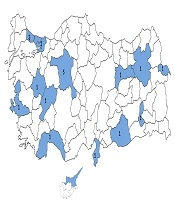
Medical students are another group investigated for HAV seroprevalence in Iran. A study in one of the medical universities of Tehran province in 2015 revealed that just 34% of evaluated patients (n = 270) had positive results for anti-HAV anti-body test (30). Another study in medical university of Babol in 2014 showed that more than 30% of medical students were not immune against HAV infection (31). Medical students in some other provinces of Iran like Isfahan, Kermanshah and Hamedan had been evaluated for HAV prevalence. It has been reported that more than one third of these students in each university are HAV seronegative (32). As a result of occupational exposure, medical students, as future HCWs, are at risk of HAV infection and therefore all of these studies suggested vaccination as solution.
HAV prevalence is an important factor regarding HAV vaccination in each area. Regardless of this factor, there are some high risk groups like travelers to endemic countries, patients with chronic liver diseases, food handler, sewage workers and etc. that are suggested for HAV vaccination (33, 34); perhaps HCWs can be considered in this category.
4. Conclusions
A gradual shift for occurrence of HAV infection from childhood toward adulthood has been reported in Iran. On the other hand, HAV infection can be more severe when it occurs in adulthood. Healthcare personnel are at a more risk to be infected with HAV due to occupational exposure (23, 35). HAV vaccination is an effective method for preventing morbidity and mortality due to fulminant hepatitis. It also helps to decrease the spread of HAV in the community and subsequently prevent from HAV outbreaks (35). More original studies should be performed to investigate HAV seroprevalence among HCWs (15). Limited available studies show that a considerable number of HCWs are HAV seronegative and therefore vaccination in this high risk special group should be considered as a wisdom method (24, 35).