
1. Background
Oral lichen planus (OLP) is a chronic inflammatory condition of the oral mucosa that is mediated by T-cells. Clinically, OLP can be divided into non-erosive atrophic types, such as reticular, popular, and plaque-like forms, and erosive atrophic types, including erythematous, erosive, and bullous forms (1). Oral lichen planus and lichenoid lesions (OLL) are both chronic inflammatory conditions of the oral mucosa, characterized by their distinctive clinical and histopathological features (2). Differential diagnosis between OLP and OLL has become challenging due to clinical similarities and inflammatory infiltration, both being classified under oral lichenoid diseases (OLD) (3). A key difference between OLL and OLP lies in their causes. Lichenoid lesions can be triggered by factors such as allergic reactions to dental materials, certain medications, graft-versus-host disease, systemic diseases, or lesions resembling lichen planus but missing some clinical features. In contrast, the exact cause of OLP remains unknown (1). These conditions have garnered significant attention due to their potential for malignant transformation, particularly into squamous cell carcinoma (SCC) (2). The malignant transformation rate (TR) varies widely in the literature. The rates of oral cancer associated with OLP have been reported to range from 0.44% to 2.28%, while those for OLL fall between 1.88% and 3.80% (4).
Several key factors have been identified as contributing to the risk of malignant transformation, including the presence of epithelial dysplasia, consumption of tobacco and alcohol, infection with the hepatitis C virus, the existence of atrophic and erosive lesions, and tumor localization on the tongue (1, 4). The possible association between Sjogren’s syndrome or oral dryness and OLP or OLL was also pointed out (5). Recent reports have also suggested a potential link between the onset of OLL following COVID-19 vaccination (6). Or it is also noted that the OLP could contribute to an aggressive form of OSCC (7).
2. Objectives
Despite the existing literature on the malignant potential of OLP and OLL, and also the importance of MT, there remains a notable gap in comprehensive studies that focus on specific populations, particularly within Iran. Therefore, the present study aims to evaluate the rate of malignant transformation in patients diagnosed with OLP and OLL at the Faculty of Dentistry, Mashhad University of Medical Sciences.
3. Methods
This retrospective cross-sectional study was conducted on the population of OLP and OLL patients from the Oral Medicine Department of the School of Dentistry at Mashhad University of Medical Sciences. After obtaining approval from the ethics committee of the university (IR.KMU.REC.1396.2160), data of all patients in the Department of Oral and Maxillofacial Pathology at School of Dentistry, Mashhad University of Medical Sciences from April 2011 to March 2021 were reviewed for the diagnosis of OLP and OLL. Upon identifying patients with OLP or OLL, demographic data, history of systemic diseases and medications, and clinical findings such as lesion location and type of OLP were collected.
The biopsy samples were evaluated in the Department of Oral and Maxillofacial Pathology. All histopathological reports were re-evaluated. Oral lichen planus diagnosis criteria were provided regarding the WHO guidelines, and OLL diagnosis criteria were based on clinical and microscopic appearance and patient history.
3.1. Histopathological Differentiation Between Oral Lichen Planus and Lichenoid Lesions
Following the approach outlined by Mutafchieva and Tashkova (8), we distinguished OLP from OLL through specific histological features. Oral lichen planus was characterized by a band-like lymphocytic infiltrate confined to the epithelium-lamina propria interface, basal cell hydropic degeneration, and lymphocytic exocytosis without epithelial dysplasia. In contrast, OLL was identified by the presence of perivascular infiltrates extending deeper into the connective tissue, polymorphic inflammatory infiltrates containing plasma cells, eosinophils, and neutrophils in addition to lymphocytes, and interface dermatitis patterns that differed from the classic band-like configuration seen in OLP. Cases with epithelial dysplasia were excluded from the OLP diagnosis as per current diagnostic standards.
3.2. Inter-Rater Reliability Assessment
To ensure diagnostic consistency, a panel of 3 experienced oral pathologists independently reviewed all histopathological slides. Each pathologist evaluated the samples according to the standardized criteria mentioned above. Inter-rater reliability was assessed using Cohen’s kappa coefficient, with values of κ > 0.75 considered excellent agreement, 0.40 - 0.75 as fair to good agreement, and < 0.40 as poor agreement. In cases of diagnostic disagreement, consensus was reached through collaborative review and discussion.
From March 2021 to March 2023, patients in the Oral Medicine Department who were diagnosed with SCC in the context of OLP from April 2011 to March 2023, based on WHO criteria, were evaluated regarding previous data. Written consent for publication was obtained from the patients.
3.3. Exclusion Criteria
Samples were excluded if it was determined that lichen planus had caused cancer after the initial period. Incomplete or incorrect records were also removed from the data. Data analysis was conducted using SPSS version 26.0 (IBM Corp.), with descriptive statistics presented as median and interquartile range for non-normally distributed continuous variables, and frequencies and percentages for categorical variables. The Shapiro-Wilk test confirmed non-normal data distribution (P < 0.05), necessitating non-parametric testing approaches. The Mann-Whitney U test was employed for comparing continuous variables between OLP and OLL groups, while chi-square or Fisher’s exact tests were used for categorical variables. For multi-group comparisons, the Kruskal-Wallis test was applied, followed by Dunn’s post-hoc test with Bonferroni correction when significant differences emerged.
Inter-rater reliability among pathologists was assessed using Cohen’s kappa coefficient, with a significance threshold of P < 0.05 for all two-tailed statistical tests. This retrospective study received ethical approval (IR.KMU.REC.1396.2160), with informed consent waived due to the use of previously recorded data, though all protocols maintained ethical standards, including patient confidentiality and data anonymization measures.
4. Results
In this study, 195 patients with lichen planus or lichenoid disease were examined for the transformation of their disease into SCC and related factors. The patients included 130 women (66.7%) and 65 men (33.3%), with a mean age of 48.32 years and a standard deviation of 13.92 years, ranging from 7 to 87 years old. Seven patients (3.6%) developed SCC (Table 1). Among them, 146 patients had lichen planus, and 49 had lichenoid disease, with 4.1% (6 patients) and 2% (1 patient) developing SCC, respectively. This difference was not statistically significant (P = 0.682).
Table 1.
Distribution of Squamous Cell Carcinoma and Non-squamous Cell Carcinoma Patients by Type of Lesion a
| Type of Lesion | Non-SCC | SCC | Total | Fisher’s Exact Test Result |
|---|---|---|---|---|
| Lichen planus | 140 (95.9) | 6 (4.1) | 146 | P = 0.682 |
| Lichenoid | 48 (98.0) | 1 (2.0) | 49 | |
| Total | 188 (96.4) | 7 (3.6) | 195 |
Abbreviation: SCC, squamous cell carcinoma.
a Values are expressed as No. (%).
Of the 7 SCC patients, 3 had lesions on the cheek, 2 on the tongue, and 2 on the lip (Table 2). Additionally, 3.6% of patients with cheek lesions, 4.9% of patients with tongue lesions, and 7.1% of patients with lip lesions developed SCC, while patients with lesions in other areas did not show SCC. Statistically, the location of the lesion did not have a significant relationship with the presence of SCC (P = 0.918).
Table 2.
Distribution of Squamous Cell Carcinoma and Non-squamous Cell Carcinoma Patients by Lesion Location a
| Lesion Location | Non-SCC | SCC | Total | Fisher’s Exact Test Result |
|---|---|---|---|---|
| Cheek | 80 (96.4) | 3 (3.6) | 83 | P = 0.918 |
| Tongue | 39 (95.1) | 2 (4.9) | 41 | |
| Gum | 5 (100) | 0 (0) | 5 | |
| Palate | 1 (100) | 0 (0) | 1 | |
| Lip | 26 (92.9) | 2 (7.1) | 28 | |
| Cheek-tongue | 18 (100) | 0 (0) | 18 | |
| Cheek-gum | 5 (100) | 0 (0) | 5 | |
| Tongue-cheek-gum | 2 (100) | 0 (0) | 2 | |
| Cheek-lip | 3 (100) | 0 (0) | 3 | |
| Cheek-palate | 1 (100) | 0 (0) | 1 | |
| Gum-palate | 2 (100) | 0 (0) | 2 | |
| Tongue-cheek-palate | 1 (100) | 0 (0) | 1 | |
| Floor of mouth-tongue | 1 (100) | 0 (0) | 1 | |
| Tongue-cheek-palate-lip-gum | 1 (100) | 0 (0) | 1 | |
| Tongue-lip-gum | 1 (100) | 0 (0) | 1 | |
| Lip-gum | 1 (100) | 0 (0) | 1 |
Abbreviation: SCC, squamous cell carcinoma.
a Values are expressed as No. (%).
Of the 7 SCC patients, 4 had erosive lesions, and 3 had non-erosive types. Additionally, 5.9% (4 patients) of those with erosive lesions and 6.7% (3 patients) of those with non-erosive lesions developed cancer. Statistically, the type of lesion did not show a significant relationship with the presence of SCC (P = 0.468) (Table 3).
Table 3.
Distribution of Squamous Cell Carcinoma and Non-squamous Cell Carcinoma Patients by Lesion Type (Erosive/Non-erosive) a
| Lesion Type | Non-SCC | SCC | Total | Fisher’s Exact Test Result |
|---|---|---|---|---|
| Erosive | 64 (94.1) | 4 (5.9) | 68 | P = 0.468 |
| Non-erosive | 42 (93.3) | 3 (6.7) | 45 | |
| Erosive-non-erosive | 30 (100) | 0 (0) | 30 | |
| Total | 136 (95.1) | 7 (4.9) | 143 |
Abbreviation: SCC, squamous cell carcinoma.
a Values are expressed as No. (%).
Of the 7 SCC patients, 5 were women, and 2 were men. Additionally, 3.8% (5 patients) of female patients and 3.1% (2 patients) of male patients developed SCC. Statistically, gender did not have a significant relationship with the presence of cancer (P > 0.99) (Table 4).
Table 4.
Distribution of Squamous Cell Carcinoma and Non-squamous Cell Carcinoma Patients by Gender a
| Gender | Non-SCC | SCC | Total | Fisher’s Exact Test Result |
|---|---|---|---|---|
| Female | 125 (96.2) | 5 (3.8) | 130 | P > 0.99 |
| Male | 63 (96.9) | 2 (3.1) | 65 | |
| Total | 188 (96.4) | 7 (3.6) | 195 |
Abbreviation: SCC, squamous cell carcinoma.
a Values are expressed as No. (%).
As shown in Table 5, the youngest patient in the SCC group was 21 years old, and the youngest patient in the non-SCC group was 27 years old. The oldest patient in the SCC group was 65 years old, and the oldest patient in the non-SCC group was 87 years old. The mean age and standard deviation of patients with cancer were 44.4 ± 16.7 years, and it was 48.5 ± 13.8 years for non-SCC patients, which was not statistically significant (P = 0.453).
Table 5.
Comparison of Squamous Cell Carcinoma or Non-squamous Cell Carcinoma Patients by Age
| Variable | Groups | No. | Mean ± SD | Median (IQR) a | Min - Max | Test Result |
|---|---|---|---|---|---|---|
| Age | Non-SCC | 188 | 48.46 ± 13.83 | 48.0 (29.0) | 27 - 87 | t = 0.75; P = 0.453 |
| SCC | 7 | 44.43 ± 16.77 | 37.0 (32.0) | 21 - 65 |
a Interquartile range (IQR), representing the range between the 25th and 75th percentiles of the data.
5. Discussion
This 10-year retrospective study examined 195 patients with OLP or OLL to assess the rate of malignant transformation and associated factors. The overall malignant TR was 3.6% (7 out of 195 patients), which is higher than rates reported in some previous studies. For instance, Guan et al. (9) reported 2.8% TR. But it is lower than a similar study in Iran (6.2%), which could be due to different population and sample size, and the duration of their study (10). The discrepancy could be due to various factors, including the follow-up period, differences in patient populations and sample size, or variations in diagnostic criteria. It should be mentioned that our study strictly applied WHO guidelines for OLP and combined clinical with microscopic criteria for OLL, whereas other studies might have used alternative or less stringent criteria (8). Differences in patient populations, such as demographic characteristics, genetic predispositions, and environmental exposures, could also play a significant role (10). Additionally, methodological differences, including sample size and follow-up duration, might contribute to the observed variation (11). Future research incorporating larger, multi-center samples and standardized diagnostic protocols is needed to further clarify these associations.
Interestingly, our study found no statistically significant difference in malignant TRs between OLP (4.1%) and OLL (2%) (P = 0.682). Similarly, Shearston et al. (12) reported a lower rate of malignant transformation of OLL vs OLP (0 and 0.49%). A recent meta-analysis also aligns with these findings (13). The previous one reported 1.1% TR for OLP (11). On the other hand, another systematic review concluded 1.37% for OLP and 2.43% for OLL (14). An umbrella review also suggested a lower TR for OLP against OLL (4, 15). Another study also reported that TR was higher for OLL (4.4%) than OLP (1.2%) (16). Another study concluded TR (1.7%) with OLP and (5.9%) with OLL (17). The discrepancy might be due to differences in sample size, follow-up period, or diagnostic criteria used in various studies. Our results suggest that both OLP and OLL should be monitored closely for potential malignant transformation.
Regarding lesion location, our study found that malignant transformation occurred in the buccal mucosa (3.6%), tongue (4.9%), and lip (7.1%). Although the lip showed the highest malignant TR, a statistically significant difference was not observed (P = 0.918). Another study reported the tongue as the most common site for malignant transformation, followed by the buccal mucosa. But another study noted buccal mucosa as a common site (18). In our study, the higher rate observed in lip lesions warrants further investigation in larger studies.
The present study found no significant association between the type of lesion (erosive vs. non-erosive) and malignant transformation (P = 0.468). This result differs from some previous studies, which reported a higher risk of malignant transformation in erosive OLP (9, 19-21). Or some reported reticular (18) or other forms as high risk. The discrepancy might be due to differences in sample size or the classification criteria used for erosive and non-erosive lesions. Our findings suggest that both erosive and non-erosive lesions should be monitored with equal vigilance.
Gender was not significantly associated with malignant transformation in our study (P > 0.99), with 3.8% of female patients and 3.1% of male patients developing cancer. This finding is consistent with most previous studies, including Varghese et al. (18), who found no significant gender predilection with a higher incidence in women in OLP. This suggests that gender may not be a crucial factor in determining the risk of malignant transformation in OLP and OLL.
The mean age of patients who developed cancer (44.4 ± 16.7 years) was not significantly different from those without SCC (48.5 ± 13.8 years) (P = 0.453). This result contrasts with some studies who reported a higher risk of malignant transformation in older patients. An important aspect of our study is the relatively high overall TR of 3.6%. This rate emphasizes the importance of long-term follow-up for patients with OLP and OLL. Regular monitoring and biopsy of suspicious areas should be considered standard practice in managing these patients.
The small number of malignant transformation cases (n = 7) in this study significantly limits the statistical power needed to identify significant associations between variables. Consequently, while no specific risk factors were found, this limitation emphasizes the need for future studies with larger sample sizes to validate these findings. Advanced statistical methods, such as Bayesian approaches or predictive modeling, may help overcome sample size challenges and improve risk factor identification in future research.
Due to the inconsistent recording of data related to smoking, alcohol consumption, and HCV status in patient records, these variables were not included in this study. This limited our ability to analyze their potential role as risk factors for malignant transformation. Furthermore, dysplasia grading was not documented in pathology reports, preventing us from assessing its role as a significant risk factor. Future studies should consider these variables for more comprehensive analyses.
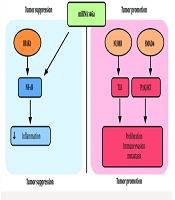
Future prospective studies with larger sample sizes and longer follow-up periods are needed to further elucidate the risk factors for malignant transformation in OLP and OLL. Additionally, molecular and genetic studies may provide deeper insights into the mechanisms underlying malignant transformation. For instance, investigating biomarkers such as miRNA-146a, which shows differential expression between OLP and OSCC, could lead to improved risk assessment (22). Such molecular insights are crucial for developing better management strategies, which may include novel therapeutic approaches that target pathways like apoptosis in cancer cells (23).
5.1. Conclusions
In conclusion, our study provides valuable insights into the malignant transformation of OLP and OLL in an Iranian population. The higher TR compared to some previous studies underscores the potential risk associated with these conditions. While we did not identify specific risk factors for malignant transformation, our results suggest that all patients with OLP or OLL, regardless of lesion type, location, patient age, or gender, should be considered at risk and monitored accordingly.