
1. Introduction
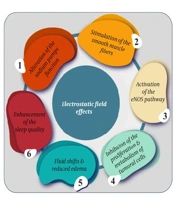
Despite numerous improvements in the clinical management of cancer patients, cancer-related pain is still a pitfall for the healthcare system (1). A vast majority of cancer patients, about 85% of advanced cases, have suffered from pain regardless of their cancer stage (2). The pain intensity in these patients is associated with multivariable factors, including inflammatory activities of cancer cells (e.g., protease enzyme release), neuropathic induction due to neural invasion, bone metastasis, breakthrough pain, poor performance in the Karnofsky Performance Scores (KPS), and age less than 60 (3-5). A common thread among cancer patients is the high rate of prescribed analgesics, especially opioids, as the main painkillers (6). Although great efforts have been made to address the crisis of opioid usage, overdose side effects such as respiratory depression mortalities and resistance of the CNS to these drugs remain elevated (7). Given the mentioned issues, multimodal non-opioid pharmacological or non-pharmacological strategies for cancer-related pain management could be effective for this concern (8). In past decades, investigators have become increasingly keen on ameliorating pain and enhancing function through the utilization of electrical stimulation (9). Regarding this strategy, various distinct electrotherapeutic methods have been developed, such as transcutaneous electrical nerve stimulation (TENS), neuromuscular electrical stimulation (NMES), and recently H-Wave® device stimulation (HWDS) (10-13). Since HWDS is embraced as a novel method for pain alleviation, there is considerable evidence that proves its efficacy as an alternative to pain relief drugs (9). A recent study has demonstrated that HWDS could decrease chronic pain and inflammation through 4 pathways, including shifting interstitial fluid, altering the function of sodium pumps, increasing blood flow, and microcirculation (9). Electrostatic charge generation is one of the focal points of interest due to its simple mechanism, safety (lowest current with highest charge accumulation), reliability, and lower energy consumption (14). This clinical study aims to evaluate the potential analgesic effect and functionality induced by electrostatic therapy (ET) devices in patients with cancer-related pain (Figure 1).

Figure 1.
Hypothesis about the electrostatic field effects on the human body
2. Materials and Methods
The institutional review board (IR.TUMS.VCR.REC.1397.354) approved the study protocol, and all methods were performed in accordance with the relevant guidelines and regulations. All the participants provided and approved written informed consent for involvement in the study and for publishing their information and images.
2.1. Demographics
The patients’ demographic information, including age and gender, and the clinically relevant data, such as past medical history (PMH), family history (FH), and cancer type of this case group, are presented in Table 1.
Table 1.
Demographic and Clinical Information of the Patients
| Patient ID | Age | Gender | PMH | FH | Cancer Type |
|---|---|---|---|---|---|
| Case #1 | 78 | Female | Breast cancer | - | Invasive melanoma |
| Case #2 | 56 | Female | Colon cancer lumbar herniation | + | Lumbar bone metastasis due to colon adenocarcinoma |
| Case #3 | 43 | Female | Right breast cancer | - | Invasive ductal carcinoma |
| Case #4 | 33 | Male | - | - | Hodgkin’s lymphoma |
| Case #5 | 46 | Female | - | - | Chest wall metastasis due to breast invasive ductal carcinoma |
The patients’ pain scores based on the Visual Analog Scale (VAS) (15), alterations in pain relief medication usage, regions of interest (ROI), and functional improvements are presented in Table 2.
Table 2.
Pain Reports of the Patients
| Patient ID | Initial Pain | Post-treatment Pain | Pain Relief Medications Usage | Reduction Of Medication After Intervention | Karnofsky Score Changes After Intervention (%) |
|---|---|---|---|---|---|
| Case #1 | 10 | 0 | YES | YES | 30 |
| Case #2 | 10 | 1 | YES | YES | 30 |
| Case #3 | 10 | 3 | YES | YES | 10 |
| Case #4 | 10 | 3 | YES | YES | 30 |
| Case #5 | 10 | 0 | YES | YES | 20 |
2.2. Protocols
These are 5 cases of advanced metastatic cancer, all of whom engaged in home recovery strategies applying electrostatic therapy devices. The pain protocol utilized ET patch placement on the area of utmost pain for at least 3 hours. Treatment approaches ranged from 3 hours to unlimited hours and were administered daily for up to 1 month. All results were captured over one month, with the average pain relief in the neighborhood of 84%. Each patient had been under previous and post-palliative care, as well as during the period of this therapeutic study; they were allowed to receive pain reliever drugs the same as before.
2.3. Characteristics of Electrostatic Therapy
Previous studies illustrated the application of ET in the management of cancer patients (16). It has been proven that continued application of electrostatic charge on malignant cells could induce apoptosis in tumor cells, reducing tumor size and ameliorating tumor pain. Moreover, no adverse effect on non-tumoral cells has been observed. We applied electrostatic charge by placing an aluminum flexible patch charged by a direct current (DC) electrical power system (5kV) at the tumor location on the patient's skin. We aimed to determine ET's efficacy in reducing pain in five metastatic cancer patients.
2.4. Statistical Analysis
Based on the limitations of this case series due to the small population, we decided to perform an introductory statistical analysis, and we are cautious concerning the overall interpretation of these results. Since there are few patients (N = 5), we used simple statistical analyses on these patients with some reservations about the outcome results. GraphPad Prism 8 and SPSS 26 were utilized to plot the figures and run a simple statistical analysis.
3. Results
3.1. Case Presentations
3.1.1. Case One
The first patient was a 78-year-old female at the time of the study; she came in with severe right forearm pain. She had a preexisting history of right forearm melanoma with metastasis to the right axillary lymph nodes (LNs), for which she had undergone resection surgery, axillary LN dissection, and electrochemotherapy. Her other pertinent history included breast cancer. Regarding the chief complaint, she reported excruciating pain (score 10/10) 3 months before our intervention. She described it as a sharp burning pain at times, while constantly aching. It was not radiational pain. She used various pain relief medications, although this did not lead to significant pain amelioration. She had difficulty bending her arm and doing routine tasks with her right hand. Furthermore, the patient had right forearm edema during the physical examination. Her protocol with ET included placement of a patch directly on the location of the right forearm post-surgery wound for the first visit, which resulted in a 30% pain decrease, after which she underwent home care every day for an average of 8 hours. Her net effect was to go from an average of 10 on the pain scale down to 0 after one month. Compared to previous pain palliative interventions, this exceeded her expectations, and she had the capability to do routine tasks and enhance her arm's range of motion. Moreover, the patient could obtain a significant reduction in regional edema by applying ET (Figure 2).

Figure 2.
Pain score of pre- and post-treatment of patient #1, a known case of right forearm melanoma
3.1.2. Case Two
Case two was a 56-year-old woman presenting with severe lumbar pain. She had been a known case of colon cancer from two years earlier with a preexisting history of lung and bone metastasis. Her therapeutic approach involved left hemicolectomy surgery and chemoradiotherapy. As well, she had undergone palliative surgery due to the osteoblastic lesions in the vertebrae of the spine. It is worth noting her PMH of intervertebral disc herniation. On physical examination, the patient presented with intensive pain and restriction in normal spinal movement. On palpation, she had a positive response to compression in the lumbar and sacral regions. She did this as a series of home care protocols, and, the same as the first case, she took all these treatments besides other medications. She had received physiotherapy treatment prior to our intervention, with no evidence of impressive improvement. The patient had baseline constant pain (at minimum) of 5 out of 10, along with the use of methadone and oxycodone tablets, with severe exacerbations going up to 10 without pain relievers. After applying the ET patch on the lumbar region continuously for one week, her pain went down to 1, and there was a reduction in the necessity for pain relief drugs. Moreover, her quality of sleep was enhanced. (Figure 3)

Figure 3.
Pain score of pre- and post-treatment of patient #2, a known case of colon cancer with lumbar bone metastasis
3.1.3. Case Three
Another patient was a 43-year-old female with a history of bilateral breast cancer. At first, for the right breast cancer, she had undergone neoadjuvant chemotherapy, modified radical mastectomy (MRM), axillary LN dissection, and radiotherapy. Two years later, the same treatment management was performed for the left breast cancer. During our research study, the patient presented with recurrence in the chest wall and neck LN metastasis. Although taking pain reliever drugs, she suffered from uncontrolled pain. Electrostatic therapy could promote her quality of life by decreasing the pain score from 10 to 3 by utilizing the device for an average of 8 hours per day for a month. (Figure 4)

Figure 4.
Pain score of pre- and post-treatment of patient #3, a known case of bilateral breast cancer with chest wall and neck LN metastasis
3.1.4. Case Four
The fourth case was a 33-year-old male, a known case of Hodgkin’s lymphoma, who underwent resection surgery four years earlier. He presented with intense pain in the axillary cavity due to vast LN metastasis. The patient was taking over-the-counter pain relief medications and oxycodone. During the treatment period, he started with a 10/10 pain score that ranged from 8–10 with exacerbations. After using this method, his pain level was reduced to 3. Another drastic effect of ET was a reduction in his intake of painkillers by 75%. (Figure 5)

Figure 5.
Pain score of pre- and post-treatment of patient #4, a known case of Hodgkin’s lymphoma with vast LN metastasis
3.1.5. Case Five
The last one was a 46-year-old female with a history of right breast cancer who underwent neoadjuvant chemotherapy, breast conservative surgery (BCS), and radiation therapy two years earlier. She presented with the chief complaint of severe pain in the thorax due to extensive lung and skin metastasis. She suffered from exacerbated pain with a score of 10, and using pain relief medications such as oxycodone and acetaminophen reduced pain to a score of 7. Applying electrostatic charge had remarkable outcomes, including decreasing the pain score to 0 and improving sleep quality (Figure 6).

Figure 6.
Pain score of pre- and post-treatment of patient #5, a known case of right breast cancer with chest skin metastasis
3.2. Statistical Analysis
Result A simple statistical analysis was conducted to determine the difference between the pain score of pre- and post-ET device treatments in these five cases and found that the pain score revealed a significant reduction after applying ET (P-value = 0.0005) (Figure 7).

Figure 7.
A, Karnofsky Score; B and C, pain score of pre- and post-treatment of all patients.
Discussion This clinical study illustrates the impressive effect of electrostatic therapy in offering pain relief, enhancement of function, and decreasing pain medication usage. This valuable strategy's precise mechanisms of action in cancer management are elaborated physiologically in pre-clinical and clinical studies. Various electrical stimulation devices have been developed, such as TENS, HWDS, NMES, etc., in which their waveforms and parameters are distinct from ET (9-11). Beforehand, research had demonstrated that ET could inhibit the proliferation and metabolism of tumoral cells through suppression of pro-caspases 3 and 9 with an enhancement in the Bax/Bcl2 ratio and induction of perturbation in the KRAS pathway of invasive cancer cells due to the phosphate molecule (16). However, the precise road map of ET in pain reduction is undetermined, yet we can suggest some hypotheses based on the obtained evidence (Figure 1). In this regard, the function of ET in activating the eNOS pathway, leading to an increment of microcirculation and blood flow besides cancer suppression, could be one of the compelling characteristics in decreasing pain (16, 17). The other probable mechanism is the ability of electrical stimulation to alter the function of sodium pumps in nerves, the same as the high frequency of HWDS (9). In addition to our achievements in this study, the pain alleviation effect of ET was also reported in the last clinical trial (16). Although an interesting result was obtained in this study, additional experimental and clinical studies are warranted due to the low number of patients and the indetermination of the precise mechanism of action.
Conclusion In conclusion, our cohort study demonstrated a strong correlation between reducing cancer-associated pain and the continuous application of ET. This reduction may be attributed to many unknown mechanisms, among which perturbation of the KRAS pathway, alteration of sodium pump functions, rising WSS, and activation of the eNOS pathway may play critical roles in this evidence.