
Dear Editor,
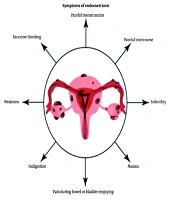
Endometriosis, characterized by the presence of endometrial implants outside the endometrial cavity, is a chronic and incurable disease in many women of reproductive age that requires lifelong management. Pain associated with endometriosis includes dysmenorrhea, dyspareunia, dyschezia, dysuria, and nonmenstrual pelvic pain. Extensive studies have been done in this field, but optimal management is still unclear. This article describes the available medical and surgical treatment options for pain caused by endometriosis. The choice of treatment is individualized and clinical symptoms, the severity of symptoms, age of the patient, extent, and location of the disease, tendency to fertility, drug side effects, surgical complications, and cost are considered.
Medical Treatment Options
Analgesics: Nonsteroidal anti-inflammatory drugs (NSAIDs) are commonly used to treat primary dysmenorrhea and pelvic pain, although there is very low quality evidence to support their use in treating endometriosis pain (1). Patients planning for pregnancy can use NSAIDs, although, according to some studies, selective COX-2 inhibitors (celecoxib, rofecoxib, and valdecoxib) can delay or prevent ovulation (2). Besides, NSAIDs can be used alone or combined with continuous hormonal contraceptives.
Neuromodulators: Neuromodulators (eg, anti-depressants, selective serotonin uptake inhibitors, or anticonvulsants) are mainly used to treat chronic and permanent pain. They affect the central nervous system's modulation of pain. There is hope for their use in treating endometriosis-related pain. However, randomized clinical trials of chronic pelvic pain management have not shown their significance for treating chronic pelvic pain compared to placebo, especially considering their possible severe side effects (3, 4).
Hormone Treatments
Hormone treatments include combined oral contraceptives, progestogens, anti-progestogens, gonadotrophin-releasing hormone (GnRH) agonists, GnRH antagonists, the levonorgestrel intrauterine system (LNG-IUS), and danazol and aromatase inhibitors (eg, letrozole). All of them significantly reduce the pain associated with endometriosis compared with placebo (5). The side effects and efficacy of hormone treatments are individual-dependent.
Estrogen-progestin Contraceptives: Several systematic reviews have concluded that combined estrogen-progestin contraceptives, including combined oral contraceptive pills (OCP), vaginal rings, and transdermal patches, significantly reduce endometriosis-related pain (6). They can be used as the first-line treatment for most patients due to the possibility of long-term use and reasonable price, availability, and contraceptive effects. They also reduce the risk of ovarian and endometrial cancer. Both continuous and standard cyclic OCP have been effective, although some studies have found that the continuous method is more effective (7).
Progestogens and Antiprogestogens: Progestin-only therapy is used in contraindicated patients with combined estrogen-progestin contraceptives or those who prefer not to use them. The 19-nortestosterone derivatives norethindrone acetate (5 mg dose), dienogest, and medroxyprogesterone acetate are the most common progestins used to treat endometriosis-related pain. Etonogestrel implant (ENG) and levonorgestrel-releasing intrauterine system also significantly reduce endometriosis-related pain.
Danazol: Danazol is not recommended anymore unless no other medical therapy is available because of its severe androgenic side effects.
Gonadotropin-releasing Hormone Agonists/Antagonists: GnRH agonists and antagonists effectively reduce the pain associated with endometriosis, but due to their side effects, they are recommended as second-line treatment in cases where hormonal contraceptives or progestogens are not effective. There is limited evidence regarding the dosage and duration of treatment. It is recommended to use add-back treatment with GnRH agonist therapy to prevent osteoporosis and hypoestrogenic symptoms (8).
Aromatase Inhibitors: Due to severe side effects, aromatase inhibitors are used only in cases where the pain associated with endometriosis is resistant to other medical treatments or surgical treatment. Aromatase inhibitors may be combined with oral estrogen-progestin contraceptives, progestogens, and GnRH agonists or antagonists.
Surgical Treatment
Due to the risks of surgery, its high cost, the lengthy recovery period, and the possibility of recurrence, medical treatments have priority, and surgical treatment is considered when the patient is resistant to medical treatments or cannot use them for any reason. Disadvantages of surgical procedures are related to the usual surgical risks, including the risk of injury, especially to the bowel and bladder, and the possibility of reduced ovarian reserve and adhesions.
Conservative Surgery: In conservative surgery, all endometriosis lesions are removed, and adhesions are released while the uterus and ovaries are preserved. This surgical procedure is considered the first-line treatment for most women planning for surgical treatment because it preserves hormone production and fertility and is less invasive and morbid than definitive surgery. However, recurrence is more likely with this method than with definitive surgery.
Definitive Surgery: Definitive surgery includes hysterectomy (total hysterectomy is preferred) with or without oophorectomy. Definitive surgery is recommended for patients with debilitating pain or completed childbearing or when other medical and surgical treatments have failed. Laparoscopy is preferred to laparotomy due to better surgical visualization, shorter hospital stay, less pain, shorter recovery period, and better cosmetic results.