
Dear Editor,
Epigenetic Mechanisms in Pain
Chronic pain remains one of the most challenging health problems worldwide, consistently ranking among the leading causes of disability according to the Global Burden of Disease (GBD) studies (1). Despite advances in pharmacological and interventional strategies, many patients continue to experience persistent pain, highlighting the need for novel perspectives to better understand its underlying mechanisms. An emerging question in pain research is why patients with similar injuries or conditions often report different pain intensities or exhibit distinct trajectories of chronicity. The answer may lie in the field of epigenetics. In our view, this perspective is particularly valuable because it bridges molecular mechanisms with clinical heterogeneity, a gap often underestimated in pain research.
Epigenetics refers to heritable changes in gene expression that occur without alterations in the underlying DNA sequence. These modifications — such as DNA methylation, histone modification, and regulation by non-coding RNAs [ncRNAs; including microRNAs (miRNAs) and long non-coding RNAs (lncRNAs)] — can profoundly influence neuronal plasticity, immune responses, and stress reactivity, all of which are critical determinants of pain processing (2, 3). Importantly, epigenetic mechanisms act as a dynamic interface between genetic predisposition and environmental factors, offering a plausible explanation for the variability observed in pain sensitivity and treatment outcomes among patients (4, 5).
New insights have been emerging regarding factors that may contribute to the development of chronic pain in some individuals but not others. Among these mechanisms, DNA methylation has been extensively studied. Aberrant DNA methylation patterns in genes encoding nociceptive receptors and ion channels may alter their expression, thereby potentially influencing neuronal excitability and pain sensitivity. For instance, hypermethylation of the opioid receptor μ1 (OPRM1) gene has been associated with reduced receptor availability and diminished analgesic efficacy in patients receiving opioid therapy (6, 7). Similarly, differential methylation of inflammatory genes has been observed in individuals with chronic low back pain, suggesting an epigenetic contribution to persistent pain states (7). This observation may partly explain the frustrating variability clinicians face when prescribing opioids, highlighting how epigenetics could guide personalized therapy.
Another important layer of regulation is histone modification, which alters chromatin accessibility and consequently gene transcription. Histone deacetylase (HDAC) inhibitors have been shown to alleviate neuropathic pain behaviors by repressing pro-nociceptive gene expression, highlighting their therapeutic potential (8). Expression studies have provided evidence suggesting that histone acetylation may play a significant role in the development of neuropathic pain (9, 10). These findings underscore the dynamic interplay between histone modifications and inflammatory signaling pathways in chronic pain.
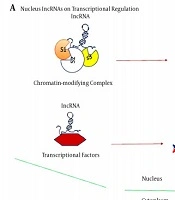
In addition, ncRNAs, including miRNAs, lncRNAs, and circular RNAs (circRNAs), play pivotal roles in fine-tuning pain signaling. Several miRNAs have been implicated in regulating neuronal excitability and neuroinflammation. For example, miR-124 has been shown to suppress microglial activation and reduce neuropathic pain in animal models (11). Likewise, lncRNAs such as Kcna2 antisense RNA have been identified as modulators of potassium channel expression in dorsal root ganglion neurons, thereby influencing nociceptive transmission (12). Emerging studies also suggest that circRNAs may act as “sponges” for miRNAs, indirectly modulating the expression of genes involved in pain pathways (13).
Taken together, these findings illustrate that epigenetic mechanisms do not operate in isolation but form an interconnected network regulating the transition from acute to chronic pain. This complexity may also explain the heterogeneity observed in clinical pain presentations. Importantly, epigenetic profiles hold promise as biomarkers for identifying individuals at risk of developing chronic pain and for predicting treatment responses. Personalized pain management strategies, guided by epigenetic signatures, could ultimately improve therapeutic efficacy and reduce the trial-and-error approach currently prevalent in clinical practice (2, 3).
Persistent alterations in gene expression, whether through induction or repression, are central to the maladaptive plasticity observed in chronic pain. These transcriptional changes are frequently governed by epigenetic mechanisms and have been documented across major anatomical sites involved in nociceptive processing. The earliest detection of harmful stimuli — including thermal, mechanical, or chemical signals — occurs in peripheral sensory neurons, whose cell bodies reside in the dorsal root ganglia (DRGs) and whose axons project peripherally to receive input while transmitting nociceptive signals centrally to the spinal cord. Heightened excitability of these neurons is a defining feature of many chronic pain conditions. The dorsal horn of the spinal cord represents the second relay station, integrating peripheral inputs and projecting them to supraspinal structures. While the specific brain regions and neural circuits underlying different pain modalities remain incompletely mapped, existing research suggests that epigenetic modulation of transcription in chronic pain has been studied primarily at the level of peripheral sensory neurons and the spinal cord, with comparatively fewer investigations addressing epigenetic regulation within brain circuits. We believe this gap is critical, since the emotional component often dictates the patient’s quality of life and response to therapy.
This focus has yielded more detailed insights into the sensory aspects of pain than into its affective or emotional dimensions. Mechanistically, epigenetic regulation of transcription contributes to chronic pain plasticity through multiple pathways. It may (1) modulate the excitability of neuronal networks by altering the expression of ion channels; (2) upregulate or suppress the transcription of postsynaptic receptors and intracellular signaling molecules; (3) promote maladaptive structural remodeling, such as changes in synaptic density and connectivity; and (4) influence cellular recruitment to nociceptive processing by modifying responsiveness. The following section will review key findings on how DNA methylation, histone modifications (acetylation and methylation), and ncRNAs shape these processes in chronic pain (3).
Clinical Implications
The observed epigenetic modifications in pain regulation pathways have significant translational relevance. For example, hypermethylation of the OPRM1 promoter correlates with decreased µ-opioid receptor expression and poorer analgesic response, suggesting a potential biomarker to stratify patients likely to benefit from opioid therapy (14). Similarly, down-regulation of miR‑124-3p in DRGs and spinal microglia has been shown to promote neuroinflammation and neuropathic pain behaviours, pointing to miR-124 as a promising target for novel pain interventions (15). These findings underscore the potential to incorporate epigenetic profiling into clinical decision-making.
Future Directions
Future research in pain epigenetics should progress beyond correlative findings and move toward causal, mechanistic investigations. Establishing direct links between specific epigenetic modifications and the development or maintenance of chronic pain will require experimental approaches that can selectively manipulate epigenetic regulators in defined circuits and cell populations. Recent advances in single-cell sequencing technologies offer the possibility to disentangle the cellular heterogeneity of DRGs, spinal cord, and brain regions implicated in pain processing, thereby enabling the identification of cell-type-specific epigenetic signatures.
In parallel, longitudinal human studies are urgently needed to validate observations from animal models and to track epigenetic alterations across the transition from acute to chronic pain. Such studies could reveal predictive epigenetic biomarkers for susceptibility to chronic pain and for stratifying patients according to treatment response.
From a translational perspective, the development of precision epigenetic interventions holds substantial promise. Isoform-specific targeting of DNA methyltransferases or HDACs (HDAC subclasses) could enable tailored therapies that modulate maladaptive gene expression without widespread off-target effects. Moreover, epigenetic therapies may eventually be combined with existing pharmacological or behavioral interventions to enhance efficacy and reduce variability in patient outcomes.
In our opinion, embracing an epigenetic framework will not only enrich our basic understanding of pain but may also catalyze a paradigm shift in how we define, diagnose, and treat chronic pain in clinical practice. Ultimately, integrating epigenetic insights with systems neuroscience and clinical pain management may transform the field. By bridging molecular mechanisms with patient-centered care, epigenetics has the potential to deliver novel biomarkers and therapeutic strategies that could fundamentally change the management of chronic pain.
Conceptual Perspective
Although current findings have largely described associations between epigenetic changes and pain phenotypes, a conceptual bridge linking molecular alterations to the affective, sensory, and cognitive dimensions of pain remains to be fully defined. We propose that cell-type-specific epigenetic modifications within limbic and cortical circuits could explain interindividual differences in emotional pain processing and resilience to chronicity. Such an integrative model may help unify disparate observations across molecular, systems, and behavioral levels.
Interpretative Outlook
Future research should not only focus on mapping epigenetic landscapes but also on interpreting how these molecular codes shape network-level plasticity and behavioral outcomes. Integrating epigenetic data with connectomics and computational modeling may uncover predictive pathways that explain why some individuals transition to chronic pain while others recover. This mechanistic interpretation could guide more personalized, mechanism-based therapies in the future.