
1. Context
A dust storm is a weather event characterized by powerful winds that lift large amounts of dust and sand from the ground, significantly reducing visibility and creating hazardous conditions. Ambient air pollution refers to the presence of harmful substances in outdoor air, originating from both natural and anthropogenic activities. This pollution poses a substantial threat to the environment and public health, affecting air quality and potentially leading to health issues, environmental degradation, and climate change (1-3).
Particulate matter (PM) is a major component of ambient air pollution, with two primary subtypes: PM10 and PM2.5. PM10 refers to particles with a diameter of 10 micrometers or less, which can penetrate the upper respiratory tract. These particles are typically generated through physical and mechanical processes, such as material degradation, fragmentation, and dust resuspension. The annual average concentration of PM10 in the air is 50 µg/m3, while the daily average is 150 µg/m3 (2).
Particulate matter2.5 consists of fine particles with a diameter of 2.5 micrometers or smaller. These particles are more hazardous as they can penetrate deep into the lungs and even enter the bloodstream. Among all ambient air pollutants, PM has the most detrimental effects on human health (3).
Khuzestan province, covering an area of approximately 64,746 square kilometers, is located in the southwest of Iran and is characterized by a warm climate. Its capital, Ahvaz, experiences the highest temperatures among the cities during summer, occasionally exceeding 50 degrees Celsius. The province is divided into four climatic regions:
(1) Regions with annual precipitation of less than 200 mm, including southern parts and areas bordering the Persian Gulf up to Ahvaz City.
(2) Regions with annual precipitation between 200 - 300 mm, including northern parts of Ahvaz and the Azadegan plain.
(3) Regions with annual precipitation between 300 - 400 mm, encompassing the cities of Dezful, Shushtar, Ramhormoz, and Behbahan.
(4) Regions with annual precipitation of more than 400 mm, including northern and northeastern parts such as Izeh, Baghmalek, and Masjed Soleiman.
The primary causes of dust storms in the Middle East, particularly in Iraq, Kuwait, and Saudi Arabia, are geographically close to Ahvaz City, which is located in a dry region (3-5). Surveys indicate that PM concentrations in these areas fluctuate throughout the year and frequently exceed the World Health Organization’s recommended levels (5, 6). There is a positive correlation between PM with a diameter of 10 micrometers or less (PM10) and temperature (7).
In the summer of 2009, the average concentration of the maximum total suspended particles in Khuzestan province was 7576 µg/m3. An investigation into the temporal nature of PM10 between 2009 and 2014 in Ahvaz revealed that the mean PM10 level was 249.5 µg/m3, with maximum and minimum values occurring in July (420.5 µg/m3) and January (154.6 µg/m3), respectively (4). The most prolonged dust event in Ahvaz lasted 144 hours.
Dust storms significantly elevate atmospheric PM levels. For an individual engaged in 10 hours of average activity, breathing 17 times per minute, and inhaling air containing an average of 0.04 grams of dust per pound, approximately 6.7 grams of dust enters the lungs over a 10-hour period (8).
2. The Significance of Dust and Acute Respiratory Distress Syndrome
During periods of dust storms in Khuzestan, individuals with asthma and bronchitis often experience exacerbated symptoms. Unfortunately, even healthy individuals may develop respiratory issues due to severe air pollution. To date, no research has been conducted on the specific risk level for developing acute respiratory distress syndrome (ARDS) during dust storms. The ARDS is a severe, life-threatening condition characterized by inflammation and fluid accumulation in the lungs, leading to acute respiratory failure (9).
Exposure to PM disrupts the balance between the sympathetic (fight-or-flight) and parasympathetic (rest-and-digest) nervous systems. This disruption can increase sympathetic activity, such as elevated heart rate and contractility, and reduce heart rate variability, predisposing individuals to arrhythmias. Long-term exposure to high levels of PM 2.5 micrometers or less in diameter (PM2.5) increases the risk for ischemic heart disease (10).
Dust particles trigger an inflammatory response in the respiratory tract. Immune cells like macrophages and neutrophils are activated, releasing pro-inflammatory cytokines (e.g., IL-6, TNF-α). This inflammation can lead to conditions such as bronchitis or pneumonia. Dust contains reactive oxygen species (ROS) or induces their production in the body. Excess ROS can damage lung tissue and weaken the immune system.
Dust storms worsen asthma due to increased allergen and particulate exposure, triggering immune-mediated airway hyperresponsiveness. Pathogens in dust can increase susceptibility to respiratory infections, especially in vulnerable populations like children, the elderly, and individuals with pre-existing conditions. Repeated exposure to allergens in dust storms can lead to sensitization, contributing to allergic diseases such as allergic rhinitis or chronic asthma.
Long-term exposure to fine particulate matter may increase the risk of autoimmune diseases like rheumatoid arthritis or lupus by promoting systemic inflammation and dysregulation of the immune system. Persistent immune activation from dust exposure can result in low-grade chronic inflammation, linked to conditions like cardiovascular disease and diabetes (7-9).
Fine particulates entering the bloodstream can trigger systemic immune responses, including the activation of T cells and B cells, leading to an overactive immune response or immunosuppression (2). Exposure to particles, such as air pollutants, nanoparticles, or other particulate matter, can have significant impacts on immunotoxicity, which refers to the adverse effects on the immune system caused by exposure to toxic substances.
3. Particulate Matter and Immunotoxicity
It is challenging to assess the immunotoxic effects of PM because it is difficult to distinguish between direct and indirect impacts on immune cells (7-10). The connection between long-term exposure to particles, such as in Khuzestan, and immunotoxicity has not been thoroughly explored. Consequently, it is important to understand the influence of these particles on public health, including the immune system.
Although populations exposed to particles in Khuzestan often experience increased disease incidence, the immunotoxic effects of dust and particles are typically overlooked. This study seeks to examine the literature to highlight the potential immunotoxic activities resulting from fourteen years of exposure to dust in this region (Figure 1).
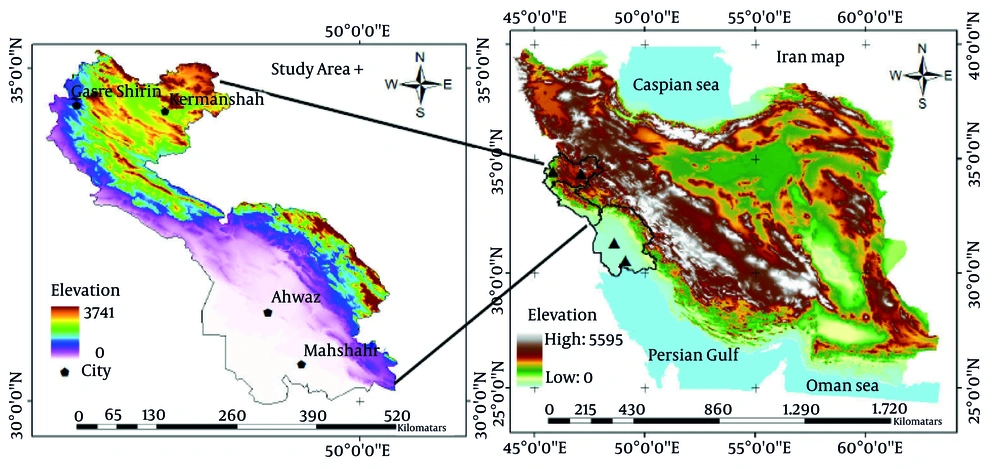
Figure 1.
The exposure area. The area was located in the west of Iran mainly Khuzestan province.
The weather conditions in Khuzestan, a region in southwestern Iran, are characterized by extreme heat, high humidity, and frequent dust storms, which can carry PM and other pollutants. These environmental factors create significant ecotoxicological challenges that can negatively impact human health, particularly the immune system. The primary focus of this review is on the ecotoxicological impacts of Khuzestan’s weather conditions on human immune response.
4. Dust, Immunotoxicity, Immunotoxicology, and Human Immune Responses
Currently, there is no definitive evidence that dust can lead to immunotoxicity. The immune system is highly susceptible to harmful influences due to its dynamic nature. Its dynamic and interconnected nature allows it to adapt to a wide variety of challenges, but this same adaptability makes it vulnerable to external and internal influences. Maintaining a healthy lifestyle, minimizing exposure to harmful substances, and addressing chronic stress are key to supporting its optimal function.
Compounds that disrupt cell division and proliferation processes can be particularly immunotoxic, especially to cells in the bone marrow. The initial signs of toxicity seen in studies on pesticides’ immunotoxicity may include a decrease in lymphoid cells in various parts of the body, such as the bone marrow and blood (6, 8).
The area of study concerning how substances and medications interact with the immune system is called immunotoxicology. Direct toxicity caused by an immunological response to a chemical is not part of the immune system’s natural function. Instead, it represents an abnormal reaction that can lead to harm. Preventing such reactions often involves minimizing exposure to known triggers, careful use of medications, and identifying individuals at risk through genetic or environmental assessments.
When the body is exposed to external chemicals, its defense mechanisms, or immune response, become activated. Neutrophils, basophils, eosinophils, macrophages, and lymphocytes are some of the cells involved in mediating the immune response (1).
People residing near contaminated sites in exposure areas often display signs of illness, providing evidence of the global pollution problem. The economic impact of high pollution levels and resulting diseases is significant, particularly in industrial zones. The economic impact of pollution in industrial zones is multifaceted, affecting healthcare, productivity, property values, and more. While industrial growth is critical for economic development, unchecked pollution undermines this progress. Proactive measures to reduce pollution can significantly alleviate these economic burdens and ensure sustainable growth (11-13).
The counterpart of inactive lymph nodes, which have few lymph cells, is present at birth and develops relatively late in fetal development. Exposing the lymph cells to various new antigens causes them to rapidly multiply. Some may transform into small, inactive cells containing new T and B cells, as well as early follicles (13-15).
4.1. Chemical Exposure and Suppression of the Immune System
Studies have shown that contact with chemicals can affect immunity in two primary ways: By triggering hypersensitivity reactions, such as allergies that can damage organs and tissues, or by inducing autoimmunity, where the immune system attacks its own cells, or by causing immunosuppression, which weakens the immune system’s ability to respond effectively (15).
The focus of the immunity debate is on the possibility that environmental and chemical variables can impair immune function in the general population, and if so, how this might lead to clinical disease.
4.2. Immune System Alterations Due to Chemical Exposures
In general, the immune system safeguards the body by neutralizing, incapacitating, or eliminating potentially harmful intruders. The adaptive immune response relies on memory, specificity, and the capacity to identify foreign substances as its fundamental components (16-18).
Khuzestan is a well-known center for oil, gas, and petrochemical companies. Ahvaz serves as the oil and gas distribution center in Khuzestan and for all oil-rich regions in the south, west, and east of Iran. The Abadan Refinery, Petrochemical Complex of Imam Port, and Mahshahr Petrochemical Company are among the oil-related industries in this province. Furthermore, industrial activities such as the Ahvaz Steel Company, carbon black production, and National Drilling are concentrated in this area, leading to the deterioration of air quality, especially in Ahvaz, the center of this province. Consequently, the dispersion of various chemicals in the dust seems possible. For example, concentrations of polycyclic aromatic hydrocarbons (PAHs) above standard levels have been observed in this city (13).
Chemical exposure can cause immune system changes that are frequently species- and chemical-specific. These changes include immunosuppression, hypersensitivity illness, and targeting of systemic or local immunity (e.g., lung or skin). The immune system is known to be impacted by exposure to metals, isocyanates, and anhydrides in the workplace and environment. These substances are also examples of chemical human sensitizers (15).
Khuzestan is likely experiencing an increase in diseases due to changes in the immune system. The exposure to various chemicals may be a contributing factor to this trend. Evaluating immunotoxicity in the people of Khuzestan is extremely difficult, but there may be a connection between chemical exposure and the emergence of new disease patterns in the population. It is important to educate people about early warning signs to help diagnose illnesses promptly.
Institutes and local organizations should focus on clinical immunology and conduct different tests. These tests should include measuring serum, cellular, and functional immunological parameters. Blood tests should look for autoantibodies, inflammatory markers, various types of immunoglobulins (IgA, IgG, IgE, and IgM), serum cytokine levels, and signs or receptors of cellular activation (12).
4.3. Pesticide Exposure and Immunotoxicity
Pesticides have significant immunotoxic effects that can suppress or dysregulate immune functions, increasing susceptibility to infections, autoimmune diseases, allergies, and cancer. Understanding these impacts is crucial for developing safer practices and regulatory policies. Reducing exposure, promoting alternatives, and advancing research can mitigate the adverse effects of pesticides on human health (16).
According to Colosio et al., there is evidence that pesticides can be immunotoxic to humans after exposure in the workplace or the environment. The study by Colosio et al. revealed the effects of pesticide contact on immune systems (17). Many pesticides act as endocrine-disrupting chemicals (EDCs), affecting hormone-regulated immune responses. Hormonal imbalances can suppress or overstimulate the immune system. This association is not certain and requires further confirmation. The connections observed may be due to variations in factors that make individuals more vulnerable, such as genetic differences in genes related to pesticide metabolism, such as CYP1A1 and glutathione S-transferases (18), as well as gender and age (19).
Pesticide metabolism is a critical process that determines the fate, toxicity, and persistence of pesticides in living organisms and the environment. Understanding these metabolic pathways can inform the design of safer pesticides, improve risk assessments, and develop strategies to reduce human and environmental health risks.
Khuzestan province has encountered a significant elevation in some diseases, especially asthma, during the past decade. This rate was recently shown. Environmental exposures to pesticides may be the possible cause.
Skin and respiratory issues are frequently observed in pesticide workers, but it appears that most of these instances are due to irritants rather than allergic reactions (20). Dust and pesticides present a significant health risk to both nearby residential communities and unprotected workers, particularly concerning their effects on the neurological and endocrine systems (21, 22).
Epidemiological data indicate that immunosuppression leads to an increase in tumors, such as non-Hodgkin lymphoma, in Europe. According to Cancer Mondial (http://www.dep-iarc.fr), organophosphate pesticides have direct and indirect impacts on immune cells and the cholinergic system of lymphocytes. It was found that exposure to these chemicals is associated with a higher risk of leukemia (23).
The effects of pesticide exposure depend on the type of pesticide, duration of exposure, route of entry (e.g., inhalation, dermal absorption, or ingestion), and individual susceptibility (24, 25). Research has demonstrated a novel molecular mechanism underlying the possible immunosuppressive effects of pesticides (24, 25).
Recent studies on animals have indicated that some chlorinated pesticides may accelerate the development of autoimmunity. However, research has yet to determine if this phenomenon also impacts humans (26, 27). Long-term exposure to pesticides is widely known to have toxic effects on cytokine levels (27).
4.4. Miscellaneous Agents and Immunotoxicity
Dust particles are more than just nuisances; they are significant carriers of pathogenic agents due to their high absorption properties. The combination of biological and chemical hazards makes them a critical factor in public health, particularly in industrial and urban settings. Most isolated microorganisms include Bacillus species for bacteria and Aspergillus for fungi. The concentration of bacteria in Ahvaz during dust event days was 1.8 times higher than on normal days (28). Soleimani et al. reported that Cladosporium, Alternaria, Aspergillus, Penicillium, and Rhizopus are predominant fungi genera in Ahvaz city. During dust storms, the number of fungi in the environment increased; for instance, on dusty days, the concentration of A. fumigatus was 65 times higher than 0.9 CFU/m3 (29).
Specific fungi and microorganisms are capable of causing diverse and sometimes severe diseases in humans. The severity and type of infection depend on the pathogen, the host’s immune system, and environmental factors. Preventive measures, early detection, and appropriate treatment are crucial to managing these infections and minimizing their impact on human health. As a result, dust poses a significant health risk to those living in the western and southwestern regions of Iran.
Heavy metal particles, including zinc (Zn), lead (Pb), cadmium (Cd), copper (Cu), nickel (Ni), cobalt (Co), chromium (Cr), and iron (Fe), were measured in dust during Khuzestan storms (30, 31). Generally, the amount of these elements during dusty days in Khuzestan exceeded the standard per cubic meter of air (31). The possible origin of these metals could be the erosion of crustal sources in the vicinity of Ahvaz and adjacent nations of Iran. These results are similar to the study by Al-Dabbas et al., conducted in 2010 in Iraq (32).
Individuals with immunodeficiencies are particularly vulnerable to infections caused by molds and bacteria under these circumstances. Additionally, inhaled fungal spores containing mycotoxins can have toxic effects (25-27). According to Goudarzi et al., 26 genera of culturable bacteria were recognized in Middle East dust storms over Ahvaz. The most dominant genera were Streptomyces, Bacillus, Kocuria, Corynebacterium, and Paenibacillus (33). Nevertheless, although there is mention of a connection between the amount of molds and bacteria present, the negative impact on the immune system is not widely accepted.
Dust contains chemical compounds, toxic elements, and microorganisms that can lead to various issues in the areas where it is present (34). For instance, Cd concentrations in Middle East dusts are higher than 24 ppm, while the limit value for this element is 0.05 µg/m3 (32-34). If the concentration of suspended particles increases by 10 µg/m3, the mortality rate also increases by 1% (32). Following exposure to Cd and lead, an autoimmune response was observed, specifically polyclonal activation of B cells (35).
Exposure to heavy metals may lead to changes in the human immune system that could have negative effects on health. The effects of metals other than mercury on the immune system and the factors that enhance or weaken it are not well understood. In instances of occupational exposure, Cd has been found to raise levels of self-reactive antibodies through individual monitoring (36). Exposure to environmental heavy metals can lead to the development of allergies, hypersensitivity, and autoimmune conditions (37).
Cadmium and Pb exposure can trigger autoimmune responses by disrupting immune regulation, inducing oxidative stress, and promoting chronic inflammation. Reducing exposure, enhancing detoxification, and addressing immune dysregulation through medical and nutritional interventions are critical for preventing and managing the autoimmune effects of these heavy metals.
4.5. Pollutants and the Immune System
It is commonly known that Khuzestan’s citizens are exposed to more environmental pollution than those in neighboring provinces. Research indicates that these pollutants cause oxidative stress by producing free radicals, which contribute to their harmful effects (38). This triggered oxidative stress may be involved in DNA damage through certain pathways (9).
According to another study, polymorphonuclear neutrophils (PMNs) experienced reduced chemotaxis and impaired metabolic activity for up to one month after exposure to a pollutant. Other indications of immune system suppression included decreased neutrophil hyper-segmentation, lower white cell count, and reduced lymphocyte viability (10, 18, 20).
The incidence of recurrent dry cough has increased over the past decade among residents of Ahvaz, indicating a positive relationship with exposure to particulate air pollution. Investigations showed that hospital admission respiratory disease (HARD) increased with rising PM levels in Ahvaz (39). The majority of residents in Khuzestan experienced a dry cough, with prevalence highest during periods when PM10 levels were elevated due to dust and lowest during non-dust periods (40).
Respiratory conditions and their symptoms have increased among residents of Ahvaz who have lived there for at least a decade. Within ten hours of rainfall, over 2,600 people were taken to emergency rooms (ERs) in the province due to respiratory issues and related symptoms. In four major cities in Iran, including Ahvaz, an increase of 10 µg/m3 in annual PM10 levels has been associated with a rise of seven (95% CI 6 - 8) deaths per 200,000 people (32-34).
Morbidity can include respiratory symptoms, hospital and emergency room (ER) hospitalizations, and declines in pulmonary function. Addressing this issue requires a multifaceted approach, including environmental management, healthcare interventions, and public awareness campaigns, to improve respiratory health and quality of life in the region.
4.6. The Impact of Pollutants on Immune System Function
Many pollutants contain compounds and heavy metals, such as mercury, that can suppress the immune system (41). Studies conducted locally revealed that the concentration of heavy metals in dust samples was more elevated in Khuzestan compared to neighboring provinces (30). Recently, the presence of dust contaminated with heavy metals has become more noticeable due to the serious effects they have on both human health and the environment. Similar to the effects seen in individuals with AIDS, pollutants can alter the suppressor ratios of T-helper cells. This ratio is an important indicator of a strong immune system, as it affects the metabolism of PMNs and reduces their ability to respond to chemical signals (42).
Large protein molecules that have not been sufficiently broken down by our digestive systems are what pollutants use to block our lymphatic system and lymph nodes. Due to the presence of large proteins called circulating immune complexes (CICs) or "klinkers", pollutants are associated with allergies (43).
Pollutants can diminish the levels of crucial elements in our bodies, such as Zn, vitamin C, and vitamin A, which are essential for boosting the immune system. These nutrients play a crucial role in supporting our immune system, feeding macrophages and white blood cells, and helping them operate at their full potential. A variety of harmful substances can have neurotoxic effects, decreasing the speed at which nerve signals travel to the brain and other body tissues. It is now known that certain lymphocytes utilize a complex network of neurotransmitters to establish direct communication with the brain. Catecholamines mediate the response of lymphocyte subsets through beta 2-adrenoceptors. Exposure to air pollutants may induce significant changes through antigenic stimulation (44, 45).
Airborne pollutants can infiltrate the respiratory system in the form of PM, volatile gases (such as benzene and ozone), liquid droplets (such as nitrogen dioxide and sulfuric acid), or components of diesel exhaust (such as aromatic hydrocarbons). These pollutants may lead to various effects, such as heightened immune responses and weakened immunity (46). The majority of airborne contaminants are tiny molecules that need to combine with other substances (like proteins or conjugates) for the immune system to recognize them and respond accordingly.
It is challenging to find suitable in vitro models and identify specific chemicals that may be linked to immunological disorders. Further research is needed to understand the impact of airborne pollution on mucosal immunity, which plays a crucial role in protecting against pathogens entering the body through the digestive and respiratory systems. The gastrointestinal system, respiratory system, and skin form a large surface area that is directly exposed to the external environment, increasing the risk of exposure to different microbiological agents and potential toxins. When it comes to the histopathological effects of toxins, various components of the immune system may be affected differently compared to internal lymphoid organs (2, 12, 38).
Numerous studies have demonstrated that the post-activation release of cytokines, including transforming growth factors, platelet-derived growth factor, and tumor necrosis factor, accelerates the progression of lung disease (47). Alveolar macrophages release various transient substances in addition to cytokines, which may contribute to the development of later resistance to inflammation and lung infections. These substances include metabolites of arachidonic acid and reactive oxygen species like superoxide, nitric oxide, and hydrogen peroxide. The overall inhibition of humoral systems, coupled with their impact on natural killer (NK) cells, could potentially increase susceptibility to infections or substances that cause tumors in individuals.
In the field of immunotoxicology, the skin is a primary target for agents like chemical allergens and ultraviolet B (UVB) radiation. Many foreign substances can elicit one of two reactions from the skin: Either a nonspecific inflammatory response known as contact irritancy or a specific immunological reaction called contact hypersensitivity. Both responses are associated with the production of pro-inflammatory cytokines. When the skin is stimulated by foreign substances, immune cells are easily mobilized into the bloodstream. Furthermore, activation of various local immune cells, like Langerhans cells, may occur when a hypersensitive response is triggered. Various factors have been found to influence the levels of immunoglobulin E (IgE) concentration (12, 48).
There are two distinct types of air pollution. Type 1, commonly found in Eastern Europe, consists of dust and sulfur dioxide particles and is associated with chronic inflammatory airway reactions like respiratory infections. On the other hand, type 2 can be found indoors and outdoors in industrialized nations and consists mainly of nitric oxide, nitrogen dioxide, ozone, volatile organic compounds, and fine particles. Various compounds, such as dibenzofurans, polychlorinated dibenzo-para-dioxins, polychlorinated biphenyls, and polychlorinated hydrocarbons, have an impact on immunological parameters. The immune system may be affected by oxidant air pollutants like sulfur dioxide, nitrogen dioxide, and ozone, as well as airborne dust particles (16, 48).
In Ahvaz, Goudarzi et al. assessed hospital admission respiratory illness (HARD) linked to ambient concentrations of sulfur dioxide between 2011 and 2013. Their findings revealed that sulfur dioxide mean concentrations were high in comparison with standards and increased the relative risk of HARD (33).
Studies have shown a connection between exposure to metals like lead, gold, and mercury and the onset of autoimmune diseases that impact the kidneys and joints, such as glomerulonephritis, intestinal nephritis, and rheumatoid arthritis (49). The main substances known for their toxicity are fluorides and other related halogens, as well as heavy metals and compounds that impact glutathione levels. Damage to the mitochondria of macrophage cells in the TH1 system is the primary cause of immune system dysfunction. Dead cells left by malfunctioning macrophages in the body activate the TH2 system, as observed in workers at chemical plants where insoluble toxic substances accumulate in the lymph nodes (9, 12, 45, 47).
5. Discussion
The region in the southwest of Iran, specifically Khuzestan province, has been grappling with dust issues since 2012 due to its location in a hot and arid zone. The diverse populations affected, the potential for diseases, and the necessity for implementing control measures all highlight the importance of conducting more research in this area. Studies have shown that dust has an annual and monthly impact on the rate of hospital admissions and respiratory illnesses (46-48, 50). Another reason for the health risk posed by dust is the transportation of chemicals, toxic materials, particles, or microorganisms in the affected areas. In vulnerable and less vulnerable groups, respectively, a 1% increase in monthly dust is expected to result in an increase in cardiac mortality of 0.31% and 0.28% and in respiratory mortality of 0.41% and 0.30% (49).
Immediate action is necessary to address the dust issue based on these findings, and effectively managing this dangerous occurrence will involve training and cultural adaptation. Manufacturing in Ahvaz causes environmental pollution, and recently, dust storms as an anthropogenic source have worsened this critical situation (46). The knowledge of the effects of particles on public health and the Khuzestan environment is limited.
The prevalence of asthma among patients in Jundishapur hospitals in Ahvaz was analyzed to determine if the increasing asthma cases in this population are linked to compromised immune systems (51, 52). The increasing prevalence of asthma in Ahvaz, particularly among patients in Jundishapur hospitals, may indeed be linked to compromised immune systems due to the harsh environmental conditions in the region. A thorough analysis would help identify underlying causes and inform interventions to reduce asthma cases and improve the quality of life for affected individuals. Potential effects of chemicals and particles on allergic diseases include acting as antigens (haptens, proteins) and enhancing the development or expression of allergic reactions and genetic damage (48).
Various studies have demonstrated that exposure to heavy metals can impact antioxidant processes and potentially cause DNA damage. The immune system requires numerous components to operate effectively, and any disruption to these components could potentially result in reduced immune function (20, 48).
Research indicates that contact with certain metals in industrial areas can result in autoimmune toxicity. Chromium and gold have been linked to a condition similar to systemic lupus erythematosus. Additionally, substances like dust, mold, and small particles can also trigger respiratory allergies (5, 12, 45, 47). Diseases such as Alzheimer’s, cancer, and damage to the central nervous system, liver, and skin can result from high levels of heavy metals in the air (5). The long-term effects of exposure underscore the importance of stringent environmental regulations, technological solutions, and public health initiatives to reduce heavy metal contamination and protect vulnerable populations.
Pollutants could potentially interact with the immune system in various ways, including significant increases in carcinogen DNA adducts, oncogene overexpression (52), and humoral and cellular defense interactions (51). These interactions may lead to immune enhancement, acute immune disease, hypersensitivity, allergy, or even suppression.
Inhaling silica dust can both activate and damage alveolar macrophages, potentially causing pulmonary inflammation (12, 47). Inhaling dust particles from bacteria, fungi, or animals can lead to organic dust toxic syndrome (ODTS), a temporary illness resembling the flu. Early recognition, protective equipment, and minimizing exposure are key to managing and preventing ODTS.
Epidemiological surveys have shown that particles in high concentrations cause cardiovascular diseases, such as myocardial infarction, stroke, heart failure, and venous thromboembolism (10). Based on the results of Geravandi et al. (2016), chronic obstructive pulmonary disease (COPD) has an independent association with respiratory mortality and ground-level ozone (GLO) exposure in Ahvaz (51, 53, 54). Ground-level ozone exposure in Ahvaz poses significant health and environmental challenges, compounded by the city’s industrial activities, vehicular emissions, and climatic conditions. Comprehensive mitigation strategies, including stricter regulations, public awareness, and cleaner technologies, are essential to protect public health and improve air quality in the region.
People with COPD or asthma attacks are more sensitive to low concentrations of NO2 (55). In Ahvaz, Goudarzi et al. (2015) examined the connection between COPD and exposure to air pollution. This research discovered that prolonged high concentration days in Ahvaz, a higher average PM10, and dust storms could all be contributing factors to the greater rate of hospital admissions. The findings demonstrated a significant relationship between Ahvaz city’s PM10 emissions and hospital visits related to COPD (46).
5.1. Conclusions
Dust storms pose serious immunological risks, primarily through inflammation, oxidative stress, and immune dysregulation. These effects underscore the importance of proactive measures to reduce exposure and mitigate health impacts, particularly for vulnerable populations.