Accumulating evidence shows that long-term use of opiates reorganizes the cellular and molecular machinery, especially in the brain regions associated with reward (
27,
28). It has been postulated that alterations in gene expression following prolonged use of morphine initiate structural and functional remodeling in the neural pathways, leading to tolerance to the rewarding and analgesic effects of the drug and dependence (
29,
30). We have shown in our previous reports that frequent administration of morphine for eight successive days induces tolerance to the analgesic effect of morphine and drug dependence in rats (
31,
32).
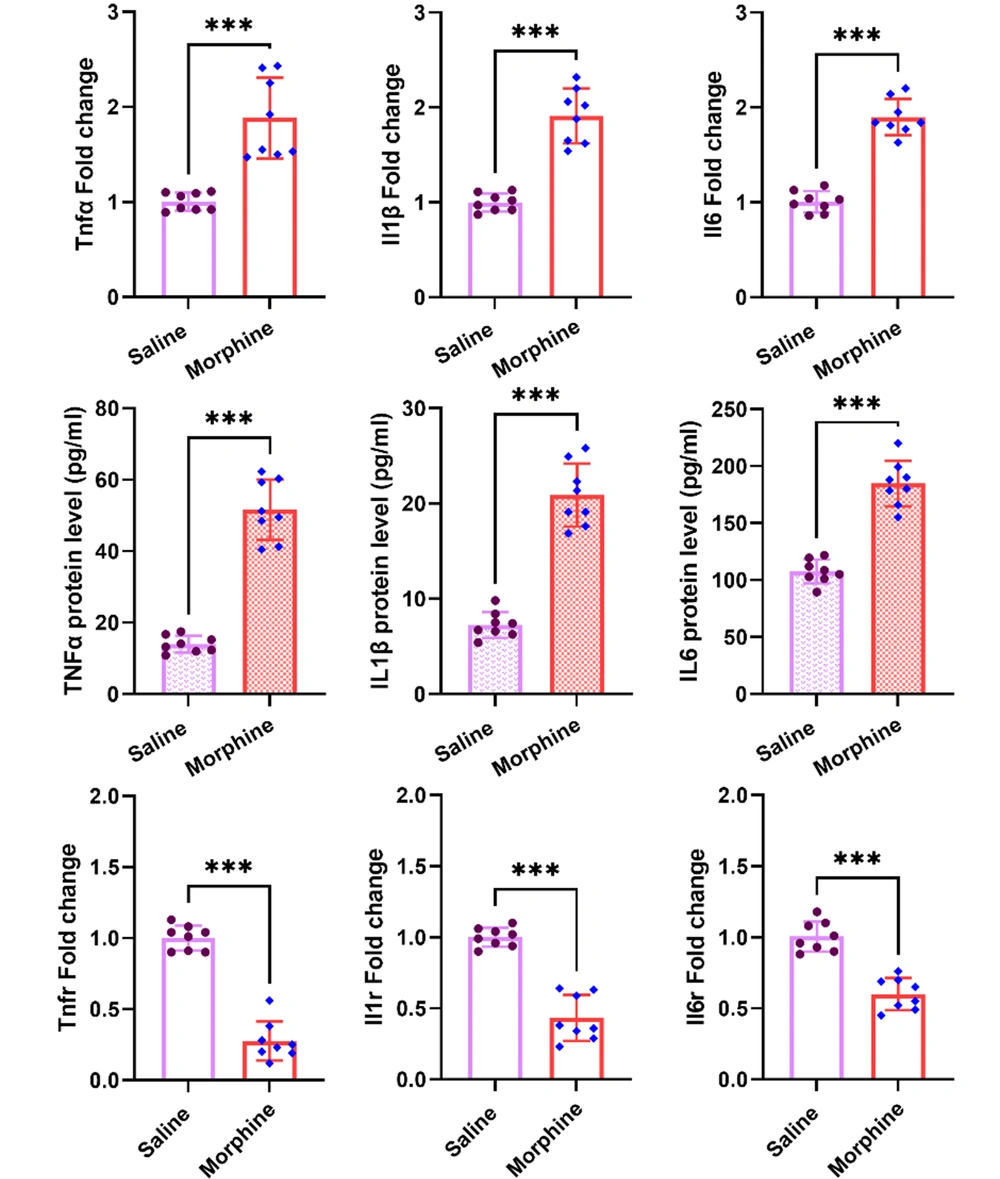
The present results demonstrated that frequent exposure to morphine notably increased the expression of pro-inflammatory cytokines in the ventral striatum. It has also been shown that opioid binding to TLR4 leads to the activation of NF-κB, increasing pro-inflammatory cytokines, including TNFα, IL-1β, and IL-6 (
15). NF-κB regulates opioids and pro-inflammatory cytokines gene expression in neuronal and immune cells, affecting opioid-induced biological responses (
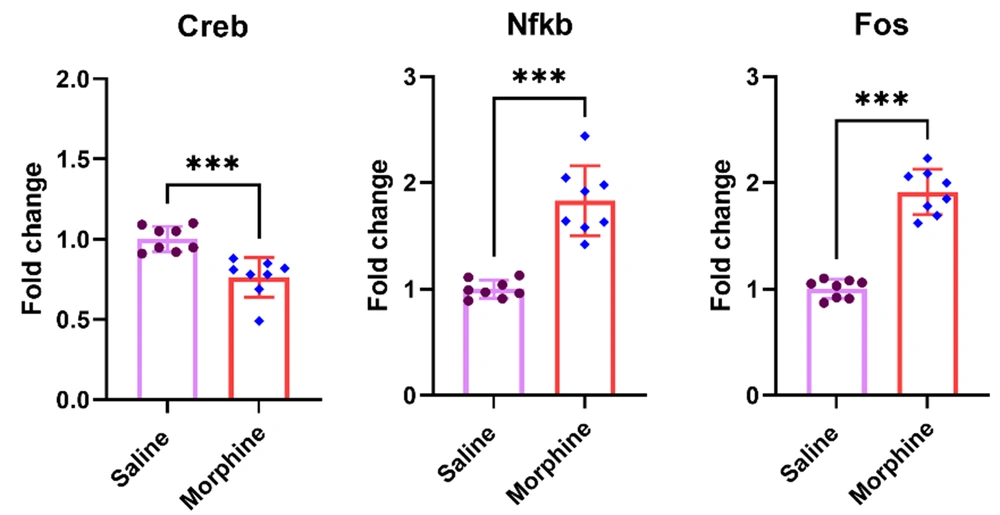
33). Therefore, significant increases in the Nfkb mRNA level in the present experiment may finally mediate upregulations in pro-inflammatory cytokines following frequent morphine exposure in the ventral striatum. Further, FOS is a subunit of the activator protein-1 (AP-1) that drives transcription from different genes, including inflammatory cytokines (
34,
35). Alteration in Fos expression in striatal neurons caused long-term changes in gene expression, mediating changes in brain circuits (
36). There is a reciprocal interaction between IL-1β, TNFα, and c-Fos/AP-1 influencing activity and gene expression resulting in joint destruction in rheumatoid arthritis (
37). NF-κB and AP-1 also have reciprocal modulating effects on each other, affecting the transcription of inflammatory cytokines and other genes (
38). Taken together, chronic morphine treatment via affecting inflammatory cytokines and transcription factors orchestrate transcriptional machinery, leading to changes in striatal circuits. In addition, the significant downregulations of Il1r, Il6r, and Tnfr may reveal a homeostatic adaptation to the significant increases in pro-inflammatory cytokines and subsequent overactivation of the respective receptors. Our results support the idea of using cytokine-sequestration peptides as a potential adjunct to opioid therapy, as proposed by some investigators (
39).
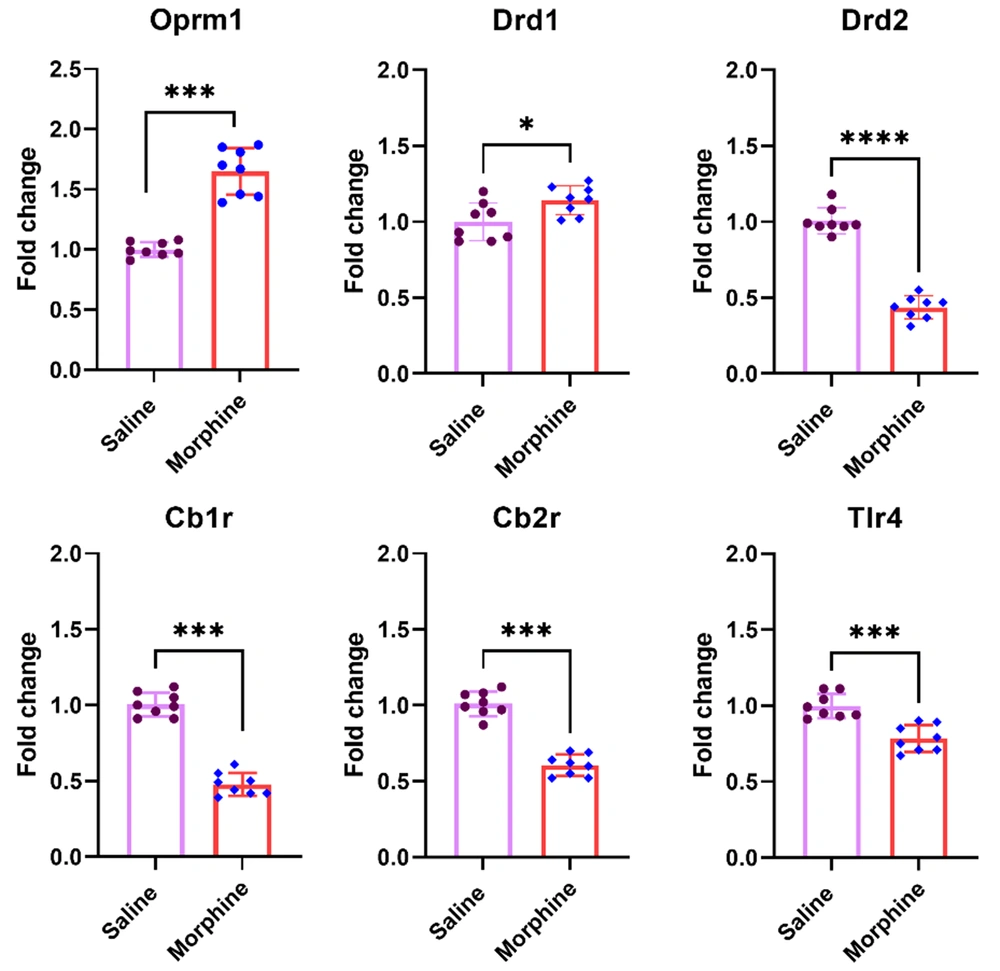
It has been shown that long-term administration of morphine induces desensitization and/or endocytosis of MORs to attenuate input signaling to the cell (
40). However, the increased Oprm1 mRNA due to frequent morphine exposure in the present study may indicate a compensatory mechanism in response to the possible decreases in MORs in the ventral striatum (
41). Further, accumulating evidence also shows that morphine, via binding to TLR4, increases pro-inflammatory cytokines, which partly mediate opioid tolerance and dependence (
6,
42). Edison and Murphy reported that the pharmacological antagonism of TLR4 in the periaqueductal gray matter diminished morphine-induced analgesic tolerance and increased the antinociceptive properties of the drug (
4). Therefore, a decreased level of Tlr4 mRNA may reflect a homeostatic response to the frequent use of the opioid and its binding to TLR4 in the ventral striatum.
Medium-sized spiny neurons (MSNs) in the ventral striatum express DRD1 and DRD2, which are activated by phasic and tonic increases in dopamine levels, respectively (
43). There is some evidence that simultaneous activation of DRD1 and DRD2 in the ventral striatum following an increase in dopamine level leads to maximal reward and reinforcement (
44). The tonic dopamine release in the ventral striatum acts mainly on MSNs via DRD2 (
3). A possible explanation for the present results is that repeated exposure to morphine increases dopamine release more slowly with a tonic pattern in the ventral striatum, causing sustained activation of DRD2 and decreasing the Drd2 gene expression. On the contrary, activation of DRD1 in the ventral striatum needs a phasic increase in dopamine level following a burst firing of dopaminergic afferents (
3). Therefore, an increase in Drd1 mRNA level after chronic morphine exposure may reveal a reduction in the phasic release of dopamine after frequent morphine injections.
Cannabinoid CB1 receptors are co-expressed with MORs in the ventral striatum (
45). Both cannabinoid receptors, including CB1R and CB2R, are significantly involved in drug reward and addiction (
46,
47). Deleting the Cb1r gene in mice has revealed a major influence on MORs accessibility on the dopamine innervation of the ventral striatum (
48). Alterations in Cb1r and Cb2r gene expression in the ventral striatum following frequent morphine injection further support the involvement of cannabinoid receptors in morphine actions and improve this idea that morphine either through MORs and the downstream intracellular signaling cascade or via increases in pro-inflammatory cytokines in the ventral striatum affects gene expression of the cannabinoid receptors. Taken together, based on mRNA levels of Oprm1, Tlr4, Drd2, Cb1r, and Cb2r genes detected in the present study and considering the above-cited reports, we propose that increases in pro-inflammatory cytokines in the ventral striatum due to frequent morphine treatment finally tend to alter the molecular machinery and the responsiveness of the reward pathways to long-term opioid treatment.
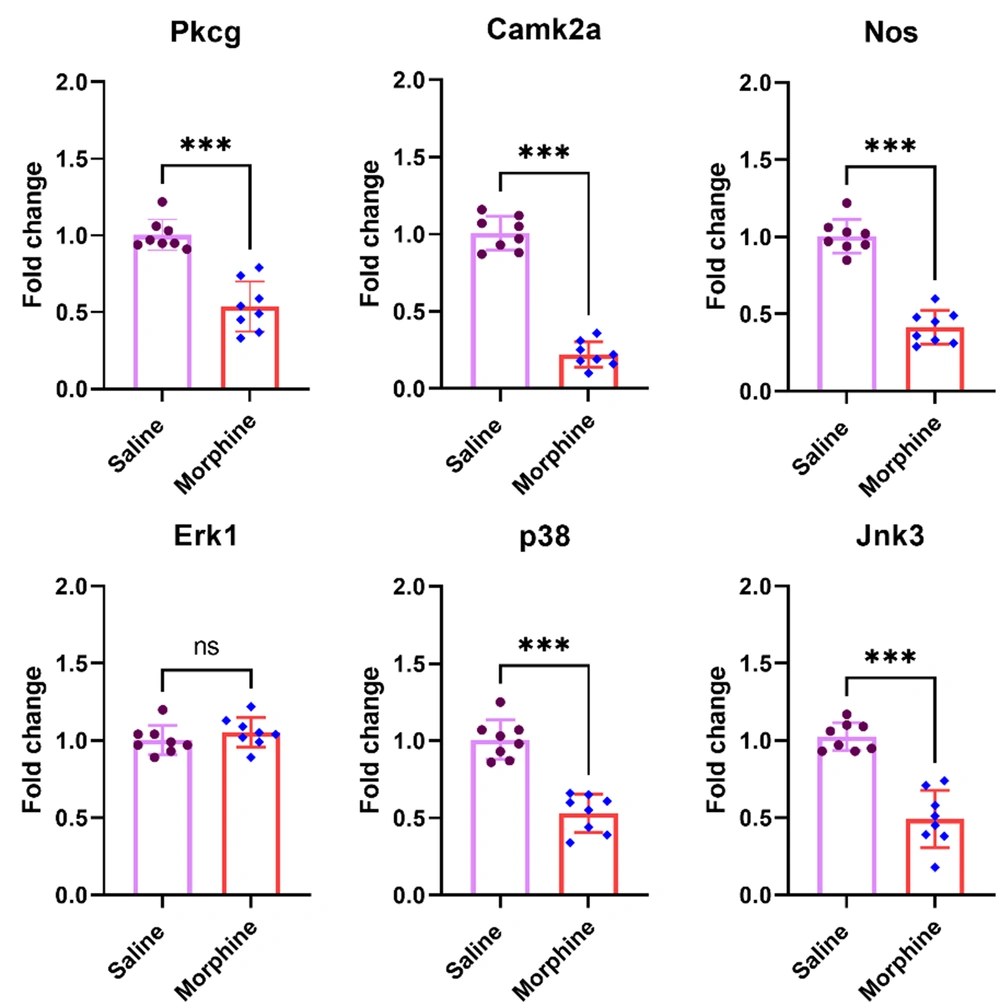
Different protein kinases are involved in neuroadaptive changes in intracellular signaling pathways following chronic morphine treatment. In particular, both protein kinase C (PKC) and calcium/calmodulin-dependent protein kinase II (CaMKII) are involved in the induction of tolerance after chronic morphine treatment (
24). Prolonged exposure to morphine via overactivation of adenylate cyclase and a CREB pathway increases the expression of PKCγ and N-Methyl-D-Aspartate (NMDA) receptors in the spinal cord (
49,
50). Long-term use of morphine impairs cognitive functions (
51,
52), and it has been shown that nitric oxide (NO) has a key role in mediating the adverse effects of morphine on cognitive functions (
53). Chronic morphine treatment decreased iNos expression in the hippocampus, leading to decreased cognitive performance (
54). Therefore, decreases in the expression of Prkcγ, Camk2a, and Nos in the ventral striatum may finally impair cognitive functions following chronic morphine treatment. Further, the CREB family of transcription factors has a key role in memory formation, and their inhibition causes memory impairment (
55). Therefore, we propose that downregulations of Creb and upstream signaling molecules in the ventral striatum in response to chronic morphine exposure have a role in memory impairment induced by opioids.
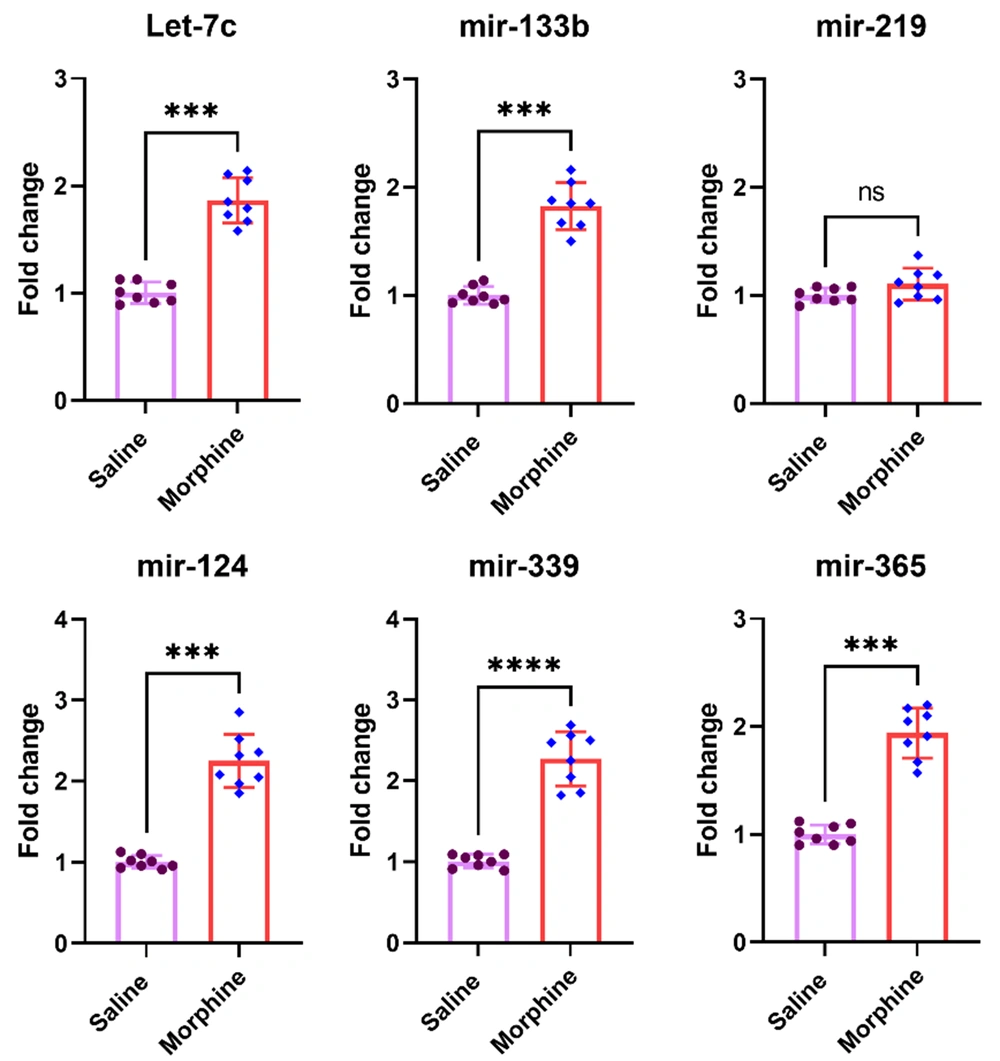
The results of the present experiments revealed that chronic morphine exposure, increased the expression of Let-7c1, mir-124, mir-133b, mir-339, and mir-365 but not mir-219 in the ventral striatum. Morphine significantly upregulated let-7 miRNA expression in a mouse model of opioid tolerance, which was antagonized by decreasing Let-7 miRNA levels by an inhibitor (
56). Based on target prediction for Let-7c1 mature miRNAs in the TargetScan database, we found that Let-7c1 could target Il6r, Tlr4, Creb, and Jnk3 transcripts, suggesting a possible role for Let-7c1 in mediating the decreases in those genes in the ventral striatum. In addition, mature miRNAs derived from mir-124 have the potentials to target Creb, p38α, and Jnk3 transcripts, and the increased level of mir-124 may account for the decreases in these genes in the ventral striatum. Morphine treatment increased miR-339-3p and decreased MOR expression in the hippocampus in mice (
57). However, the increased level of mir-339 in the ventral striatum did not decrease Oprm1 gene expression, suggesting complex mechanisms for controlling Oprm1 gene expression in different brain regions. Wang et al. reported that overexpression of miR-365 through decreasing β-arrestin2 protein in the spinal cord prevents morphine tolerance (
26). Further, Wu et al. reported that miR-365 decreased morphine analgesic tolerance by targeting β-arrestin2 and inhibiting the activation of the ERK/CREB signaling pathway (
58). However, mir-365 significantly increased in the ventral striatum in rats receiving frequent morphine injections. Based on the target prediction evaluations, mir-365 may be involved in the downregulation of Drd2, Tlr4, Il1r, Il6r, and Tnfr gene transcripts. To the best of our knowledge, the present results for the first-time show increases in the examined miRNAs and their possible association with downregulations in the above-mentioned genes in the ventral striatum after chronic morphine exposure in rats. However, a limitation of the current study was lacking protein levels for some of the examined genes to thoroughly investigate their functional role in neuroadaptive changes in the ventral striatum after long-term use of morphine. Therefore, further studies are needed to investigate the functional consequences of the alterations at the mRNA levels in the ventral striatum in response to chronic morphine exposure.
5.1. Conclusions
The current results revealed that chronic morphine exposure caused significant increases in pro-inflammatory cytokines at gene and protein levels in the ventral striatum. Notable increases in the expression of Oprm1, Drd1, Fos, and Nfkb at the mRNA level, as well as expression of specific miRNAs in the ventral striatum, were detected following chronic morphine treatment. Significant downregulations were also detected in Tlr4, Il1r, Il6r, Tnfr, different kinases, and Creb in the ventral striatum following frequent morphine treatment, suggesting that the dysregulations in pro-inflammatory cytokines and the downstream signaling pathways impair physiological functions of the ventral striatum following chronic morphine exposure. Changes at mRNA levels of the examined genes after chronic morphine injections reveal highly specialized roles with possible functional meaning in the induction of neuroinflammation as well as establishing new setpoints in the ventral striatum, affecting the behavioral expressions related to morphine tolerance, dependence, and addiction. Further, miRNAs, especially Let-7-C1, mir-124, and mir-365, play key roles in mediating chronic morphine effects on post-transcriptional levels of the cytokine receptors and downstream signaling pathways, which needs further consideration.