Pestiviral diseases have a great impact on livestock production. Because border disease, common in sheep populations, is not genetically similar to common BVDV strains, the BVDV vaccine is unsuitable for cattle for use in sheep (
4,
16). Unlike BVDV vaccines, the use of anti-BDV vaccines is low, and the vaccines produced are inactivated. Attenuated live vaccines or recombinant subunits for BDV are not commercially available. Pestivirus contaminants of modified live virus vaccines may cause a serious disease following their inoculation in domestic ruminants (
17).
Genetics has been involved in treating pestiviruses in recent years due to the low efficiency and adverse off-target effects of chemical compounds. New studies have been developed on the antiviral gene therapy approaches against these viruses. Accordingly, designing and developing methods for evaluating such treatments is necessary. Therefore, the present study performed the early stages of developing an approach to assess genetic treatments against BDV. One way to evaluate the effectiveness of such molecules is to evaluate them in cell lines expressing the genes they want to suppress. To achieve this goal, the first step is to clone the desired sequences to evaluate the expression change in a suitable vector for transfer to a suitable host cell (
18).
In studies performed for gene therapy against members of the pestiviruses, the NS3 gene has been selected as the target because of the special role of the NS3 protein in the cleavage of the polyprotein and the advancement of the pathogenicity goals of the virus. Therefore, this gene was also selected for cloning into a lentiviral plasmid in the present study. The HELICc and nucleotide binding site conserved domain was chosen. Mokhtari et al. produced MDBK cells expressed BVDV-5′UTR and BVDV-NS3 using lentiviral vectors (
19), used single and multiple siRNA molecules opposed to NS3 CSFV, and showed that viral isolates from different subtypes are inhibited by this method (
20). In the present study, for permanent expression of the target genes, the transduction was performed by a lentiviral vector. Plasmids have also been used for gene expression induction after transfection, although the duration of gene expression is low. Lentiviral vectors induce remarkably sufficient gene expression in their host cells for a long time. Furthermore, LVs possess effective delivery because they potently integrate into the host chromatin, eliminate all the pathogenic genes in the vector, and finally have no interference with the pre-existing antiviral reactions of the immune system. Furthermore, LVs can transmit large nucleotide sequences (3000 bp), and the probability of mutagenesis and carcinogenesis is low after their application (
21-
23).
Given the reasons mentioned above, lentiviral vectors were selected to induce the target gene expression in appropriate cells, and at first, the desired nucleotide fragment was cloned in the lentiviral transfer vector.
As known, pCDH-CMV-MCS-EF1-cGFP-T2A-Puro, selected in the present study, has ampicillin and puromycin resistance genes, both of which are easily and abundantly accessible. On the other hand, this plasmid has a green fluorescent protein gene, which helps us as a marker to evaluate the accuracy of transfection. In addition, strong RSV, CMV, and EF1 promoters are included in the plasmid to express the target gene and GFP. The multiple cloning sites in this plasmid include the cleavage sites of the most restriction enzymes (
24,
25), firstly increasing the potency of LVs (pCDH-CMV-MCS-EF1-cGFP-T2A-puro) and epEGFP-N1 for expression of
HIV-1Nef protein (
26,
27). Ranjibar et al. amplified the Cop-GFP from the pCDH-CMV-MCS-EF1-cGFP-T2A-Puro plasmid for developing a phagemid for the production of mammalian reporter cells (
28).
In the last two decades, many studies have been performed using interfering RNA molecules to reduce gene expression to identify gene function or antiviral therapy against viruses, including
Flaviviridae. However, there is no such study for BDV. Some research evaluating anti-BVDV RNAi has been described since BVDV has a high structural and biological similarity to BDV. More recently, BVDV-1 proliferation has been inhibited by siRNAs that target 5'-UTR, (C), NS4B, and NS5A, and a specific evaluation method has been employed by producing a cell line expressing BVDV subgenomic replicons (
12). Mishra et al. showed the suppressive effects of siRNAs targeting envelope genes and the 5ʹ-UTR of BVDV. In this study, gene expression suppression was monitored using subgenomic replicon-expressing cells (
11). Ni et al. described an shRNA system that effectively inhibits BVDV replication. They prepared BVDV subgenomic replicon expressing cell lines to evaluate shRNAs (
13).
Unfortunately, there is no study about preparing lentivectors carrying BDV genes. Several cell lines expressing genes or subgenomic replicons of some other
Flaviviridae members have been generated and are used to evaluate treatments based on the repression of gene expression. For example, Puig-Basagoiti et al. prepared a cell line expressing the Western Neil's virus sub-replicons after cloning the target gene segments into appropriate plasmids and transfecting them. These cells were successfully used to assess the chemical inhibitors of the WNV epidemic strains (
29). Kumar et al. developed a lentivirus-based shRNA system targeting envelope genes to suppress JEV and WNV (
30). Furthermore, Kumar et al. showed that pseudotyping the lentivirus with RVG enabled the delivery of the transferred gene to the neurons in a cell-specific manner with a lower dose of lentivirus (
31). Henry et al. used lentiviral viruses that expressed NS3, NS5b, and IRES from 5'UTR of HCV to infect the Huh-7 cells (
22).
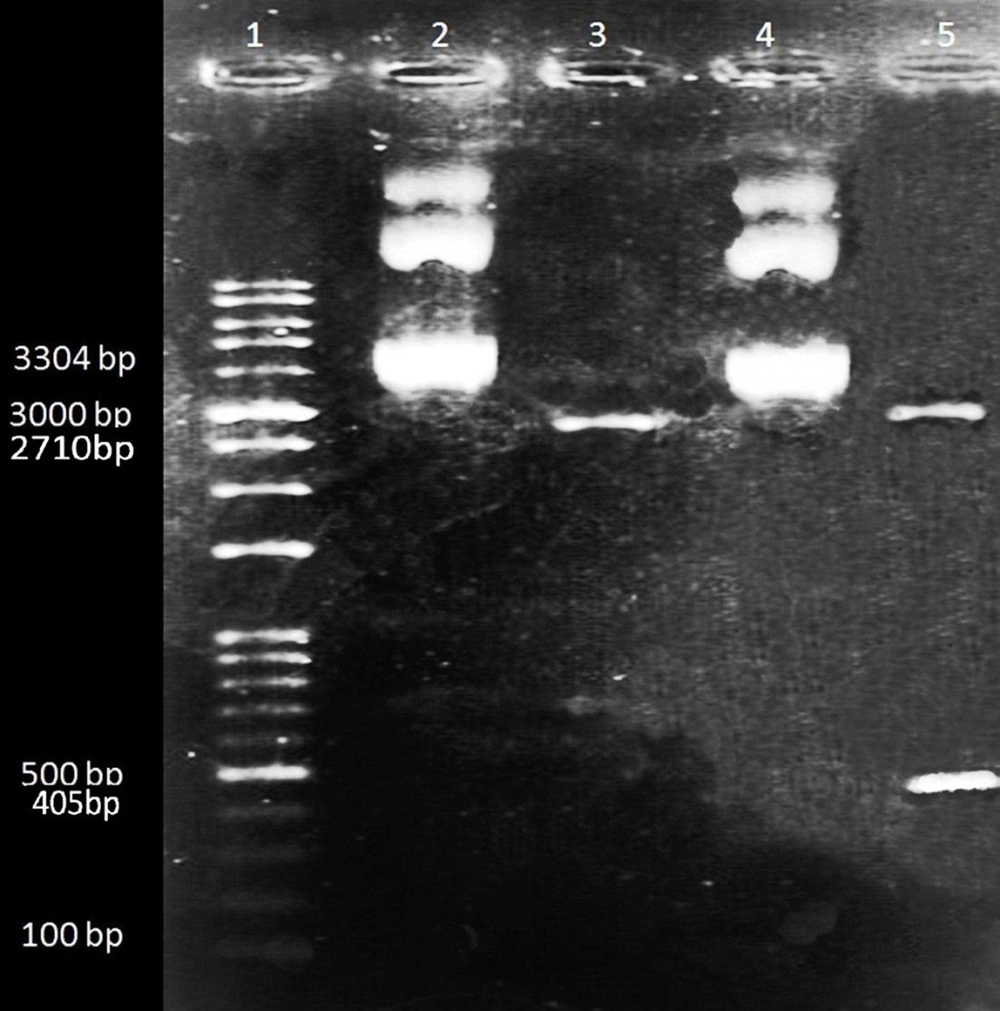
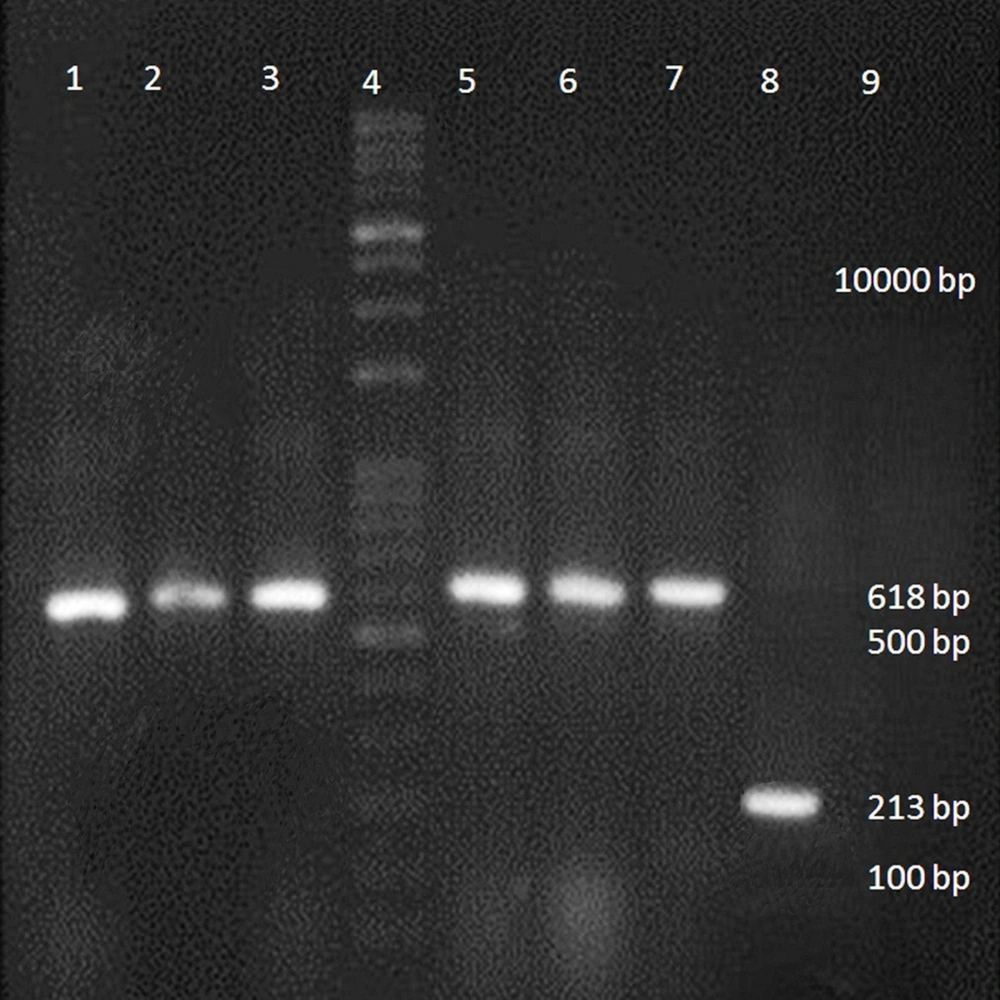
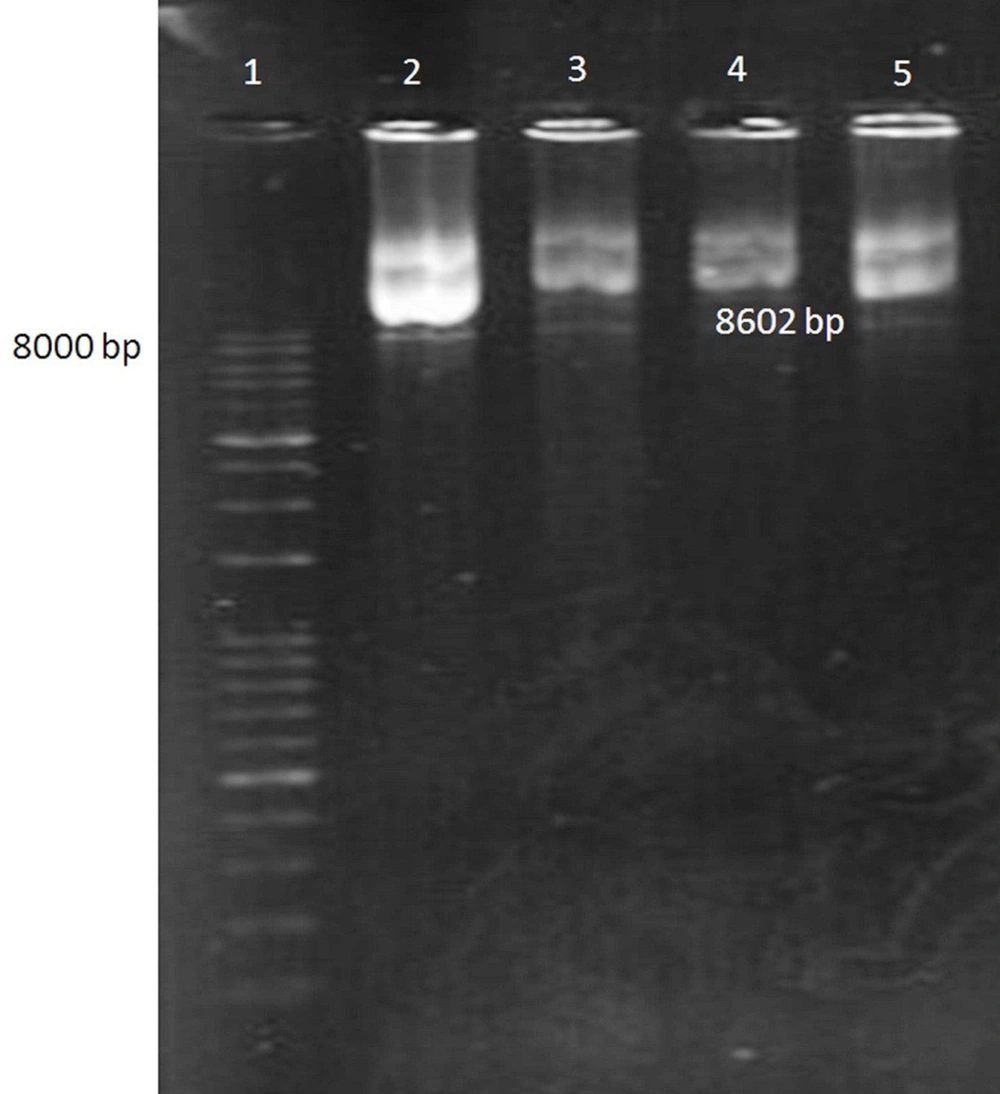
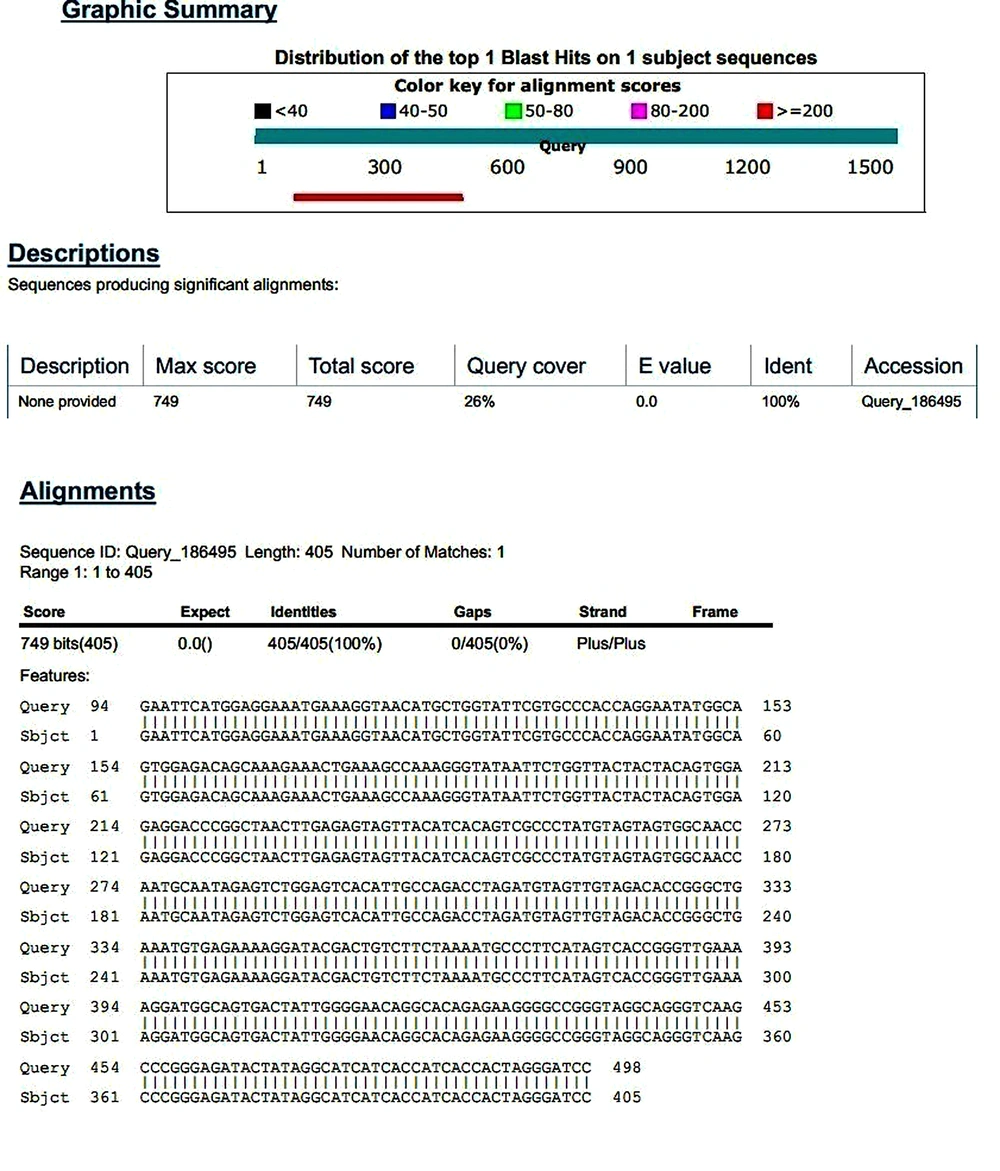
The results of the present study showed that the BDV-NS3 target fragment was successfully cloned in the desired plasmid, and it will be accessible for transfection of the appropriate cell lines using lentiviral packing systems to produce specific reporter cells.