
1. Background
It is widely acknowledged that varying levels of psychologic arousal can have a beneficial impact on performance, such as cognitive exam anxiety and academic performance, particularly in challenging or threatening situations. However, in certain cases, this phenomenon can escalate into mental disorders, including anxiety. Anxiety is a disruptive state characterized by psychological and physiological manifestations, encompassing emotional, behavioral, cognitive, and somatic components. These symptoms affect a significant proportion of the population, ranging from 4 to 6 percent, with variations in forms and intensities (1). These reactions tend to exacerbate during stressful circumstances, such as tests and exams, which are essential assessment tools within educational systems for evaluating and gauging students’ abilities (2). The presence of anxiety has a profound impact on the academic performance of college students (3-5).
According to surveys conducted among college students by the American College Health Association (ACHA, 2015) (6), anxiety has been identified as the primary factor impeding academic success. Exam anxiety arises due to a lack of confidence in academic abilities (7). Consequently, it engenders cognitive disruptions in attentional processes and intrusive thoughts, thereby impeding the learning process, diminishing academic performance, and leading to dissatisfaction with the course and university (7). Anxiety continues to be a significant social concern, and the literature lacks sufficient evidence on effective treatments for anxiety, specifically among college students (2, 5, 7-11). Therefore, there is a pressing need to develop interventions that effectively reduce anxiety and stress, thus mitigating their adverse consequences on college students, particularly prior to their exams (8).
Pharmacotherapy, cognitive behavioral therapy, and complementary and alternative medicine are among the primary treatment approaches for managing anxiety symptoms. Challenges such as the limited availability of trained professionals and the associated costs of appointments and prescription medications can hinder compliance rates (9-11) for pharmacotherapy and cognitive behavioral therapy (11). However, complementary and alternative modalities offer accessible and cost-effective alternatives (2, 12).
Some studies propose that certain college students seek accessible, cost-effective, and low-risk treatment strategies to manage their anxiety symptoms (13). In this regard, complementary and alternative medicine approaches can be considered as an effective therapeutic option for addressing anxiety among college students.
One of the most common complementary and alternative modalities in this field is aromatherapy (13-16). Aromatherapy involves the use of organic plant materials, including essential oils and other aromatic compounds, to enhance mood, cognitive function, and overall well-being (16). For instance, in patients undergoing hemodialysis, rose water aromatherapy has shown a significant reduction in anxiety (17).
Throughout history, aromatherapy has been utilized to enhance the physical and emotional well-being of individuals through the use of fragrances derived from various plant parts. In contemporary times, aromatherapy has emerged as a prominent field within medical science and complementary medicine, offering potential benefits such as healing, relaxation, and increased vitality for the general population. The aromatic compounds are believed to stimulate the olfactory nerves, thereby influencing the limbic system (18). Aromatherapy employs high-quality oils that can be absorbed into the body through the skin or inhalation (19). As a rapidly developing field of alternative medicine, aromatherapy has the potential to mitigate, alleviate, or prevent diseases and imbalances by inhaling aromas or volatile substances (20). Previous research has demonstrated that aromatherapy may serve as a potential approach for reducing anxiety, offering advantages over pharmacological therapies by avoiding unwanted side effects (21, 22). Various essential oils with anxiolytic properties, including rose, lemon, orange, bergamot, lavender, sandalwood, clary sage, Roman chamomile, and geranium, have been utilized in treatment (23-28).
2. Objectives
The objective of the present study was to assess the effects of lavender and orange aromas, known for their anxiolytic properties, on exam anxiety among pharmacy students at Mashhad University of Medical Sciences.
3. Methods
3.1. Materials
Commercially available orange, lavender, and fennel aromas were procured from Iran Essence Company (Tehran, Iran). Aromatherapy was facilitated using Shamim air freshener devices (Tehran, Iran), which had dimensions of 18 × 12 × 25 and weighed 4 kg. These devices were employed for aroma dispersion in a designated area of 300 m3.
3.2. Study Design
This pilot double-blind, randomized clinical trial was conducted to assess the impact of aromatherapy on exam anxiety among pharmacy students. The primary inclusion criterion was the enrollment of students without any olfactory disorders who were scheduled to take one of the final exams in Medicinal Chemistry II, Hospital Pharmacy II, Pharmacotherapy I, or Pharmacology.
Demographic and clinical information was collected through self-report and medical records. Exclusion criteria included a history of mental illness or depression, acute anxiety induced by crises such as the loss of a loved one, the need for anxiety medication, or a family history of mental disorders. Additionally, students with asthma or other acute airway diseases that could be aggravated by aromatherapy, known allergies to inhale orange, lavender, or fennel essential oils, and those with acute or chronic major medical illnesses were not eligible to participate.
All students provided informed consent prior to their enrollment in the study. Demographic data, including age, gender, type of exam, and year of entry, were collected and recorded for each participant one week prior to the intervention. The primary outcome measure was the change in Sarason scores between baseline and 15 minutes after the intervention. The protocol of this clinical trial was approved by the Institutional Review Board and the local ethics committee under the code IR.MUMS.SP.1394.27.
3.3. Data Collection Tools
The experiment involved the participation of volunteer students who completed a validated and reliable questionnaire, namely the Persian-language version of Sarason’s Test Anxiety Scale questionnaire, to assess their exam anxiety levels (29). The questionnaire consisted of 37 items with yes/no response options, and scores were categorized as follows: 12 or less for low anxiety, 13 to 20 for moderate anxiety, and 21 or more for severe anxiety. Baseline stress scores were recorded for each student one week prior to the exam, and post-intervention scores were obtained after 15 minutes of aroma inhalation on the day of the exam. In addition to the Sarason’s Test Anxiety Scale questionnaire, demographic questions were included to gather information such as age and gender.
3.4. Randomization and Masking
A block randomization design was employed to allocate participants into three groups: The orange aroma group (n = 90), the lavender aroma group (n = 90), and the fennel aroma group (n = 90) in a 1: 1 ratio. The treatment allocation was performed using a computer-generated randomization list. The participants, investigators, and statisticians involved in the study were blinded to the treatment assignments.
To partially control for the influence of the type of exam on anxiety severity, randomization of sampling and exam types was employed. The specific course examinations, namely medicinal chemistry II, hospital pharmacy II, and toxicology pharmacology were randomly selected. Random sampling was also utilized to ensure the inclusion of individuals without diagnosed mental illness across the different groups. Additionally, confounding factors such as gender and physical activities were taken into account during the analysis.
3.5. Intervention
The students, enrolled in various exams as previously mentioned, were randomly allocated to three groups based on their year of entry into the university using computational randomization. Participants in the aromatherapy groups underwent the intervention in identical classrooms with consistent dimensions and physical characteristics. The rooms were sealed fifteen minutes prior to the aromatherapy session and remained closed until the completion of the intervention. During the exam session, in the aromatherapy groups, fifteen drops of orange, lavender, or fennel essential oil, known for their potential to reduce anxiety, were added to one liter of water. The solution was diffused into the room space using Shamim air freshener devices, and humidifiers, for a duration of fifteen minutes. The choice of a 15-minute duration for the aromatherapy intervention was based on previous research indicating that the calming effects of aromatherapy can be observed within minutes of inhaling the essential oil (30, 31).
The Sarason questionnaire was administered to the students for completion during the intervention period. The study intervention and data collection were conducted prior to the students’ exams.
3.6. Outcome Criteria
The primary outcome measure was the change in Sarason questionnaire scores between baseline and post-aromatherapy. Secondary outcomes included exam outcomes (scores). The investigator also accounted for confounders such as age, year of entry, and type of exam content. Additionally, the potential adverse effects of aromatherapy were assessed.
3.7. Sample Size
A pilot analysis was performed on 15 individuals to determine the sample size. Subsequently, the sample size was calculated to be 36 subjects per category based on a power test of 0.8, a confidence level of 95%, and a clinical significance level of d = 8, using the formula and under the supervision of a statistical professor. The study employed an available-purposive sampling approach. The primary objective of this pilot study was to determine sample sizes for future studies investigating the effectiveness of aromatherapy interventions in reducing Sarason’s exam anxiety score. The eligible participants were randomly allocated to either the inhalation aromatherapy group or the placebo inhalation group.
3.8. Statistical Analysis
Statistical analysis was performed using Statistical Package for the Social Sciences (SPSS) (version 21) for Windows (SPSS, Inc., Chicago, IL, USA). The normality of quantitative variables was assessed using the Kolmogorov-Smirnov test, and parametric tests were applied to normally distributed data. Nonparametric equivalent tests were used for variables that did not follow a normal distribution. One-way analysis of variance (ANOVA), or the Kruskal-Wallis test, was used to compare the main variables among the three groups, depending on the normality of the data. Paired t-tests were used to compare within-group differences before and after the intervention. A significance level of P < 0.05 with a 95% confidence interval was considered statistically significant for all tests. Age and gender were included as covariates in the statistical models to examine their potential effects on the outcome variables. Regression analyses were conducted to explore the relationship between predictor variables and outcomes, adjusting for the effects of age and gender. Sensitivity analyses were performed to assess the robustness of the findings when including or excluding these variables.
4. Results
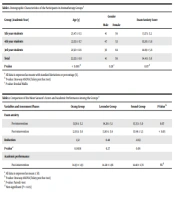
Table 1 presents the age, gender, and mean anxiety scores of the study population, categorized by year of university entrance. The results in Table 1 indicate that, except for age, there were no statistically significant differences among the remaining parameters. Table 2 displays the comparison of groups before and after the aromatherapy intervention in terms of exam anxiety scores and academic performance. After the intervention, no statistically significant differences were observed, except for the group exposed to the orange aroma, which showed a significant reduction in anxiety scores compared to the pre-aromatherapy period. Moreover, there were no statistically significant differences in mean exam scores (regardless of the type of exam) as an indicator of academic performance between the study groups after aromatherapy (P > 0.05). After adjusting for age as a confounding factor, no significant differences were found among the three study groups.
Table 1.
Demographic Characteristics of the Participants in Aromatherapy Groups a
| Group (Academic Year) | Age (y) | Gender | Exam Anxiety Score | |
|---|---|---|---|---|
| Male | Female | |||
| 5th year students | 23.47 ± 0.5 | 41 | 59 | 13.17 ± 5.2 |
| 4th year students | 22.53 ± 0.7 | 47 | 53 | 15.20 ± 5.8 |
| 3rd year students | 21.56 ± 0.6 | 36 | 64 | 14.89 ± 5.6 |
| Total | 22.52 ± 0.6 | 41 | 59 | 14.41 ± 5.6 |
| P value | < 0.001 b | 0.28 c | 0.07 b | |
a All data is expressed as means with standard deviations or percentage (%).
b P-value: One-way ANOVA (Tukey post hoc test)
c P-value: Kruskal Wallis
Table 2.
Comparison of the Mean Sarason’s Scores and Academic Performance Among the Groups a
| Variables and Assessment Phases | Orang Group | Lavender Group | Fennel Group | P-Value b |
|---|---|---|---|---|
| Exam anxiety | ||||
| Pre-intervention | 13.36 ± 5.2 | 14.28 ± 5.1 | 15.35 ± 5.0 | 0.07 |
| Post-intervention | 12.03 ± 5.6 | 13.80 ± 5.9 | 15.99 ± 5.3 | < 0.05 |
| Reduction | 1.32 | 0.48 | -0.63 | |
| P-value c | 0.0001 | 0.27 | 0.06 | |
| Academic performance | ||||
| Post-intervention | 14.93 ± 1.93 | 14.28 ± 1.96 | 14.48 ± 1.78 | NS d |
a All data is expressed as mean ± SD.
b P-value: One-way ANOVA (Tukey post hoc test)
c P-value: Paired t-test
d Non-significant (P > 0.05)
The impact of each aroma on different entrance admission categories and exam content was examined and is presented in Table 3. For the 5th-year students taking the hospital pharmacy two lessons, none of the aromas demonstrated the ability to control exam anxiety or reduce its levels. In the group of 5th-year students taking the biopharmaceutical lesson, the statistical analysis revealed that fennel increased exam anxiety significantly (P-value = 0.02). In the case of 4th-year students taking the medicinal chemistry course, only the orange aroma exhibited a significant reduction in exam anxiety (P-value = 0.007). Lastly, for 3rd-year students taking the pharmacology course, it was observed that only the orange aroma effectively reduced exam anxiety (P-value < 0.001).
Table 3.
Between- and Within-group Comparison of Exam Anxiety Scores Among the Three Different Aromatherapy Groups a
| Academic Year | Type of Exam | P-Value (Within Group Comparison) b | |
|---|---|---|---|
| Pre-intervention Score | Post-intervention Score | ||
| 5th year students/Hospital pharmacy 2 | |||
| Lavender | 14.00 ± 6.0 | 14.33 ± 6.767 | 0.49 |
| Orange | 11.42 ± 4.2 | 11.71 ± 5.457 | 0.74 |
| Fennel | 14.18 ± 4.9 | 14.68 ± 5.008 | 0.60 |
| P-value (Between groups comparison) c | 0.17 | 0.21 | |
| 5th year students/Biopharmacy | |||
| Lavender | 14.00 ± 4.5 | 14.08 ± 6.9 | 0.94 |
| Orange | 12.08 ± 4.1 | 11.28 ± 5.6 | 0.19 |
| Fennel | 14.18 ± 3.7 | 16.23 ± 5.0 | 0.02 |
| P-value (Between groups comparison) c | 0.22 | 0.03 | |
| 4th year students/Medicinal chemistry II | |||
| Lavender | 15.00 ± 4.9 | 14.17 ± 5.1 | 0.38 |
| Orange | 14.81 ± 6.6 | 12.86 ± 6.6 | 0.007 |
| Fennel | 15.81 ± 6.1 | 15.71 ± 6.0 | 0.88 |
| P-value (Between groups comparison) c | 0.85 | 0.32 | |
| 4th year students/Pharmacotherapy I | |||
| Lavender | 14.08 ± 4.3 | 13.25 ± 5.4 | 0.40 |
| Orange | 14.57 ± 5.1 | 12.81 ± 5.4 | 0.02 |
| Fennel | 16.29 ± 3.8 | 15.90 ± 5.0 | 0.57 |
| P-value (Between groups comparison) c | 0.26 | 0.14 | |
| 3rd year students/Pharmacology | |||
| Lavender | 14.32 ± 5.8 | 13.09 ± 5.4 | 0.06 |
| Orange | 14.18 ± 5.2 | 11.79 ± 5.4 | < 0.001 |
| Fennel | 16.36 ± 5.8 | 17.41 ± 5.5 | 0.12 |
| P-value (Between groups comparison) c | 0.39 | 0.005 | |
a All data is expressed as means with standard deviations
b P-value: Paired t-test
c P-value: One-way ANOVA (Dunnett post hoc test)
5. Discussion
Our findings indicate that aromatherapy using an orange aroma, but not lavender significantly reduces exam anxiety. To the best of our knowledge, this is the first study to explore the use of orange aroma for controlling exam anxiety. Linalool is a significant component present in both orange (Citrus sinensis) and lavender (Lavandula angustifolia), comprising approximately 18 - 46% of their essential oils (32). It has been suggested that the (R)-(–)-enantiomer of linalool is responsible for the anxiolytic effects, although not through modulation of the gamma-aminobutyric acidA (GABAA) receptor (33, 34).
Lavender exerts its effects by reducing serum cortisol levels and eliciting relaxation sensations, as well as improving coronary flow velocity (35). Park and Lee conducted a study involving nursing students to investigate the impact of inhaled lavender aroma and other aromas on anxiety (36). Their findings indicated that aromatherapy had a beneficial effect on anxiety perception, physical symptoms, and anxiety levels. Similarly, research conducted by Bekhradi and Vakilian on the use of lavender aroma for exam anxiety in female nursing students demonstrated a higher proportion of anxiety-free students in the intervention group compared to the control group (37). Furthermore, the inhalation of lavender oil among nursing students was associated with a reduction in exam anxiety (8). In contrast to these studies, our investigation did not observe a significant effect of lavender on exam anxiety. Consistent with the study conducted by Jafarbegloo et al. (38), our findings suggest that inhalation of aromatherapy with lavender essential oil does not yield positive effects on students’ exam anxiety.
Our study aligns with the research conducted by Khoshkesht et al. on the impact of lavender aroma on exam anxiety in nursing students (39). Their findings indicated that aromatherapy did not have a significant effect on exam anxiety levels, although anxiety levels may decrease over time (39). Tahmasebi et al. conducted a study on individuals with cardiovascular disease (40), reporting that lavender aromatherapy could reduce anxiety prior to angiography. In our study, however, the effect of lavender on anxiety reduction was not statistically significant. It is worth noting that while the mean age of our participants was approximately 23.5 years, Tahmasebi et al.’s study included subjects over the age of 30 (40). Factors such as age, gender, and the severity of anxiety may potentially influence the efficacy of aromatherapy. Additionally, a multicenter randomized controlled trial conducted by Zell et al. on cancer patients concluded that massage with aromatherapy was not effective in preventing depression and anxiety in this population (41). On the other hand, inhalation of lavender aroma has shown potential benefits in reducing anxiety in pre-operative patients (41).
Our study aligns with the research conducted by Jafarzadeh et al. and colleagues, who found that orange aroma is effective in reducing anxiety in children undergoing dental treatment at the dentist’s office (42). Inhalation of orange aroma was found to reduce salivary cortisol secretion and help control anxiety. The mechanism through which these aromas reduce student anxiety may involve their effects on glucocorticoid receptors. Additionally, aromatherapy with an orange aroma during childbirth has been shown to reduce anxiety (41). The effects of sweet orange aroma have also been studied in animal models, demonstrating significant effects, particularly at higher doses, with acute anxiolytic activity observed (43). Similar to the findings of Goes et al., who concluded that sweet orange aroma has anti-anxiety effects, our study also revealed the anti-anxiety effects of orange aroma (44). Orange aromatherapy has been found to be a beneficial complementary medical treatment for managing anxiety in children with diabetes (45) and reducing pain and anxiety in patients with limb fractures (45). However, limited studies have investigated the effects of orange aromatherapy on exam anxiety and academic performance. Our study demonstrated the positive effect of orange aromatherapy on reducing exam anxiety and improving academic performance. Orange essential oil is widely used in aromatherapy practice and is believed to enhance energy levels, mood, and focus. It has been documented that aromatherapy can improve work performance by regulating the autonomic nervous system (46).
According to research evidence, specific essential oils have a direct impact on the central nervous system (47). Orange essential oil is considered an olfactory stimulant (48). It acts as a central nervous system stimulant, possibly by affecting the amygdala and limbic system, thereby increasing alertness and concentration. Overall, the orange essential oil has the potential to induce both physiological and psychological relaxation. In anxious exam students, it may enhance exam performance by promoting alertness and concentration.
In our study, a slight anxiogenic effect of fennel was observed. Despite the commonly used fennel as an herbal remedy for stress and anxiety reduction, this finding can be justified by several factors (49, 50). The authors highlight that the effects of essential oils can vary, influenced by factors such as the specific chemical constituents of the oil and individual variations in response. While some studies have suggested the anxiolytic effects of fennel essential oil, the findings are not consistently replicated, necessitating further research to comprehensively ascertain its potential benefits and limitations in anxiety management (50).
5.1. Conclusions
Aromatherapy with an orange aroma but not a lavender aroma demonstrated a significant effect in reducing exam anxiety. Furthermore, the administration of orange aroma did not result in any reported adverse events by the students. Orange aromatherapy, as a non-pharmacological and non-invasive intervention, proves beneficial in reducing exam anxiety and enhancing academic performance. Considering the significance of exam anxiety and its prevalence among students, further research is warranted to gain a better understanding of the efficacy of orange and lavender aromas in managing exam anxiety.