
1. Background
Parkinson disease (PD) is among the most common progressive neurodegenerative disorders in older adults. It results from reduced dopamine levels in the brain and is characterized by symptoms such as tremor, muscle rigidity, bradykinesia, and postural instability (1). These impairments lead to changes in gait patterns, reduced step length and step speed, and, ultimately, an increased risk of falls, thereby substantially affecting patients’ general health and quality of life (2).
According to the Global Burden of Disease Study 2021, the global prevalence of PD in 2021 was estimated at approximately 11.77 million people, and the number of years lived with disability attributable to this disease has more than doubled over the past 3 decades, a trend observed in both developed and developing countries (3). Numerous studies indicate that balance disorders and motor impairments can occur in the early stages of the disease and may even serve as predictive indicators of disease progression and disability level (4). Therefore, rehabilitation interventions play an important role in managing these disorders and improving patients’ quality of life (5).
Alongside pharmacological treatments, various nonpharmacological interventions have been proposed to improve motor function and balance. Static stretching, when applied long term to muscles and connective tissues, can induce significant changes in the mechanical properties of soft tissue. Recent studies have shown that these interventions not only increase joint range of motion but also reduce muscle stiffness. This is particularly important for individuals with PD, because muscle rigidity, a hallmark of the disease, can exacerbate motor limitations (6). Specifically, a systematic review in 2025 showed that stretching exercises in patients with PD help improve some motor symptoms, although effects on gait and neuromuscular function were not demonstrated (7).
Strong evidence supports the effects of static stretching exercises from a mechanical perspective in older adults. In a study of older adults who performed static stretching exercises for 10 weeks, ankle dorsiflexion range of motion significantly increased and tissue stiffness decreased. However, the researchers attributed these changes primarily to increased stretch tolerance rather than deep structural changes in the tissue (8). New approaches, including NASM, OSAR, and Kesh Patel, have suggested that muscle preparation with myofascial release techniques, such as foam rolling and targeted massage, before static stretching can enhance stretching effectiveness. Based on evidence from systematic reviews and meta-analyses, foam rolling or myofascial release before stretching can have positive effects on increasing range of motion and reducing tissue stiffness when combined with static stretching (9).
Massage, a manual therapy method for muscles and soft tissues, reduces pain, relieves muscle tension, and improves neuromuscular responses by increasing blood flow, accelerating repair processes, and stimulating mechanoreceptors (10). Evidence has shown that massage helps release muscular and fascial tissues, reduces stiffness, and improves the viscoelastic properties of tissue (11). Massage therapy is one of the complementary and alternative methods for managing symptoms of PD and has had positive effects on motor function and quality of life in patients (12). Findings from systematic reviews indicate that massage therapy can improve motor symptoms in patients; for example, a meta-analysis including 363 patients with PD showed that massage therapy had a significant effect on improving motor function compared with the control group (13).
In another study conducted at the University of Miami and Duke University, patients who received two 30-minute massage sessions per week for 5 weeks experienced improvements in daily functioning and sleep quality, as well as reduced levels of stress hormones, including norepinephrine and epinephrine, in urine samples (14). Massage is also effective in relieving pain and increasing range of motion by improving blood flow, increasing flexibility, reducing joint stiffness, and decreasing muscle tension (15). Various studies, including research on traditional Japanese massage (Anma), Thai massage, neuromuscular massage therapy, and classical massage, have confirmed the effectiveness of these methods in reducing tremor and muscle stiffness and in increasing gait speed (13, 15). Furthermore, massage therapy has positive effects on nonmotor symptoms such as anxiety, mood disturbances, sleep disturbances, and fatigue (14). However, massage therapy alone is not considered a definitive treatment for PD and is recommended only as a complementary method alongside standard pharmacological treatments and physiotherapy.
In recent years, the use of soft tissue release tools, particularly foam rolling, has gained attention as a novel rehabilitation approach. Foam rolling, a self-massage-based method, produces effects similar to massage therapy by applying direct and controlled pressure to muscles and fascia. Research has shown that regular use of foam rolling reduces muscle stiffness and improves the viscoelastic properties of tissues, which in turn may improve movement and muscle function (16). Furthermore, Golgi tendon organ stimulation through foam rolling can accelerate muscle relaxation after physical activity and create a feeling of relaxation in the limbs (17). Recent systematic reviews also indicate that foam rolling increases range of motion and reduces pain and pressure sensitivity (18). From a physiological perspective, existing evidence indicates that foam rolling improves pain perception and motor function through changes in pain threshold, reductions in muscle tension, and neuromodulatory effects via central and ganglionic pathways (19).
Despite supportive evidence for each of these interventions alone, systematic reviews and recent studies indicate that available data on the immediate and comparative effects of massage, foam rolling, and their combination with static stretching on balance, motor function, and gait pattern in older adults with PD remain limited.
2. Objectives
New rehabilitation approaches, including the NASM model, emphasize the need to perform soft tissue release before stretching interventions. Accordingly, the present study aimed to address this gap by evaluating the acute effects of massage and foam rolling, alone and in combination with static stretching, on selected lower-limb muscles and on outcomes related to balance, motor function, and gait in older adults with PD. The results of this study may provide a scientific framework for designing short-term, low-cost, and efficient rehabilitation interventions to reduce fall risk and improve daily functioning in this population.
3. Methods
3.1. Subjects
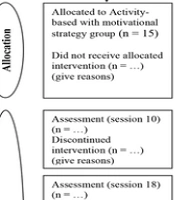
This quasi-experimental study employed a pretest-posttest design without a control group. Based on an a priori power analysis conducted using G*Power (power = 0.80, effect size = 0.60, α = 0.05), 30 older adults with PD were recruited through convenience sampling from rehabilitation centers and specialized geriatric clinics. Following baseline assessments, participants were randomly allocated to a massage group (n = 15) or a foam rolling group (n = 15).
A control group was not included because of the acute nature of the interventions and the difficulty of recruiting a homogeneous sample of older adults with PD who met the eligibility criteria. To minimize potential carryover effects, a 2-week interval was maintained between intervention phases.
Eligible participants were older than 60 years, had a confirmed diagnosis of PD, were able to perform stretching exercises and walk independently, and had no contraindications to massage or myofascial release techniques. Participants with acute musculoskeletal injuries, uncontrolled cardiovascular conditions, severe pain, or other medical issues that could interfere with participation were excluded. All participants provided written informed consent before enrollment.
All assessments and interventions were conducted at the participating rehabilitation centers under medical supervision. No adverse events were reported, and no participants withdrew from the study (Figure 1).
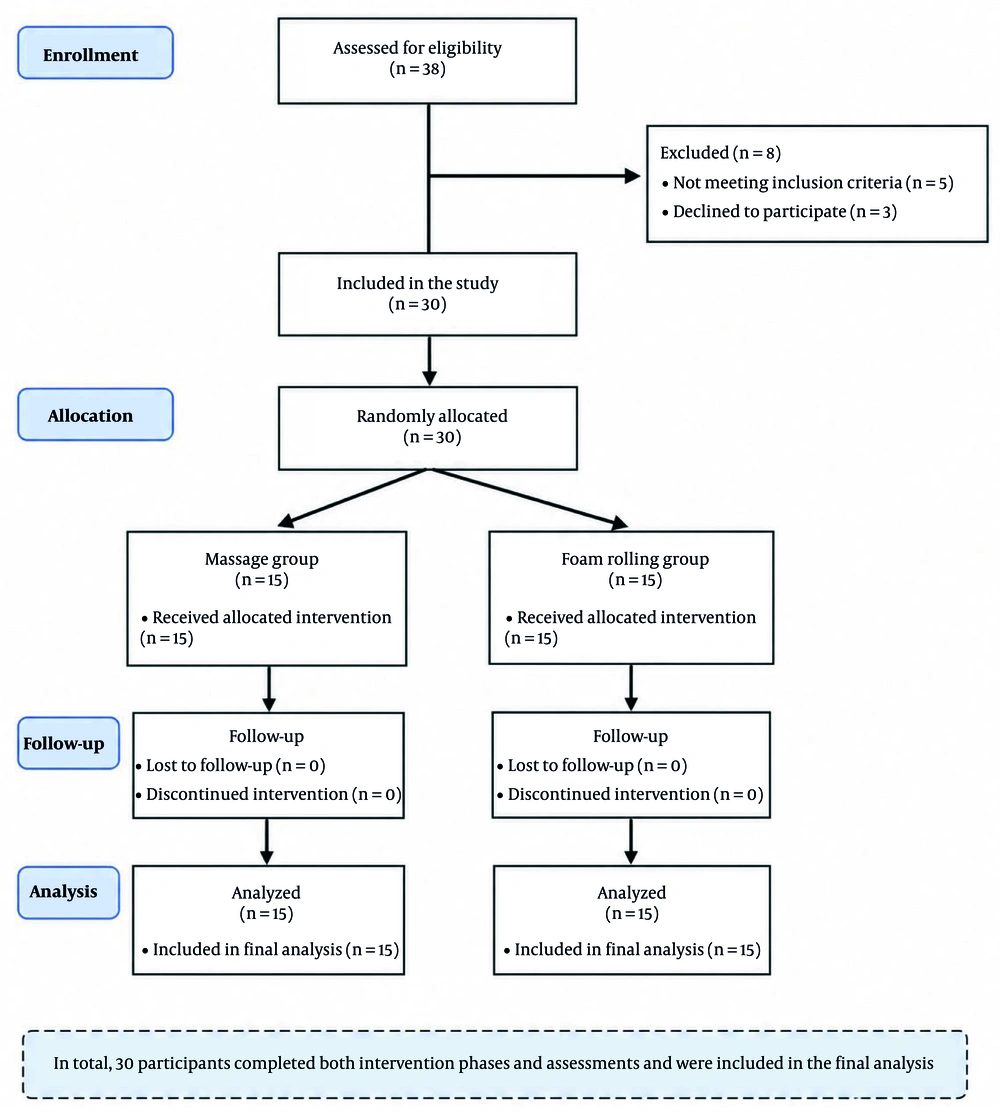
Figure 1.
Consult diagram
3.2. Apparatus and Task
Balance was assessed using the Short Form of the Berg Balance Scale, which includes 9 items from the 14-item full Berg Balance Scale. This scale has been reported to have high convergent validity and internal consistency in older adults and patients with PD (20). The Short Berg Balance Scale assesses static balance, including single-leg stance and tandem stance, and dynamic balance, including reaching forward with an outstretched arm, transferring, standing up from a seated position, turning 360 degrees, placing alternate feet on a stool, and picking up an object from the floor (20).
Gait was assessed using the TUG test, which measures the time required to rise from a chair, walk 3 meters, turn, return, and sit down again (21).
Motor function was assessed using the single-leg stance test to evaluate static balance control in older adults (22).
Lower-body flexibility and hamstring muscle flexibility were assessed using the sit-and-reach test. The reliability of this test has been confirmed in numerous studies (23).
Knee proprioception was assessed using the joint position sense test, which measures angle reconstruction error with a manual inclinometer. This method has been reported to have acceptable intra-rater and inter-rater reliability for proprioception assessment (24).
3.3. Procedure
After completion of the screening process, delivery of educational sessions, and provision of informed consent, participants' demographic characteristics were recorded during the baseline phase before the first intervention. Subsequently, all participants completed the predetermined assessment battery, and all test outcomes were systematically documented to enable stage-by-stage comparison and detailed evaluation of intervention-related changes.
The intervention was implemented in 2 phases. In phase 1, participants received either massage therapy or foam rolling as isolated interventions. All procedures were administered by a therapist with expertise in massage and exercise therapy in geriatric rehabilitation. Before study initiation, the therapist was trained in the standardized protocol to ensure consistent and uniform delivery of the interventions.
The massage protocol consisted of superficial manual massage of the lower limbs, including the anterior and posterior thigh and calf muscles, for 15 - 20 minutes per session (25). Pressure intensity was maintained within a mild to moderate range, guided by participants' perceived pressure ratings, and was kept pain-free. Pressure was applied uniformly and continuously, and the Rating of Perceived Pressure scale for massage was used to monitor relative intensity. Participants were positioned supine or prone depending on the target muscle group (26).
In the foam rolling protocol, participants were positioned seated or supine and performed rolling movements over the quadriceps, hamstrings, and calf muscles at a controlled pace of approximately 1 - 2 seconds per complete back-and-forth cycle. Each leg was treated for approximately 5 minutes, organized into 2 - 3 sets with short rest intervals between sets. Foam rolling intensity was regulated to elicit moderate pressure and a sensation of muscle stretch without inducing pain or discomfort (27). All movements were directly supervised by the researcher to ensure correct technique and protocol fidelity.
To control potential confounding variables and standardize testing conditions, all assessments and interventions were conducted between 10:00 and 12:00 AM. Participants were instructed to consume breakfast or a light meal at least 1 hour before testing to minimize the effects of hunger or satiety on motor performance. All procedures were performed in a quiet, temperature-controlled room with adequate lighting. Participants were also instructed to avoid vigorous physical activity and to refrain from receiving any external lower-limb interventions, such as massage or stretching, during the study period.
Following completion of phase 1, a 2-week washout period was implemented to minimize carryover and crossover effects. This interval was selected to allow a partial return toward baseline functional status and to reduce potential learning effects. During this period, participants were instructed to avoid regular physical activity, stretching exercises, and any therapeutic interventions targeting the lower limbs. The washout phase was intended to preserve baseline equivalence before initiation of the combined protocol.
After the washout period, phase 2 of the study commenced. In this phase, the massage group received a combined intervention consisting of massage followed immediately by static stretching, whereas the foam rolling group received foam rolling followed immediately by static stretching. During this phase, participants did not engage in any additional structured therapeutic exercise or specific physical activity and were instructed to maintain their usual daily routines. Medication use, dietary habits, and sleep patterns were kept unchanged.
Static stretching consisted of passive stretches targeting the hamstrings, gastrocnemius, and hip flexors. Each stretch was held for 60 seconds and repeated 4 times, with 10 seconds of rest between repetitions (28, 29).
To ensure adherence to the protocol, all intervention sessions were conducted under direct researcher supervision, and correct execution of techniques was continuously monitored. No protocol deviations or dropouts were reported, and all participants completed the study phases. For each participant, pretest assessments were conducted immediately before each intervention phase, and posttest assessments were conducted immediately after completion of each phase (Figure 2).
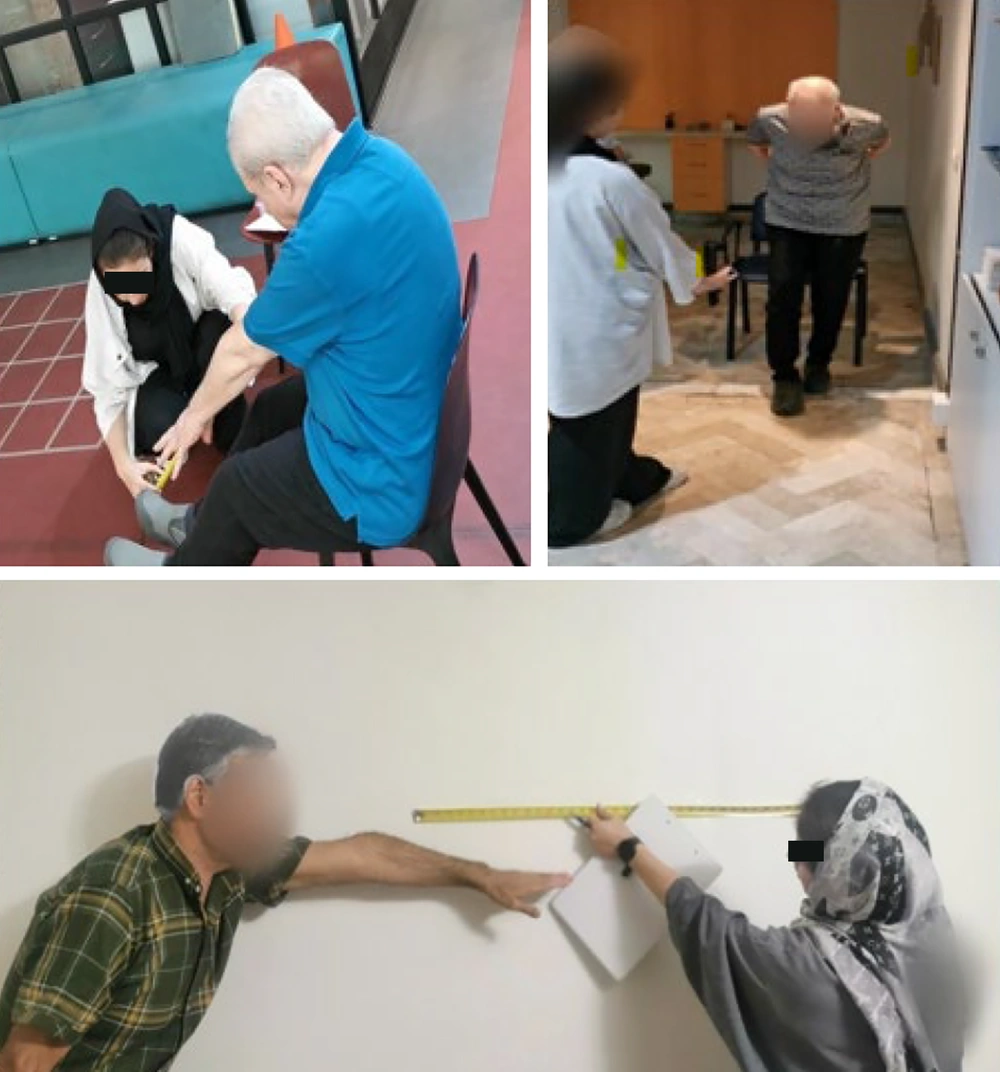
Figure 2.
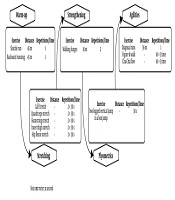
Measurement of functional and motor variables in the participants.
3.4. Data Analysis
Data were analyzed using SPSS software version 25. Repeated-measures analysis of variance was used to compare the effects of the interventions. The Mauchly test of sphericity indicated that the sphericity assumption was not violated; therefore, the analysis was performed without requiring corrections. The significance level was set at P < 0.05.
4. Results
The two groups were homogeneous with respect to demographic characteristics, including age, sex (18 males and 12 females), height, weight, and body mass index; no significant differences were observed between the groups (P > 0.05) (Table 1). No sample attrition occurred during the study, and all participants were included in the final analysis.
Table 1.
Demographic Information of the Study Participants and Independent t-Test Results for Between-Group Differences a
| Variables | Total (n = 30) | Massage (n = 15) | Foam Roll (n = 15) | t (P-Value) |
|---|---|---|---|---|
| Age (y) | 78.10 ± 4.97 | 78.53 ± 4.86 | 77.66 ± 5.21 | 0.47 (0.642) |
| Height (cm) | 172.96 ± 8.20 | 172.06 ± 9.28 | 173.86 ± 7.17 | -0.59 (0.557) |
| Weight (kg) | 73.20 ± 7.47 | 71.66 ± 7.13 | 74.73 ± 7.73 | -1.13 (0.269) |
| Body mass index (kg/m2) | 24.47 ± 2.04 | 24.19 ± 1.46 | 24.75 ± 2.51 | -0.74 (0.465) |
a Data are presented as mean ± SD.
In the TUG test, both intervention groups demonstrated improvements across the study phases. Although performance changed over time, no significant differences were observed between the massage and foam rolling groups, and the pattern of change was comparable between the interventions.
In the single-leg stance test, balance performance improved over time in both groups. However, the pattern of improvement differed between interventions, with the massage group showing greater gains in postural stability across the intervention phases.
Similarly, sit-and-reach performance improved after the interventions, indicating improved flexibility over time. Nevertheless, no meaningful differences were detected between the massage and foam rolling groups, and both interventions produced comparable patterns of change.
For knee joint position sense, proprioceptive performance improved in both groups throughout the study. The magnitude and trajectory of improvement were more favorable in the massage group, suggesting a greater benefit for proprioceptive function.
Regarding the Berg Balance Scale, participants in both groups exhibited improvements in functional balance. However, the massage group demonstrated a more pronounced pattern of improvement across the intervention phases than the foam rolling group.
Overall, both interventions were associated with improvements in balance, mobility, flexibility, and proprioception. Although between-group differences were generally limited, massage tended to produce greater improvements in balance- and proprioception-related outcomes than foam rolling. Detailed statistical results are presented in Table 2.
Table 2.
Effects of Massage and Foam Rolling, Alone and Combined with Static Stretching, on Functional Performance, Balance, Flexibility, and Proprioception in Older Adults with Parkinson Disease a
| Variables and Groups | Baseline Value | Immediate Effects of Massage and foam Rolling | Two-Week Postintervention Effect | Immediate Effect of Stretching Combined with Massage/Foam Rolling | Effect | F | P | η2p |
|---|---|---|---|---|---|---|---|---|
| TUG | T × G | 1.01 | 0.372 | 0.07 | ||||
| Massage | 32.66 ± 15.26 | 29.13 ± 12.78 | 29.66 ± 13.66 | 26.33 ± 12.59 | G | 2.40 | 0.143 | 0.15 |
| Foam roll | 24.86 ± 11.95 | 21.66 ± 11.67 | 23.33 ± 9.25 | 20.13 ± 8.85 | T | 31.96 | < 0.001 | 0.70 |
| Leg standing | T × G | 5.50 | 0.113 | 0.28 | ||||
| Massage | 1.86 ± 2.23 | 3.46 ± 2.82 | 3.33 ± 2.19 | 6.06 ± 2.63 | G | 1.86 | 0.196 | 0.12 |
| Foam roll | 5.06 ± 7.43 | 7.33 ± 7.05 | 5.73 ± 7.29 | 8.26 ± 6.79 | T | 106.04 | < 0.001 | 0.88 |
| Sit and reach | T × G | 0.90 | 0.418 | 0.06 | ||||
| Massage | 16.86 ± 16.73 | 13.60 ± 13.94 | 10.40 ± 12.18 | 14.00 ± 15.33 | G | 0.59 | 0.457 | 0.04 |
| Foam roll | 12.53 ± 15.18 | 9.06 ± 11.27 | 12.06 ± 14.38 | 6.53 ± 9.94 | T | 11.71 | < 0.001 | 0.46 |
| JPS | T × G | 8.05 | 0.336 | 0.07 | ||||
| Massage | 12.46 ± 3.90 | 10.20 ± 3.98 | 13.60 ± 5.48 | 10.60 ± 5.35 | G | 0.95 | 0.345 | 0.06 |
| Foam roll | 9.93 ± 3.89 | 7.60 ± 3.99 | 12.60 ± 6.18 | 9.53 ± 5.34 | T | 20.22 | < 0.001 | 0.59 |
| Berg-Short | T × G | 3.19 | 0.058 | 0.19 | ||||
| Massage | 22.13 ± 5.51 | 25.86 ± 4.34 | 24.86 ± 4.43 | 26.80 ± 3.27 | G | 4.56 | 0.051 | 0.25 |
| Foam roll | 26.60 ± 3.85 | 29.73 ± 3.21 | 27.06 ± 3.73 | 29.33 ± 2.76 | T | 27.57 | < 0.001 | 0.66 |
aValues are expressed as mean ± SD. Outcomes were assessed at baseline, immediately after the intervention, 2 weeks after the intervention, and immediately after the intervention combined with static stretching. Results of 2-way repeated-measures analysis of variance are presented. Abbreviations: G, group effect; T, time effect; G × T, interaction effect; η2p, partial eta squared; TUG, Timed Up and Go; JPS, joint position sense.
5. Discussion
The results of the present study showed that massage and foam rolling interventions, both alone and in combination with static stretching, had positive effects on balance, functional status, and gait in older adults with PD. These findings are consistent with previous studies on rehabilitation interventions for patients with PD (30).
In the pretest phase, the two groups showed no significant differences in demographic characteristics or baseline test scores, which strengthens the validity of the comparative analyses, except for the Berg Balance Scale, for which a difference was observed. This finding is consistent with standard clinical trial principles and similar findings from previous studies (31).
After the first intervention, both the massage and foam rolling groups showed significant improvements in the Berg Balance Scale, single-leg stance, and the TUG test, indicating improved proprioception, balance control, and gait in older adults with PD. These results are consistent with recent studies demonstrating the positive effects of massage and foam rolling on reducing muscle tension, increasing range of motion, and improving motor function (32).
Furthermore, combining static stretching with massage or foam rolling in the second phase enhanced flexibility and gait performance. Both groups showed significant improvements in the sit-and-reach test, and significant changes were also observed in the TUG test. These findings indicate that multimodal interventions, in addition to reducing muscle stiffness, can more effectively improve flexibility and gait performance quality in patients with PD. These results are consistent with studies by Kang et al. (13) and Dunabeitia et al. (7), which emphasized the importance of combining techniques, such as static stretching with manual interventions or massage, to improve daily functioning and reduce fall risk in older adults with PD.
Studies have shown that massage, by improving blood flow and autonomic nervous system responses, leads to reduced blood pressure and arterial elasticity, improved blood flow, and increased nitric oxide concentration. Vasodilation and increased local and systemic blood flow resulting from massage enhance oxygenation and the elimination of accumulated metabolites in muscles. Furthermore, stimulation of mechanoreceptors, particularly Golgi tendon organs, during massage reduces muscle tension and improves muscle function in individuals with PD and may reduce stiffness and tremor, which are among the main problems of this disease and can make daily movements difficult. Additionally, these changes improve autonomic nervous system balance by reducing sympathetic activity and increasing parasympathetic activity, thereby enhancing cardiovascular function and muscular efficiency. The hemodynamic and autonomic effects of massage may play an important role in improving physical function and motor control in older adults with PD (13, 33). Therefore, the significant results obtained in the present study may be explained by these mechanisms.
Foam rolling, as a method of fascial release, modulates autonomic nervous system responses and helps improve neuromuscular coordination and facilitate muscle recovery. This method can be beneficial for reducing balance disorders and postural instability in older adults with PD. The application of uniform pressure by the foam roller to soft tissue is associated with reduced fascial adhesion, increased blood flow, and enhanced metabolic exchange in muscles. These changes may improve motor control and proprioception in older adults with PD through mechanoreceptor stimulation and increased sensory input to the central nervous system, and may lead to improvements in gait. Thus, the significant findings of the current study can be explained by similar mechanisms. Furthermore, foam rolling reduces postactivity muscle pain and increases range of motion in these patients by reducing pain receptor stimulation and facilitating inhibitory responses at the spinal level (30, 34).
Static stretching increases muscle length, reduces soft tissue viscoelasticity, and stimulates muscle spindles and Golgi tendon organs, leading to reductions in adaptive responses associated with this disease, such as muscle shortening, muscle stiffness, and muscle hyperactivity (35).
The combination of these interventions may produce synergistic effects; massage and foam rolling prepare the tissue and reduce initial tension, thereby providing more favorable conditions for deeper stretching effects. This physiological synergy may explain the improvements in balance and motor function indicators in older adults with PD in the present study because muscles with greater flexibility and lower tension are better able to respond effectively to the motor demands of patients with PD (36).
The observed superiority of massage compared with foam rolling when combined with static stretching can probably be attributed to differences in the physiological and neuromuscular mechanisms of these two methods. Direct hand contact and targeted pressure application during massage likely activate cutaneous receptors and muscle spindles more effectively, thereby reducing muscle tone through inhibition of the stretch reflex. Furthermore, by modulating the autonomic nervous system, possibly through increased parasympathetic activity and improved hemodynamic responses, massage may create a more favorable environment for performing static stretching, which could ultimately lead to enhanced postural control and neuromuscular coordination (9, 37).
In contrast, foam rolling applies uniform pressure to the fascia and focuses on improving blood flow. Although this approach is effective for tissue stimulation, it appears to have a more limited synergistic effect with stretching than massage because it may be less able to produce strong neural inhibition and directly reduce muscle tone (19). Based on the obtained effect sizes, the interventions investigated in this study were not only statistically significant but also clinically important. These results may play a crucial role in reducing fall risk and improving the ability to perform daily activities, which are among the main challenges for older adults with PD, and they align with evidence from previous studies (38).
5.1. Limitations
The present study has several limitations that should be considered when interpreting and generalizing the results. First, this quasi-experimental study lacked a control group, which may affect internal validity and the ability to make definitive judgments about the cause-and-effect relationships of the interventions. In addition, the limited sample size of 30 participants and recruitment from a single center or specific geographical region limit the generalizability of the findings to the broader population of older adults with PD.
Second, the short duration of the interventions and their implementation within a single day for each phase did not allow assessment of sustained and long-term effects. Furthermore, some tests, such as single-leg stance, picking up objects from the floor, and the TUG test, depended on individual skill, cooperation, and the participant's daily physical and psychological condition, which could lead to data variability.
Regarding measurement tools, although the instruments used had acceptable reliability and validity, some assessments, such as the use of a manual inclinometer for knee proprioception, may have been affected by operator error or changes in participant body position. Moreover, standardized execution of massage was limited because some participants or their caregivers did not permit video recording and precise documentation of the procedure, which may have affected intervention homogeneity. Crossover effects between intervention phases may also have occurred, although efforts were made to control these effects as much as possible by applying a 2-week interval.
Finally, individual variables such as daily activity level, medication use, general health status, and physiological and neuromuscular differences among older adults may influence responses to interventions, and complete control of these factors was not possible in the present study design. Accordingly, future studies with larger sample sizes, longer intervention periods, control groups, and assessment of sustained effects are recommended. Future studies should also examine the role of personal and environmental variables to achieve more valid and generalizable results.
5.2. Conclusions
The findings of the present study indicate that both massage and foam rolling, either alone or in combination with static stretching, improve balance, gait, and functional performance in older adults with PD. Massage appears to have more pronounced effects than foam rolling in enhancing neuromuscular control and reducing muscle tone. Moreover, combining these interventions with static stretching may further enhance flexibility and gait performance, with massage plus stretching showing potentially greater benefits.
Overall, these results suggest that multimodal interventions incorporating manual therapy and stretching may be clinically beneficial for improving motor function, reducing fall risk, and enhancing independence and quality of life in individuals with PD. The findings of this study may provide practical guidance for designing short-term and cost-effective rehabilitation programs for older adults with PD and highlight the importance of employing a combination of massage, foam rolling, and static stretching techniques to improve physical function.