1. Background
Nowadays, cardiovascular diseases (CVDs) are the main cause of mortality in the US and industrialized countries of the world, consisting of approximately one-third of untimely demise in the adult population (1). New statistics show that about 15 million people in Iran suffer from CVDs (2) and a significant number of them are at high risk of death due to CVDs (3). This shows the existence of danger to the general and different clinical populations (4).
One of the ways to prevent CVDs is unhealthy lifestyle modification (5). In developing countries, the CVDs are increasing as a result of rapid modifications in lifestyle, especially smoking, consumption of fatty foods, lack of physical activity, and industrial life patterns. Unhealthy lifestyle is one of the most important factors in the development of chronic diseases, such as CVDs (6). Having a healthy lifestyle or readiness for lifestyle modification based on the transtheoretical model of health behavior or the model of the stages of behavior change can be well explained. According to this model, there are five steps for behavior modification: pre-contemplation, contemplation, preparation, action, and maintenance. According to the model of the stages of modification, people are in different stages of modification and not all can benefit from specific health information (7).
Regarding the adoption of a healthy lifestyle, the role of some potential variables, such as heart knowledge and heart risk perception is under debate (4, 8). Heart knowledge is the ability of individuals to identify risk factors for the disease and increasing information about heart health. The previous reports show that people generally do not have good heart knowledge (9, 10). Lambert et al. (10) believe that the weakness of heart knowledge plays a role in the estimation and perception of lower risk of heart disease. On the other hand, prevention of CVDs calls for risk and risk factors perception that can lead to increased motivation for lifestyle modification (4). Various reports on populations with more than three cardiac risk factors show that most people underestimate the risk of CVDs (9, 11, 12) and this affects their health behaviors (11).
Individuals’ perception of CVDs-related risk factors is of the components that can affect health behaviors. Clearly, more than anything else, behaviors are affected by the thoughts, beliefs, and attitudes of individuals (13). The attitudes of patients with CVDs regarding the diseases risk factors play a central role in mental and physical health and healthy behaviors (14-16). The attitudes directly affect the health behavior of the patients. The results of a report show that knowledge and understanding the risk factors for heart diseases is one of the key steps in preventing CVDs, despite a systematic relationship with a healthy lifestyle (17). Furthermore, the results of previous studies show that gender, age less than 50, perceived stress, self-efficacy, synchronous psychiatric diseases, high levels of cholesterol, extra weight, and actual risk factors are effective in preparation for modification of unhealthy lifestyle (18-20).
2. Objectives
The present study tries to examine the correlation of heart knowledge, perceived heart risk factors (PHRFs), and risk perception of heart disease with readiness for lifestyle modification in the companions of the patients with cardiovascular diseases in Imam Ali (AS) Hospital, Kermanshah, west of Iran.
3. Methods
3.1. Design and Participants
This study was approved at the Ethics Committee of Kermanshah University of Medical Sciences (IR.KUMS.REC.1396.750). The statistical population of this cross-sectional study was the companions of the patients with CVDs admitted to Imam Ali Hospital in Kermanshah from September 2017 to March 2017. Considering the limited number of the patients and their companions at the time of the study, sampling was convenience sampling method and all the companions of the patients with CVDs entered the study. In this regard, 283 companions of the patients with CVDs enrolled in the study, but 83 people who lacked the inclusion criteria were excluded. The inclusion criteria were age 18 years and more, having a sensory and cognitive ability, lack of a heart disease history, and the willingness to participate in the study. Defects in completing the questionnaires and the unwillingness to continue the completion of the questionnaires were the exclusion criteria. According to the formula (N > 8 m + 50) and the existence of three predictor variables, the study sample size should be more than 74 people. However, to increase the strength of the sample size and emphasis of the statistics sources (21) for 50 people per variable (50 × 3 = 150), we examined 200 people. In order to select the samples, the average daily data was collected from 4 to 6 people as available. As several new patients were being admitted daily to the hospital due to cardiovascular problems, and as each of them had one or several companions, only one of the companions of each person (preferably having a blood relationship) entered the study.
3.2. Data Collection
Firstly, after obtaining the ethical approval, by attending the various departments of Imam Ali (AS) Hospital in Kermanshah on a daily basis, the questionnaires were given to the participants at the waiting room of the hospital that had the inclusion criteria. In this regard, a short interview was conducted on each participant so that besides explaining the conditions for participation in the study, the therapeutic relationship was established. After observing the ethical principles and declaring their willingness to participate in the study by the participants, the written informed consents were given to them and the necessary assurance of the confidentiality of their personal information was also given. After obtaining written informed consent to participate in the study, the method for answering the questions was carefully explained to them. After completing the questionnaires by the subjects in the presence of the researcher, the questionnaires were collected. In the case of illiterate samples, the questionnaire was read to them and the researcher recorded responses.
3.3. Instruments
3.3.1. Heart Disease Knowledge Questionnaire
This questionnaire has 30 questions and examines 5 domains, including knowledge about nutrition (6 items), epidemiology of heart disease (4 items), medical issues (7 items), the disease risk factors (9 items), and symptoms of heart attack (4 items). Responding to the test was in the form of correct, wrong, or I do not know. Scoring the items is as 0 or 1 (totally 0 - 30). The choice of “I do not know” had zero score. Finally, the scores for each of the subscales are calculated individually and the entire scale (8). The reliability of the total tool was acceptable by Kuder-Richardson method (= 0.73). In addition, convergent and divergent validity was acceptable; because a significant relationship was reported between heart disease knowledge questionnaire (HDKQ) with self-perceived knowledge about heart disease (r = 0.18 to 0.39) and the 14-item CVD knowledge test (r = 0.59). The results of the confirmatory factor analysis confirmed the existence of five separate factors (8).
3.3.2. Perception of Risk of Heart Disease Scale
This 20-item scale has three subscales, which are concern for risk (items 1, 2, 4, 5, 7, 8, 9), risk (3, 11, 12, 14, 15, 16), and unawareness of risk (6, 10, 17, 18, 19, 20). The scoring is based on the Likert scale (totally disagree = 1 to totally agree = 4). Moreover, items 6 and 10 - 20 are scored inversely. The reliability of this scale was confirmed using Cronbach’s alpha (0.80, 0.72, and 0.68 for subscales). The correlation of the subscales in the test-retest method with two-week interval was 0.76, 0.70, and 0.61, respectively. The construct validity of this tool and its correlation with HPLP-II subscales were positive and significant (0.20 to 0.39) (4, 22).
3.3.3. Perceived Heart Risk Factor Scale
This 25-item questionnaire has five subscales, including biological (questions 1 - 3), environmental (questions 4 - 8), behavioral (questions 9 - 14), psychological (questions 15 - 21), and physiological (questions 22 - 25) risk factors. Each question is scored according to the Likert scale (not at all = 0 to very high = 4). Thus the total score ranges from 0 - 100 for the whole test. In this scale, higher scores mean higher perceptions of heart disease risk factors. Cronbach’s alpha for the scale and each of the subscales of the above mentioned was 0.933, 0.632, 0.826, 0.817, 0.834, and 965, respectively. The content validity and factor analysis showed that this instrument has a good validity (23).
3.3.4. Readiness for Lifestyle Modification Questionnaire
This questionnaire has 10 items and measures the individual’s preparation to modify lifestyle. Scoring is based on the 5-degree scale (1 = continuing the current lifestyle for more than 6 months, 2 = continuing the current lifestyle up to 6 months, 3 = planning to modify lifestyle next month, 4 = thinking of this new style of life for the next few months, 5 = reluctance to modify the current lifestyle). In fact, the lower scores show higher preparation for lifestyle modification. The reliability of this scale was examined and verified through a retest method. Gillespie and Lenz (24) reported correlations of items within a period of 6 months in a retest method between 0.20 and 0.90.
3.4. Data Analysis
Firstly, non-violation of the assumptions of linear regression was examined (21). After confirming the presumptions, to study the effective variables in readiness for lifestyle modification and to determine the exact contribution of each of the variables, the data were analyzed using descriptive statistics (mean and standard deviation) and statistical methods of Pearson correlation coefficient and linear regression analyses were analyzed with SPSS software version 20. In order to test the research hypotheses, it was necessary that all the predictor variables entered the regression analysis model simultaneously, but considering only that one variable (heart knowledge) had a significant relationship with the criterion variable, only the same variable entered the analysis. In addition, significance levels were reported at 0.05 and 0.01.
4. Results
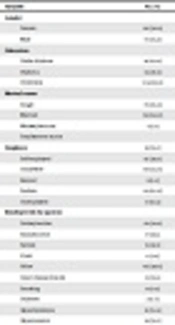
The mean and standard deviation of participants’ age was 33.9 ± 11.7 years. The descriptive results regarding the demographic factors and the relationship of the samples with patients and the distribution of risk factors for heart disease among the participants are presented in Table 1.
Table 1.
Demographic Factors and Relatives of the Samples to Patients and the Distribution of Heart Risk Factors Among Participants
| Variable | No. (%) |
|---|---|
| Gender | |
| Female | 127 (63.5) |
| Male | 73 (36.5) |
| Education | |
| Under diploma | 41 (20.5) |
| Diploma | 55 (27.5) |
| University | 104 (52.0) |
| Marital status | |
| Single | 79 (39.5) |
| Married | 118 (59.0) |
| Widow/divorced | 3 (1.5) |
| Employment status | |
| Employee | 22 (11.0) |
| Self-employed | 57 (28.5) |
| Housewife | 68 (34.0) |
| Retired | 2 (1.0) |
| Student | 20 (10.0) |
| Unemployed | 31 (15.5) |
| Kinship with the patient | |
| Father/mother | 65 (32.5) |
| Sister/brother | 17 (8.5) |
| Spouse | 16 (8.0) |
| Child | 6 (3.0) |
| Other | 96 (48.0) |
| Heart disease history | 19 (9.5) |
| Smoking | 15 (7.5) |
| Diabetes | 2 (1.0) |
| Hyperlipidemia | 21 (10.5) |
| Hypertension | 22 (11.0) |
Table 2 shows the results of the Pearson correlation test between predictive and criterion variables. The data of this table show only a significant relationship between the knowledge of heart disease and readiness for lifestyle modification (P = 0.001). As scoring the questionnaire of readiness for lifestyle modification is inverse, there is a direct relationship between these variables. The table also shows a summary of the multiple linear regression model. Considering the lack of a significant correlation between perceived risk of heart disease and perceived risk factors of heart risk with the criterion variable, these two variables did not have the presumption of entering the regression model and were excluded from the analysis. Thus regression analysis was implemented solely using heart knowledge as the only predictive variable. The data from this table shows that the regression model is significant at the level of 0.001 and heart knowledge can explain 5.8% of the variance in the readiness to lifestyle modification.
Table 2.
Summary of the Linear Regression Model to Predict Readiness for Lifestyle Modificationa
| Variable | Mean ± SD | Readiness for Lifestyle Modification | B | β | t | P Value | |
|---|---|---|---|---|---|---|---|
| r | p | ||||||
| Heart knowledge | 12.83 ± 3.89 | -0.240 | 0.001 | -0.496 | -0.240 | -3.476 | 0.001 |
| Perceived heart risk factors | 69.7 ± 15.45 | -0.103 | 0.073 | - | - | - | - |
| Risk perception | 43.13 ± 4.67 | 0.017 | 0.404 | - | - | - | - |
| Readiness for lifestyle modification | 26.86 ± 8.05 | - | - | ||||
a Summary of the model: R = 0.240, R2 = 0.058, F = 12.082, P < 0.001.
5. Discussion
The results showed that the level of readiness for lifestyle modification in the participants is moderate, and most people are at the pre-contemplation stage. In other words, most of the samples are in the pre-contemplation stage and do not have much readiness to modify their lifestyle. Consistent with this issue, the results of a study indicated that nearly one-third of the family members of the patients continued to experience some of the components of an unhealthy lifestyle after the onset of a fatal illness in their relatives. Most of these people had at least two to three high-risk behaviors to health, and almost half of them did not have the readiness to modify their lifestyle (25). In addition, the results of one study (26) showed that most of the population is in the passive stages (stages of pre-contemplation, contemplation, and preparation) of the modification of fruit and vegetable consumption behavior, and only 10.5% of the samples are in active stages (action and maintenance steps).
Other results showed that the level of heart knowledge in samples is poor and below average, whereas the level of PHRFs is and heart risk perception is higher than the average. Study results show that 25% of the people have no proper heart knowledge about risk factors of heart disease (27). The promotion of heart knowledge in the population has always been considered an important priority related to the adoption of a healthy lifestyle and the prevention of chronic diseases. However, several factors such as low educational level, poor health literacy, poor socioeconomic status, time constraints, environmental pressures, lack of non-crowded space in the clinics, weakness of communication skills, and defects in the system training of specialists and the general population are the main obstacles to the promotion of heart knowledge in various communities (28). Recent reports in Iran showed that over 70% of people had borderline health literacy or inadequate health literacy (28). Thus the weakness of heart knowledge in the samples was predictable. On the other hand, samples were found to have a modest perception of the risk of disease and its risk factors.
In line with this, Barnhart et al. (11) reported that less than half of the people had a poor perception of the risk of disease and its related factors. Subsequently, this study showed a significant relationship between knowledge of heart disease and readiness for lifestyle modification. A review study showed that knowledge of heart disease was directly related to healthy lifestyle behaviors and people with more knowledge had a healthier lifestyle (29). The results of another study showed that, due to increased heart knowledge in the population, the risk of CVDs (10) was reduced and the mechanism of this risk reduction was probably related to the adoption of a healthy lifestyle. Obviously, knowledge of the nature of heart disease and dealing with it at the right time are of the most important components of preventing their occurrence (30). If people reach a basic understanding of CVDs, including psychology and medical and nutritional knowledge, they may have specific behaviors that effectively reduce the risks and control the lethal consequences of the disease (8).
Ultimately, no significant relationship was found between PHRFs and perception of risk of CVDs for modification of lifestyle. According to Bulc et al. (18), although many people report and confirm lifestyle modifications, in practice, people make less positive modifications in their lifestyle. Although non-patient samples presented in our study have a relative understanding of the risk factors for developing heart disease, it seems that this level is not so motivating to generate readiness for healthy lifestyle modification. As previously mentioned, lifestyle modification in practice is comprised of three factors, including modification processes, decision-making balances, and self-efficacy. However, with a closer look at the participants through the transtheoretical framework, we see that many of the samples are in the phase of lack of contemplation. In such a situation, the main obstacle to motivating and initiating a behavioral modification is the ineffectiveness of the first component of the modification processes. This structure is based on hidden and obvious processes that individuals turn to modify their emotions, thoughts, behaviors, or a more general pattern of their lives. These ten-phase processes are divided into two levels: cognitive and behavioral. Cognitive processes are used to move in the early stages of the model of the modification stages, and the behavioral processes are used to move in the next stages (31). Thus being in the pre-contemplation stage shows weaknesses of the samples in the cognitive domain of the processes of changing the transtheoretical model. Indeed, the motivational weaknesses caused by this disorder are likely to be the reason for the lack of correlation between risk perception of the disease and the risk factors.
5.1. Limitations
The 3-month limited period of data collection and using convenience sampling method were the main limitations of this study. In addition, in this study only the healthy companions of the patients of one health center in the west of Iran were studied, the results should be generalized more cautiously.
5.2. Conclusions
The companions of the patients with CVDs have a moderate level of readiness for lifestyle modification. Considering the existence of a significant relationship between readiness for lifestyle modification and heart knowledge, it can be concluded that a higher level of heart knowledge can play an important role in the increased readiness for lifestyle modification by the family members of the patients with CVDs. In order to primary prevention, educational systems should effectively focus on promoting knowledge of heart disease among non-patient populations.