
1. Background
The Arbaeen pilgrimage is a major Shiite Islamic pilgrimage and one of the world’s largest annual mass gatherings, bringing millions of pilgrims to Karbala, Iraq. Its exceptional scale and high population density require specialized public health planning and preparedness, consistent with the World Health Organization’s definition of mass gatherings (1, 2). Although health risks associated with Arbaeen have been examined from public health, healthcare service, and mass-gathering perspectives (1-3), comparatively less attention has been paid to sleep as an important dimension of pilgrims’ health and daily functioning.
Sleep is a fundamental physiological process that supports cognitive, emotional, and physical functioning, and adequate sleep is also recognized as an essential occupation within occupational therapy (4, 5). Travel can disrupt normal sleep through changes in sleep schedules, circadian timing, pre-travel sleep restriction, and environmental stressors (6). Large-scale studies of travel-related sleep patterns have shown that changes in travel context can be associated with substantial alterations in sleep. In parallel, research involving athletes has emphasized the effects of frequent travel and circadian disruption on sleep and performance (6, 7). Similarly, tourism research has linked sleep quality to travelers’ experiences (8). However, these studies primarily conceptualize sleep within leisure, tourism, or performance-oriented travel. Therefore, their findings provide an important starting point for understanding travel-related sleep disruption but do not fully account for a pilgrimage in which prolonged physical exertion, religious practice, communal living, and devotional motivation are simultaneously present.
Arbaeen presents a distinctive context in which these factors converge. Unlike conventional travel, the pilgrimage involves sustained walking and physical demands (9), temporary and non-standard accommodation arrangements along the pilgrimage route (10, 11), and intense communal and religious experiences (12, 13). Previous research has documented the physical, psychological, sociocultural, and health challenges associated with Arbaeen and other large-scale pilgrimage settings (3, 9-13). These characteristics may influence not only sleep duration and continuity but also how pilgrims perceive, interpret, and respond to sleep disruption. Importantly, the available literature on travel-related sleep does not adequately address this combination of physical hardship, unconventional sleeping environments, ritual schedules, and spiritual meaning. Thus, findings from tourism or athletic travel cannot be assumed to explain the sleep experiences of Arbaeen pilgrims.
To our knowledge, the lived experience and subjective meaning of sleep during the Arbaeen pilgrimage have not been systematically explored. In particular, it remains unclear how pilgrims experience sleep disruption in the context of prolonged walking, temporary sleeping environments, altered daily routines, and intensive communal and spiritual engagement, and how they interpret and cope with these experiences. Addressing this gap requires moving beyond sleep as a purely physiological outcome and examining how sleep is experienced within the broader social, physical, and spiritual context of pilgrimage. Therefore, a phenomenological approach is appropriate for exploring sleep as a lived experience and for understanding the meanings that pilgrims attribute to sleep, sleep disruption, and rest during Arbaeen. Accordingly, the present study investigates the subjective experiences and meanings of sleep among Arbaeen pilgrims.
2. Objectives
This phenomenological study was guided by the following central research question: “What is the lived experience and meaning of sleep among Iranian medical student pilgrims participating in the Arbaeen walk?” The study focuses specifically on Iranian medical student pilgrims because they experience the pilgrimage while simultaneously engaging in a demanding educational and professional context. This shared educational and pilgrimage context was intentionally selected to enable an in-depth, context-specific exploration of how participants experienced and interpreted sleep during the pilgrimage.
Accordingly, rather than seeking to generalize the findings to all Arbaeen pilgrims, this study aims to develop an in-depth understanding of how sleep is experienced and meaning is ascribed within this specific pilgrim group. Through participants’ narratives, the study examines the subjective experience of sleep, perceived challenges and disruptions, and the ways in which participants interpret and cope with these experiences within the physical, social, and spiritual context of the Arbaeen pilgrimage. The phenomenological analysis therefore seeks to identify the essential themes and meanings underlying participants’ accounts and to contribute a context-specific understanding of sleep as a lived experience during Arbaeen.
3. Methods
3.1. Study Design and Approach
A qualitative study using a phenomenological approach was conducted to explore the lived experiences and meanings of sleep among Iranian undergraduate health sciences student pilgrims who participated in the 2025 Arbaeen walk. The study was intentionally designed as a context-specific phenomenological inquiry, aiming to develop an in-depth understanding of sleep experiences within this specific group rather than to represent the experiences of all Arbaeen pilgrims. Phenomenology was appropriate because it enables detailed exploration of how individuals experience and interpret a phenomenon within its lived context. Semi-structured, in-depth interviews were conducted for data collection, and the data were analyzed using a seven-step phenomenological method described in another study.
3.2. Participants and Setting
The study included 11 undergraduate students from Hamadan University of Medical Sciences (mean age: 23.63 ± 1.74 years) who completed the 2025 Arbaeen walk. Participants were recruited using purposive sampling. The decision to focus on medical and health sciences students was based on the aim of examining sleep within a relatively shared educational, cultural, and pilgrimage context while enabling participants to provide detailed accounts of their experiences. Participants represented different health sciences fields, including Medicine, Nursing, and Rehabilitation.
Inclusion criteria were Iranian citizenship, student status, age between 20 and 30 years, completion of the Arbaeen walk, and the absence of major chronic conditions known to substantially disrupt sleep. Within this defined and relatively homogeneous group, purposive sampling was used to recruit participants who could provide direct and detailed accounts of their sleep experiences during the pilgrimage. During recruitment and interviewing, attention was paid to participant-reported differences in sleep quality or disturbance, sleeping conditions, coping with sleep disruption, and the perceived personal or spiritual meaning of sleep. Thus, information richness was considered in terms of the depth and diversity of participants’ accounts within the study context rather than demographic heterogeneity.
The homogeneous composition of the sample was considered appropriate for a context-specific phenomenological inquiry; however, it limits the transferability of the findings to other pilgrim populations, including older, international, or chronically ill pilgrims. Accordingly, the findings should be interpreted as context-specific insights into the lived experience and meaning of sleep among Iranian medical student pilgrims and are not presented as broadly generalizable to the wider Arbaeen pilgrim population.
3.3. Data Collection
Data were collected through face-to-face, semi-structured interviews with 11 participants. Each interview lasted approximately 30 - 60 minutes and was conducted by the two primary researchers, both of whom were occupational therapists. After informed consent was obtained, interviews were conducted individually in a quiet, private setting at the university. An open-ended interview guide was used to facilitate participants’ descriptions of their lived experiences of sleep.
Interviews began with broad, non-directive questions, such as asking participants to describe their overall experience of sleep and how sleep affected their daily lives. More specific probes were subsequently used only to encourage elaboration when relevant issues emerged spontaneously from participants’ accounts. These probes addressed environmental, personal, psychological, interpersonal, and coping-related aspects of sleep without presupposing that any particular factor was responsible for sleep difficulties.
To minimize the potential influence of the researchers’ occupational therapy background, the interviewers avoided introducing occupational therapy terminology or suggesting predefined clinical interpretations. Participants were encouraged to describe sleep in their own words and to discuss meanings that were personally, socially, culturally, or spiritually relevant to them. Follow-up questions primarily comprised clarification and elaboration prompts (e.g., “Could you tell me more about that experience?” or “What did that experience mean to you?”) rather than questions that directed participants toward occupational or clinical explanations.
Interviews were audio-recorded with participants’ permission and continued until thematic saturation was reached, at which point subsequent interviews no longer generated substantially new meanings or themes.
3.4. Data Analysis
Audio recordings were transcribed verbatim in Persian immediately after each interview. Quotations originally expressed in Persian were translated into English for reporting in the manuscript, with attention to preserving participants’ intended meanings. Transcripts were de-identified and assigned numerical codes before analysis. Data were analyzed using Colaizzi’s seven-step phenomenological method. To enhance methodological transparency, the researchers documented the progression from participants’ original accounts to significant statements, formulated meanings, thematic clusters, and final themes.
First, each transcript was read repeatedly to obtain an overall understanding of the participant’s experience. Second, statements directly relevant to the phenomenon of sleep were identified as significant statements. Third, the researchers examined the meaning of each significant statement while remaining as close as possible to the participant’s original account. Fourth, formulated meanings reflecting related aspects of the experience were clustered into categories and subsequently developed into themes. Fifth, the researchers integrated the themes into an exhaustive description of the phenomenon. Sixth, this description was condensed into the essential structure of the experience. Finally, the findings were returned to participants for validation to determine whether the interpretation adequately reflected their experiences.
This analytical procedure was intended to ensure that themes were grounded in participants’ descriptions rather than imposed by the researchers’ professional assumptions. In particular, the researchers maintained reflexive awareness of their occupational therapy background throughout data collection and interpretation. Participant accounts were therefore considered in relation to their own personal, social, cultural, and spiritual meanings of sleep rather than being interpreted exclusively through an occupational or clinical framework.
3.5. Saturation and Trustworthiness
Data collection and analysis proceeded iteratively. After each interview, the transcript was reviewed and coded, and the emerging codebook was updated. Data saturation was assessed at the code level rather than solely at the theme level. Saturation was considered reached when three consecutive interviews generated no new codes relevant to the developing thematic framework. During this process, newly identified statements were compared with existing codes, and the researchers examined whether they represented genuinely new concepts or could be adequately captured by existing codes. Recruitment ceased when no substantively new codes were identified and the existing codes and themes were sufficiently developed to address the research question. These decisions were documented in the audit trail.
Member checking was conducted with three participants who were invited to review the preliminary thematic interpretation. The three participants were selected to provide feedback on the emerging interpretation from the perspective of individuals with direct experience of the phenomenon under study. They were asked to consider whether the themes and their interpretations were recognizable and consistent with their experiences of sleep during the Arbaeen pilgrimage. Their feedback was considered as part of the credibility assessment of the findings. Because detailed records of the participants’ comments were not retained, we do not claim that member checking resulted in specific substantive changes to the thematic structure.
3.6. Reflexivity and Researcher Positioning
The research team included two occupational therapists (first and second authors) with prior experience in qualitative research and pilgrimage health. Given the phenomenological approach, we recognized that our professional backgrounds and personal assumptions about sleep, health, and spirituality could influence data collection and interpretation. Therefore, reflexivity and bracketing were treated as ongoing processes throughout data collection and analysis rather than as a one-time procedure.
Before conducting the interviews, each researcher independently documented their preconceptions in a written bracketing journal. These included assumptions that sleep deprivation is inherently negative and that environmental factors are the primary causes of sleep disruption. These preconceptions were not assumed to be completely eliminated; instead, they were revisited and critically examined throughout coding and theme development.
During analysis, the researchers explicitly considered whether emerging codes and interpretations were grounded in participants’ narratives or reflected their own professional and clinical perspectives. Regular peer debriefing sessions were conducted to challenge emerging interpretations and identify potential researcher bias. The researchers compared interpretations with the original transcripts and discussed alternative explanations for participants’ accounts. When an interpretation appeared to be influenced by a prior assumption or was insufficiently supported by the data, the corresponding code or interpretation was modified, reconsidered, or removed.
For example, initial interpretations that emphasized sleep disruption as inherently negative or environmental conditions as the primary explanation were critically re-examined against participants’ accounts. When participants described personal, interpersonal, cultural, or spiritual meanings that could not be adequately explained by an occupational or environmental framework, these meanings were retained and incorporated into the developing thematic structure. Thus, bracketing directly influenced coding decisions by encouraging the researchers to resist premature clinical interpretations and remain open to meanings emerging from participants’ lived experiences.
An audit trail was maintained throughout the analytic process, including transcripts, coding records, codebook revisions, and theme development logs. This documentation enabled the researchers to track how interpretations evolved and why particular codes or themes were retained, modified, or discarded. Findings were also returned to three participants for member checking to assess whether the interpreted themes resonated with their lived experiences.
Through these procedures, reflexivity was integrated into the analytic process rather than treated solely as a procedural statement. The researchers acknowledged that complete suspension of preconceptions is unlikely; therefore, the goal of bracketing was to make preconceptions explicit, critically examine their influence, and continuously return to participants’ accounts when developing codes and themes.
3.7. Ethical Considerations
Ethical approval was obtained from the Ethics Committee of Hamadan University of Medical Sciences (IR.UMSHA.REC.1403.830). The following key ethical principles were observed:
Informed written consent was obtained from all participants, who retained the right to withdraw at any time. Confidentiality was ensured through anonymization using identification codes and secure storage of all data on a password-protected computer. Participants were offered a summary of the findings upon request.
4. Results
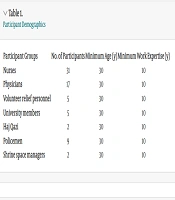
Eleven Iranian undergraduate health sciences student pilgrims participated in the study. Participants were recruited from Hamadan University of Medical Sciences, and their demographic characteristics are summarized in Table 1.
Table 1.
Documentation of the Analytical Pathway
| Participant account | Significant statement | Formulated meaning | Thematic cluster |
|---|---|---|---|
| “The heat was unbearable at noon.” | Heat prevented comfortable rest | Extreme daytime heat reduced physical comfort and interfered with sleep | Environmental Challenges Affecting Sleep → Climatic and Thermal Conditions |
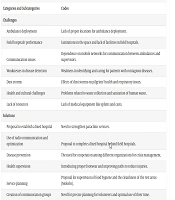
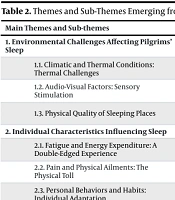
This study explored the lived experiences and subjective meanings of sleep among pilgrims during the Arbaeen walking pilgrimage. The analysis generated 820 initial codes, which were consolidated into 44 unique codes after duplicates were removed and conceptually similar codes were merged. These codes were organized into four main themes and eleven sub-themes (Table 2).
Table 2.
Themes and Sub-Themes Emerging from Participants’ Experiences of Sleep During the Arbaeen Walking Pilgrimage
| Main Themes and Sub-themes | Core Meaning Emerging from Participants’ Accounts |
|---|---|
| 1. Environmental Challenges Affecting Pilgrims’ Sleep | |
| 1.1. Climatic and Thermal Conditions: Thermal Challenges | Heat during the day, nighttime temperature changes, and marked differences between outdoor and cooled indoor environments created discomfort and interfered with comfortable and continuous sleep. |
| 1.2. Audio-Visual Factors: Sensory Stimulation | Crowd noise, traffic, conversations, excessive light, sunlight, and environmental unpredictability were perceived as barriers to comfortable sleep. |
| 1.3. Physical Quality of Sleeping Places | Hard or unsuitable sleeping surfaces, inadequate bedding, poor ventilation, heat, and dust reduced physical comfort and required adaptation. |
| 2. Individual Characteristics Influencing Sleep | |
| 2.1. Fatigue and Energy Expenditure: A Double-Edged Experience | Prolonged walking and extreme fatigue could facilitate rapid sleep, whereas physical pain and exhaustion could also interfere with sleep continuity. |
| 2.2. Pain and Physical Ailments: The Physical Toll | Foot, knee, and back pain, muscle cramps, digestive problems, and dehydration contributed to discomfort and difficulty achieving continuous rest. |
| 2.3. Personal Behaviors and Habits: Individual Adaptation | Participants adapted their routines and used personal strategies, such as pillows, eye masks, hygiene practices, clothing changes, and dietary regulation, to maintain comfort and control. |
| 3. Security and Psychological Tranquility | |
| 3.1. Sense of Security and Belongings Management | Concerns about personal belongings affected relaxation and sleep, whereas trusted Mawkeb settings increased feelings of safety. |
| 3.2. Cultural-Social Factors: A Support Network | Companionship and social support promoted reassurance, while crowding, cultural differences, and limited privacy could create discomfort. |
| 3.3. Spirituality and the Meaning Attributed to Sleep | Some participants interpreted fatigue and reduced sleep through the spiritual meaning of pilgrimage, viewing tiredness and sleep disruption as meaningful aspects of sacrifice. |
| 4. Coping and Sleep Management Strategies | |
| 4.1. Conscious Choice of Accommodation | Participants deliberately selected sleeping locations based on crowd density, cooling conditions, physical structure, and availability of indoor spaces. |
| 4.2. Journey Management and Timing | Participants modified the timing of walking and sleeping, including walking at night and sleeping during the day, to adapt to environmental conditions. |
| 4.3. Use of Sleep-Aid Tools: Creating Personal Comfort | Personal items such as scarves/keffiyehs, eye masks, earplugs, medications, and appropriate footwear were used to create more favorable conditions for rest. |
Note. The table summarizes the four main themes and eleven sub-themes identified through the qualitative analysis.
The four themes were 1) Environmental Challenges Affecting Pilgrims’ Sleep, 2) Individual Characteristics Influencing Sleep, 3) Security and Psychological Tranquility, and 4) Coping and Sleep Management Strategies. Together, these themes indicate that participants experienced sleep as a multidimensional phenomenon shaped by environmental conditions; physical and individual factors; psychological and social experiences; spirituality; and active adaptation to the pilgrimage context.
4.1. Environmental Challenges Affecting Pilgrims’ Sleep
4.1.1. Climatic and Thermal Conditions: Thermal Challenges
Participants frequently described environmental temperature as an important challenge to achieving comfortable and continuous sleep. Some described sleep as feeling “like a luxury” (P3), whereas another participant characterized rest as being “constantly under threat” because of the surrounding conditions (P7).
Daytime heat and nighttime temperature fluctuations were repeatedly described as interfering with participants’ comfort and ability to remain asleep. One participant explained:
“The heat was unbearable at noon. You would lie down on the artificial grass, but it was so hot that you couldn't stay still for more than a few minutes. Then at night, it became cold. We had to wake up every hour to adjust our covers or move to a different spot.” (P8, male, 24 years)
Some participants also described discomfort when moving between hot outdoor conditions and strongly cooled indoor environments. Rather than interpreting these experiences as evidence of a specific physiological mechanism, participants’ accounts indicate that marked temperature differences contributed to discomfort and difficulty maintaining comfortable sleep conditions.
4.1.2. Audio-Visual Factors: Sensory Stimulation
Participants described the pilgrimage environment as highly stimulating, particularly because of crowding, traffic, conversations, lighting, and fluctuations in environmental conditions. One participant identified “noise from crowding, traffic, and conversation” as a major disturbance (P2). Another participant described excessive brightness from lights and sunlight, as well as sudden changes associated with power interruptions, as factors that made sleep more difficult (P4).
These accounts suggest that participants experienced limited control over the sensory conditions surrounding sleep. Rather than indicating objectively measured disruption of the sleep-wake cycle, the findings reflect participants’ subjective perceptions of noise, light, and environmental unpredictability as barriers to comfortable sleep.
4.1.3. Physical Quality of Sleeping Places
Participants also emphasized the physical characteristics of sleeping locations. Sleeping surfaces ranged from “artificial grass” to “stone paving,” and some participants reported inadequate bedding and unsuitable materials such as velvet or plastic (P6). Poor ventilation, heat, and dust were also described as contributing to physical discomfort.
These experiences indicate that the physical environment influenced how participants experienced rest. For some participants, sleep was therefore described less as a naturally restorative activity and more as an activity requiring adaptation to limited physical comfort.
4.2. Individual Characteristics Influencing Sleep
This theme reflected the complex relationship between physical fatigue, bodily discomfort, and individual characteristics. Participants did not describe fatigue as having a uniformly positive or negative effect on sleep. Instead, extreme physical exhaustion sometimes facilitated sleep, whereas pain and other physical problems could interrupt it.
4.2.1. Fatigue and Energy Expenditure: A Double-Edged Experience
Walking for prolonged periods was frequently described as producing intense fatigue. For some participants, this fatigue appeared to facilitate rapid sleep despite environmental discomfort. One participant described:
“I remember walking for 14 hours straight. When I finally stopped, I just fell onto the ground. I didn't care about the noise, the hard floor, or the people stepping around me. I was asleep within seconds. It was the deepest sleep I've ever had, even though it only lasted a few hours.” (P1, male, 22 years)
Another participant similarly described becoming less concerned about environmental conditions when extremely tired (P5). However, fatigue did not always result in sustained sleep. Participants also described physical pain associated with walking as interrupting their rest. One participant reported:
“My feet were covered in blisters, and my back was in constant pain. Every time I started to fall asleep, the pain would wake me up again. I was exhausted but couldn't stay asleep for more than 30 minutes at a time.” (P4, female, 25 years)
Thus, participants’ accounts suggest a tension between exhaustion that could facilitate sleep onset and physical discomfort that could interfere with sleep maintenance.
4.2.2. Pain and Physical Ailments: The Physical Toll
Participants described foot, knee, and back pain, muscle cramps, digestive problems, and dehydration as additional sources of discomfort during the pilgrimage. These experiences were described as making it difficult to achieve comfortable or continuous rest (P4, P5).
Rather than indicating a single physiological pathway, these accounts demonstrate how bodily strain became part of participants’ lived experience of sleep during the pilgrimage.
4.2.3. Personal Behaviors and Habits: Individual Adaptation
Individual differences also shaped participants’ experiences. Some participants described greater tolerance of environmental noise, whereas others relied on personal items such as pillows or eye masks. Personal hygiene practices, clothing changes, dietary regulation, and other routines were described as ways of maintaining comfort and a sense of personal control (P4).
These accounts indicate that participants actively adapted their personal routines and behaviors to the conditions surrounding sleep.
4.3. Security and Psychological Tranquility
This theme concerned participants’ descriptions of psychological security, social relationships, and the spiritual meaning they attributed to the pilgrimage. Participants described sleep as being affected not only by physical conditions but also by whether they felt sufficiently safe and psychologically at ease.
4.3.1. Sense of Security and Belongings Management
Concerns about losing important belongings, including phones, passports, and money, were described as interfering with participants’ ability to relax at bedtime (P4). Some participants responded by using protective strategies, such as keeping belongings under their heads, and described lighter or more vigilant sleep (P6).
Conversely, familiarity with and trust in particular Mawkeb settings were described as contributing to a greater sense of security. These accounts suggest that perceived safety was an important component of participants’ experience of rest.
4.3.2. Cultural-Social Factors: A Support Network
The social context had both supportive and disruptive meanings. Some participants described family or group companionship as an important source of safety and psychological calm (P6). At the same time, cultural differences, high population density, and limited personal space were described as sources of discomfort (P3, P5).
Thus, social presence was not experienced uniformly: companionship could provide reassurance, whereas crowding and reduced privacy could make rest more difficult.
4.3.3. Spirituality and the Meaning Attributed to Sleep
Participants also described changes in how they understood the importance of sleep during the pilgrimage. Rather than simply describing sleep duration, some participants reflected on the meaning they attributed to tiredness and reduced sleep in relation to their spiritual goals.
One participant explained:
“Before the pilgrimage, I thought sleep was everything. I couldn't function without my 8 hours. But during Arbaeen, I realized that the spiritual reward was worth so much more than sleep. I told myself: ‘This tiredness is my gift to Imam Hussein.’ And somehow, that thought made the sleeplessness feel meaningful rather than painful.” (P11, male, 26 years)
Another participant similarly described tiredness as meaningful in the context of the pilgrimage:
“Yes, I was exhausted. But every time I felt tired, I remembered why I was there. The sleep deprivation became part of my sacrifice. I wasn't suffering; I was giving something valuable for something even more valuable.” (P10, female, 23 years)
These accounts suggest that some participants interpreted sleep disruption and fatigue through the broader spiritual meaning they attributed to the pilgrimage. This interpretation may have influenced how they evaluated the discomfort associated with reduced or disrupted sleep. However, the findings do not establish a causal mechanism or demonstrate objectively measured sleep deprivation.
4.4. Coping and Sleep Management Strategies
This theme described participants’ active efforts to adapt to challenging sleep conditions. Participants reported modifying their choice of sleeping location, activity timing, and use of personal items to improve comfort and increase their control over the circumstances of rest.
4.4.1. Conscious Choice of Accommodation
Participants described deliberately selecting sleeping locations according to factors such as crowd density, cooling facilities, and physical structure. Some preferred low-congestion areas (P3), whereas others sought Mawkebs with better cooling or indoor spaces. Early planning was described as important because desirable sleeping locations could become unavailable later.
4.4.2. Journey Management and Timing
Participants also described adjusting the timing of walking and sleeping. Walking at night and sleeping during the day was reported as one strategy for avoiding daytime heat (P2). Participants also described planning when to search for sleeping locations and attempting to coordinate religious activities with opportunities for rest.
These accounts illustrate participants’ efforts to adapt the timing of their activities to the conditions of the pilgrimage rather than suggesting a specific alteration of circadian physiology.
4.4.3. Use of Sleep-Aid Tools: Creating Personal Comfort
Participants described using portable personal items to improve their sleeping environment. One participant explained:
“I used my keffiyeh for everything. During the day, it protected my neck from the sun. At night, I would fold it and use it as a pillow, or spread it over my face to block the light, or even use it as a thin blanket when it was cold. Without it, I don't think I could have slept at all.” (P2, male, 23 years)
Another participant described learning to adjust the timing and location of sleep:
“We learned quickly that the best strategy was to walk at night when it was cooler and find a place to sleep around noon. We would look for Mawkebs that had indoor spaces with air conditioning. You had to arrive early, or there would be no space left. It was like a game of strategy.” (P3, female, 24 years)
Other reported strategies included the use of eye masks, earplugs, personal medications, and appropriate footwear. Collectively, these accounts illustrate how participants actively sought to create more favorable conditions for rest within the constraints of the pilgrimage environment.
5. Discussion
5.1. The Environment as a Context of Sleep Disruption
The first theme indicates that sleep during the Arbaeen pilgrimage was experienced within an environment characterized by heat, noise, variable lighting, crowding, and limited control over sleeping surfaces and ventilation. These findings are broadly consistent with the literature describing environmental and circadian challenges during travel and mass gatherings. For example, studies of travel-related sleep disruption have emphasized circadian disruption, changes in sleep timing, and pre-travel sleep restriction as important contributors to disturbed sleep. However, the present phenomenological findings draw attention to an additional contextual dimension: participants described sleep as occurring in an environment in which opportunities to modify the immediate sleeping conditions were often limited.
This interpretation differs from conventional tourism settings, in which travelers may have greater control over accommodation, room temperature, lighting, and sleep schedules. Yang et al. (8), for example, examined the association between sleep quality and tourists’ experiences in a tourism context in which sleep quality was considered in relation to the overall travel experience. In contrast, participants in the present study described sleep within a highly structured pilgrimage environment characterized by shared spaces and fluctuating environmental conditions. Thus, rather than concluding that environmental factors are more important than circadian factors, which were not directly assessed in this study, our findings suggest that environmental constraints were a prominent feature of participants’ subjective accounts of sleep disruption.
The concept of a “non-negotiable sleep environment” may therefore be useful as an interpretive description of this experience. Importantly, this should not be considered a new causal model or an established theoretical construct. Rather, it describes participants’ perception that they had limited opportunities to control where, when, and under what environmental conditions they slept. This distinction is important because the present study did not objectively measure environmental exposure, circadian phase, or sleep architecture.
These findings may also have practical implications for mass-gathering health. In settings where pilgrims cannot substantially modify their sleeping environment, environmental interventions—such as shaded or cooled rest areas, improved sleeping surfaces, ventilation, and reductions in unnecessary nighttime noise and light—may represent feasible approaches to supporting sleep. Such implications should be tested in future studies rather than assumed to follow directly from the present phenomenological findings.
5.2. Fatigue: A Central Yet Paradoxical Experience
Fatigue emerged as a particularly complex aspect of participants’ experiences. Participants described prolonged walking and physical exhaustion as sometimes facilitating rapid sleep, whereas pain, muscle discomfort, and physical exhaustion could also contribute to awakenings or fragmented rest. Thus, fatigue was not experienced simply as either a facilitator or a disruptor of sleep; its role appeared to depend on the interaction among exhaustion, physical discomfort, and individual circumstances.
This finding complements, while remaining methodologically distinct from, research using objective or wearable-sensor approaches. Alshamrani et al. (14), for example, examined pilgrims’ stress and fatigue during Hajj using wearable remote-sensing data. Such studies provide physiological or behavioral information that cannot be directly inferred from phenomenological interviews. The contribution of the present study is therefore not to establish a physiological mechanism, but to show how pilgrims themselves experienced and interpreted the relationship among physical exhaustion, sleep, and pain.
This distinction also helps explain why the experience observed here should not be reduced to conventional travel-related sleep disruption models. Previous travel research has emphasized circadian and behavioral disruption associated with travel and changes in sleep schedules (6-8). In the present study, participants also described the immediate bodily consequences of prolonged walking and the need to adapt sleep to physical exhaustion. Nevertheless, because circadian timing and sleep physiology were not objectively measured, the present findings cannot determine the relative contributions of circadian disruption, sleep debt, or physical fatigue.
The role of personal habits further suggests that participants were not passive recipients of these conditions. Strategies such as modifying walking and sleeping times, selecting particular sleeping locations, and using personal comfort items indicate an element of individual adaptation. This observation is compatible with the occupational perspective that sleep is embedded within everyday routines and contextual demands rather than functioning independently of them (5). However, the present findings extend this perspective by illustrating how such adaptation occurs within a temporary and highly constrained pilgrimage environment.
5.3. Spirituality and the Meaning Attributed to Sleep
One of the more distinctive findings was the way some participants interpreted sleep restriction and physical exhaustion through the spiritual meaning of the Arbaeen pilgrimage. Rather than describing reduced sleep solely as an undesirable health outcome, participants sometimes incorporated fatigue and reduced rest into their broader understanding of sacrifice, commitment, and participation in the pilgrimage.
This finding should be interpreted cautiously. The present study did not measure objective sleep deprivation, mental health outcomes, or physiological consequences of restricted sleep. Therefore, it would be inappropriate to conclude that participants experienced “objective sleep deprivation with subjective well-being” or that spirituality physiologically mediated the effects of insufficient sleep. Instead, the interviews suggest that participants attributed meanings to sleep and sleep loss that were not exclusively biomedical.
This interpretation is consistent with previous phenomenological work on the Arbaeen pilgrimage. Husein (12) described the pilgrimage as a deeply embodied and meaningful experience, while Nikjoo et al. (9) highlighted the role of attachment and loyalty to the sacred route. Building on these studies, the present findings suggest that sleep may also be interpreted within this broader meaning-making process. In some participants’ accounts, the value assigned to participating in the pilgrimage appeared to coexist with an acceptance of reduced comfort and rest.
Rather than describing this process as a definitive “demotion of sleep within a spiritual hierarchy,” it may be more appropriate to interpret it as a context-dependent reprioritization of sleep. In other words, participants appeared to evaluate sleep not only according to physical restoration but also in relation to the spiritual goals and perceived significance of the pilgrimage. This interpretation remains grounded in participants’ narratives and avoids assuming a mechanism that was not directly tested.
The finding also highlights an important distinction between sleep quantity or quality as a biomedical construct and the meaning attributed to sleep by individuals. Future mixed-method studies could examine whether such differences in meaning are associated with measurable differences in sleep quality, psychological well-being, or recovery among pilgrims.
5.4. Pilgrim Agency and Adaptive Coping
The fourth theme indicates that participants actively developed strategies to manage difficult sleeping conditions. These strategies included selecting accommodation based on environmental characteristics, changing the timing of walking and sleep, walking during cooler nighttime periods, and using personal items to improve comfort. These behaviors indicate that pilgrims were not merely exposed to environmental constraints but actively negotiated them.
This finding complements Yang et al.’s (8) observation that sleep quality is related to tourists’ experiences, although the contexts differ substantially. In conventional tourism, sleep may be managed through choices regarding hotels, schedules, and amenities. In the present study, participants’ choices were made within a much more constrained pilgrimage environment. Consequently, agency did not necessarily involve eliminating environmental stressors; rather, it involved adapting behavior and using available resources to make sleep more manageable.
Comparable adaptations have also been described in other pilgrimage contexts. Research on ritual trails, such as the Camino de Santiago and Arbaeen, has highlighted physical exhaustion and temporary or makeshift accommodations as key components of the pilgrimage experience (9, 12, 15). Similarly, systematic reviews of religious mass gatherings have identified crowding, infrastructure limitations, environmental exposure, and other contextual factors as important health challenges (16). However, differences in pilgrimage organization, accommodation systems, cultural meanings, participant characteristics, and research methods make direct comparisons difficult. The present study therefore does not suggest that Arbaeen is uniquely difficult or that its pilgrims possess uniquely effective coping strategies. Rather, it adds a context-specific account of how young Iranian undergraduate health sciences student pilgrims adapted their sleep-related behaviors within the Arbaeen setting.
From a health-promotion perspective, these findings suggest that interventions could build on strategies that pilgrims already use. Rather than relying exclusively on generic sleep advice, pilgrimage health services might consider providing environmental resources that support existing adaptive behaviors, such as designated cool rest areas, improved sleeping surfaces, and basic comfort resources. Such recommendations should, however, be evaluated empirically before their effectiveness is assumed.
5.5. Integrative Interpretation: Toward a Bio-Psycho-Social-Spiritual Understanding of Pilgrimage Sleep
Taken together, the four themes suggest that sleep during Arbaeen cannot be adequately understood through a single biomedical or travel-related perspective. Participants’ accounts reflected the interaction of physical and environmental conditions, individual bodily experiences, social and psychological security, spiritual meaning, and adaptive behaviors.
Accordingly, the contribution of this study is not the establishment of a new causal model of pilgrimage sleep, but the development of a context-sensitive bio-psycho-social-spiritual interpretation of how sleep is experienced during Arbaeen. The environmental theme captures the physical conditions surrounding sleep; fatigue, pain, and personal habits represent individual and bodily dimensions; security and social relationships illustrate psychosocial influences; and spiritual meaning demonstrates how the significance attributed to the pilgrimage may shape the way sleep disruption is interpreted.
This framework also helps reconcile findings that might initially appear contradictory. For example, physical exhaustion may promote sleep while pain disrupts it; crowded environments may reduce comfort while social proximity may increase perceived security; and reduced sleep may be experienced as physically difficult while simultaneously being interpreted as an acceptable or meaningful part of the pilgrimage. These apparent contradictions suggest that the experience of sleep during Arbaeen is dynamic and context-dependent rather than uniformly positive or negative.
Importantly, this interpretation should remain proportionate to the study design. Because the sample consisted of 11 Iranian undergraduate health sciences student pilgrims from one Iranian university and the study relied on phenomenological interviews, the framework should be regarded as a contextual interpretive framework requiring further examination rather than as a generalizable model of pilgrimage sleep. This is particularly important because the homogeneous sample limits the extent to which broader claims about Arbaeen pilgrims can be made.
5.6. Limitations
This study has several limitations that should be considered when interpreting its findings. These limitations are discussed with attention to qualitative quality criteria appropriate for phenomenological research. The sample was small and homogeneous (11 Iranian health sciences students from one university), which limits the diversity of perspectives. Participants’ medical training and health literacy may have shaped their attention to physical symptoms and sleep-related concerns, potentially influencing their narratives. Their young age and good health mean that the findings do not capture the experiences of older, chronically ill, or international pilgrims.
Self-selection bias is possible, as those who agreed to participate may have differed from those who did not. The researchers’ occupational therapy background may have subtly influenced interpretation, despite bracketing and peer debriefing procedures.
The study relied solely on subjective accounts without objective sleep measures; therefore, the findings reflect perceived experiences rather than measured sleep duration or architecture. Retrospective recall may also have introduced bias.
The bio-psycho-social-spiritual framework is contextually grounded and not universally generalizable. Aspects most transferable to other settings include (a) environmental constraint-adaptation interactions, (b) social support for psychological security, and (c) spiritual meaning-making of discomfort. However, transferability depends on pilgrimage characteristics, cultural context, environmental conditions, accommodation arrangements, and participant characteristics. Readers should assess applicability to their specific contexts rather than assume generalizability.
5.7. Conclusions and Future Directions
This phenomenological study provides an in-depth account of how sleep was experienced and understood by young Iranian medical-student pilgrims during the Arbaeen pilgrimage. The findings indicate that participants’ experiences of sleep were shaped by the interaction of environmental conditions, physical demands, psychological and social security, spiritual meaning, and adaptive strategies.
5.7.1. Conceptual Contribution
Beyond identifying these four themes, the study advances the literature by proposing a bio-psycho-social-spiritual interpretive framework for understanding pilgrimage sleep. This framework offers three context-specific conceptual insights beyond conventional travel-related sleep perspectives:
First, it incorporates spiritual meaning-making as a dimension of sleep experience that is not captured by biomedical or behavioral travel-sleep models. Existing sleep research in travel contexts treats sleep disruption as a problem to be mitigated. The present findings suggest that, among the participants in this study, sleep disruption was sometimes reinterpreted as meaningful, acceptable, or spiritually valuable.
Second, the framework highlights the role of environmental constraint as a defining feature of pilgrimage sleep, distinguishing it from conventional travel contexts in which travelers retain greater control over accommodation, scheduling, and environmental conditions.
Third, the framework integrates the paradoxical relationship among physical exhaustion, pain, and sleep continuity—a tension not captured by models that treat physical activity as uniformly beneficial to sleep.
5.7.2. Future Directions
Future research should examine the transferability of these findings through concrete research designs:
1) Comparative qualitative studies across pilgrim subgroups (age groups, health conditions, and nationalities) to identify which aspects of the framework are transferable and which are context-specific.
2) Mixed-method studies combining qualitative interviews with validated sleep questionnaires (e.g., Pittsburgh Sleep Quality Index) and objective measures such as actigraphy to examine relationships between subjective experiences and objectively assessed sleep characteristics.
3) Longitudinal research before, during, and after pilgrimage to explore how sleep experiences change over time and whether perceived sleep disruption persists after return to usual routines.
4) Intervention studies building on the coping strategies identified by participants to evaluate environmental supports (e.g., designated quiet rest areas and improved sleeping surfaces) for improving pilgrims’ sleep experiences.
Such studies could help test, refine, and contextualize the proposed bio-psycho-social-spiritual perspective across different pilgrimage and mass-gathering settings.