
1. Background
Large-scale human gatherings, particularly those arising in the context of national crises, represent some of the most complex challenges in Mass Gathering Medicine (1). The World Health Organization (WHO) defines a mass gathering as any event at which the number of attendees is sufficient to strain the planning and response capacities of the host community or region (2). This definition encompasses a broad spectrum of sporting, religious, political, and social events. However, a category that has received comparatively limited attention in the scientific literature comprises spontaneous, recurrent nighttime gatherings occurring in the context of an ongoing military-security crisis (3).
In late winter 2026, following military aggression against the Islamic Republic of Iran and the martyrdom of the country's Supreme Leader, along with several senior military commanders and political officials, a wave of spontaneous public gatherings emerged throughout the country, particularly in the capital city and other major metropolitan areas. According to official reports, more than 120 large-scale gatherings and 400 local gatherings were held in Tehran alone, occurring consecutively during nighttime hours for more than 90 nights. Furthermore, sociological analyses derived from public opinion surveys indicated that more than 53% of respondents had participated in nighttime public gatherings at least once per week across the country, while 26% reported attending these gatherings every night or on most nights. From the perspective of Mass Gathering Medicine, this phenomenon represents an unprecedented and unique event because it simultaneously involved several highly complex characteristics: continuous and recurrent nightly occurrence, spontaneous formation without predefined formal organization, emergence during an active military crisis, and participation by vulnerable population groups, including older adults, children, and displaced individuals.
The management of health services during mass gatherings, even under routine conditions, requires meticulous planning, adequate allocation of human and material resources, and effective intersectoral coordination (4). The concentration of large numbers of individuals, particularly under challenging conditions, increases the potential for a wide range of incidents and health-related events (5). Studies conducted during major international events, such as the Hajj, the Olympic Games, and the FIFA World Cup, have shown that the average patient presentation rate at mass gatherings ranges from 0.5 to 1.4 individuals per 1000 attendees per hour. This rate increases significantly under stressful conditions, elevated temperatures, or in the presence of vulnerable populations (6). When such gatherings occur during an active military crisis and are accompanied by high levels of psychosocial stress, the potential health burden is expected to be substantially greater (7).
One of the most significant challenges in the health management of these mass gatherings is their informal and community-driven nature. Unlike planned events, in which medical command structures, first-aid stations, evacuation routes, and referral protocols are established in advance (8), these gatherings lacked a predefined formal organizational framework. Nevertheless, field evidence suggests that volunteers with expertise in medicine, nursing, psychology, and occupational health spontaneously mobilized and participated in response activities, thereby creating an informal health management system. This phenomenon, which may be conceptualized as a self-organized health system, has received limited attention in the Mass Gathering Medicine literature (9).
From an epidemiological perspective, recurrent nighttime outdoor gatherings present several public health challenges, including communicable disease control, management of cardiovascular emergencies, prevention of crowd-related injuries, and provision of mental health services, particularly when the affected population is exposed to ongoing crisis-related stressors (10, 11). Furthermore, evidence indicates that environmental, demographic, and behavioral factors simultaneously influence the health burden associated with spontaneous, community-led mass gatherings and that conventional predictive models developed for routine conditions may not necessarily apply in crisis settings (12).
These gatherings were especially important because the effects of war in the Iranian capital and some major cities resulted in an internal displacement crisis, with more than 50 hotels allocated to temporarily accommodate more than 1100 war victims. Consequently, a proportion of participants comprised individuals with heightened physical and psychological vulnerabilities, resulting in more complex health needs and service requirements.
Despite the considerable clinical and social significance of this phenomenon, no published study has yet systematically examined the challenges and strategies associated with the health management of community-led mass gatherings during military crises. This gap in the scientific literature is noteworthy not only from an academic perspective but also from a health policy standpoint, because lessons learned from this experience may provide a valuable foundation for developing health management protocols for similar gatherings in future crises.
2. Objectives
The present study was designed to identify and analyze health-related challenges and effective management strategies associated with nighttime community-led mass gatherings during a period of military crisis in Iran. The findings may contribute to the advancement of the scientific literature on Mass Gathering Medicine in crisis settings and provide practical guidance for public health professionals, emergency and disaster managers, and policymakers.
3. Methods
3.1. Study Design
This study was conducted to explore and elucidate the experiences and challenges of individuals involved in nighttime community-led mass gatherings during a period of military crisis. To gain an in-depth understanding of participants’ experiences and knowledge regarding the phenomenon under investigation, a qualitative research approach was adopted (13, 14). Among qualitative methodologies, a phenomenological approach was used because phenomenology regards human experiences and beliefs as integral elements of phenomena that can be meaningfully explored and interpreted (15, 16).
3.2. Participants and Sampling Strategy
Participants were selected from individuals with direct experience attending nighttime gatherings or those who had played a role in health and safety management at these events. Purposive sampling was used and included volunteer physicians and nurses, occupational health specialists, coordinators of volunteer community response groups, and members of the public who had participated in the gatherings. In purposive sampling, individuals are selected based on their ability to provide rich information and meaningful evidence relevant to the research objectives (17). To enhance the credibility of the findings through triangulation, participants from diverse groups were recruited and interviewed. Informed consent was obtained from all participants, and their right to withdraw from the study at any stage was fully respected.
3.3. Data Collection
3.3.1. Interviews
Interviews were conducted by the principal investigator, who had sufficient expertise in Mass Gathering Medicine and disaster management. Interviews were conducted individually in a quiet and comfortable environment and continued until data saturation was achieved. At the beginning of each interview, the researcher introduced himself, explained the study objectives, and established an atmosphere of mutual trust. Subsequently, in accordance with ethical principles, including voluntary participation, honesty, and confidentiality, the interview proceeded gradually using the interview guide questions. A total of 12 individual interviews were conducted, with durations ranging from 45 to 90 minutes. Immediately after each interview, the researcher listened to the audio recordings multiple times to ensure familiarity with the data and accuracy of interpretation. In addition, one focus group discussion (FGD) involving five participants was conducted over a two-hour period to validate the findings through methodological triangulation. At the conclusion of the session, a summary of the participants’ statements was reviewed with them to verify the accuracy of the recorded notes. The FGD was facilitated by one of the principal interviewers and supported by a note-taker and a facilitator.
3.3.2. Field Observation
Concurrently with the interviews, the principal investigator attended the gatherings and systematically documented observations related to health services, safety, welfare provisions, social conditions, and accessibility. Observations were guided by the researcher’s professional expertise in Mass Gathering Medicine. Overlooked components were defined as elements absent from two complementary perspectives: components recommended in the scientific literature and established Mass Gathering Medicine guidelines, and needs that participants emphasized as essential during interviews and field observations. Field notes were completed immediately after each observation period and were subsequently compared with and integrated into the interview data.
3.4. Data Analysis
Data analysis was conducted independently by two researchers using a conventional qualitative content analysis approach. Initially, all interview transcripts were read repeatedly to achieve immersion in the data and develop a comprehensive understanding of participants’ experiences. Initial codes were then identified and extracted from the textual data. After categorization of the initial codes, the main themes of the study were developed. The identified themes were reviewed and refined several times to ensure a more accurate representation of the collected data. In cases of disagreement, the two coders reached consensus through discussion to ensure the dependability of the coding process and the credibility of the emergent themes. Finally, the coding framework and thematic structure were reviewed by experts external to the research team. Strategies used to enhance trustworthiness included member checking, peer debriefing, and prolonged engagement with the data.
3.5. Ethical Considerations
This study was conducted in accordance with the ethical principles outlined in the Declaration of Helsinki concerning research involving human subjects. The objectives of the study were explained to all participants before data collection, and written informed consent was obtained from each participant. Participants were also informed of their right to withdraw from the study at any stage without consequence. Ethical approval was obtained from the Ethics Committee for Human Research of Iran University of Medical Sciences under approval number IR.IUMS.REC.1404.509.
4. Results
4.1. Analytical Framework and Overview of Findings
A conventional qualitative content analysis approach was used to analyze field data collected from community-led mass gatherings that occurred during a period of military crisis in Iran. The analysis identified six major themes describing dimensions of health management, safety, welfare services, psychosocial support, accessibility, and organizational learning within these gatherings. Through an iterative process of open coding, axial coding, and thematic integration, six principal themes were identified: 1) medical and health services; 2) safety, crisis management, and operational preparedness; 3) welfare infrastructure, environmental health, and logistics; 4) psychosocial and cultural services; 5) accessibility, inclusiveness, and volunteer-driven management; and 6) education, dynamic learning, and organizational adaptability.
4.2. Theme 1: Medical and Health Services
4.2.1. Existing Capacities and Implemented Measures
Field observations indicated that emergency response infrastructure and community-based health services were established to a considerable extent at most gathering sites. The deployment of Red Crescent tents, ambulances, health stations, and community service booths (Mawkibs) offering a variety of services was among the most prominent measures observed. Available services included first-aid kits, free general and specialist medical consultations, and health screening services, such as blood glucose and blood pressure monitoring. The provision of separate service entry points for men and women within these facilities reflected concurrent attention to emergency preparedness standards and cultural considerations in service delivery.
In addition, the presence of trained female emergency responders among the crowd and the operation of first-aid education tents for children demonstrated a community-based health promotion approach during the event. Another notable health-related aspect of these gatherings was the emergence of spontaneous nighttime walking processions from neighborhood mosques to the main gathering locations. In some cases, these walks extended for several kilometers and functioned as a form of regular physical activity, particularly for older adults, thereby contributing to the health-promoting dimension of the gatherings.
4.2.2. Operational Limitations and Unmet Needs
Despite these positive measures, the coverage and capacity of medical services demonstrated substantial deficiencies when assessed against the standards of Mass Gathering Medicine. In particular, systematic provisions for vulnerable groups, such as pregnant women, were largely absent. Access to gynecologist and midwifery services, as well as related counseling services such as nutritional counseling, was limited or unavailable at most gathering sites. Furthermore, insufficient deployment of prehospital emergency medical services (EMS), including ambulances and motorcycle-based emergency response units (motorlances), together with shortages of basic clinical services, such as wound dressing, intravenous fluid therapy, and antipyretic medications, reduced the capacity to manage acute medical events effectively. Most importantly, the absence of portable oxygen cylinders, oxygen delivery equipment, and automated external defibrillators (AEDs) was identified as a high-risk and unacceptable gap in emergency preparedness. In addition, the lack of environmental thermometers for monitoring heat- and cold-related health risks, particularly in the context of prolonged outdoor attendance, further increased clinical risk among participants.
4.3. Theme 2: Safety, Crisis Management, and Operational Preparedness
4.3.1. Existing Capacities and Implemented Measures
Several noteworthy safety measures were observed across the gathering sites. Firefighting vehicles were strategically positioned within 100 meters of the gathering areas, while police vehicles and an adequate number of security personnel were deployed throughout the sites. Traffic management operations commenced approximately three hours before the events, indicating a proactive approach to crowd control and operational planning. The implementation of one-way entry routes, appropriate environmental lighting, and lighting towers to ensure uniform illumination contributed to improved crowd movement and enhanced situational safety. These measures facilitated participant flow and reduced the likelihood of congestion within the gathering areas.
4.3.2. Operational Limitations and Unmet Needs
Analysis of the field observations revealed a substantial gap between internationally recognized mass gathering management standards and the conditions observed on-site. This discrepancy was particularly evident in the domain of safety, crisis management, and operational preparedness. At most sites, one-way ingress and egress routes, designated emergency evacuation corridors, and an evacuation coordinator responsible for overseeing emergency crowd movement had not been formally established. These elements are emphasized in WHO mass gathering guidelines and Prehospital Trauma Life Support protocols as essential components of safe crowd management and emergency preparedness.
Gaps in operational preparedness were also apparent. The absence of contingency planning, the lack of structured volunteer training in areas such as triage and stress management, and the failure to provide backup power resources, such as mobile generators, for emergency situations were identified as significant operational vulnerabilities. Based on field observations, these deficiencies were recurring operational gaps across multiple gathering sites.
From the perspective of incident command and field coordination, the absence of observation platforms for crowd monitoring and the lack of Global Positioning System equipment for responders reduced the capacity for coordinated and timely operational response. Finally, the shortage of critical emergency equipment, including portable fire extinguishers and AEDs, previously identified as a major concern, was recognized as the most tangible and high-risk manifestation of inadequate infrastructure-level preparedness.
4.4. Theme 3: Welfare Infrastructure, Environmental Health, and Logistics
4.4.1. Existing Capacities and Implemented Measures
One of the most prominent manifestations of effective organization in the domains of welfare services and environmental management was the presence of numerous Mawkibs managed by charitable organizations and community volunteers. These stations provided welfare services free of charge and continuously throughout the gatherings. Nutritious snacks, including bread, cheese, and dates, together with tea and a variety of cold beverages, were readily available to all participants during the events.
Attention to hygienic considerations was evident through the use of disposable cups and visible monitoring of food safety and hygiene practices associated with distributed food items. From an environmental infrastructure perspective, a user-centered design approach was clearly observable. The availability of sanitary facilities at short distances, with gender-segregated entrances, together with the provision of seating areas for older adults, reflected consideration for participant comfort and accessibility. Furthermore, extensive lighting systems supported by lighting towers, the construction of multiple platforms, and the installation of event-related banners contributed not only to safety but also to the creation of a well-organized environment and improved visual crowd management.
A particularly noteworthy innovation was the establishment of dedicated child-friendly spaces for play activities, drawing, and childcare. These facilities provided a safe and supportive environment for families attending the gatherings.
Environmental health management was also highly organized. Mobile cleaning teams, routine waste collection, and the deployment of color-coded waste segregation stations accompanied by visual guidance materials demonstrated practices that were largely consistent with international environmental health standards for mass gatherings.
4.4.2. Operational Limitations and Unmet Needs
Despite these notable achievements, several important deficiencies were identified in the areas of personal hygiene, accessibility, and environmental safety. The absence of hand-sanitizing solutions, particularly near food distribution stations, and the inadequate availability of tissue paper in sanitary facilities represented fundamental shortcomings in public health hygiene measures.
Challenges were even more apparent with respect to accessibility and the welfare of vulnerable populations. The lack of Western-style toilets for older adults and pregnant women, together with the absence of grab rails, reduced the usability of sanitation facilities for these groups. In addition, the absence of night-view signboards and wayfinding signage created difficulties in navigation during nighttime hours and under conditions of crowd congestion.
At the broader site level, several logistical and environmental concerns were observed. The presence of physical hazards, including potholes and traffic barriers that increased the risk of falls, constituted a significant environmental safety issue. The lack of designated parking areas for vehicles and, more importantly, the absence of mobile phone charging stations, a critical communication resource during emergencies and crisis situations, were also identified as noteworthy logistical challenges.
4.5. Theme 4: Psychosocial and Cultural Services
4.5.1. Existing Capacities and Implemented Measures
Beyond the organized services provided at the gathering sites, one of the most significant strengths observed within this theme was the collective presence of large numbers of people together during a period of military crisis. This social cohesion, in itself, served as a powerful mechanism for enhancing collective morale, reducing stress associated with ongoing threats, and fostering feelings of solidarity, brotherhood, social connectedness, and humanitarian support. These gatherings provided a tangible and accessible support network for vulnerable individuals who might otherwise have remained isolated in their homes and experienced greater psychological distress. In this regard, the gatherings functioned as informal, community-based psychosocial support systems that promoted social resilience during a period of crisis. This spontaneous supportive environment was further reinforced through a diverse range of organized cultural and social services, including the following:
1) Religious counseling tents providing guidance and responses to religious inquiries.
2) Free legal assistance services for individuals affected by war-related consequences through dedicated service stations.
3) Cultural exhibitions, book exchange booths, and the distribution of educational materials and informational brochures.
4) Educational and recreational spaces for children and adolescents, offering activities such as painting, pottery, and puppet performances.
5) Mechanisms for community participation and feedback collection, including suggestion boxes.
6) Photography stations with religious and patriotic themes that contributed to strengthening collective identity and social cohesion.
7) The presence of charitable and social support organizations, including the Imam Khomeini Relief Foundation, for the identification and support of individuals in need.
4.5.2. Operational Limitations and Unmet Needs
Despite these strengths, the most critical gap identified within this theme was the complete absence of specialized mental health and social work teams capable of addressing collective anxiety and psychosocial distress. This deficiency is particularly significant in the context of a military crisis, in which levels of psychological distress and emotional disruption among attendees are substantially greater than those typically encountered during routine mass gatherings. The absence of psychologists or trained counselors within emergency service tents to provide crisis intervention and psychological first aid, together with the lack of social emergency services to address hidden cases of domestic violence, child abuse, or elder abuse, constituted a critical gap with potential legal and humanitarian consequences.
Furthermore, several shortcomings were identified in relation to family support and the protection of vulnerable groups. The absence of a secure and supervised child reunification area for lost children and the lack of a private and appropriate breastfeeding space for mothers were among the most important limitations affecting inclusiveness and responsiveness to the essential needs of families attending the gatherings.
4.6. Theme 5: Accessibility, Inclusiveness, and Volunteer-Driven Management
4.6.1. Existing Capacities and Implemented Measures
The fundamental strength and distinguishing feature of these gatherings was the implementation of a community-based, volunteer-driven management model. All services, including medical, safety, welfare, and cultural services, were provided free of charge and were largely sustained through human resources mobilized from within the community. This management model demonstrated effectiveness across several dimensions.
First, inclusiveness and gender sensitivity were reflected in the active presence of female police officers to engage with women participants and the deployment of female emergency medical personnel within healthcare teams. These measures enhanced psychological comfort, perceived safety, and service accessibility for women and families. Second, volunteer safety and well-being were supported by the use of high-visibility safety vests for identification and protection, combined with shift-rotation systems designed to prevent volunteer fatigue and burnout. Third, despite its entirely volunteer-based nature, the quality and timeliness of service delivery, particularly in the health sector, were maintained at a satisfactory level.
This community-centered approach not only reduced the financial burden on formal institutions but also strengthened social ownership, community participation, and collective responsibility, thereby enhancing the sustainability and resilience of operations during times of crisis.
4.6.2. Operational Limitations and Unmet Needs
Several important gaps were identified within the domains of accessibility, inclusiveness, governance, and stakeholder management.
Structural barriers and insufficient attention to inclusive design were prominent. Vulnerable populations, including persons with disabilities, older adults, and pregnant women, faced substantial physical barriers to participation. The absence of ramps, dedicated access routes, handrails, and appropriate safety infrastructure was inconsistent with the principles outlined in the Convention on the Rights of Persons with Disabilities and effectively limited equitable access for these groups. These shortcomings highlighted a lack of inclusive design considerations in the planning and implementation of the gatherings.
Weaknesses in management systems, documentation, and communication were also observed. At the systemic level, several governance-related deficiencies were identified. In addition to the absence of standardized data collection and documentation procedures and the lack of evidence-based staffing-to-attendee ratios, there was no formalized system for incident documentation, reporting, and knowledge management. Furthermore, the absence of a clearly defined public communication and media engagement strategy represented a significant limitation. This gap reduced opportunities for public education, risk communication, and effective management of public perceptions during a period of crisis.
Stakeholder management and environmental impacts were also insufficiently addressed. One of the key overlooked challenges concerned the social and economic impacts of the gatherings on the host community. Although the willingness of many local business owners to support the events despite experiencing reduced income reflected a notable strength in community solidarity, dissatisfaction among some residents due to road closures, restricted access, and traffic congestion constituted an important management challenge. These concerns indicated deficiencies in logistical planning and stakeholder engagement processes.
In addition, the absence of multilingual communication mechanisms was identified as a major limitation, particularly in mass gatherings involving millions of participants. This shortcoming potentially reduced access to essential information and limited effective communication with diverse population groups.
4.7. Theme 6: Education, Dynamic Learning, and Organizational Adaptability
4.7.1. Existing Capacities and Implemented Measures
The findings demonstrated a dynamic and evolving process of organizational learning within the operational environment of the gatherings. Although the events were initially characterized by varying degrees of organizational inconsistency, they gradually became more structured and purposeful in terms of spatial organization, program content, and interorganizational coordination as experience accumulated over time. This adaptive capacity was manifested in two key domains.
First, educational content was enriched. In response to the psychosocial needs of participants during the military crisis, educational and analytical presentations addressing topics such as psychological resilience, stress management, and crisis preparedness were progressively incorporated into event programming. Second, strategic coordination was strengthened. Coordination among different gathering sites improved over time, ultimately resulting in the organization of joint and synchronized events. This evolution reflected the emergence of a more integrated, collaborative, and flexible management network capable of responding to changing operational demands.
Collectively, these findings suggest that spontaneous, community-led mass gatherings were not static events but learning systems that continuously adapted, refined, and optimized their practices in response to emerging field-based needs and contextual challenges.
4.7.2. Operational Limitations and Unmet Needs
Despite evidence of dynamic learning and adaptation at the organizational level, significant challenges were identified in human resource development. In other words, learning processes appeared to be directed primarily toward the organization itself and were not systematically translated into individual competency development.
The most significant challenge was the absence of structured training programs designed to enhance volunteer competencies and operational skills. Although the organizational aspects of the gatherings demonstrated progressive development, the technical capacities of volunteers were not strengthened through systematic education and training processes. This limitation may have contributed to inconsistencies in service quality and operational performance across different sites and service areas.
Furthermore, the lack of continuous professional development opportunities and the absence of volunteer incentive and retention mechanisms raised concerns about the long-term sustainability of the volunteer-driven management model. These shortcomings could potentially increase volunteer fatigue and burnout while reducing workforce retention over time.
Taken together, these findings indicate that although organizational learning was evident, it had not yet evolved into a comprehensive, institutionalized, and workforce-centered learning framework capable of supporting sustained operational effectiveness and resilience.
5. Discussion
5.1. An Unprecedented People-Centered Phenomenon in Mass Gathering Medicine
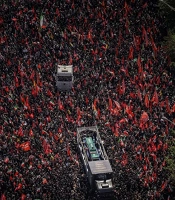
The spontaneous nighttime gatherings that emerged in cities across Iran following military aggression against the country during the winter of 2026 constituted unprecedented, community-led mass gatherings with no direct precedent in the Mass Gathering Medicine literature (Figure 1). Unlike planned religious events such as the Hajj or large-scale sporting events, these gatherings were unplanned, recurrent, nocturnal, and entirely driven by community solidarity in the context of an active military conflict (2, 3). The large-scale nationwide participation, combined with the spontaneous nature of the gatherings and their occurrence in a wartime environment, places them in a category not yet adequately addressed by existing Mass Gathering Medicine frameworks.
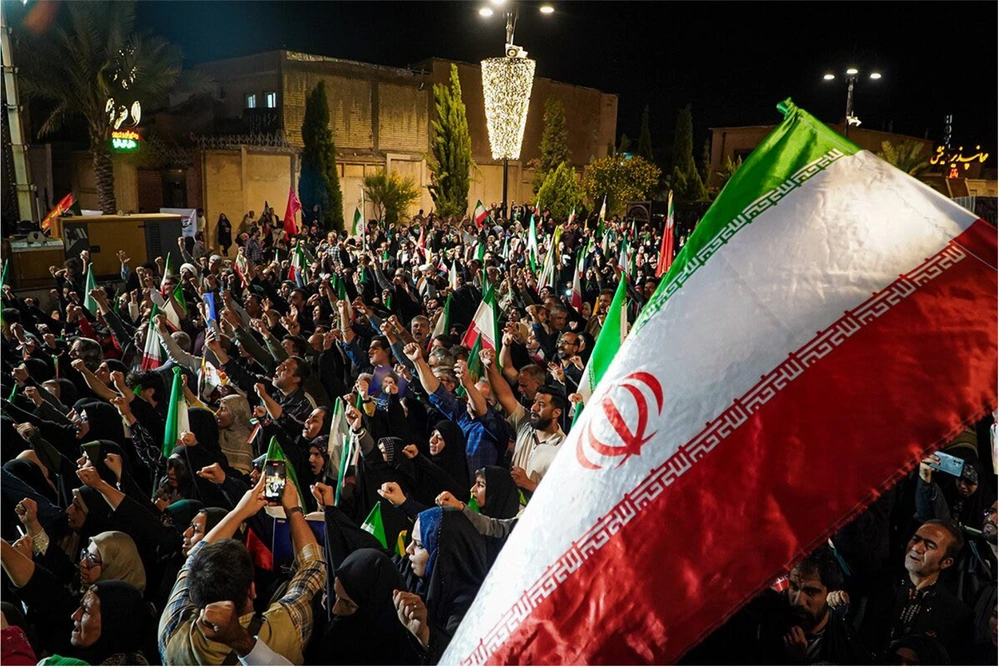
Figure 1.
Community-led mass gatherings in Iran (4)
To the best of the authors’ knowledge, this study is the first systematic qualitative investigation of health and safety management in solidarity-based public gatherings conducted during an active military conflict. Accordingly, the present study contributes a novel typology to the Mass Gathering Medicine literature: community-centered solidarity gatherings during crises. This type of gathering can be distinguished from other forms of mass gatherings by several defining characteristics: 1) the absence of a formal organizing authority and reliance on community capacity; 2) repeated implementation at short time intervals; 3) a high degree of emotional intensity and collective engagement; and 4) most importantly, pervasive national anxiety dominating the psychosocial atmosphere of the gathering and imposing a shared psychological burden on participants.
Perhaps the most remarkable finding of this study was not what was absent, but what was present despite the absence of any formal mandate. Within only a few days of the onset of the conflict, communities across Iran had established health stations staffed by volunteer physicians and nurses, waste segregation systems, lighting infrastructure, traffic management pathways, and cultural and psychosocial support services, all without centralized coordination or pre-established emergency response plans. In contrast to the present findings, Alrabie et al. emphasized the importance of leadership structures, coordination through unified command systems, and the implementation of clearly defined, pre-established protocols in mass gathering management (18).
This capacity reflects what Norris et al. describe as community resilience: the collective ability to absorb disruption, self-organize, and adapt in the absence of institutional guidance (19). Furthermore, unlike the circumstances observed in the present study, effective mass gathering management is generally considered to require extensive coordination among service providers, including healthcare personnel, as well as formal pre-event training programs (20). The broad spectrum of capacities identified in this study, including medical and safety services, welfare and environmental infrastructure, psychosocial services, accessibility measures, volunteer-driven management, and organizational learning, demonstrates the substantial latent capacity of Iranian civil society that was activated during the crisis. The presence of Red Crescent tents, volunteer-operated first-aid stations, high-visibility vests used for crowd management, and organized waste collection systems within gatherings that lacked formal event authorization illustrates a striking manifestation of social capital under conditions of societal stress.
From a public health perspective, these findings have important implications. They suggest that community-based health infrastructure, when mobilized through strong social cohesion, can partially compensate for formal emergency health systems during the acute phase of a crisis. This observation is consistent with the work of Drury et al. on collective resilience during mass emergencies, which demonstrates that shared identity and mutual aid behaviors reliably emerge among populations facing a common threat (21). The Ramadan War’s community-led mass gatherings may therefore serve as a natural laboratory for understanding how social capital can be transformed into health-protective behaviors at the population level.
Despite the exceptional self-organizing capacity demonstrated by the community, this study identified several areas for service improvement across all six thematic domains. This finding should not be interpreted as criticism of affected communities; rather, it represents a structural observation regarding the inherent limitations of informal organization in high-risk environments. As Hall et al. have argued, social capital is a necessary but insufficient condition for protecting population health (22). Social capital alone cannot substitute for evidence-based protocols, trained personnel, or pre-positioned resources and equipment. Moreover, social capital itself may gradually erode during prolonged crises unless reinforced through targeted interventions, including collective community-based activities and organized social engagement initiatives.
Substantial gaps were identified across multiple domains. Deficiencies were particularly pronounced in accessibility, inclusiveness, and human resource management. The findings indicate that virtually no dedicated provisions had been established for persons with disabilities, breastfeeding mothers, older adults, or individuals with limited proficiency in the Persian language. This observation aligns with a well-documented pattern in the mass gathering literature. In this regard, Alrabie et al. reported that language barriers directly influence access to services and the effectiveness of service delivery during mass gatherings (18). Similarly, persons with disabilities frequently encounter substantial barriers to equitable access to healthcare services, resulting in unmet needs and inadequate accommodation of their specific requirements (23). Despite the central position of persons with disabilities within international health equity frameworks, inclusiveness is often systematically overlooked in informal and emergency settings. The absence of wheelchair-accessible ramps, sign language interpretation services, designated breastfeeding spaces, and multilingual communication mechanisms in gatherings involving millions of participants represents a substantial deficiency in achieving health equity and inclusive emergency planning.
Following accessibility-related deficiencies, the domain of psychosocial services and mental health support exhibited some of the most significant shortcomings identified in this study. Given the wartime context in which these gatherings occurred, this finding represents a serious concern for population health and well-being. Participants in these gatherings were not merely attendees at a cultural event; they were civilians actively processing acute national psychological trauma, grief, uncertainty, and existential distress.
Guidelines on mental health and psychosocial support in emergency settings identify community gatherings during periods of conflict as priority environments for the deployment of psychological first aid and psychosocial support interventions. The near-complete absence of trained mental health professionals, psychological first-aid stations, and bereavement support resources within these gatherings therefore represents a missed opportunity with substantial public health implications. In this regard, the study by Choi et al. demonstrated that the psychological consequences of disasters and emergencies are not limited to direct victims and eyewitnesses; individuals exposed solely through media coverage may also experience persistent psychological effects that endure for years following the event (24). Consequently, the availability of mental health professionals and psychosocial support resources becomes even more critical in situations characterized by acute national psychological trauma.
Significant deficiencies were also identified in safety, emergency management, and operational preparedness, most notably with respect to evacuation planning. The absence of clearly designated safe evacuation routes, the lack of an appointed evacuation coordinator, and the unavailability of emergency power generators in gatherings of this magnitude substantially increase the risk of mass casualty incidents. Evidence from Mass Gathering Medicine has consistently demonstrated that crowd crush, crowd surge, and evacuation failure are among the leading causes of major incidents and mass casualty events in large-scale gatherings (25, 26). The 2015 Mina disaster during the Hajj, which resulted in more than 2000 deaths and injuries, remains one of the most prominent examples of the consequences of inadequate crowd-density management and insufficient evacuation infrastructure (27). Although the Ramadan War community-led mass gatherings did not experience such an incident, the structural conditions associated with these risks were nevertheless present.
Important deficiencies were likewise identified in the provision of medical services. Among the most critical were the absence of AEDs and the lack of dedicated medical response teams operating under clearly defined clinical and operational protocols. The evidence supporting AED deployment in mass gatherings is unequivocal: survival following out-of-hospital cardiac arrest is strongly associated with the time to first defibrillation, and the availability of AEDs in high-risk public settings has been shown to increase survival rates by as much as twofold (28, 29). In gatherings involving tens of thousands of participants, including older adults experiencing substantial emotional stress, the absence of AEDs constitutes a preventable and unacceptable risk to public safety.
5.2. Lessons for Policy and Practice
The findings of this study yield five practical lessons for health system planners, emergency managers, and civil society organizations.
First, social capital is not a substitute for planning. The exceptional community response documented in this study should be recognized and built upon, rather than used to justify the absence of formal preparedness mechanisms. The WHO mass gathering health framework explicitly stipulates that even informal and spontaneous gatherings exceeding a defined threshold should trigger a minimum public health response protocol (2). The experience of spontaneous public participation in Iran demonstrates that communities will mobilize when needed; therefore, the health system must be prepared to mobilize alongside them.
Second, volunteer training functions as a force multiplier. The volunteers who managed these mass gatherings were highly motivated, organized, and effective within the scope of their existing competencies. Structured predeployment training in basic life support, psychological first aid, crowd safety, and inclusive service delivery could have substantially enhanced their operational capacity at minimal cost (30). Accordingly, the development of a national volunteer training curriculum for mass gatherings conducted in crisis settings should be considered a strategic priority.
Third, data collection is a prerequisite for organizational learning. This study identified no systematic mechanism for documenting health incidents, service utilization, or near-miss events during the gatherings. In the absence of such data, it is impossible to evaluate the effectiveness of interventions, identify emerging public health threats, or improve future response efforts. Minimum standards for health information management provide a practical framework that can be adapted to this context.
Fourth, inclusiveness must be a design principle rather than an afterthought. Accessible health services during emergencies constitute a right rather than a preference. In this regard, future gatherings of this nature should incorporate accessibility audits, dedicated support personnel, and inclusive communication mechanisms as fundamental operational requirements.
Fifth, mental health must be considered a frontline response priority. Guidelines and the growing literature on collective trauma among conflict-affected populations demonstrate that psychological first aid is not a luxury service (31). In gatherings where participants are simultaneously grieving, celebrating, and processing an existential threat, mental health support is as essential as physical first-aid services.
5.3. Limitations
Several limitations should be considered when interpreting the findings of this study. Although the qualitative design was appropriate for the exploratory objectives of the research, it does not permit generalization of the findings to all gatherings or all regions of Iran. Field observations were conducted by a single researcher without the use of a standardized observational instrument, raising the possibility of observer bias.
Furthermore, security and logistical constraints limited access to certain gathering sites and may have introduced sampling bias in both the observational and interview components of the study. The wartime context also precluded the use of quantitative methodologies and probability-based sampling approaches.
Finally, the absence of a formal incident reporting system meant that health outcomes associated with these mass gatherings, including injury rates, patterns of medical service utilization, and mental health consequences, remain unknown and could not be measured within the scope of the present dataset. Consequently, the study primarily reflects observed capacities, operational practices, and perceived challenges rather than objectively measured health outcomes.
5.4. Conclusions
The Ramadan War’s community-led mass gatherings of 2026 constitute a historic and unprecedented expression of civic solidarity in response to military conflict. The infrastructure that communities spontaneously established around these gatherings without formal mandates, assigned responsibilities, or institutional direction, and under conditions of acute national stress, provides compelling evidence of the depth of social capital within Iranian society and the commitment of its volunteer health workforce. This study documents that capacity with the recognition and respect it merits.
At the same time, the findings demonstrate that, alongside the remarkable achievements of these gatherings, several structural vulnerabilities existed in areas including accessibility, mental health support, evacuation safety, and emergency medical response. Under different circumstances, these shortcomings could have produced substantial public health consequences. The central argument of this study is not that these gatherings failed; on the contrary, they were remarkably successful. Rather, the findings suggest that they succeeded despite the absence of systems and capacities that should have been present, and future crises may not prove equally forgiving. The field of Mass Gathering Medicine has much to learn from the Iranian experience. Likewise, the Iranian health system stands to benefit substantially from integrating the principles, evidence base, and operational frameworks of Mass Gathering Medicine into future preparedness and response planning (Figure 2).
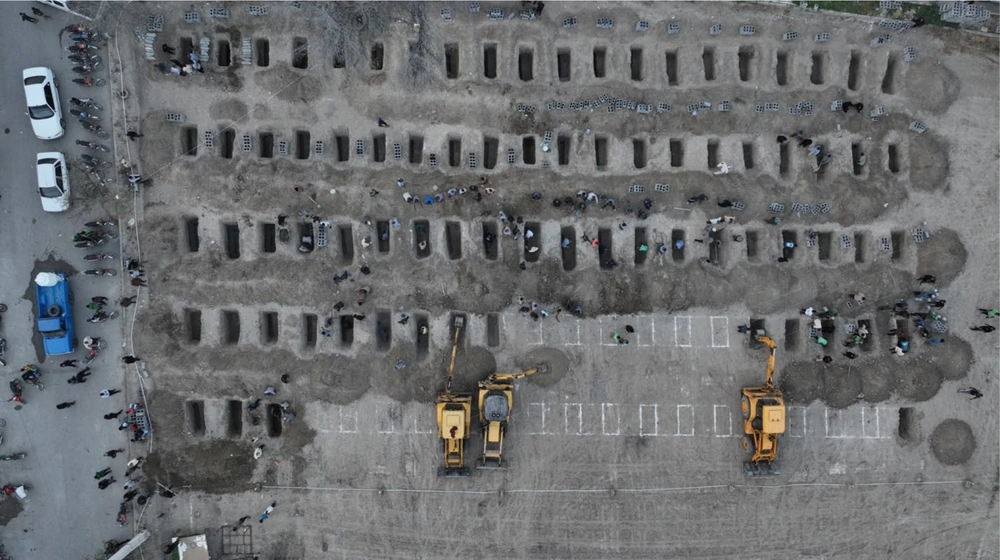
Figure 2.
Preparation of the graves of the Minab School students who lost their lives during the military air attacks on Iran.