
1. Background
Nursing is a frontline profession in health systems, characterized by heavy responsibility for direct patient care and constant exposure to suffering, pain, death, and interpersonal conflicts. International evidence indicates that healthcare workers, particularly nurses, are exposed to high levels of stress, burnout, anxiety, and depression, and their mental health has increasingly been recognized as a key public health priority (1). During the COVID-19 pandemic, workload, fear of infection and transmission, shortages of protective equipment, and frequent exposure to death further exacerbated psychological distress among nurses and highlighted the urgent need for effective supportive interventions (2).
In Iran, various studies have shown that nurses face considerable levels of occupational stress, emotional exhaustion, and mental health problems. Analytical research among Iranian nurses has demonstrated that organizational factors, high workload, rotating shifts, role conflict, and limited supportive resources are major determinants of job stress, burnout, and reduced job satisfaction (3). Systematic reviews of spiritual health among Iranian nurses suggest that low spiritual health is associated with adverse psychological outcomes (4). Moreover, a significant relationship has been reported between spiritual health and symptoms of stress, anxiety, and depression in various populations, including patients with chronic diseases (5).
In recent decades, spirituality and in particular “spiritual health” has been recognized as an important dimension of health and an inner resource for hope, meaning, coherence, and adaptation in the face of life stressors (4, 6). Existing evidence indicates that nurses’ spiritual health is associated with job satisfaction, professional commitment, quality of care, and lower intention to leave the profession (6). Among healthcare workers, higher spiritual health has also been linked with lower levels of stress, anxiety, and depression (5).
Beyond measuring spirituality, educational interventions based on “spiritual intelligence” and “spiritual skills” have attracted increasing attention. These interventions seek to transform abstract spiritual concepts into teachable and practicable skills in daily life, such as meaning-making, trust in God (tawakkul), gratitude, patience, forgiveness, altruism, and spiritual self-awareness (7-9). Reviews indicate that structured spiritual skills training packages can enhance spiritual health, improve coping, and reduce psychological problems in different populations (8, 9).
In nursing, several interventions have been implemented to strengthen spirituality and spiritual skills. Some studies report that spiritual intelligence training improves nurses’ communication skills, enhances care quality, and reduces job stress (10, 11). Other research demonstrates that spiritually based interventions and spiritual group therapy among psychiatric nurses improve psychological well-being, increase job satisfaction, and reduce anxiety, depression, and job stress (12-15). Spiritual self-care education has also been shown to increase resilience and reduce psychological strain among nurses working in intensive care units dedicated to COVID-19 patients (16), and virtual spiritual self-care training has reduced COVID-related anxiety in final-year nursing students (17).
From a theoretical perspective, the mechanisms by which spiritual interventions exert their effects can be explained within the frameworks of “stress appraisal and coping” and “spiritual coping.” In Folkman’s model, the individual’s primary appraisal of a stressor and secondary appraisal of available coping resources play a central role in the experience of stress and its outcomes (18). Spirituality and spiritual skills can provide a meaningful framework for interpreting stressful events, strengthen belief in meaning and purpose in life, foster a sense of connection with a transcendent source, and increase hope, thereby modifying cognitive appraisal of difficult situations (19). Emphasis on spiritual values such as altruism, gratitude, forgiveness, and patience may also promote more positive interpersonal relationships, greater social support, and a sense of internal efficiency, which are considered protective factors against stress and burnout (3, 6).
Despite growing research on spirituality and nursing, interventional evidence regarding the effects of structured spiritual skills training on stress, anxiety, and depression among nurses in psychiatric hospitals, especially within the cultural and religious context of Iran, remains limited. Although some domestic studies have examined spiritual interventions and their impact on nurses’ mental health and job-related outcomes (12-15), few quasi-experimental studies with two-group designs and standardized psychometric instruments have been conducted in psychiatric settings.
2. Objectives
Given the importance of mental health among psychiatric nurses and the potential role of spiritual skills in mitigating adverse consequences of job stress, this study was conducted to examine the effect of spiritual skills training on stress, anxiety, and depression among nurses working in Baharan Psychiatric Hospital in Zahedan, Iran.
3. Methods
3.1. Study Design
This research was a quasi-experimental study with a pretest-posttest design and control group, conducted in 2024 in Baharan Psychiatric Hospital in Zahedan.
3.2. Setting and Participants
The study setting was Baharan Psychiatric Hospital, one of the main referral centers providing inpatient services for patients with psychiatric disorders in Sistan and Baluchestan province, southeast Iran. The study population comprised all nurses working in this hospital in 2024.
Given the limited number of nurses and to enhance the precision of estimates, sampling was performed using a census approach: All nurses who met the inclusion criteria and agreed to participate were enrolled. In total, 70 nurses participated in the study. After completion of the pretest, participants were randomly allocated by simple randomization into an intervention group (n = 35) and a control group (n = 35) to allow a fair comparison of the intervention effect.
3.3. Inclusion and Exclusion Criteria
Inclusion criteria were: Employment as a nurse at Baharan Psychiatric Hospital. Working rotating shifts. Ability to attend the training sessions. Willingness to participate and provide informed consent.
Exclusion criteria were: Concurrent participation in other active psychiatric or psychological interventions specifically targeting mood or anxiety disorders. Failure to complete the questionnaires at either pretest or posttest. Absence from more than one training session.
3.4. Instruments
3.4.1. Demographic Questionnaire
The demographic form collected data on age, gender, marital status, educational level, and employment type (contract, project-based, or permanent).
3.4.2. Depression Anxiety Stress Scales
The 21-item Depression Anxiety Stress Scales (DASS-21) is the short form of the original 42-item instrument and assesses three domains — depression, anxiety, and stress — each with seven items. Responses are rated on a four-point Likert scale from 0 (“did not apply to me at all”) to 3 (“applied to me very much or most of the time”), and subscale scores are obtained by summing the corresponding items; the total DASS-21 score is calculated by summing all 21 items (20). The DASS-21 has shown good psychometric properties internationally (20). In a sample of Iranian health professionals, including nurses, Cronbach’s α was 0.93 for the total scale and 0.88, 0.88, and 0.89 for depression, anxiety, and stress, respectively, with confirmatory factor analysis supporting the original three-factor structure (5). These findings support the use of the Persian DASS-21 as a valid and reliable measure of depression, anxiety, and stress in Iranian populations.
In the present study, preliminary testing yielded Cronbach’s alpha coefficients of 0.81 for depression, 0.79 for anxiety, 0.83 for stress, and 0.86 for the total scale, indicating satisfactory internal consistency in the study sample.
3.5. Intervention: Spiritual Skills Training Program
The content of the intervention was developed based on existing spiritual skills training packages and the evidence base in this field (7-9). The program for the intervention group consisted of eight 30-minute group sessions held twice weekly over four consecutive weeks. Sessions were conducted during non-peak working hours in coordination with the hospital’s educational supervisor.
3.6. Summary of Session Content
Session 1: Introduction, explanation of study objectives, group familiarization, discussion of stress, anxiety, depression, and their consequences in nursing; introduction to spirituality and spiritual health.
Session 2: Concept of faith and connection with God, tawakkul (trust in God), and the sense of spiritual support; the role of trust in coping with difficult situations.
Session 3: Meaning making in life and work; helping participants identify personal and professional values and goals; exercises in reframing difficult experiences within a meaningful framework.
Session 4: Forgiveness of self and others, anger control, and letting go of resentment; the impact of forgiveness on inner peace and interpersonal relationships.
Session 5: Gratitude and awareness of blessings; daily gratitude exercises and their role in improving mood and reducing focus on negative aspects.
Session 6: Altruism and helping others; the relationship between altruistic behavior, life satisfaction, and a sense of worth in the nursing role.
Session 7: Patience and perseverance in the face of adversity; the concept of active patience and spiritual strategies for enduring workplace difficulties.
Session 8: Integration and review of key concepts; group reflection on experiences applying spiritual skills at work; addressing questions and emphasizing the continuation of practices.
Throughout the sessions, group discussion, guided questions, clinical examples related to psychiatric nursing, and simple take-home assignments (such as writing three things to be grateful for each day) were used. The control group received no spiritual skills training during the study period and continued with routine hospital educational activities only.
3.7. Procedure
After explaining the study aims and procedures and obtaining written informed consent, both groups completed the demographic questionnaire and DASS-21 at baseline (pre-intervention). The spiritual skills training program was then delivered to the intervention group. Immediately after completion of the eight sessions, the DASS-21 was re-administered to both groups (posttest).
3.8. Statistical Analysis
Data were checked for completeness and entered into SPSS version 26. Descriptive statistics (mean and standard deviation for continuous variables; frequency and percentage for categorical variables) were used to describe the sample. Independent t-test and chi-square test were used to compare demographic characteristics between groups. Independent t-test was also used to compare baseline and post-intervention scores of stress, anxiety, depression, and total DASS-21 between the intervention and control groups. A P-value < 0.05 was considered statistically significant.
3.9. Ethical Considerations
The study was conducted in accordance with the ethical principles of research involving human participants, including confidentiality, voluntary participation, the right to withdraw at any time, and group-level reporting of data. The aims and procedures of the study were fully explained to all participants, and written informed consent was obtained.
The study was implemented following approval by the relevant institutional ethics committee; (IR.IAU.ZAH.REC.1404.003).
4. Results
4.1. Demographic Characteristics
A total of 70 nurses participated in the study, with 35 assigned to the intervention group and 35 to the control group. The mean age of participants was 29.71 ± 9.33 years in the intervention group and 32.85 ± 9.87 years in the control group; this difference was not statistically significant (P = 0.306). Gender distribution was similar across groups: In the intervention group, 14 nurses (40%) were male and 21 (60%) female, compared with 11 males (31.4%) and 24 females (68.6%) in the control group (P > 0.05).
With respect to marital status, in both groups 13 nurses (37.1%) were single and 22 (62.9%) married (P = 1.00). Regarding educational level, 24 nurses (68.58%) in the intervention group and 23 (65.71%) in the control group held a bachelor’s degree, 10 (28.57%) and 11 (31.43%) respectively held a master’s degree, and 1 nurse (2.85%) in each group held a doctoral degree (P = 0.985). The groups also did not differ significantly in employment type. Overall, the intervention and control groups were homogeneous in terms of main demographic variables at baseline (Table 1).
Table 1.
Baseline Demographic Characteristics of Participants by Group (N = 35) a
| Variables | Intervention | Control | P-Value b |
|---|---|---|---|
| Age (y) | 29.71 ± 9.33 | 32.85 ± 9.87 | 0.306 |
| Gender | > 0.05 | ||
| Male | 14 (40.0) | 11 (31.4) | |
| Female | 21 (60.0) | 24 (68.6) | |
| Marital status | 1.00 | ||
| Single | 13 (37.1) | 13 (37.1) | |
| Married | 22 (62.9) | 22 (62.9) | |
| Educational level | 0.985 | ||
| Bachelor’s degree | 24 (68.58) | 23 (65.71) | |
| Master’s degree | 10 (28.57) | 11 (31.43) | |
| Doctoral degree | 1 (2.85) | 1 (2.85) | |
| Employment status | 0.121 | ||
| Project-based employment | 15 (42.86) | 15 (42.86) | |
| Contract employment | 1 (2.85) | 6 (17.14) | |
| Permanent employment | 19 (54.29) | 14 (40.0) |
a Values are expressed as mean ± SD or No. (%).
b Independent t-test for age; chi-square test for categorical variables.
4.2. Total DASS-21 Score
Table 2 presents the mean total DASS-21 scores in the two groups. At baseline, there was no significant difference between the groups (P > 0.05). After the intervention, the mean total score in the intervention group was significantly lower than that in the control group (P < 0.001).
Table 2.
Comparison of Total DASS-21 Scores Between Groups Before and After the Intervention
| Time/Group | Mean ± SD | P-Value (Between Groups) a |
|---|---|---|
| Pre-intervention | > 0.05 | |
| Intervention | 43.70 ± 4.20 | |
| Control | 42.56 ± 4.91 | |
| Post-intervention | < 0.001 | |
| Intervention | 31.02 ± 5.08 | |
| Control | 41.96 ± 5.17 |
a Independent t-test between groups at each time point.
4.3. Stress, Anxiety, and Depression Scores
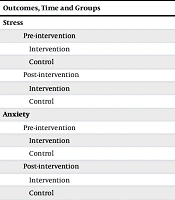
Table 3 shows the mean scores for stress, anxiety, and depression in the intervention and control groups before and after the intervention. At baseline, no significant differences were observed between the groups in any of the three subscales (P > 0.05). After the intervention, the intervention group had significantly lower stress, anxiety, and depression scores than the control group.
Table 3.
Comparison of Stress, Anxiety, and Depression Scores Between Groups Before and After the Intervention
| Outcomes, Time and Groups | Mean ± SD | P-Value (Between Groups) a |
|---|---|---|
| Stress | ||
| Pre-intervention | > 0.05 | |
| Intervention | 14.28 ± 2.45 | |
| Control | 13.80 ± 2.41 | |
| Post-intervention | < 0.001 | |
| Intervention | 10.57 ± 2.60 | |
| Control | 14.11 ± 1.02 | |
| Anxiety | ||
| Pre-intervention | > 0.05 | |
| Intervention | 14.65 ± 2.40 | |
| Control | 14.51 ± 2.34 | |
| Post-intervention | < 0.001 | |
| Intervention | 9.80 ± 2.25 | |
| Control | 14.40 ± 2.77 | |
| Depression | ||
| Pre-intervention | > 0.05 | |
| Intervention | 14.77 ± 2.91 | |
| Control | 14.25 ± 2.85 | |
| Post-intervention | 0.004 | |
| Intervention | 10.65 ± 2.68 | |
| Control | 13.45 ± 3.14 |
a Independent t-test between groups.
5. Discussion
This study aimed to examine the effect of spiritual skills training on stress, anxiety, and depression among nurses working in Baharan Psychiatric Hospital in Zahedan, Iran. The findings showed that, following eight sessions of spiritual skills training, stress, anxiety, depression, and total DASS-21 scores in the intervention group were significantly lower than in the control group, whereas the two groups were comparable at baseline.
5.1. Comparison with Previous Studies
The present findings are consistent with the growing body of evidence on the impact of spiritual interventions on the mental health of nurses and other healthcare workers. In a study among psychiatric nurses, spirituality-based training improved psychological well-being and increased job satisfaction (12). Other studies have reported that spiritual interventions and spiritual group therapy can reduce job stress and symptoms of depression and anxiety in psychiatric nurses (13-15).
Several studies have also shown that spiritual intelligence and spiritual skills training can reduce nurses’ job stress and emotional exhaustion and enhance the sense of meaning in work and job satisfaction (10, 11, 21). Systematic reviews on spiritual intelligence interventions for nurses and nursing students confirm the positive effects of such programs on psychological and professional outcomes (9, 21).
Our results are also congruent with research conducted during the COVID-19 pandemic among nurses and nursing students. Spiritual self-care education increased resilience among nurses working in intensive care units dedicated to COVID-19 patients (16), and virtual spiritual self-care training reduced COVID-related anxiety among final-year nursing students (17).
Internationally, numerous studies have documented the role of spirituality and religion in reducing stress and burnout and improving coping among nurses (21-23). For instance, spirituality and spiritual health among Muslim nurses in Saudi Arabia have been associated with lower emotional exhaustion and higher job satisfaction (23), and spirituality has been identified as a key coping resource for managing stress in nurses (21, 22). These findings are consistent with the present results demonstrating concomitant reductions in stress, anxiety, and depression following spiritual skills training.
The findings of this study can be interpreted within the frameworks of spiritual coping and meaning-making theories. The spiritual skills covered in the training sessions — such as trust in God, gratitude, forgiveness, altruism, patience, and meaning-making — may contribute to reducing stress, anxiety, and depression through several mechanisms.
First, enhancing meaning and purpose in work is central. Emphasizing the role of spirituality in giving meaning to life and work can help nurses view difficult professional experiences within a more meaningful framework and perceive patients’ suffering and workplace demands as part of their professional and spiritual mission (4, 6, 24). This cognitive reframing may lessen the intensity of perceived stress and feelings of helplessness.
Second, spiritual skills may modify cognitive appraisal of stressful situations. According to Folkman’s stress appraisal and coping model, primary appraisal of threat and secondary appraisal of coping resources determine the level of experienced stress (18). Skills such as trust in God, gratitude, and patience can attenuate threat appraisals and increase perceptions of control, hope, and inner support, thereby promoting more adaptive coping and reducing anxiety (19).
Third, emphasis on altruism, helping others, and forgiveness may foster more positive interpersonal relationships and provide nurses with greater social and emotional support — well-established protective factors against stress, depression, and burnout (3, 6, 17).
Fourth, spiritual skills may enhance self-awareness and emotion regulation. Spiritual self-awareness, attention to internal states, and practices such as prayer and remembrance of God can facilitate better regulation of emotions, reduce negative rumination, and increase emotional acceptance processes that have been highlighted in the literature on spiritual skills and spiritual intelligence (7-9, 19). Collectively, these mechanisms may explain the simultaneous decrease observed in stress, anxiety, and depression scores in this study.
5.2. Strengths of the Study
Key strengths of this study include its focus on psychiatric nurses, an understudied high-risk group, the use of a structured multi-session spiritual skills training program, and the application of the standardized DASS-21 instrument to assess stress, anxiety, and depression concurrently (20). In addition, the two-group design (intervention and control), baseline comparability of groups in demographic variables, and census recruitment of all eligible nurses contribute to the internal validity of the findings.
5.3. Limitations
Several limitations should be considered when interpreting the results. First, the study was conducted in a single psychiatric hospital in one city, which limits the generalizability of the findings to other hospitals, geographic regions, and professional groups. Second, the relatively small sample size and single-center design reduce statistical power to detect smaller effects, although the use of census sampling limited the possibility of increasing the sample size.
Third, data were collected exclusively through a self-report instrument, making the findings susceptible to response biases such as social desirability or under/over-reporting of symptoms. Future studies could incorporate objective indicators (e.g., absenteeism, error rates, or physiological markers of stress) alongside self-report scales. Fourth, outcomes were assessed only immediately after completion of the intervention; therefore, the long-term sustainability of effects (e.g., at 3- or 6-month follow-up) remains unknown. Longitudinal designs with extended follow-up periods are needed.
5.4. Practical Implications and Recommendations
Based on the results of this study, it is recommended that: Spiritual skills training be integrated in a structured manner into in-service education programs for nurses, particularly in psychiatric and other high-stress clinical settings. Nursing managers and health policymakers formally recognize spirituality and spiritual health as important components of comprehensive programs to promote staff mental health and allocate resources to implement evidence-based spiritual interventions (3, 4, 6). Future research examine the combined effects of spiritual skills training with other interventions (e.g., coping skills training, mindfulness-based programs, or group-based stress reduction) on mental health and work-related outcomes. Multi-center studies with larger samples and longer follow-up periods be conducted to better assess the sustainability and generalizability of the observed effects. Future studies incorporate more objective outcome measures (e.g., clinical performance indicators, absenteeism, or physiological stress markers) alongside self-report scales to provide a more comprehensive picture of intervention impact.
5.5. Conclusions
This study demonstrated that structured spiritual skills training can significantly reduce stress, anxiety, and depression among nurses working in Baharan Psychiatric Hospital in Zahedan. Given the high psychological demands of psychiatric settings and the pivotal role of nurses in care quality, implementing culturally adapted, evidence-based spiritual interventions may constitute an effective component of comprehensive programs to promote nurses’ mental health and prevent burnout within the health system.