Dear Editor,
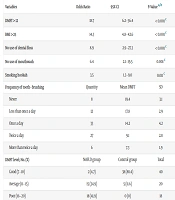
I read with great interest the recent article by Gheisary et al. examining the association between oral health status and non-alcoholic fatty liver disease (NAFLD) using the decayed, missing, and filled teeth (DMFT) index in a comparative cross-sectional study (1). The authors provide additional evidence highlighting the potential relationship between systemic metabolic disorders and oral health conditions. Their findings that patients with NAFLD had significantly higher DMFT scores and poorer oral hygiene behaviors compared with controls add important data to the growing literature supporting the concept of an oral–systemic health connection.
One particularly notable finding is the potential association between elevated liver enzymes and poorer dental status. The reported positive correlations between alanine aminotransferase (ALT), aspartate aminotransferase (AST), and DMFT indices suggest that worsening hepatic dysfunction may parallel oral disease burden. These observations support the hypothesis of a biological “mouth–liver axis”, in which chronic oral inflammation and periodontal pathogens may contribute to systemic inflammatory pathways implicated in NAFLD progression (2, 3). As for the biological “mouth–liver axis”, the potential mechanism is that increased reactive oxygen species and reduced antioxidant activity contribute to local tissue destruction and a generalized inflammatory environment in patients with periodontitis. With regard to the detection of cytokines in periodontitis, they have also been clearly observed in patients with hepatitis.
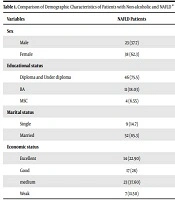
Despite these important contributions, several aspects merit further consideration. First, the cross-sectional design limits the ability to establish causality between poor oral health and NAFLD. Longitudinal cohort studies would be helpful in determining whether oral disease precedes or accelerates hepatic pathology. Second, though DMFT is an indicator of oral health status, periodontal status can also reflect oral health (4). If the authors added more outcome variables in this study, the results would be more persuasive methodologically. Third, in addition to the variables already mentioned, factors such as body mass index, insulin resistance, lipid profile, dietary habits, and socioeconomic status may influence both oral health and NAFLD risk (5). Underestimation of these factors will bias the results of this study. Given the imbalance between the male and female populations, considering selection bias will contribute to an unbiased result. Fourth, the interpretation of the reported correlations between liver enzymes and DMFT should be more precise. Correlation does not imply directionality, and shared underlying risk factors may contribute to the observed relationships.
Nevertheless, the study has meaningful clinical implications. The proposed DMFT threshold (> 12) as a potential screening indicator for NAFLD is particularly intriguing, as dental examinations are inexpensive and widely accessible. If validated in larger populations and if diagnostic performance is taken into consideration before clinical application, dental clinics could serve as an additional setting for early identification of individuals at risk for metabolic liver disease.
Overall, this study underscores the importance of interdisciplinary collaboration between dentistry and hepatology and highlights oral health as a potentially valuable component of systemic disease prevention strategies.