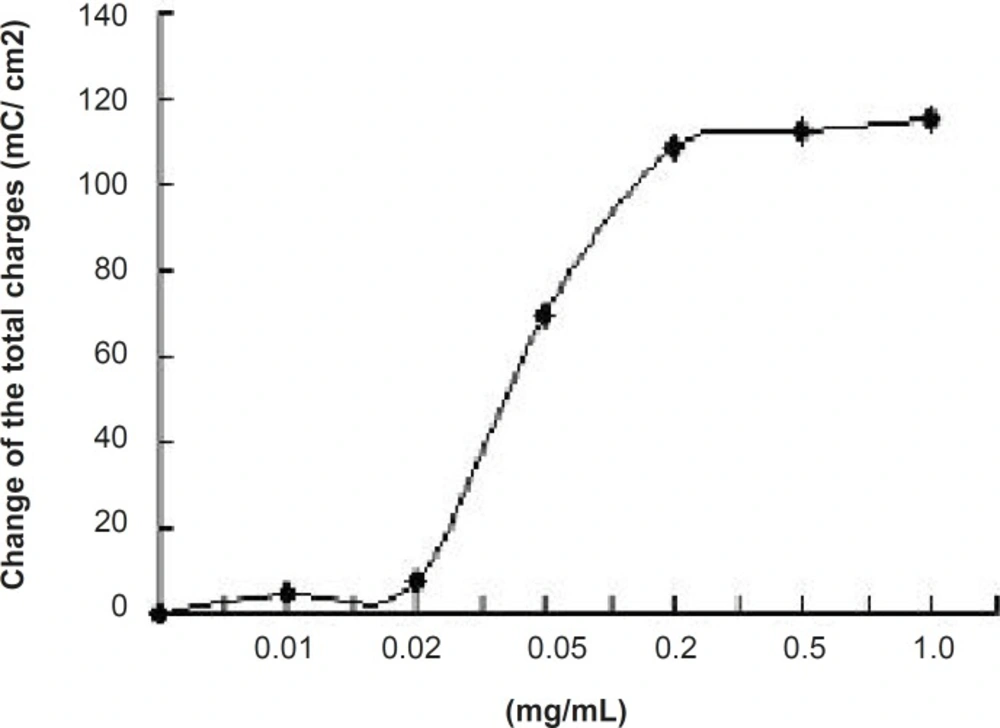
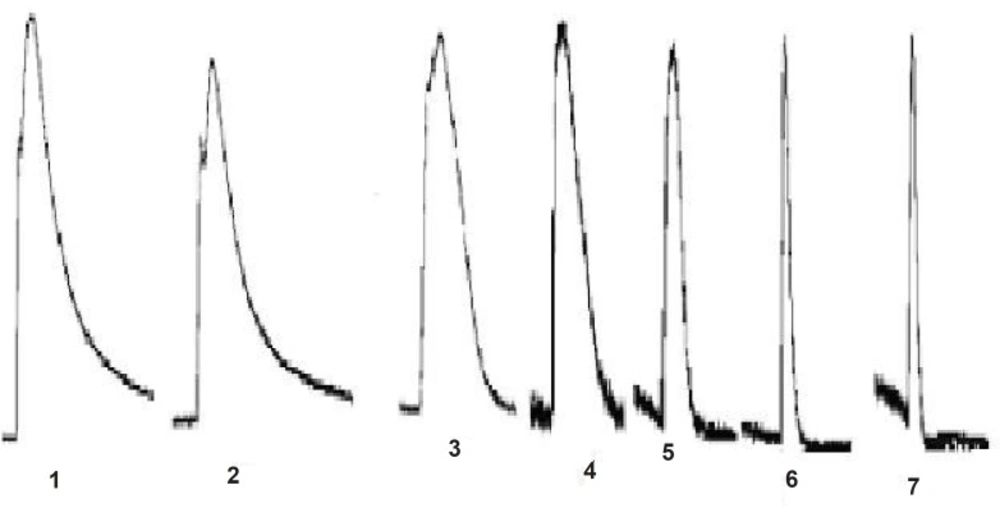
The present study is the first to investigate the pharmacological action of JME on intracellular signaling mechanisms. JME exerted a significant secretory effect at the higher concentration assayed. According to JME’s traditional using, the mechanism of JME on secretagogue-induced Cl- secretion was selected for the subsequent experiments.
It has been reported that adrenalin induced Cl
- secretion in some epithelial cells through action of basolateral adrenoreceptors, such as epididymal epithelium and colonic cells (
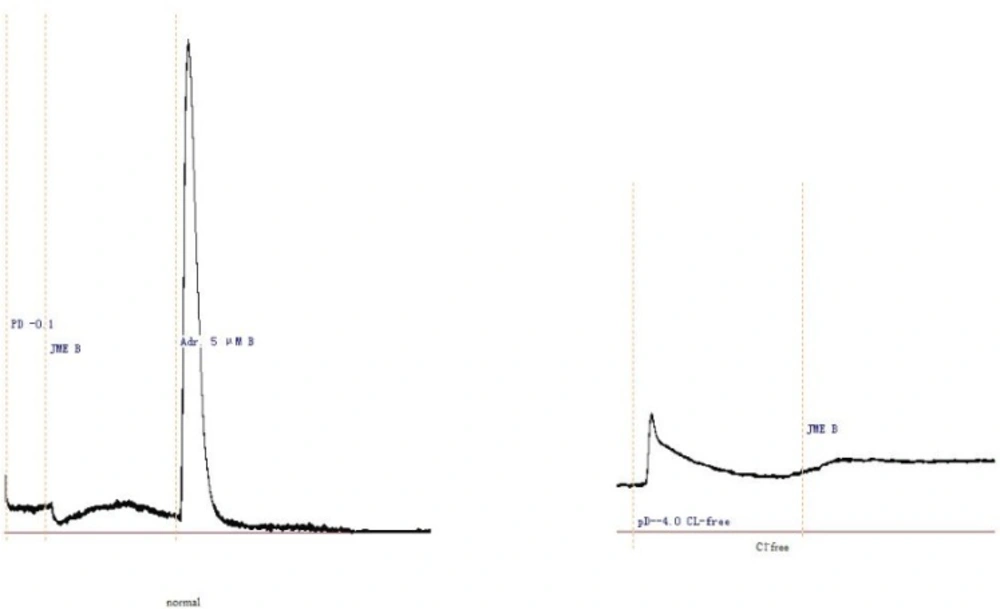
12). In normal Krebs solution, Adr. elicited a biphasic Isc response consisting of an initial spike followed by a delayed, but more sustained response. Pretreatment of T
84 cells for 20 min with JME (0.2 mg/mL, basolateral) can abolish the second response. Using the nonselective β-adrenoreceptors antagonist propranolol can aslo abolish the components. It is suggested that JME exert a direct inhibitory effect on basolateral β-adrenoreceptors so that the opening of the apical anion channels would be somehow compromised. The inhibitory effect of JME extract was concentration-dependent.
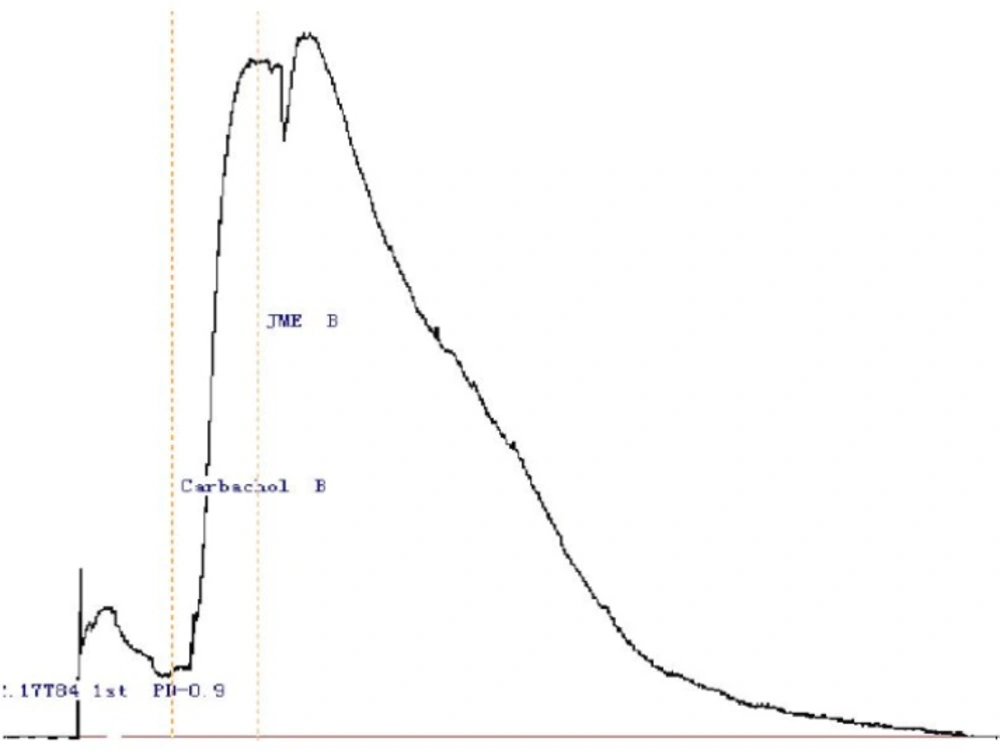
It is interesting to find that, JME was ineffective in blocking the Isc responses to carbachol. It has been reported that in T
84 cells, carbachol can stimulate a Ca
2+ dependent Cl
- secretion through activation of basolateral M-Ach recptor (
13). The present results suggested that ME was ineffective in blocking basolateral M-Ach receptor in T84 cells.
We investigated the putative inhibition of secretion through blockade of basolateral K
+ channels by using nystatin-permeabilised human colonic mucosae in order to enucleate the effect of I
k to JME. Under these conditions of the low Cl- solutions, mucosa to serosa K
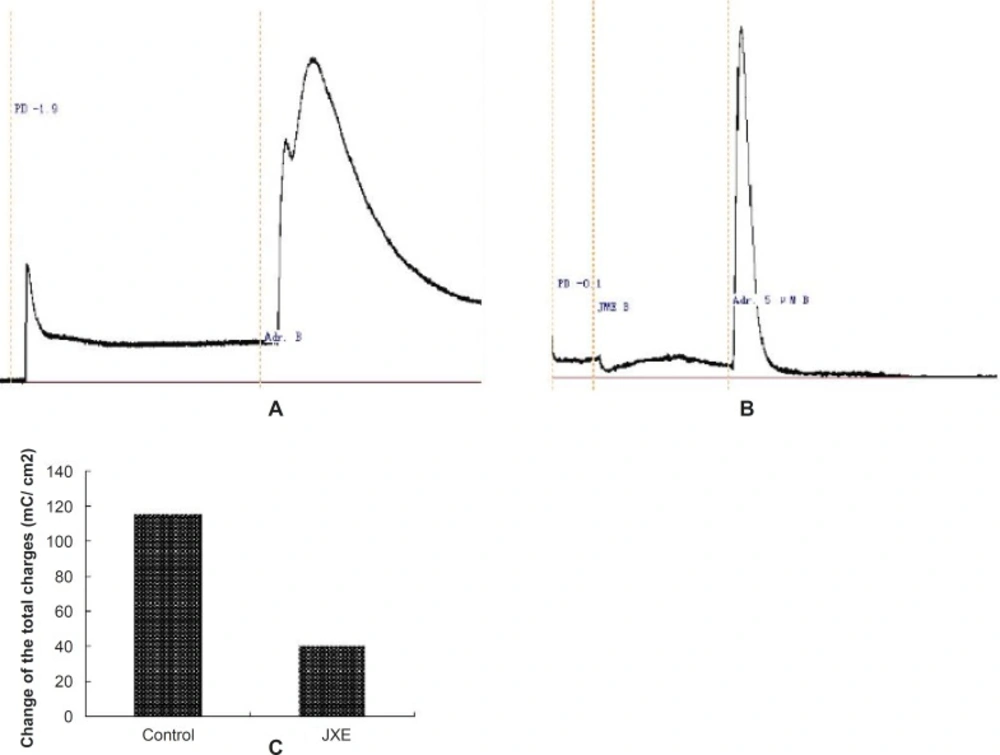
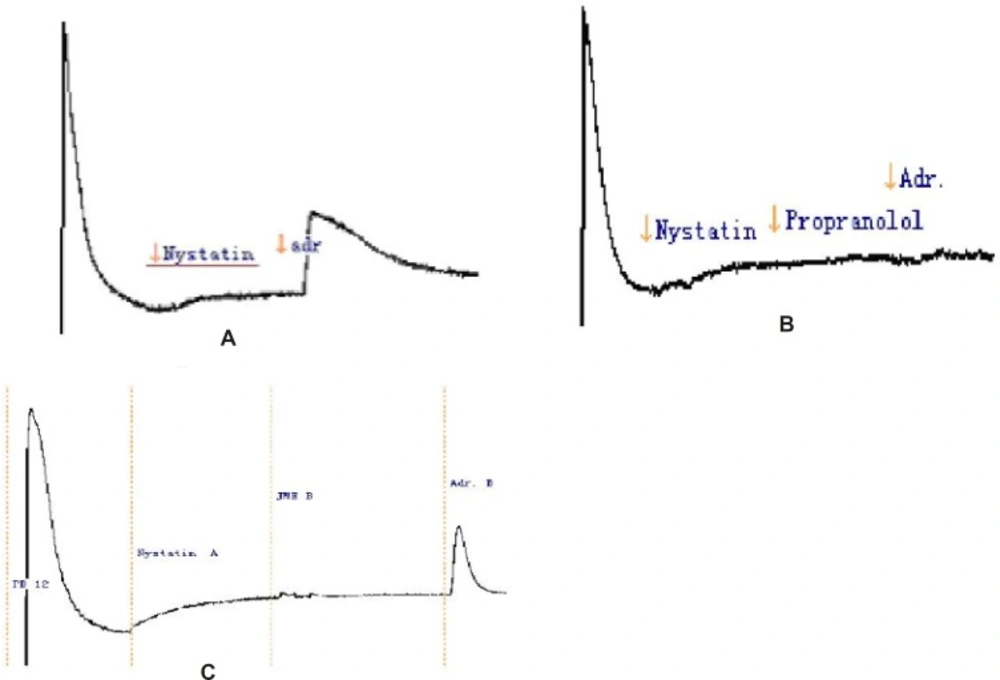
+ gradient, apical permeabilisation with nystatin (180 μg/μL), a relationship between Adr. (5 μM) and K
+ gradient was observed (
Figure 6a). The result showed that Adr cann’t stimulate K
+ secretion. Under the same condition we added the propranolol (the inhibitor of Adr.,10 μM) on the basolateral of the monolayer, then, the Adr.( 5 μM) was added (
Figure 6b). I
sc was completely inhibited. So, in the T84 cell line, Adr. induces secretion through activation of basolateral β-adrenoreceptors. Under the same condition when pretreatment of T
84 cells for 20 min with JME (0.2 mg/mL, basolateral), the second secretory response of Adr.-induced was significantly inhibited (
Figure 6c).
Representative Isc recordings in response to JME of the T84 cell line in a low Cl- solution (n=3).
Taken together, the present results have demonstrated that JME exerted an inhibitory effect on gastrointestinal Cl- secretion that is effected by acting on basolateral β-adrenoreceptors. The ability of JME to inhibit Cl- secretion in the GI tract can contribute to its beneficial effects, such as reducing smooth muscle movement and decreasing the frequency of defecations.
At the moment, it is uncertain whether the inhibitory effect of JME on Cl- secretion is due to the collective effect of all the constituent herbal components or some active ingredients contained in the JME. Nevertheless, the current study has established a model for the quantitative measurement of JME effect on the GI tract and for further screening of its possible active ingredients. The study of intracellular signaling mechanisms validated the JME pharmacological action.
The mechanism of action of the JME is still not fully elucidated, but it involves a direct effect on the enterocyte. The effects are not specific for a particular signal transduction mechanism, and may be involved in the anti-secretory effect. The intracellular signaling mechanisms of JME much more validated the JME pharmacological action.