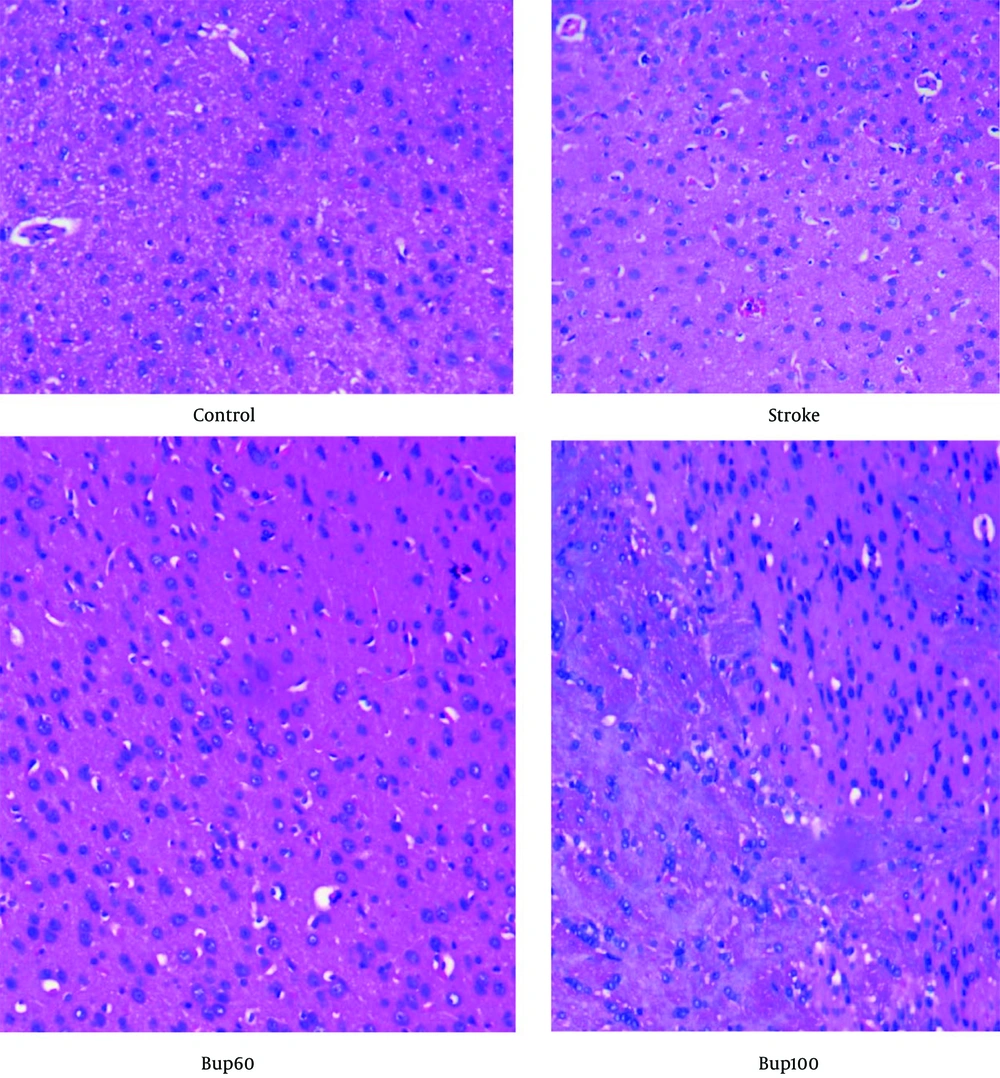
Cerebral I/R injury is one of the most debilitating diseases, associated with a significant decrease in quality of life and high mortality (
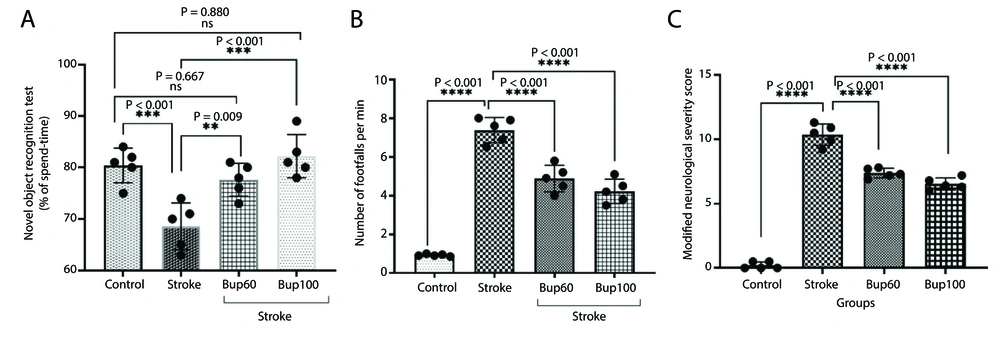
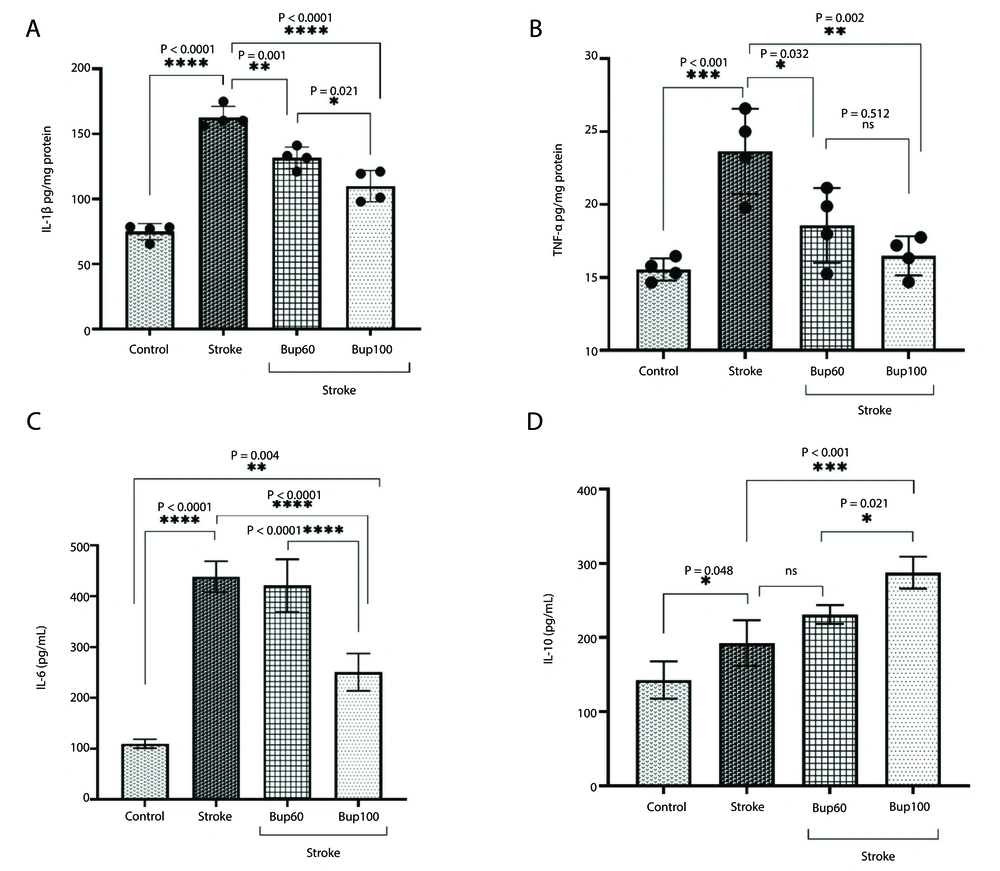
24). Therefore, finding new treatment options that reduce or prevent the severity of this condition is of great importance. In this study, the effects of bupropion pretreatment were examined in a rat model of cerebral ischemia. This study, for the first time, demonstrated the neuroprotective effects of bupropion pretreatment against cerebral I/R damage. The drug improved the sensorimotor function of rats affected by cerebral I/R in all behavioral tests, and its mechanisms of action were attributed to the reduction of inflammation (downregulation of IL-1β, TNF-α, IL-6, and upregulation of IL-10) and a relative improvement in the cells' enzymatic antioxidant defense (increased SOD activity).
During cerebral I/R injury, overproduction of inflammatory cytokines occurs, leading to further damage to ischemic areas (
25). Several studies have reported that IL-1β expression increases after ischemic injury, which is associated with significant damage to infarct areas (
26-
28). As a result, anti-IL-1β treatment has been recommended for patients, showing reduced damage (
29). In the present study, an increase in the expression of IL-1β was observed after brain ischemia in rats, which is consistent with the findings of the aforementioned studies. Interestingly, IL-1β has the ability to regulate the expression of inflammatory cytokines such as TNF-α and IL-6. Therefore, the increase in IL-1β expression can be linked to the subsequent increase in TNF-α and IL-6 expression (
30). Thus, the overexpression of TNF-α and IL-6 following ischemic injury in this study can be attributed to the overexpression of IL-1β. Notably, the administration of bupropion resulted in a decrease in the expression of IL-1β, TNF-α, and IL-6 in the brains of cerebral I/R rats, indicating the anti-inflammatory effects of this drug. Bupropion is known for its ability to inhibit TNF-α (
12), and its ability to inhibit IL-1β has also been shown in the context of intestinal I/R damage (
13). Interestingly, bupropion showed synergistic effects with celecoxib in reducing depressive symptoms in a mouse model by alleviating chronic inflammation (
31). It was also recently demonstrated that the anti-inflammatory activity of bupropion is mediated through macrophages and the JAK2/STAT3 and TLR2/TLR4 pathways (
32,
33). Bupropion administration has also been shown to reduce inflammatory biomarkers in severely depressed patients (
34). In the present study, bupropion was shown to prevent the expression of inflammatory cytokines IL-1β, IL-6, and TNF-α in a cerebral I/R condition. These results confirm the anti-inflammatory effects of this drug.
IL-10 is a cytokine with anti-inflammatory properties that inhibits the expression of inflammatory cytokines, including IL-1β and TNF-α, as well as the NF-κB pathway (
35). In the current study, the expression of IL-10 increased after the induction of cerebral I/R damage, likely indicating the body's response to the severe inflammation caused by the condition. Fouda et al. also demonstrated the upregulation of IL-10 after brain stroke in rats, although hypertension prevented this effect (
36). It appears that increasing the expression of this cytokine could be a therapeutic approach for attenuating cerebral I/R-induced inflammation and subsequent injury. For example, the injection of 1 µg of IL-10 resulted in a reduction in infarct size in an ischemic stroke model in rats (
37). In this study, bupropion significantly increased the expression of IL-10, which may explain the neuroprotective effects of bupropion in cerebral I/R damage observed in this research.
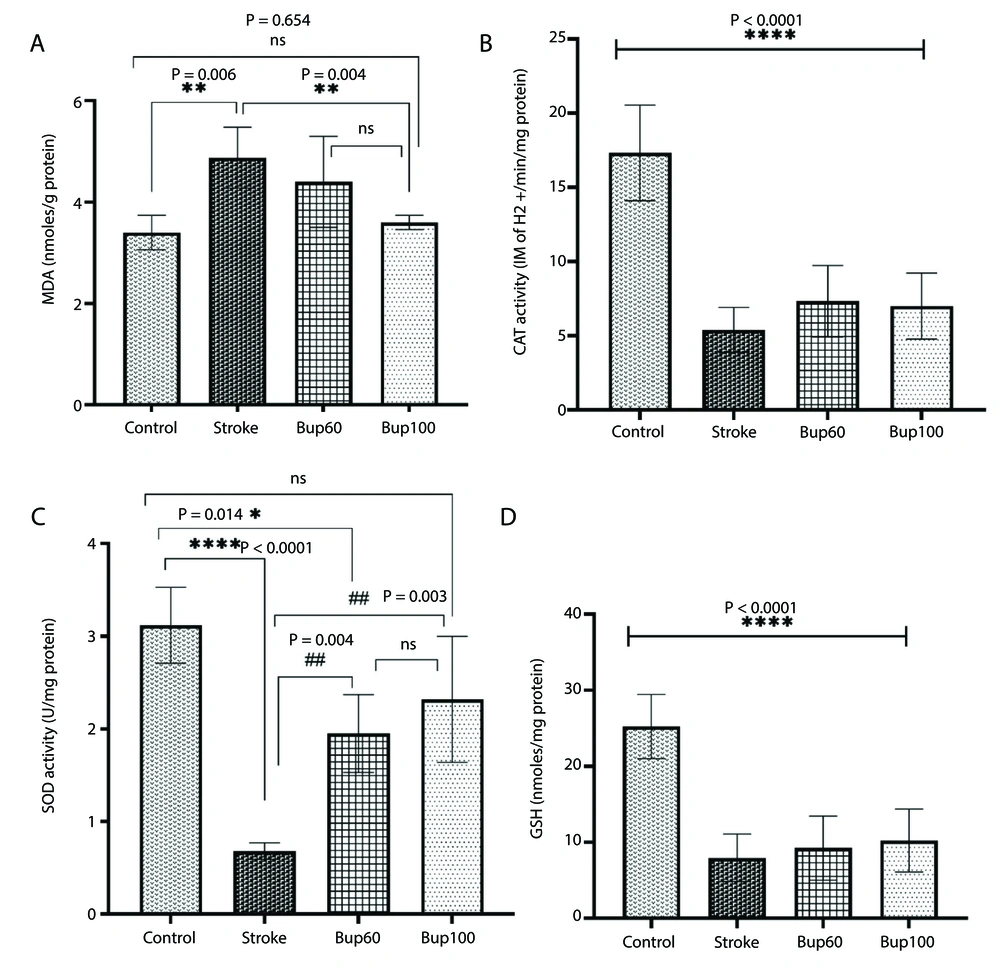
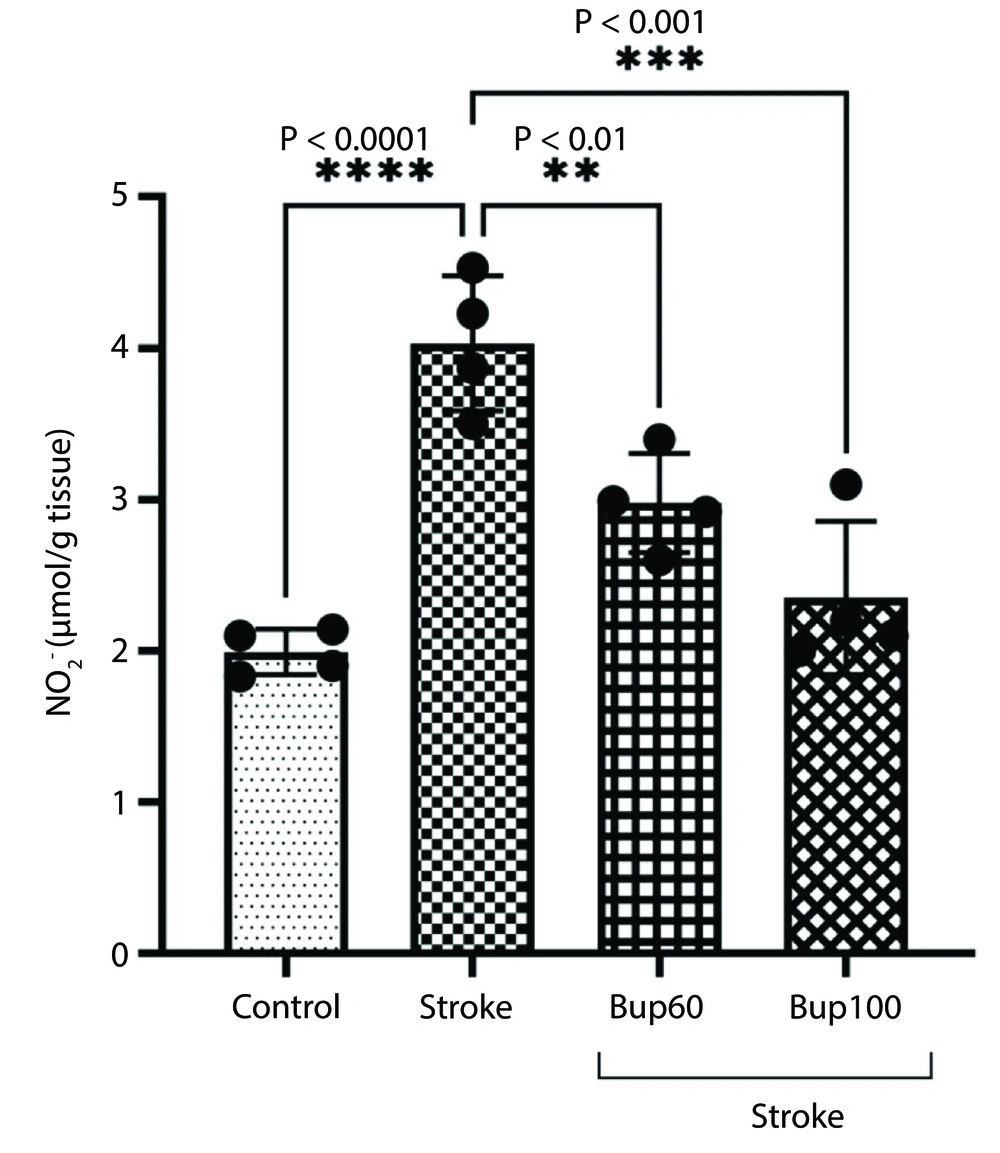
Cerebral I/R induction in this study increased MDA levels and decreased the activity of CAT and SOD antioxidant enzymes, as well as GSH content. These results indicate the induction of oxidative stress in the brains of cerebral I/R rats, which can lead to neurodegeneration due to the activation of apoptotic signaling pathways (
38). The induction of oxidative stress in this condition is considered one of the key pathophysiological mechanisms underlying severe damage following cerebral I/R injury (
38). Therefore, improving antioxidant status after cerebral I/R injury is regarded as one of the most important therapeutic approaches (
25).
In the present study, administration of bupropion was associated with a significant decrease in MDA levels and a significant increase in SOD enzyme activity, indicating a relative reduction in oxidative stress in the brains of rats. The increase in SOD mRNA levels by bupropion has also been noted in another study (
15), which aligns with the findings of the present study. However, the antioxidant activity of this drug is highly dose-dependent and may exhibit oxidant effects at high doses. For instance, exposure of SH-SY5Y cells to a high dose of this drug (100 μg/mL) resulted in Casp3 activation and endoplasmic reticulum stress, which was accompanied by activation of the apoptosis pathway and cell death (
39). Furthermore, a recent study showed that high doses of this drug were associated with a decrease in mitochondrial complex II activity in isolated pig brain cells (40). Therefore, the neuroprotective effects of bupropion observed in this study can be attributed to the low dose and sub-toxic concentration of this drug.
The results of the present study indicate that bupropion could be considered as a therapeutic or adjunctive therapy for the treatment of cerebral I/R by reducing inflammation and oxidative stress. However, since the findings of this study were obtained in an animal model, caution should be exercised in generalizing the results to clinical settings. Clinical studies investigating the protective effects of this drug are strongly recommended for future research.