
1. Context
The rapid spread, high mortality rate, pandemic nature, and uncertainty about the outlook of the novel Coronavirus disease (COVID-19) has led to depression, anxiety, fear, and pervasive worry globally with, in some cases, the stigmatization of those infected or potentially infected (1-3). Individuals express fear of coming in contact with the people infected by COVID-19 (2).
The disease is associated with 2 to 14 days of clinical manifestations such as fever, sore throat, dyspnea, muscle weakness, and cough, sometimes progressing to pneumonia, organ failure, and death (4). As of 27 August 2020, Nigeria recorded 53,021 confirmed cases, with 40,281 cases discharged, and 1,010 died in 36 states and the Federal Capital Territory (5). Initially, Nigerians regarded the COVID-19 as a “white man's disease" that could not spread to Nigeria, leading to some Nigerian officials and members of the public neglecting the expert advice and recommendations made by the World Health Organization (WHO) and Centre for Disease Control (CDC), hence exacerbating contagion (6). Even after the confirmation of COVID-19 in Lagos, which is among the most populated cities in West Africa, other parts of the nation continued normal social activity without adhering to the guidelines of the Nigeria Centre for Disease (5). Consequently, as the number of confirmed cases of COVID-19 began to rise in major cities in Nigeria, including the cities of Abuja and Kano, there was escalating fear and uncertainty surrounding COVID- 19 among the Nigerian population (6).
1.1. Mental Health Outcomes of COVID-19
Depression is indicated as one of the mental health outcomes among the individuals exposed to COVID-19 (1, 7-10). One study showed that 50.4% and 44.6% of health workers developed mild and severe depression symptoms, respectively, during the pandemic (11). Another study reported a 64.7% prevalence of depression among physicians during the COVID-19 outbreak (12). Several researchers asserted that the incidence of the symptoms of depression, including anxiety, fear, stress, and insomnia, increased during this period (3, 13, 14). Personality changes consistent with depression have also been associated with COVID-19 induced encephalopathy (8). A study by Severance et al. showed that the COVID-19 infection and related stressors were associated with bipolar disorder and depression (7). A cross-sectional survey evaluating the severity of anxiety and depression during the COVID-19 pandemic in a Turkish society suggested that women, individuals with a previous history of psychiatric illnesses and chronic diseases, and the people living in urban slums are most physiologically susceptible to be affected by the COVID-19 pandemic (15). Recently, a WHO special report on "Mental Health and Covid-19" declared that out of 775 adults studied in the United States, 55% believed that COVID-19 had dangerous effects on their mental health while 71% felt agitated about the negative impacts of isolation on their mental health (16). A similar study conducted in Wuhan, China, reported that 48.3%, 22.6%, and 19.4% of participants experienced depression, anxiety, and a combination of depression and anxiety, respectively (17).
1.2. Factors Associated with Depression in Nigeria
Clinicians reported that quarantine and the social distancing policies implemented to stop the contagion might increase depression, self-harm, substance abuse, and other psychological consequences (18, 19). The socio-economic inequalities resulting from job losses and other barriers to economic success, including the closure of schools, closing retail markets, closed event centers and places of worship, disruption of everyday routines, separation from family members, reduction of salaries, and shortage of daily necessities, have been reported to worsen depression in Nigeria (18, 20, 21).
Numerous individuals in Nigeria are now at a higher risk of developing depression and anxiety symptoms (6). The continual increase in the number of confirmed COVID-19 cases, suspected cases, and deaths, along with overwhelming workloads, inadequate personal protective equipment, lack of medications, and disregard for the practices recommended to avoid the infection (e.g., official approval of social gatherings, irregular hand washing, and not using facemasks) may contribute to depression among the individuals who do understand the life-threatening implications of COVID-19. A cross-sectional study designed to assess Nigerians’ knowledge, attitudes, and practice towards COVID-19 reported that 52.1% of the participants believed that the Nigerian government is not working hard enough to curtail COVID-19 in the country (6). A COVID-19 publication entitled "COVID-19 and Nigeria: Putting the Realities in Context" reported the Nigerian government’s inefficiency at enforcing announced social distancing policies and bans on religious, social, and cultural activities. These failures facilitated the spread of COVID-19 in Nigeria (22, 23).
Currently, in Nigeria, the challenges of the implementation of hygiene and health interventions for eradicating COVID-19 are "herculean," while "the impact of COVID-19 on the mental health of individuals" is an equally urgent crisis unfolding (24)
There is a widespread presence of slums (25) Overall, 52% of the population live in cities, with one in three residents of urban areas lives in slums where there is widespread unavailability of clean and potable water, inadequate health care systems and public sanitation amenities, and high social interactions among inhabitants (26, 27). The spread of rumors and misinformation about the novel coronavirus has negatively affected Nigeria’s implementation of preventive measures (27, 28). In developed countries, individuals’ mental health is assessed via telephone, the Internet, and online counseling via social media in response to the COVID-19 outbreak (11); but these psychological services are not readily available in Nigeria.
1.3. Rationale
The measures implemented for the management of COVID- 19 are focused on infection control, vaccine effectiveness, and treatment. No new drugs have been introduced to treat the psychosocial symptoms of COVID-19 (4, 23). Clinicians have focused on reducing the transmission rate of COVID- 19 but have failed to target individuals’ fears, anxiety, hopelessness, and depression as the nation seeks to achieve a COVID-19 free society. There are no guidelines for managing depression during the COVID-19 era in Nigeria (1). Therefore, developing such guidelines will assist healthcare providers in designing appropriate programs to combat depression among Nigerians during the pandemic. This review provides guidelines for managing depression among Nigerians and provides benchmarks for promoting mental health during the pandemic.
2. Evidence Acquisition
2.1. Search Strategy and Selection Criteria
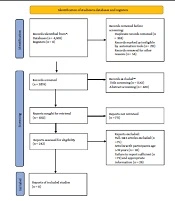
The studies reviewed here were identified through searches in PubMed to achieve the articles published from January 2019 to September 2020 using the terms "depression", "COVID-19", and "Nigeria". The articles resulting from these searches and the relevant references cited in those articles were reviewed. Only the articles published within the above-mentioned period, focusing on the searched keywords, were included. Original articles, systematic reviews, and meta-analyses were also included. The relevant articles published in other languages were excluded (see the flow chart of study selection in Figure 1).
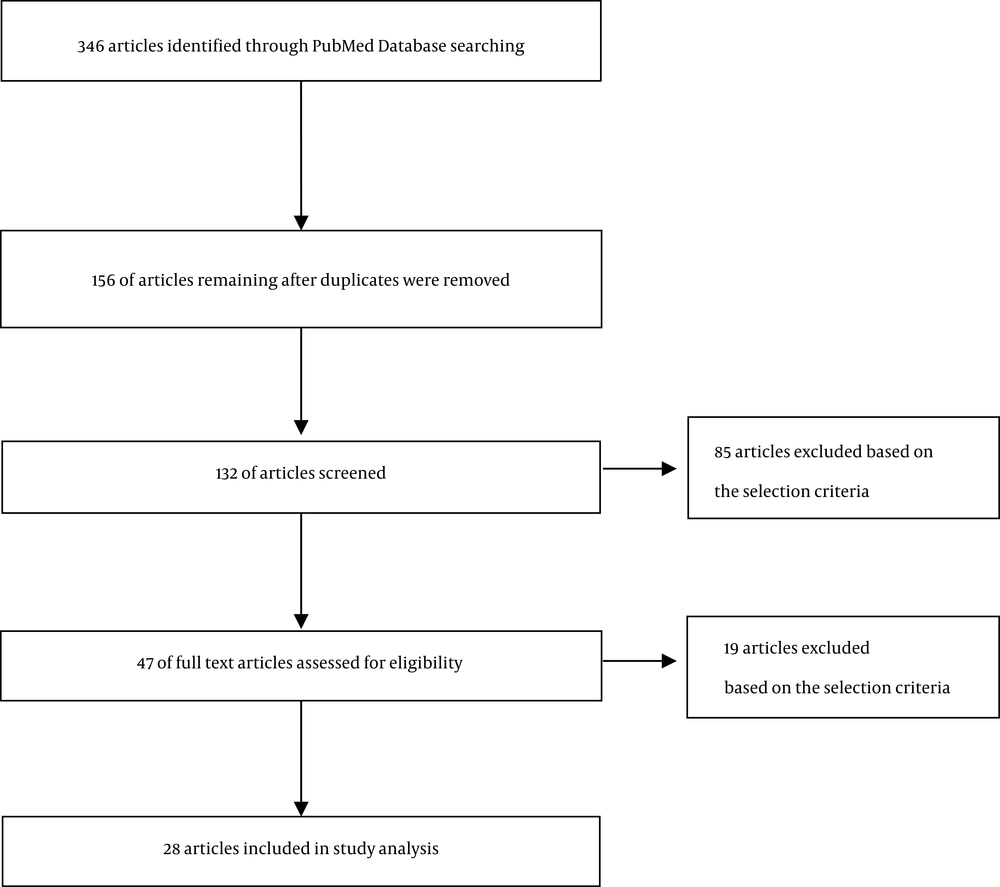
Figure 1.
Study flow chart showing the details of literature search and study selection
3. Guidelines for Coping with Depression in Nigeria During the COVID-19 Pandemic
Depression during the pandemic in Nigeria results from pervasive concerns about individuals’ and their loved ones’ health, financial challenges and unemployment, consequent poverty and hunger, lack of electricity, poor Internet broadband impeding online learning and holding conferences, skyrocketing prices of goods and services, underdevelopment of infrastructure, reduced access to primary healthcare and basic amenities, changes in circadian rhythm and eating patterns, increased use of tobacco and other substances, and worsening of chronic diseases and mental health. Consequently, individuals should adhere to the following guidelines to avoid and manage depression during this pandemic:
i. Seeking immediate help during the crisis by calling health care personnel or speaking with family members or friends.
ii. Contacting a health care professional before making any diagnosis or commencing any treatment.
iii. Taking care of your emotional health to maintain clearer thought processes and problem-solving abilities.
iv. Disregarding rumors about the pandemic and obtaining valid information from the NCDC’s website.
v. Taking breaks from COVID-19 pandemic news as persistent and prolonged focus on the pandemic can cause overwhelming stress and depression symptoms.
vi. Regular exercise and adopting yoga and other stress reducing measures because of their beneficial effects on the brain.
vii. Consuming healthy meals and well-balanced diets including vegetables, legumes, fruit, whole grains, lean meats, fish, turmeric, yogurt, green tea, cashew nuts, eggs, pumpkin seeds, and dark chocolates as income allows. Avoid gluten, artificial sweeteners, processed groundnut oils, and sugars.
viii. Being engaged in joyful recreational activities that do not promote contagion.
ix. Distracting oneself by acquiring a skill always wanted to learn, such as a foreign language or cooking a recipe, and focusing on small meaningful tasks that allow breaking from preoccupations, anxiety, and depression.
x. Talking to trusted persons (via phone, social media, or in-person while adhering to COVID-19 precautions) about one’s feelings, concerns, and challenges.
xi. Connecting with community- or faith-based organizations, online depression- and anxiety-focused groups via social media, mail, or phone.
xii. Practicing active behavioral approaches by setting specific goals and working toward achieving them.
xiii. Reducing alcohol consumption and avoiding illicit drugs.
xiv. Being not afraid of asking for help.
4. Conclusions
The COVID-19 pandemic is stressful to Nigerians. Anxiety and fear about COVID-19 and life after the pandemic may be devastating and cause intensely negative and problematic emotions. Therefore, specific guidelines are necessary to manage depression during the pandemic. The guidelines provided here offer a model for coping with the COVID-19 crisis and its associated psychological and mental health problems.
4.1. Recommendations
In order to ensure the safety of its citizens, the Nigerian government should:
i. Increase government attention to the psychosocial implications of COVID-19, especially depression, by providing mental health services via hotlines, online consulting, free online courses, and outpatient consultations.
ii. Monitor and filter false information and educate the public against the rumors and misconceptions surrounding the COVID-19 pandemic.
iii. Develop psychological interventions to support the public during the pandemic to mitigate the adverse effects of COVID-19 and improve mental well-being.
iv. Employ mass and print media to reduce psychological distress during this period.
v. Reduce the stress experienced by the public by providing essential needs such as electricity, water, online services, and adequate salaries to workers.
By adopting the above-mentioned guidelines, it may be possible to promote public and individual health during this perilous time.