
1. Background
One of the diseases lead to people worrying about their present and future status is thalassemia (1). Nowadays, chronic diseases are among serious problems all over the world (2). The term thalassemia comes from the Greek words thalasso- (sea) and -emia (blood) and refers to disorders associated with defective synthesis of globin subunits of hemoglobin, which consist of one globin gene or more globin genes located on chromosomes 11 (β) and 16 (α) (3). Thalassemia is transmitted from parents with diseased genes to their children. When this genetic disorder is inherited from both parents, homozygous β-thalassemia (major) is created; however, when this genetic disorder is inherited only from one parent, heterozygous β-thalassemia (minor) is developed (4). This disease is the most common heredity anemia in Iran and around the world. Nowadays, more than 26 000 people in Iran have this disease. With this number of patients, Iran is ranked first in terms of the proportion of people with thalassemia to the world population and approximately 700 billion IRR are annually spent for these patients (1). Patients with thalassemia are mainly young and most of them are children and adolescents (5).
Chronic diseases make life very difficult and patients dealing with such diseases face many challenges in reaching an acceptable level of health and physical, mental, and social functioning (6). Thalassemia is associated with a wide range of serious psychological and clinical challenges. Like any other chronic disease, thalassemia effects a patient’s psychological state and has adverse effects on mental health of the patient and his/her family. This disease creates a number of long-term issues for patients, their families, and the health system of the country. Adolescents with thalassemia display more symptoms of depression and have lower levels of quality of life compared to patients with short-term injuries. This finding supports the need for psychological support and rehabilitation programs with the aim of enhancing motivations and carrying out continuous follow-ups to improve mental and psychological statuses of adolescents with thalassemia (7). Quality of life refers to people’s feelings about their physical, emotional, and social functions. For over a decade, examining quality of life has been regarded as a significant issue in health care, especially in chronic diseases (8).
Moreover, the levels of self-esteem and social competence of children with thalassemia are less and their behavioral problems are more than normal children. Therefore, it can be concluded that socio-psychological developments of school-aged children with thalassemia are lower than those of normal children. In addition, the level of self-confidence of children with thalassemia, who were the fifth or more child of their families, was lower than other children with thalassemia and their behavioral issues were more than other children (9).
Perceived competence initiates with organizing a person’s life to respond to responsibilities and personal standards, extend obligations and roles, and achieve a satisfying and interesting life (10).
Positive psychology looks at people’s mental health and quality of life and asks what the real levels of these 2 factors could have been. This approach in psychology seeks to help people develop their abilities and competencies (11). According to Seligman: “Positive Psychology is about the meaning of happy and unhappy moments, the tapestry they weave, and the strengths and virtues they display that make up the quality of your life” (12).
The clearest and most recent definition of positive psychological interventions was derived from a meta-analysis undertaken by Sin and Lyubomirsky (2009), which defined these interventions as follows: “Treatment methods or self-directed activities aimed at nurturing feelings, behaviors, or Positive cognitive receptions programs, measures or remedies for rehabilitation, modification or treatment of something that is pathologic or inadequate; all that is posited to capacity building, appropriate to the definition of positive psychological interventions” (13). Given the fact that positive psychotherapy, in addition to increasing happiness, enhances life satisfaction, gives meaning to people’s lives, creates optimistic thoughts, and decreases depression, it could be stated that by implementing psychological interventions and consultations, symptoms of a disease could be relieved, its progress could be slowed down, a patient’s abilities could be maintained and promoted, and the patient could be helped with developing a normal and natural life (14). Results of a study carried out by Lyubomirsky and Layous indicated that positive activities increased positive emotions, positive thoughts, positive behaviors, and the need for satisfaction, which could enhance well-being (15).
Nikmanesh and Zandevakil demonstrated that positive psychotherapy was effective in decreasing mean scores on depression, anxiety, and stress and in promoting quality of life among adolescents (16). Layous, Lee, Choi, and Lyubomirsky, reported that positive psychotherapy was effective in improving happiness, psychological well-being, and life satisfaction (17). Results of a study conducted by Bolier, Haverman, Westerhof, Riper, Smit, and Bohlmeijer revealed that positive psychotherapy interventions enhanced mental and psychological well-being and reduced symptoms of depression (18).
Consistent with other studies, Albuye, Tabatabai, Rahimian Booger, and Tabatabai demonstrated that positive psychology group interventions were effective in increasing means of academic achievement, self-esteem, and subscales of self-concept (19). Results of Ghiyasi showed that positive thinking could play a key role in promoting interpersonal relationships and psychological health and lead to positive changes in people’s behaviors (20). Another study carried out by Lyubomirsky, King, and Diener indicated that positive emotions could enhance successful outcomes in different spheres of life, including good work performance, great creativity, high marital satisfaction, and good social relations (21).
Since the prevalence of thalassemia has dramatically increased in Iran and given that patients with thalassemia and their families have to deal with a number of difficulties, and (22) considering the results of previous studies and the importance of the psychological trauma of children with thalassemia, it is necessary to pay attention to the psychological trauma of these patients. Also, the review of research shows that although the concepts of competency perception, quality of life and positive psychology have recently attracted the attention of psychologists, yet little has been done in this regard. In addition, the aforementioned disease is associated with issues related to the course of treatment, which cause mental discomfort along with physical problems and a severe period of treatment for patients, and places them in difficult mental conditions. Therefore, positive psychological education may be effective in promoting competence and quality of life of children with thalassemia.
2. Objectives
Since very few studies are carried out to evaluate the effect of positive psychotherapy on perceived competence and quality of life among children with thalassemia, the present study aimed at examining the effect of positive psychotherapy on perceived competence and quality of life among children with thalassemia in Zabul.
3. Methods
3.1. Research Environment and Patients
This quasi-experimental study had a pretest-posttest design with a control group. The current study had a statistical population including all children with thalassemia in Sistan and Baluchestan Province (Zabul, Hamoun, Zahak, and Hirmand) during a 6-month period from March to August 2017, consisting of 35 children. The sample was selected using the convenience sampling method. The sample size was calculated using the Morgan table. Inclusion criteria were as follows: all subjects of both gender, ability to read and write, age of 10 to 13 years, and eagerness to take part in this study. The most important exclusion criteria were not having the above-mentioned criteria and being absent for more than 2 sessions. None of the subjects were excluded from this study.
3.2. Data Collection
Initially, after obtaining a license and presenting it to the Association of Patients with Thalassemia, all necessary explanations on methods of carrying out this study, its confidentiality, and the right to abandon the study whenever needed were provided for those with the inclusion criteria. Afterward, patients, who were willing to participate in the current study were asked to fill out the questionnaires. Questionnaires were read to those, who were not eager to read the questionnaires and responses chosen by these patients were marked. Then, subjects were randomly assigned to an experimental group and a control group.
3.3. Intervention
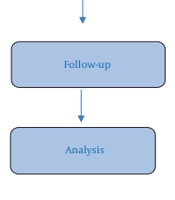
After selecting the sample and completion of the questionnaires by both groups (15 children in the experimental group and 15 children in the control group), the subjects in the control group were asked to attend a meeting held on a designated date after a month (the last session of positive psychotherapy). Then, eight 1-hour and 30-minute sessions of positive psychotherapy were carried out for the experimental group during one month. After holding these psychotherapy sessions, a posttest was conducted and a follow-up was performed a month after completing the sessions. The positive psychotherapy sessions were held by a researcher at Zabul Institute for the Intellectual Development of Children and Young Adults. Essential coordination was made between this institute and Association of Patients with Thalassemia in this city. Contents and objectives of these sessions were taken from viewpoints of Seligman et al. (23) on positive thinking. The main objective of holding these sessions was improving quality of life and perceived competence, and the sessions were conducted in forms of question-and-answer and group discussions. At the end of each session, a homework assignment was presented. Additionally, at the beginning of each session, the homework assignments presented and topics discussed in the previous session were examined. The contents of these sessions are presented in Table 1.
Table 1.
Summary of the Structures and Contents of the Therapy Sessions Designed Based on a Treatment Protocol Developed by Seligman et al. (19)
| Sessions | Contents and Activities of Each Session | Objectives |
|---|---|---|
| First session | Becoming familiar with the group, describing objectives of this intervention, explaining the structure of this intervention (setting up a schedule), filling out the questionnaires, talking about strengths of the members, and writing their strengths | Preparing the subjects |
| Second session | Talking about their strengths and methods of using them and writing down three positive life events | Identifying personal capabilities |
| Third session | Discussing methods of being thankful and writing thank you letters to friends | Creating positive emotions |
| Fourth session | Discussing the experience of enjoying the moment by focusing on the present | Enjoying the present |
| Fifth session | Discussing the active/constructive responsiveness and interacting with others | Improving relationships with others |
| Sixth session | Talking about a summary of life and discussing values which the subjects wish to have in the future | Increasing hope |
| Seventh session | Discussing positive services and ways which the subjects could present their abilities | Using capabilities |
| Eighth session | Talking about positive thinking, choosing a favorite exercise from those presented in the previous sessions, and discussing what was mentioned in these sessions | Reviewing the previous sessions |
3.4. Questionnaires
To collect data, 2 questionnaires, Harter Perceived Competence Scale for Children and Kidscreen-Quality of Life Measure for Children and Adolescents, were used.
3.4.1. Harter Perceived Competence Scale for Children
This scale includes 28 items and examines cognitive, social, and physical subscales of competence perceived by children. The perception of cognitive competence was evaluated by 15 items, the perception of physical competence was assessed by 9 items, and the perception of social competence was examined by 4 items. The overall perceived competence (overall self-worth) was obtained by summing up scores on cognitive, social, and physical subscales of competence. The items of this scale had 2 opposing options. For instance, some people liked their school while others did not. A subject could answer each item by choosing either ‘true for me; or ‘it is not true for me’ as their answer. The items were scored based on a 4-point Likert-type scale ranging from 1 (the least perceived competence) to 4 (the highest perceived competence). The lowest score was 28 and the highest score was 112. This scale was conducted on 199 children in 2 different economic and social districts of Shiraz. Results related to 4 types of competence were individually examined and the reliability of this scale was obtained using a Cronbach’s alpha coefficient. The Cronbach’s alpha coefficients of the entire scale and its 3 subscales were 0.91, 0.89, 0.81, and 0.74, respectively (24). In a study carried out by Bahadormotlagh, Attari, and Bahadormotlagh, Cronbach’s alpha coefficients of the entire scale and the cognitive, social, and physical subscales of competence were 0.93, 0.90, 0.89, and 0.94, respectively (25). Furthermore, Yaghobi, Mohagheghi, Jafari, and Yarimoghadam demonstrated that Cronbach’s alpha coefficients of the entire scale and its three subscales were 0.90, 0.82, 0.80, and 0.77, respectively (26). Using a Cronbach’s alpha coefficient, the reliability of the entire scale and the cognitive, social, and physical subscales of competence were 0.50, 0.67, 0.61, and 0.64, respectively (27). In the current study, Cronbach’s alpha coefficients of this scale and its subscales were 0.95, 0.94, 0.87, and 0.87, respectively.
3.4.2. Kidscreen-Quality of Life Measure for Children and Adolescents
This measure is one of the tools used especially to evaluate health-related quality of life among children and adolescents all around the world. This measure examines 10 dimensions of health, including physical well-being, psychological well-being, moods, self-perception, financial resources, autonomy, parent relation, peers and social support, school environment, and bullying. The items are scored based on a 6-point Likert-type scale ranging from 1 (never) to 6 (always). When a subject chooses never to answer the items related to physical well-being, psychological well-being, self-perception, financial resources, autonomy, parent relation, peers and social support, and school environment, the item is scored 1. However, when a subject chooses always to answer items related to these dimensions, the item is scored 6. This is while items related to mood and bullying are scored diversely. This means that never is scored 6 and always is scored 1. The lowest score is 51 and the highest score is 306. This measure is separately repeated for children (aged 8 to 11 years) and adolescents (aged 12 to 18 years). Ravens-Sieberer et al. reported that Cronbach’s alpha coefficients of the dimensions of this measure ranged from 0.77 to 0.89 (28). Moreover, correlation coefficients of all these dimensions ranged from 0.56 to 0.77 (28). In a study conducted by Mohammadian et al. on children aged 9 to 12 years, Cronbach’s alpha coefficient of all the dimensions of this measure was 0.84 (29). Furthermore, Alavi, Parvin, Kheiri, Hamidizade, and Tahmasebi implemented this measure on children aged 6 to 12 years and reported that Cronbach’s alpha coefficient of the entire scale was 0.77 (30). In the present study, Cronbach’s alpha coefficients of the entire measure and its dimensions were 0.80, 0.70, 0.82, 0.77, 0.13, 0.84, 0.76, 0.82, 0.80, 0.80, and 0.93, respectively.
3.5. Ethical Consideration
Firstly, an ethics approval code (2333912) was obtained and the researchers were allowed to refer to the specialist center. After explaining the main objectives of conducting this study and methods of filling out the questionnaires and obtaining informed consents from all the patients, the questionnaires were distributed. Whenever a question seemed vague, some additional explanations were provided. These explanations were provided to avoid any kinds of ambiguity and/or bias. Afterward, the positive psychotherapy sessions were held. After completing these sessions, a posttest and a one-month follow-up were carried out.
3.6. Statistical Analysis
The obtained data were analyzed using descriptive and inferential statistics via the SPSS version 16 software. Descriptive statistics were applied to examine means and standard deviations and an analysis of covariance was used to investigate the effect of positive psychotherapy on perceived competence and quality of life among the patients with thalassemia.
4. Results
Based on the obtained results (Table 2), in the experimental group, the age group of 13-year-olds had the highest frequency (33.3%), however, the age group of 11-year-olds had the highest frequency (33.3%) in the control group. In the experimental group, the age group of 13-year-olds was the most frequent (33.3%) and the age group of 12- and 10-year-olds had the lowest frequency (20.0%), and in the control group 11-year-olds had the highest frequency (33.3%) and the age group of 13- and 10-year-olds had the lowest frequency (20.0%). Also, in the experimental group, 40.0% of the subjects were boys (6) and 60.0% of the subjects were girls (9) and in this group female gender was the most frequent (60.0%). In the control group, 26.7% of the subjects were boys (4) and 73.3% of the subjects were girls (11), and in this group, female gender was the most frequent (73.3%).
The descriptive results of the research variables indicated the mean scores of cognitive competence, physical fitness, and social competence dimensions were 59.73, 31.47 and 15.20, respectively, in the experimental group in the follow-up phase of the post-test, indicating an improvement in the competence of the experimental group. In the control group, the mean scores of cognitive competence and physical fitness competencies were 46.93 and 23.40 in the follow up, respectively, and only in social competence variables, the mean scores (M:11.40) in both steps were equal in the control group (Table 3). Also, the descriptive results of the research variables indicated that the mean scores of dimensions of physical well-being, psychological well-being, independence, and school environments were 27.43, 32.53, 26.27, and 33.40, in the experimental group in the follow-up phase of the post-test, respectively, indicating improvement in quality life in the experimental group and only in the variable of financial resources and relationship with parents the mean score (M:14.33; 33.07) was equal in both groups. In the control group, the mean scores of the dimensions of physical well-being, psychological well-being, mood, self-concept, financial resources, independence, and bullying were 20.80, 25.00, 47.27, 16.60, 11.80, 21.53, and 10.47, at the follow-up stage of the post-test phase (Table 4).
The results of the covariance test for comparing the mean scores of perceived competence and its dimensions in children with thalassemia, in the posttest and follow-up, showed that due to the intervention of the independent variable (positive psychotherapy), there were significant differences in the scores of cognitive, physical, and social subscales of competence and perceived competence (P < 0.005). In this regard, 0.48 of the variance in cognitive competence, 0.35 of the variance in physical competence, 0.50 of the variance in social competence, and 0.46 of the variance in perceived competence, were explained by the independent variable (positive psychotherapy). Furthermore, in the follow-up, there were significant differences in the scores of cognitive, physical, and social subscales of competence and perceived competence (P < 0.005). In this regard, 0.33 of the variance in cognitive competence, 0.31 of the variance in physical competence, 0.54 of the variance in social competence, and 0.52 of the variance in perceived competence were explained by the independent variable (positive psychotherapy) (Table 5).
The results of the covariance test for comparing the mean scores of Quality of Life and its dimensions in children with thalassemia in the posttest and follow-up, showed that due to the intervention of the independent variable (positive psychotherapy), there were significant differences in the mean scores of physical well-being, psychological well-being, moods, self-perception, financial resources, autonomy, parent relation, peers and social support, school environment, bullying, and quality of life (P < 0.005). In this regard, 0.65 of the variance in physical well-being, 0.36 of the variance in psychological well-being, 0.36 of the variance in mood, 0.29 of the variance in self-perception, 0.30 in the variance in financial resources, 0.28 of the variance in autonomy, 0.44 of the variance in parent relation, 0.30 of the variance in peers and social support, 0.52 of the variance in school environment, 0.34 of the variance in bullying, and 0.77 of the variance in quality of life were explained by the independent variable (positive psychotherapy). Furthermore, in the follow-up, there were significant differences in the scores of physical well-being, psychological well-being, moods, self-perception, financial resources, autonomy, parent relation, peers and social support, school environment, bullying, and quality of life (P < 0.005). In this regard, 0.62 of the variance in physical well-being, 0.48 of the variance in psychological well-being, 0/75 of the variance in moods, 0.33 of the variance in self-perception, 0.25 in the variance in financial resources, 0.37 of the variance in autonomy, 0.48 of the variance in parent relation, 0.36 of the variance in peers and social support, 0.56 of the variance in school environment, 0.34 of the variance in bullying, and 0.41 of the variance in quality of life were explained by the independent variable (positive psychotherapy) (Table 6).
Table 2.
The Demographic Information of the Study Subjects
| Group | Variable | Frequency | Percentage |
|---|---|---|---|
| Experiment | Age | ||
| 10 | 3 | 20.0 | |
| 11 | 4 | 26.7 | |
| 12 | 3 | 20.0 | |
| 13 | 5 | 33.3 | |
| Gender | |||
| Boy | 6 | 40.0 | |
| Girl | 9 | 60.0 | |
| Total | 30 | 100 | |
| Control | Age | ||
| 10 | 3 | 20.0 | |
| 11 | 5 | 33.3 | |
| 12 | 4 | 26.7 | |
| 13 | 3 | 20.0 | |
| Gender | |||
| Boy | 4 | 26.7 | |
| Girl | 11 | 73.3 | |
| Total | 30 | 100 |
Table 3.
Means and Standard Deviations of Perceived Competence Score and Its Dimensions in Both Experimental and Control Groups
| Level | Variable | Experiment | Control | ||
|---|---|---|---|---|---|
| M | SD | M | SD | ||
| Pretest | Cognitive competence | 51.27 | 9.26 | 46.13 | 10.93 |
| Physical competence | 23.73 | 5.82 | 23.27 | 6.26 | |
| Social competence | 12.67 | 2.69 | 11.47 | 3.35 | |
| Perceived competence | 87.67 | 16.25 | 80.87 | 18.90 | |
| Posttest | Cognitive competence | 59.07 | 4.16 | 46.00 | 10.97 |
| Physical competence | 28.13 | 5.06 | 22.93 | 6.68 | |
| Social competence | 15.07 | 1.48 | 11.40 | 3.43 | |
| Perceived competence | 102.27 | 9.65 | 80.33 | 19.47 | |
| Follow-up | cognitive competence | 59.73 | 3.82 | 46.93 | 11.11 |
| Physical competence | 31.47 | 9.33 | 23.40 | 6.84 | |
| Social competence | 15.20 | 1.26 | 11.40 | 3.43 | |
| Perceived competence | 106.40 | 12.31 | 81.73 | 19.97 | |
N = 30
Table 4.
Means and Standard Deviations of Quality of Life Score and Its Dimensions in Both Experimental and Control Groups
| Level | Variable | Experiment | Control | ||
|---|---|---|---|---|---|
| M | SD | M | SD | ||
| Pretest | Physical well-being | 21.53 | 4.24 | 20.47 | 5.31 |
| Psychological well-being | 28.40 | 4.77 | 25.00 | 6.63 | |
| Moods | 37.13 | 1.92 | 21.20 | 7.43 | |
| Self-perception | 15.80 | 2.51 | 16.53 | 3.96 | |
| Financial resources | 11.47 | 4.53 | 11.60 | 4.20 | |
| Autonomy | 23.47 | 4.42 | 21.47 | 5.84 | |
| Parent relation | 28.00 | 6.25 | 28.47 | 4.99 | |
| Peers and social support | 25.00 | 5.68 | 23.47 | 6.40 | |
| School environment | 27.93 | 6.10 | 26.93 | 6.39 | |
| Bullying | 5.00 | 3.20 | 10.87 | 4.95 | |
| Quality of life | 221.53 | 24.96 | 205.33 | 28.37 | |
| Posttest | Physical well-being | 27.27 | 2.68 | 20.40 | 5.39 |
| Psychological well- being | 31.53 | 3.42 | 24.87 | 6.67 | |
| Moods | 37.13 | 1.92 | 21.20 | 7.43 | |
| Self-perception | 14.07 | 1.90 | 16.53 | 3.96 | |
| Financial resources | 14.33 | 2.99 | 11.47 | 4.22 | |
| Autonomy | 25.73 | 3.95 | 21.33 | 5.87 | |
| Parent relation | 33.07 | 4.06 | 28.40 | 5.11 | |
| Peers and social support | 28.60 | 3.01 | 23.67 | 6.28 | |
| School environment | 32.80 | 3.07 | 27.07 | 6.19 | |
| Bullying | 17.27 | 1.48 | 9.93 | 5.06 | |
| Quality of life | 261.80 | 17.42 | 204.87 | 28.49 | |
| Follow-up | Physical well-being | 27.47 | 2.41 | 20.80 | 5.60 |
| Psychological well-being | 32.53 | 2.58 | 25.00 | 6.74 | |
| Moods | 9.60 | 1.72 | 27.47 | 7.53 | |
| Self-perception | 13.87 | 1.12 | 16.60 | 4.01 | |
| Financial resources | 14.33 | 2.99 | 11.80 | 3.85 | |
| Autonomy | 26.27 | 2.54 | 21.53 | 5.65 | |
| Parent relation | 33.07 | 3.69 | 28.33 | 4.86 | |
| Peers and social support | 28.47 | 3.50 | 23.27 | 6.58 | |
| School environment | 33.40 | 2.61 | 26.60 | 6.45 | |
| Bullying | 3.00 | 0.00 | 10.47 | 4.95 | |
| Quality of life | 222.0 | 12.86 | 211.87 | 39.50 | |
N = 30
Table 5.
Covariance Test for Comparing the Mean Scores of Perceived Competence and Its Dimensions in Children With Thalassemia in the Posttest and Follow-Up
| Level | Variable | Sum of Squares | Df | Mean of Squares | F | Error | Sig | Effect Size |
|---|---|---|---|---|---|---|---|---|
| Posttest | Cognitive competence | 662.37 | 1 | 662.37 | 25.41 | 703.70 | 0.000 | 0.48 |
| Physical competence | 174.22 | 1 | 174.22 | 14.76 | 318.61 | 0.001 | 0.35 | |
| Social competence | 55.62 | 1 | 55.62 | 27.34 | 54.92 | 0.000 | 0.50 | |
| Perceived competence | 2138.82 | 1 | 2138.82 | 23.68 | 2437.79 | 0.000 | 0.46 | |
| Follow-up | Cognitive competence | 627.47 | 1 | 627.47 | 13.51 | 1253.37 | 0.001 | 0.33 |
| Physical competence | 435.55 | 1 | 435.55 | 12.18 | 965.31 | 0.002 | 0.31 | |
| Social competence | 61.93 | 1 | 61.93 | 31.71 | 52.73 | 0.000 | 0.54 | |
| Perceived competence | 2716.68 | 1 | 2716.68 | 29.29 | 2503.81 | 0.000 | 0.52 |
Table 6.
Covariance Test for Comparing the Mean Scores of Quality of Life and Its Dimensions in Children With Thalassemia in the Posttest and Follow-Up
| Level | Variable | Sum of Squares | Df | Mean of Squares | F | Error | Sig | Effect Size |
|---|---|---|---|---|---|---|---|---|
| Posttest | Physical well-being | 272.07 | 1 | 272.07 | 52.23 | 140.62 | 0.000 | 0.65 |
| Psychological well-being | 106.06 | 1 | 106.06 | 15.75 | 181.75 | 0.000 | 0.36 | |
| Moods | 99.95 | 1 | 99.95 | 15.28 | 176.62 | 0.001 | 0.36 | |
| Self-perception | 25.67 | 1 | 25.67 | 11.29 | 61.40 | 0.002 | 0.29 | |
| Financial resources | 65.41 | 1 | 65.41 | 12.02 | 147.93 | 0.002 | 0.30 | |
| Autonomy | 50.85 | 1 | 50.85 | 10.52 | 130.42 | 0.003 | 0.28 | |
| Parent relation | 184.52 | 1 | 184.52 | 21.61 | 230.54 | 0.000 | 0.44 | |
| Peers and social support | 114.90 | 1 | 114.90 | 12.06 | 275.11 | 0.002 | 0.30 | |
| School environment | 190.83 | 1 | 190.83 | 29.33 | 175.64 | 0.000 | 0.52 | |
| Bullying | 30.85 | 1 | 30.85 | 13.89 | 59.59 | 0.001 | 0.34 | |
| Quality of life | 13508.88 | 1 | 13508.88 | 94.32 | 3866.73 | 0.000 | 0.77 | |
| Follow-up | Physical well-being | 254.62 | 1 | 254.62 | 43.97 | 156.33 | 0.000 | 0.62 |
| Psychological well-being | 166.23 | 1 | 166.23 | 25.28 | 177.49 | 0.000 | 0.48 | |
| Moods | 241.48 | 1 | 241.48 | 81.27 | 803.40 | 0.000 | 0.75 | |
| Self-perception | 35.39 | 1 | 35.39 | 13.28 | 71.95 | 0.001 | 0.33 | |
| Financial resources | 51.16 | 1 | 51.16 | 9.42 | 146.65 | 0.005 | 0.25 | |
| Autonomy | 76.17 | 1 | 76.17 | 16.42 | 125.21 | 0.000 | 0.37 | |
| Parent relation | 188.08 | 1 | 188.08 | 25.20 | 201.44 | 0.000 | 0.48 | |
| Peers and social support | 121.49 | 1 | 121.49 | 15.55 | 210.90 | 0.001 | 0.36 | |
| School environment | 281.65 | 1 | 281.65 | 35.24 | 215.75 | 0.000 | 0.56 | |
| Bullying | 56.75 | 1 | 56.75 | 13.98 | 109.59 | 0.001 | 0.34 | |
| Quality of life | 5463.67 | 1 | 5463.67 | 18.13 | 7831.54 | 0.000 | 0.41 |
5. Discussion
Positive thinking training includes joy and happiness, positive mood, positive emotions, hope, and pleasure, which are among factors that lead to well-being and happiness among people. The results of this research showed that the teaching of positive psychology provides a new method of cognitive processing and adjustment of emotions; it reduces interpersonal and psychological problems. The essential element of positive-therapeutic intervention involves teaching clients to direct their attention to positive emotions and positive resources. In other words, increasing excitement leads to more adaptive ways of responding to difficult situations. Ultimately, this will lead to an increase in quality of life and a sense of competence. Based on the results of the current research, it could be concluded that positive thinking in relation with oneself and others could be helpful and also encourages the person to recognize their competencies and shape their lives personally. Since almost no studies on positive thinking have been conducted on the competence and quality of life of children with thalassemia, the objective of this study was to examine the effect of positive psychotherapy in promoting quality of life and perceived competence among the children with thalassemia. The results of the current study showed that positive psychotherapy was effective in increasing perceived competence and quality life among the children with thalassemia in the posttest. As mentioned earlier, with regards to perceived competence, there was a significant difference between children with thalassemia assigned to the control and experimental groups in the posttest and follow-up. Therefore, it could be concluded that positive psychotherapy led to an increase in perceived competence among children with thalassemia. The results related to the first hypothesis are in line with the results of studies carried out by Vahidi (31) Albuye et al. (19), and Lyubomirsky, King, and Diener (21). The results of these studies demonstrated that positive psychotherapy increased hope and wisdom, improved interpersonal relationships, and created a good atmosphere in the classroom environment. In addition, it was effective in increasing scores of academic achievement, self-esteem, and some subscales of self-concept and led to a good work performance, creativity, marital satisfaction, and social relations. To explain the results related to this part of the present study, it could be noted that children with chronic diseases, including thalassemia, due to experiencing a feeling of humiliation, negative impressions from other people and receiving frequent negative feedbacks, experience inferiority and have negative perceptions about themselves and their competencies. All of the above-mentioned points lead to a lack of self-esteem. Creating a sense of competence among children with thalassemia leads to confidence and success in various aspects of life. One of the factors affecting perceived competence is positive psychotherapy since, unlike other approaches, it focuses on problems. This approach puts an emphasis on increasing positive emotions and identifying and developing individual abilities and competencies.
Positive psychotherapy utilizes a set of techniques, which are based on effective practices such as intimacy, precise empathy, initial trust, authenticity, and understanding, and promotes the level of health among children (32). Among children, optimism is accompanied by increased protection against stressful events, reduced symptoms of depression and behavioral issues, and improved adaptability and social well-being (33). The problem is not how one can modify his/her weaknesses but how one can improve and strengthen his/her abilities (34). Accordingly, besides all advantages of positive psychology interventions, these interventions are of significant and extraordinary importance since they can positively influence children in the current conditions.
Also, as mentioned earlier, with regards to quality of life, there was a significant difference between children with thalassemia assigned to the control and experimental groups in the posttest and follow-up. Therefore, the second research hypothesis was also confirmed. Hence, it could be concluded that positive psychotherapy was effective in promoting quality of life among children with thalassemia. The results related to the second research hypothesis are consistent with results of studies carried out by Nikmanesh and Zandvakil (16), Ghiyasi (20), Porzor, Alizade Garadel, Yaghooty Zargar, and Basharpor (35), Schueller (36), Layous, Lee, Choi, and Lyubomirsky (17), Sergeant and Mongrain (37), Lyubomirsky and Layous (15), Dockray and Steptoe (38), Hariri and Khodami (39), Sin and Lyubomirsky (40), Fredrickcon (41), and Pezent (42). The results of these studies revealed that positive psychology strategies, including increasing positive emotions and developing personal strengths, led to an improvement in the levels of quality of life, psychological well-being, and some subscales of personal growth. Moreover, positive psychology, as a mediator variable, is associated with perceived health and two subscales of psychological well-being including life satisfaction and positive affect. To explain these results, it could be stated that thalassemia effects a patient’s quality of life and leads to physical and emotional issues. Due to being vulnerable, the level of quality of life among patients with thalassemia goes through some changes, hence, training positive thinking skills seems essential because positive thinking programs places emphasis on methods of adapting to stressful situations and decreasing mental pressures.
Positive psychology seeks to make people more powerful and productive than what they are and aims to develop their abilities. With the emergence of positive psychology in the recent decades, the actualization of people’s talents in order to promote their abilities and enhance the levels of health and well-being has always been emphasized such that psychology has undergone a radical change from mere focusing on restoring traumas to improving quality of life (34).
To explain the results obtained from the current study, it could be noted that training positive thinking skills and techniques to people aimed at strengthening and improving their positive relationships with themselves, others, and the world around them, could aid with knowing themselves and their positive experiences better and perceive key roles of these positive experiences in increasing their self-respect. Paying attention to past positive events and experiences increases the probability of having positive perceptions of ourselves and others. This aids people with accepting their values and achieving a more comprehensive understanding of themselves (43). In the process of positive thinking, people take steps towards identifying their abilities, capabilities, and positive aspects of themselves compared to others. In this approach, with emphasizing talents and abilities, optimizing happiness, paying attention to and focusing on positive emotions and issues, preventing the entry of negative emotions in personal aspects of people’s lives, and increasing positive relations, which are considered as fundamentals of the positive approach, people’s mental health could be positively influenced (39). Piket et al. indicated that by creating negative emotions and not considering positive emotions, anxious people became bored and restless. This is how they eventually found themselves in a cycle and a tunnel process (a process in which a person is in a tunnel with a specific attitude, and he/she cannot get out of this tunnel easily; with the completion of the tunnel, the person becomes depressed and experiences severe boredom. In this case, there is even a possibility of committing suicide) (43). It seems logical that patients with thalassemia in this study were in such tunnel, getting out of which was not easy. Therefore, changing these patients’ attitudes towards the world and their abilities, paying attention to positive aspects of their lives, and redefining and changing their viewpoints towards negative aspects of their lives could aid them in increasing their perceived competence and quality of life.
6. Conclusion
Thalassemia is one of the most important problems of today's societies and its severity and abundance decreases the perception of competence and quality of life of the patients and the mental health of the community. According to the findings of this research and other similar studies, it could be concluded that positive psychological education is effective on the perception of competence and quality of life; the patient's positive view of their illness makes them aware of their merits and thus improves their quality of life. Therefore, recognizing the psychological trauma of this disease, health professionals will have more information about these injuries and will benefit from a more comprehensive and comprehensive approach to their planning and treatment processes. Therefore, the treatment process of patients should not be limited to a physiological approach, and when the process and therapeutic effects are more efficient and longer term, the role of psychological variables in treatment should be considered in order to take more comprehensive steps in the treatment of mental disorders.
6.1. Strengths and Limitations of the Current Study
The current study had a number of strengths, which were as follows: this study was carried out on children with thalassemia and, to the best of the authors’ knowledge, very few studies have been conducted on this group.
Limitations of the present study included implementation of the psychotherapy protocol by the researcher, having a limited age group of 10- to 13-year-olds, and a limited statistical society for thalassemia patients, including Zabul, Hamoon, Zahak, and Hirmand.
6.2. Recommendations
- Carrying out similar studies on other diseases
- Holding positive psychotherapy aimed at promoting perceived competence and quality of life for people working at centers for special diseases.
- Enhancing perceived competence and quality of life among patients with thalassemia, by conducting positive psychotherapy at these centers.
- Implementing this study in other communities and comparing the results with each other.
- Moreover, scopes of positive psychotherapy could be expanded to all treatment levels.
- Holding individual and group counseling sessions and training these patients’ families.
- Holding workshops aimed at aiding patient's thalassemia to become familiar with the disease