The purpose of this study was to evaluate the effect of
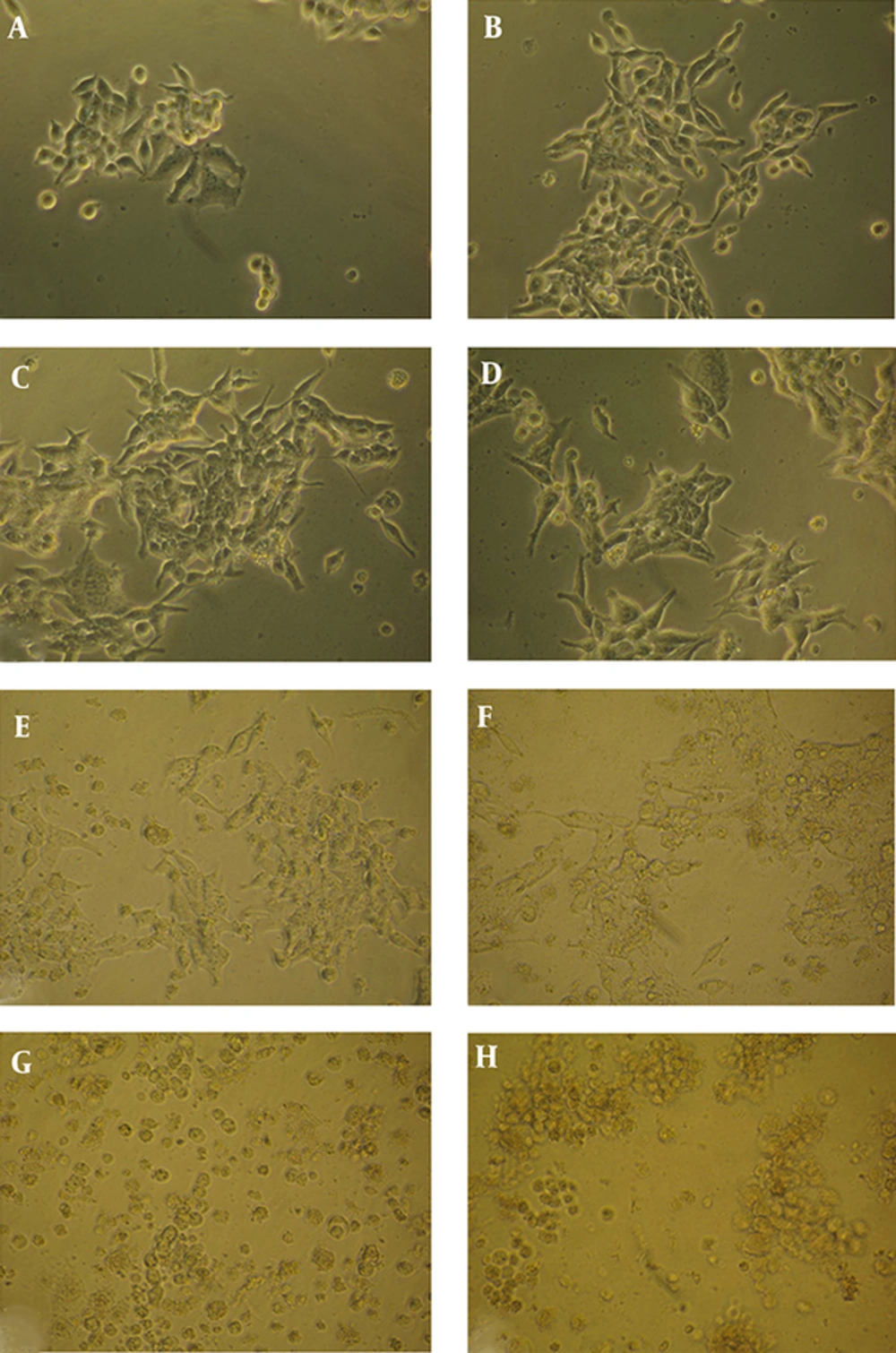
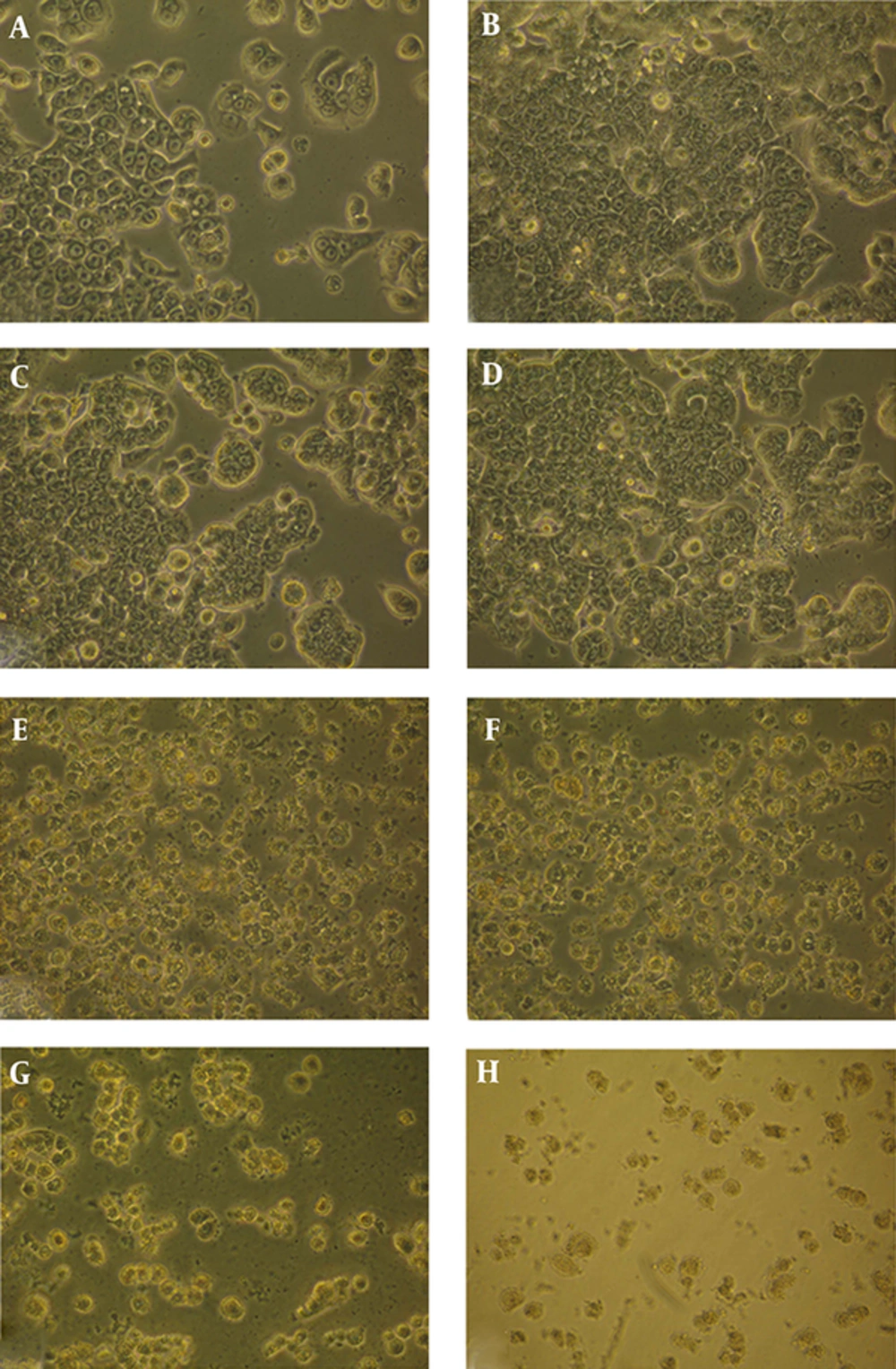
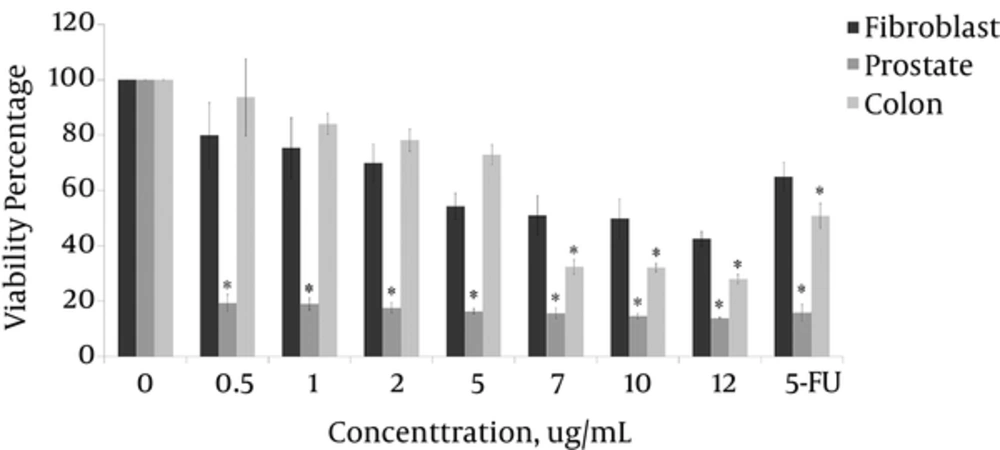
T. terrestris fruit extract on viability, proliferation and induction of death in two cancer cells and normal fibroblast-like cells. The minimum percentages of cell viability in prostate, colon cancer and HSkMC cells were 13.8%, 27.9% and 42.4% at 12 µg/mL concentration of the extract, respectively. Thus, cytotoxic effects of the extract on fibroblast cells were less than prostate and colon cancer cell lines (
Figure 3). This result is consistent with the results of Neychev et al. in which lower toxicity of the plant extract was observed for fibroblast cells in comparison to cancer cells (
7). Also, the IC
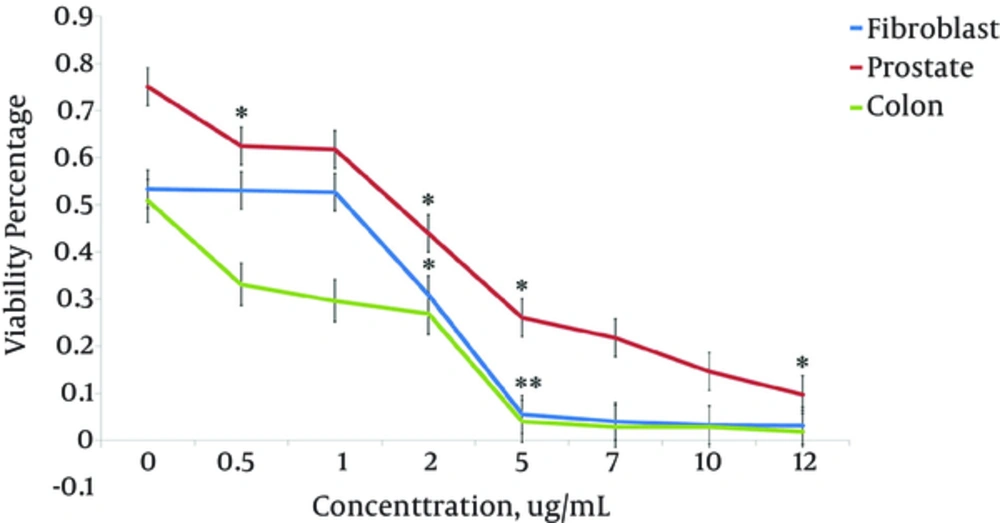
50 index of the extracts indicates more mortality in the prostate cancer cells compared to the two other cells, which indicates the greater sensitivity of prostate cancer cells. More than 90% of the reduction in proliferation of all of the cells was due to the extract. As the concentration of the extract increased, the DNA synthesis was decreased at a significant level in all three cell lines. This indicates the suppressor effect of the extract on cell proliferation (
Figure 4). Similar to this result, Kim et al. reported the lowering effects of aqueous extract of
T. terrestris plant on liver cancer cell line (
8).
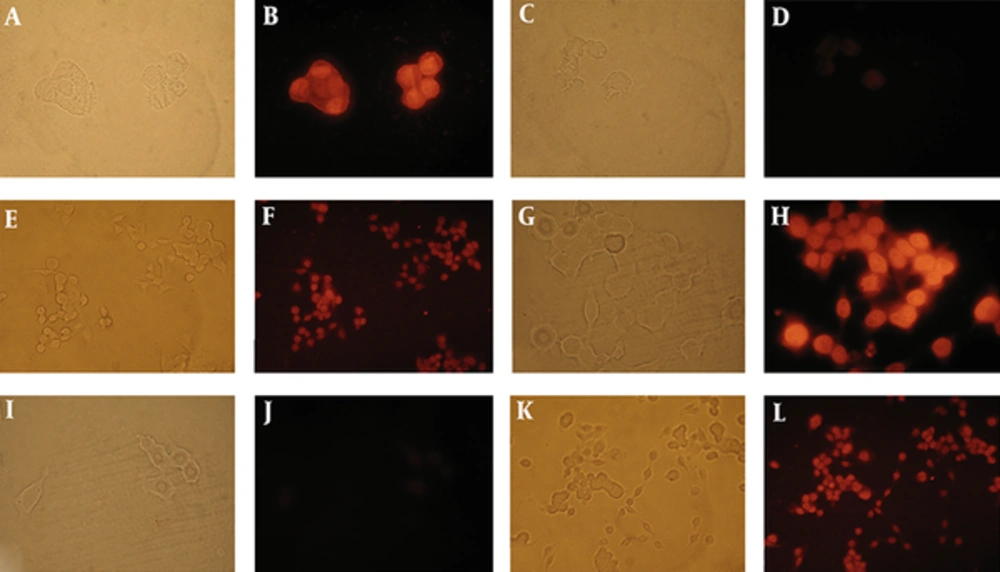
Treatment with 7 µg/mL of the extract triggered 74% and 46% apoptotic death in prostate and colon cancer cell lines, respectively. Since only specific ligands such as FAS ligand and tumor necrosis factor (TNF) can stimulate external pathway of apoptosis, it is unlikely that components of the extract act through extracellular pathways of apoptosis. However, a wider range of damage including DNA damage and disturbance in mitochondrion membrane can launch the intrinsic pathway of apoptosis. However, internal or external pathways launched by the extract need further studies. Furthermore, to identify which components of the extract induce apoptosis, all of them should firstly be isolated individually by GC-MS or preparative HPLC and then their effects on the cells should be studied. Kim et al. reported that
T. terrestris extract could trigger apoptosis in liver cancer cell by preventing the NF-κB factor signaling (
8). This finding confirms their observation, however we cannot conclude that inhibition of NF-κB signaling is the sole mechanism involved in apoptosis in our study.
Comparison of
T. terrestris extract effects on prostate and colon cancer cells indicates higher sensitivity of the prostate cancer cells than the colon cancer cells. This is also demonstrated by the TUNEL test. It is supposed that the effects of the extract are related to the saponin component present in
Tribulus terrestris. In the study of Bedir et al., steroidal saponins purified from this plant were used against several cancer cell lines and exhibited a broad range of anticancer activity (
5). Molecular mechanisms of saponins include: rapid onset of apoptosis and suppression of cell proliferation, which are related to initial activation of caspase 3, P-ERK 1/2 and Dephosphorylation genes (
5,
9,
10).
The result of our study on prostate cancer cells is similar to their result, thus a high power of the extract is evident in all three tests. The prostate cancer cells experienced 74% apoptosis at 7 µg/mL concentration. Only 15% of the cells survived during the MTT test at the same concentration. In analysis of BrdU test, the highest rate of DNA synthesis prevention was at 12 µg/mL. The tests results regarding colon cancer cell line were also similar and the outputs of three tests were consistent with each other. However, the cytotoxic effects and prevention of DNA synthesis were not significant at less than 5 µg/mL. Studying the behavior of colon cancer cells indicates 32% viability and 46% apoptosis at 7 µg/mL concentration.
Collectively, our results indicate that colon cancer cells were less sensitive to the plant extract than prostate cancer cells and fibroblast-like cells are more resistant than both cancer cells. However, since our experiments were performed at in vitro conditions, for clinical utilization, it is necessary to further analyze their anticancer effects with in vivo conditions.