
1. Background
According to statistics published by the World Health Organization (WHO) by the end of 2023, the number of people affected by COVID-19 and related deaths exceeded 772 million and 6 million, respectively. The highest incidence rates have been reported in European countries, while the highest mortality rates were documented in the United States (1, 2). In Iran, over 7 million cases and 146,000 deaths due to COVID-19 were reported by the end of 2023 (3). However, it is noteworthy that global incidence and mortality rates have significantly declined after several months (4).
Beyond the immediate respiratory effects, COVID-19 has been associated with various long-term complications affecting multiple organ systems. While the respiratory system is primarily targeted, leading to conditions such as pneumonia and acute respiratory distress syndrome (ARDS), patients may also experience cardiovascular issues like myocarditis and increased thromboembolic events, which can result in severe conditions such as deep vein thrombosis (DVT) and pulmonary embolism (5). Gastrointestinal symptoms, including nausea and diarrhea, are common, and the virus can cause liver dysfunction. Additionally, acute kidney injury (AKI) has been observed in severe cases. Neurological and psychological effects have also been documented, showing that the consequences of COVID-19 extend well beyond the acute phase of infection. This necessitates ongoing research and attention to the long-term health of recovered patients, particularly those experiencing chronic dyspnea (5, 6).
Dyspnea, or shortness of breath, is a common symptom among individuals recovering from COVID-19, with studies indicating that it can persist long after the acute phase of the illness. This persistent breathlessness can limit physical activities, making it challenging for survivors to engage in routine tasks such as walking, climbing stairs, or even performing household chores. The inability to carry out these activities can lead to feelings of frustration and helplessness, further diminishing the quality of life for affected individuals (7, 8).
In Iran, where the COVID-19 outbreak has posed unique challenges to the healthcare system, understanding the prevalence and characteristics of chronic dyspnea in recovered patients is essential for developing effective post-COVID care strategies. This retrospective study investigates the incidence of chronic dyspnea among Iranian patients who have recovered from COVID-19, analyzing clinical data to identify potential risk factors and implications for long-term health outcomes. By shedding light on this important aspect of post-COVID recovery, this research aims to contribute to the growing body of knowledge on the long-term effects of COVID-19 and to guide healthcare providers in managing ongoing health challenges faced by survivors.
2. Objectives
This study aimed to determine the prevalence of chronic dyspnea and related factors in Iranian patients who have recovered from COVID-19.
3. Methods
This retrospective analytical study was conducted in 2023. The research setting was Imam Hossein Hospital, affiliated with Shahid Beheshti University of Medical Sciences, which was one of the main referral centers for COVID-19 patients in Tehran.
3.1. Participants
Based on a medium effect size determined using the formula by Bujang et al. (9) and accounting for a potential 15 independent variables, the sample size was set at 400 individuals. Inclusion criteria were: (1) Persian language proficiency; (2) prior hospitalization in COVID-19 wards within Shahid Beheshti University of Medical Sciences; (3) age over 18 years; (4) willingness to participate in the study; (5) at least three months elapsed since hospital discharge, with pre-hospitalization respiratory status considered for chronic dyspnea diagnosis. Exclusion criteria included: (1) history of pre-existing respiratory conditions; (2) cognitive impairment; (3) participation in other clinical trials; and (4) non-compliance with the study protocol.
3.2. Study Procedure
Following the initial design of the questionnaire, the researcher accessed the archives at Imam Hossein Hospital. Files of patients who had been hospitalized in the COVID-19 wards at least three months prior and subsequently discharged were collected and reviewed. The researcher recorded contact numbers and other necessary information for these patients. To complete the questionnaire, the researcher conducted telephone interviews with patients, filling out the questionnaire through a series of structured questions. Each patient was contacted up to three times; if there was no response, the next patient on the list was selected. During the call, the researcher provided an explanation of the study and obtained verbal informed consent before proceeding with the questions.
3.3. Measures
To collect data, researchers utilized a self-designed questionnaire consisting of three sections:
The first section captures demographic information [age, sex, weight, Body Mass Index (BMI), height, marital status, education level, occupation, and place of residence] and clinical information (smoking habits, addiction, history of underlying conditions and type of condition, medication use history, history of surgeries and type of surgery, physical activity, dietary habits, influenza vaccination history, COVID-19 vaccination history, and duration of COVID-19 hospitalization).
The second section involves the Modified Medical Research Council (mMRC) Scale (Table 1), which classifies dyspnea into grades I to IV based on the degree of breathlessness experienced during physical activity, with higher grades indicating greater limitations (10).
Table 1.
Modified Medical Research Council Dyspnea Scale
| Category | Description |
|---|---|
| 0 | No dyspnea |
| 1 | Slight degree of dyspnea (experiencing shortness of breath when hurrying on the level or walking up a slight hill) |
| 2 | Moderate degree of dyspnea (walking slower than individuals of the same age on the level due to breathlessness) |
| 3 | Moderately severe degree of dyspnea (having to stop due to breathlessness when walking at one's own pace on the level) |
| 4 | Severe degree of dyspnea (stopping for breath after walking about 100 yards or after a few minutes on the level) |
| 5 | Very severe degree of dyspnea (being too breathless to leave the house or experiencing breathlessness when dressing or undressing) |
3.4. Statistical Analysis
Data were analyzed using SPSS software, version 26.0 (IBM SPSS Statistics for Windows, Version 26.0. Armonk, NY: IBM Corp., USA). The Kolmogorov-Smirnov test was used to determine the normality of continuous variables. Data were expressed as mean ± standard deviation (SD), median (min-max) for continuous variables, and counts (percentages) for categorical variables. A chi-square test was used to assess relationships among categorical variables such as sex and education level with chronic dyspnea. Additionally, the relationship between continuous variables (e.g., age) and chronic dyspnea was assessed using logistic regression. A P-value of < 0.05 was considered statistically significant.
3.5. Ethics Statement
Participants were informed that their participation in the study was voluntary, with the study’s objectives and procedures thoroughly explained. Each participant provided written, fully informed consent. Assurances were given to all participants regarding the privacy of their data and the confidentiality of any findings shared or published. The Ethics Committee of Shahid Beheshti University of Medical Sciences approved the current research (code: IR.SBMU.PHARMACY.REC.1402.054).
4. Results
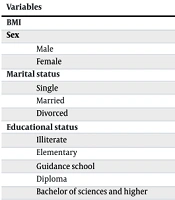
The demographic characteristics of the patients in the study are shown in Table 2. The average age of participants was 52.96 years (SD = 14.77, range = 14 to 87). On average, patients reported 2 hours of daily exposure to polluted air and 8 hours of exposure to occupational hazards. They engaged in approximately 2 hours of physical activity and had an average of 7 hours of rest daily. Additionally, participants reported an average hospitalization period of 6 days following their COVID-19 diagnosis.
Table 2.
Demographic Profiles of Patients
| Variables | Values a |
|---|---|
| BMI | 27.99 (4.75) |
| Sex | |
| Male | 212 (53) |
| Female | 188 (47) |
| Marital status | |
| Single | 51 (12.8) |
| Married | 313 (78.3) |
| Divorced | 36 (8.9) |
| Educational status | |
| Illiterate | 51 (12.8) |
| Elementary | 67 (16.8) |
| Guidance school | 72 (18) |
| Diploma | 126 (31.4) |
| Bachelor of sciences and higher | 84 (21) |
| Job | |
| Employed | 121 (30.3) |
| Retired | 93 (23.2) |
| Unemployed | 21 (5.3) |
| Housewife | 160 (40) |
| Disabled | 5 (1.2) |
| Living place | |
| Private house | 252 (63) |
| Rented house | 146 (36.5) |
| Retirement home | 2 (0.5) |
| Chronic disease | |
| Yes | 188 (47) |
| No | 212 (53) |
| Medical history | |
| Yes | 187 (46.8) |
| No | 213 (53.3) |
| Smoking | |
| Yes | 104 (26) |
| No | 296 (74) |
| Level of anxiety | |
| None | 21 (5.3) |
| Low | 150 (37.5) |
| Average | 136 (34) |
| High | 72 (18) |
| Very high | 21 (5.3) |
| Herbal medicine use | |
| Yes | 75 (18.8) |
| No | 325 (81.3) |
| Surgery history | |
| Yes | 136 (34) |
| No | 264 (66) |
| Exercise | |
| Yes | 181 (45.3) |
| No | 219 (54.8) |
| Specific diet | |
| Yes | 124 (31) |
| No | 276 (69) |
| Sufficient rest | |
| Yes | 339 (84.8) |
| No | 61 (15.3) |
| COVID-19 vaccination | |
| Yes | 372 (93) |
| No | 28 (7) |
| Flu vaccination | |
| Yes | 11 (2.8) |
| No | 389 (97.3) |
| Drug abusing | |
| Yes | 8 (2) |
| No | 392 (98) |
| Family drug use | |
| Yes | 141 (35.3) |
| No | 259 (64.8) |
Abbreviation: BMI, Body Mass Index.
a Values are expressed as mean (%).
Regarding dyspnea, the majority of patients (247, 61.8%) reported experiencing dyspnea while walking fast or climbing hills, with severe dyspnea having the lowest incidence (3, 0.8%). Factors significantly associated with chronic dyspnea included marital status (P < 0.001), education level (P < 0.001), occupation (P < 0.001), chronic illness (P < 0.001), medical history (P < 0.001), history of surgery (P = 0.002), exercise (P < 0.001), and exposure to smoke (P = 0.012).
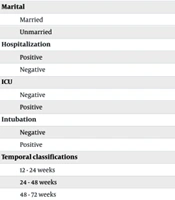
Table 3 shows the relationship between vaccine status and the occurrence of dyspnea among 400 participants. Of these, 372 individuals were vaccinated, with 84 reporting dyspnea and 288 not experiencing this symptom. In contrast, among the 28 unvaccinated participants, 6 reported dyspnea, and 22 did not. The P-value for this comparison is 0.88, indicating no statistically significant difference in the incidence of dyspnea between vaccinated and unvaccinated participants. This suggests that vaccination status does not appear to influence the likelihood of experiencing dyspnea in this study population.
Table 3.
Relationship Between Vaccine Status and Incidence of Dyspnea Among Participants
| Vaccine Status | Participants | With Dyspnea | Without Dyspnea | Sig. |
|---|---|---|---|---|
| Received | 372 | 84 | 288 | 0.88 |
| Not-received | 28 | 6 | 22 | |
| Total | 400 | 90 | 310 |
Table 4 presents the prevalence of dyspnea among participants at different levels of physical activity. A total of 124 participants reported experiencing dyspnea, with most (62.1%) experiencing it during brisk walking or hill climbing, indicating a significant impact on their ability to engage in moderate physical activity. Additionally, 15.8% reported dyspnea during intense exercise, while 14.1% experienced it even when walking slowly, necessitating rest and breathing breaks. A smaller group, comprising 7.3%, indicated needing to stop for a few minutes while walking due to dyspnea. Notably, only 3 participants (0.8%) reported severe dyspnea. This distribution suggests that dyspnea is most commonly associated with strenuous physical activities, while severe cases are relatively rare among participants.
Simple logistic regression analysis showed that influenza vaccination (P = 0.02), COVID-19 medication dosage (P = 0.012), frequency of COVID-19 infection (P < 0.001), air pollution (P = 0.02), duration of night sleep (P = 0.02), consumption of vegetables and fruits (p = 0.005), daily water intake (P < 0.001), dietary habits (P < 0.001), and BMI (P < 0.001) have significant associations with chronic dyspnea.
Table 4.
Prevalence of Dyspnea Among Participants Based on Physical Activity Levels
| Dyspnea | Values a |
|---|---|
| Dyspnea with heavy exercise | 63 (15.8) |
| Dyspnea with walking briskly or climbing hills | 247 (62.1) |
| Walking slowly, needing rest and breathing while walking | 56 (14.1) |
| Need to stop for a few minutes while walking | 29 (7.3) |
| Severe dyspnea | 3 (0.8) |
| Total | 124 |
a Values are expressed as No. (%).
According to Table 5, the likelihood of chronic dyspnea increases by 3.1 times with an increase in BMI (P < 0.001), 1.36 times with an increase in age (P < 0.001), and decreases with regular exercise (OR = 0.93, P = 0.001). Furthermore, an increase in the duration of hospitalization is associated with a 1.1-fold increase in the risk of chronic dyspnea.
Table 5.
Relationship Between Demographic and Clinical Variables and Chronic Dyspnea
| MRC | Variables | |||||||||||
|---|---|---|---|---|---|---|---|---|---|---|---|---|
| BMI | Age | Hospitalization after COVID-19 | ||||||||||
| B | Wald | OR | P-Value | B | Wald | OR | P-Value | B | Wald | OR | P-Value | |
| 1 | 0.172 | 18.484 | 1.188 | < 0.001 | 0.109 | 50.147 | 1.115 | < 0.001 | 0.047 | 1.394 | 1.048 | 0.238 |
| 2 | 0.218 | 21.286 | 1.243 | < 0.001 | 0.182 | 76.313 | 1.20 | < 0.001 | 0.071 | 2.253 | 1.074 | 0.133 |
| 3 | 0.269 | 26.359 | 1.309 | < 0.001 | 0.275 | 81.707 | 1.317 | < 0.001 | 0.136 | 7.525 | 1.145 | 0.006 |
| 4 | 0.043 | 0.076 | 1.044 | < 0.001 | 0.311 | 17.134 | 1.364 | < 0.001 | 0.157 | 2.756 | 1.170 | 0.097 |
| Exercise | Duration of Rest | Duration of Hazard Exposure | ||||||||||
| B | Wald | OR | P-Value | B | Wald | OR | P-Value | B | Wald | OR | P-Value | |
| 1 | -0.008 | 5.536 | 0.992 | 0.019 | -0.170 | 2.898 | 0.843 | 0.089 | 0.112 | 0.846 | 1.118 | 0.358 |
| 2 | -0.018 | 3.784 | 0.982 | 0.042 | -0.064 | 0.244 | 0.938 | 0.622 | 0.292 | 2.199 | 1.339 | 0.138 |
| 3 | -0.064 | 11.022 | 0.938 | 0.001 | 0.411 | 4.897 | 1.509 | 0.057 | 0.345 | 0.829 | 1.412 | 0.362 |
| 4 | -0.015 | 10.123 | 0.970 | 0.001 | 0.754 | 2.572 | 2.125 | 0.109 | 0.05 | 0.007 | 1.051 | 0.933 |
Abbreviations: MRC, medical research council; BMI, Body Mass Index.
5. Discussion
Chronic dyspnea, or persistent shortness of breath, is a major concern for many patients recovering from COVID-19. Studies indicate that a considerable proportion of individuals hospitalized due to COVID-19 continue to experience dyspnea long after their acute recovery. For instance, research shows that approximately 49% of patients report no improvement in dyspnea, while 24% experience worsening symptoms, and 20% develop new-onset dyspnea at the 12-month mark post-infection. This persistence of symptoms can severely impact quality of life, leading to issues such as sleep disturbances, mood disorders, and overall frailty (8, 11, 12).
It is essential to recognize the diverse range of symptoms indicating ongoing respiratory challenges. Persistent, often unexplained shortness of breath is a key hallmark, accompanied by fatigue and chest discomfort, which contribute to a decline in exercise tolerance (13). Some individuals may also report a lingering cough, wheezing, or noisy breathing, suggesting continued respiratory inflammation or dysfunction. Emotional distress and anxiety can further exacerbate the condition, highlighting the interconnectedness of physical and mental health. Sleep disturbances, limitations in daily activities, and changes in breathing patterns collectively underscore the multifaceted nature of chronic dyspnea following COVID-19 recovery (14). A comprehensive understanding and approach to these signs are essential for healthcare professionals to develop effective management strategies. These strategies should incorporate rehabilitation, symptomatic treatment, psychosocial support, and lifestyle modifications to improve the overall well-being of individuals experiencing persistent respiratory symptoms (13).
Pulmonary rehabilitation programs are critical, focusing on enhancing lung function and respiratory muscle strength through structured exercises. Symptomatic treatments, including bronchodilators and anti-inflammatory medications, may be prescribed to alleviate symptoms and reduce airway inflammation (15). Psychosocial support, including counseling and mental health interventions, addresses the emotional impact of chronic dyspnea. Lifestyle modifications, such as regular exercise, a balanced diet, and smoking cessation, are encouraged to promote overall respiratory health (16). A patient-centered approach is essential, tailoring interventions to individual needs and continuously reassessing the effectiveness of the management plan. Ongoing research is crucial to further our understanding of the underlying mechanisms and guide the development of targeted therapeutic interventions, ultimately enhancing long-term outcomes and quality of life for individuals managing chronic dyspnea after COVID-19 recovery (17).
Another key result of this study is the significant relationship of marital status, education, occupation, chronic illness, medical history, history of surgery, exercise, exposure to smoke, BMI, and age with chronic dyspnea. Deka et al. (18) reported that age alone has a significant relationship with dyspnea. The observed relationships between age, Body Mass Index (BMI), and chronic dyspnea, particularly in recovered COVID-19 patients, emphasize the complex interplay of physiological factors affecting respiratory health.
In the present study, exercise had an alleviating effect on dyspnea. Regular exercise is crucial for maintaining and enhancing respiratory function, strengthening respiratory muscles, and improving overall cardiovascular fitness. However, in the context of chronic dyspnea, a delicate balance exists (19). While exercise promotes lung health, excessive or strenuous physical activity can exacerbate symptoms and lead to increased breathlessness. For individuals recovering from COVID-19, a structured and gradual approach to exercise is recommended (20). Pulmonary rehabilitation programs that incorporate aerobic exercises, breathing techniques, and strength training can be particularly effective. These programs aim to enhance exercise tolerance, reduce dyspnea, and improve overall quality of life. Monitoring individual responses to exercise and tailoring programs to the specific needs and limitations of each patient is essential (20).
Age is a significant determinant, as the respiratory system undergoes natural aging processes, such as decreased lung elasticity and muscle strength, which can contribute to dyspnea. Elderly individuals may be more susceptible to persistent respiratory symptoms due to these age-related changes (21). Similarly, BMI, a measure of body fat, can also influence respiratory function. Both underweight and obesity have been associated with respiratory issues, with excess weight potentially placing additional demand on the respiratory system (22). In the context of COVID-19 recovery, the relationship between age, BMI, and chronic dyspnea is complex, with older individuals and those with higher BMI potentially facing increased challenges (23). However, individual variations, pre-existing conditions, and the unique impact of the virus on each patient necessitate a nuanced understanding of these relationships for effective management and tailored interventions.
5.1. Strengths and Limitations
This study is the first to investigate chronic dyspnea in Iranian COVID-19 recovered patients, addressing a crucial aspect of post-COVID-19 care. The findings provide valuable insights into the lingering respiratory effects of the virus, which have emerged as a significant concern among recovered patients. As part of the growing body of literature on post-COVID-19 complications, this study enhances the global understanding of the respiratory sequelae associated with the virus. The insights gained from this research may influence future studies and inform the development of clinical guidelines for managing chronic dyspnea in COVID-19 survivors. By highlighting the prevalence and characteristics of chronic dyspnea in the Iranian population, this study offers healthcare professionals essential information to guide post-COVID-19 care. The findings may also impact resource allocation and support the creation of targeted interventions for the long-term recovery of COVID-19 survivors. However, like other studies, this research faced limitations, including patient selection; efforts were made to minimize selection bias by examining all relevant aspects.
5.2. Clinical Implications
Firstly, identifying and characterizing chronic dyspnea as a persistent symptom following COVID-19 recovery underscores the need for prolonged monitoring beyond the acute phase of illness. Healthcare providers should be vigilant in recognizing and addressing respiratory symptoms in recovered individuals, especially in populations with a higher prevalence of chronic dyspnea, such as those studied in Iran.
Understanding the prevalence and factors associated with chronic dyspnea in this population can inform healthcare strategies for managing post-COVID-19 complications. The findings may assist clinicians in risk-stratifying patients, identifying those at greater risk for persistent respiratory symptoms, and tailoring follow-up care accordingly. Insights into the specific characteristics of chronic dyspnea within this cohort, including its relation to age, BMI, and other demographic factors, can contribute to a more nuanced understanding of the condition and aid in developing targeted interventions.
Furthermore, the study's results may encourage integrating routine respiratory assessments and rehabilitation programs into post-COVID-19 care protocols. Early identification of chronic dyspnea can enable timely interventions, such as pulmonary rehabilitation, lifestyle modifications, and psychosocial support, to reduce the long-term impact on patients' respiratory health and overall well-being.
In a broader context, this study may encourage further research into the mechanisms underlying chronic dyspnea post-COVID-19 and its variations across diverse populations. Such research could support the development of standardized guidelines for managing respiratory complications in recovered COVID-19 patients worldwide, promoting a comprehensive and targeted approach to post-acute care. Overall, the clinical implications of this study emphasize the importance of ongoing monitoring, personalized care, and a holistic understanding of chronic dyspnea following COVID-19 recovery.
5.3. Conclusions
This retrospective study underscores the significant prevalence of chronic dyspnea among Iranian patients recovering from COVID-19, with a substantial proportion (61.8%) experiencing dyspnea during activities such as fast walking or climbing hills. The findings highlight chronic dyspnea as a persistent and debilitating symptom that requires careful attention and management. Factors associated with an increased likelihood of chronic dyspnea include higher BMI and advanced age, while regular exercise was found to decrease this likelihood. These insights underscore the importance of personalized care and rehabilitation programs tailored to each patient's specific needs.
The study’s results reinforce the need for continuous patient monitoring beyond the acute phase of COVID-19, especially in populations with higher risk factors, such as increased BMI and older age. Early identification and intervention—including pulmonary rehabilitation, lifestyle modifications, and psychosocial support—can significantly reduce the long-term impact of chronic dyspnea on respiratory health and overall well-being. In summary, this study highlights the crucial role of evidence-based care strategies and ongoing monitoring in managing post-COVID-19 complications, particularly chronic dyspnea, to improve the quality of life for recovered patients. This research contributes to the development of targeted interventions and standardized guidelines for managing respiratory complications in COVID-19 survivors, ensuring a comprehensive and holistic approach to post-acute care.