
1. Background
Cardiovascular diseases rank first globally, with an annual mortality of over 17 million people (1). Approximately 38% of deaths in Iran are attributed to cardiovascular disease (2). coronary artery disease (CAD) is a cardiovascular disease that, despite all efforts to prevent and treat, is still the leading cause of death worldwide (3). Given that the average age of cardiovascular disease has decreased significantly in recent years (4), the early diagnosis of CAD significantly increases patient survival and reduces treatment costs (5). Ischemic heart disease is chronic and preventable (6). Thus, patients diagnosed with acute coronary syndrome (ACS) are encouraged to follow treatment guidelines to prevent the disease recurrence and improve their quality of life (7).
Treatment adherence is defined as the extent to which an individual’s behavior conforms to health or treatment recommendations, regular medication use, adherence to lifestyle principles, and commitment to physicians' recommendations. It is a complex process influenced by several factors such as personal characteristics, awareness level, socioeconomic status, individual’s health beliefs, patient-physician interaction, and the performance of the health care system (8). Medication adherence is of great clinical and health importance in the treatment and control of ACS (9). However, despite the use of various pharmacological and surgical methods to treat ACS (10), the main complaint of patients is the unawareness of self-care behaviors that in many cases leads to the readmission of the patient (11). Non-adherence to treatment and care regimens is a significant risk factor for complications, increased mortality, disability, readmission, and rising health care costs (12). Many factors such as the patient's awareness of diets, health beliefs, socioeconomic status, treatment perception, and cultural differences can affect the degree of adherence to CAD treatment (13, 14).
Anxiety is common in patients with CAD (15) and causes anxiety in other family members (16). Anxiety is significantly higher, especially in members such as the spouse involved in decision-making for the patient (17). Spouses of CAD patients experience high levels of stress and chronic illness, which profoundly affect patients and their families, especially their spouses (18). These spouses suffer from significantly higher levels of depression and anxiety than patients themselves, and they often have lower knowledge and understanding of how to control the patient's heart condition and the information provided to the patient. When only rehabilitation information is given to patients, the spouses feel left out. Reducing spouses' anxiety is essential for them and helps improve treatment outcomes of patients (19). The spouse of a patient with heart disease has a vital role in recovery, individual rehabilitation, and quality of life and is the main factor in reducing psychosocial distress caused by the disease (20).
In ACS patients, the post-hospitalization period is very critical and susceptible; most patients are not prepared for hospital discharge at that time, and many are uneducated about their discharge medications or treatment plans. The discharge process should include activities such as counseling, training in discharge medications, and post-discharge monitoring and follow-up to reduce the severity of complications (21). One of the most critical factors following an effective dietary plan in cardiovascular patients after discharge is the active family presence and support (22), and family-based education is more effective than patient-centered education (23). A systematic review study has shown that family-centered care creates positive outcomes such as reducing the length of hospital stay, reducing costs, positive psychological experiences for the patient and family, increasing their satisfaction, and facilitating therapeutic goals (24). Thus, the more support the patient receives from his/her spouse and others, the more commitment he/she shows to follow self-care activities (25).
Acceptance of and adherence to treatment and medication programs positively reduces complications, costs, disability, and mortality in patients with coronary heart disease, and this will not be possible unless effective education is provided (12). Numerous interventions have been conducted for educating cardiovascular patients, especially regarding adherence to treatment (medication, activity, and diet): Individual and group education and counseling, internet, telephone, and computer-based education, holding educational camps, membership in educational clubs, and home-based education (26). Although for cultural reasons the issue of marital relations is considered a private and personal matter in most societies, the presence of family and supportive people, especially the spouse, at the patient’s bedside will increase the sense of participation, respect, empathy, hope, and trust, promote family health and mutual well-being, and increase the patient's motivation and sense of self-efficacy in pursuing long-term care treatment programs (27). Considering the role of family members, especially spouses, in the care and rehabilitation of patients with cardiovascular diseases, the design and implementation of family-oriented interventions with education and active participation of the spouse are very important since such interventions can target the level of caregivers' anxiety and improve adherence to treatment as an indicator of self-care and an essential part of the quality of nursing care by providing information and focusing on care issues and problems related to the ACS in the context of marital life (20).
2. Objectives
The present study aimed to examine the effect of couple education on the spouses' anxiety and adherence to the treatment of patients with ACS admitted to the cardiac intensive care units of Khatam al-Anbia and Ali Ibn Abitaleb hospitals affiliated with Zahedan University of Medical Sciences in 2021.
3. Methods
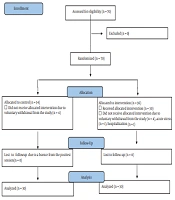
This quasi-experimental study was conducted using a pretest-posttest design on 70 couples, including the spouses and patients with ACS admitted to the cardiac intensive care units of Khatam al-Anbia and Ali Ibn Abitaleb hospitals of Zahedan University of Medical Sciences in 2021. The ACS patients and their spouses who met the inclusion criteria were identified and randomly allocated to intervention and control groups, each with 35 persons.
The sample size was estimated as 32 persons per group based on the mean and standard deviation of the spouses' anxiety scores in a clinical trial by Broadbent et al. at 95% confidence interval and 90% statistical test power using the following formula (19).
However, taking into account the possible dropout of the participants, the sample size for each group was considered 35 persons (70 persons in total). The inclusion criteria were a diagnosis of ACS based on diagnostic tests (electrocardiogram, echocardiogram, and cardiac enzymes) confirmed by a cardiologist, age of 30 to 70 years, a married status, having a minimum literacy, no known mental disorders, no addiction, lack of hearing and vision impairment and communication problems, no major stressful events (including the death of loved ones) in the past year, no need for coronary artery bypass graft (CABG) surgery, and no spouse's disease. The exclusion criteria were readmission, unwillingness to continue participating in the study, absence from more than one training session, open-heart surgery, or patient death at the time of the study.
The instruments used in this study to collect the data were a demographic information form (to assess the participants’ age, education, occupation, and disease-related information), the Medication Adherence Scale, and the Spielberger State and Trait Anxiety Inventory.
Medication Adherence Scale: The scale was developed by Heydari et al. to assess adherence to treatment in patients with ACS (28). The scale has three subscales of adherence to diet, adherence to medication, and physical activity pattern. The diet adherence subscale contains 13 items, including seven five-choice and six four-choice items. The total score on this subscale is 46; items 1, 5, 7, 11, 12, and 13 are scored on a four-point scale (0 to 3), and items 2, 3, 4, 6, 8, 9, and 10 are scored using a five-point scale (0 to 4). Moreover, items 11, 12, and 13 are scored in reverse. The medication adherence subscale contains six items scored on five options (0 to 4) with a total score of 24. The last item is scored directly, and the rest are scored in reverse. The subscale of the physical activity pattern contains seven multiple-choice items. Items 1, 2, 4, and 7 are scored on a four-point scale (0 to 3), and items 3, 5, and 6 are scored on a three-point scale (0 to 2). The total score on this subscale is 18. All items are scored directly. The total score on the scale ranging from 0 to 100 shows the degree of patients' adherence to the treatment regimen, calculated as the sum of the total scores on the three subscales, with higher scores indicating higher adherence to treatment. The content validity of the Medication Adherence Scale was confirmed by Heydari et al.. The scale's reliability was assessed by measuring its Intraclass Correlation Coefficient (ICC). Thus, the scale items were completed for 15 patients by another rater with scientific qualifications matching those of the developer. The correlation coefficients for diet adherence, medication adherence, and physical activity pattern subscales were 0.86, 0.91, and 0.95, respectively (28). In the present study, the reliability of this scale was estimated as 0.88 using Cronbach's alpha method.
Spielberger State-Trait Anxiety Inventory: The state anxiety scale contains 20 four-choice items that ask the respondents to express their feelings. The answers to the positive items are scored on a four-point Likert Scale (4 = never, 3 = slightly, 2 = much, and 1 = very much), and the answers to the negative items are scored reversely (1 = never, 2 = slightly, 3 = much, and 4 = very much). The total score ranges from 20 to 80, with a higher score indicating a higher level of anxiety. The validity and reliability of the inventory were assessed and confirmed for use in Iran by Varaei et al., and its reliability was estimated to be 0.93 using Cronbach's alpha (29). The reliability of this tool was confirmed in this study with the Cronbach's alpha value of 0.78.
After obtaining the necessary permits from the Ethics Committee and the Vice-Chancellery for Research and Technology of the University, the researcher referred to Ali Ibn Abitaleb and Khatam al-Anbia Hospitals in Zahedan and received permission from the managers of the hospitals to attend the cardiac intensive care units. Besides, necessary arrangements were made with the managers of the cardiac intensive care units for conducting the study. The patients were selected using convenience sampling. To this end, the patients with ACS who met the inclusion criteria were identified. After stating the goals and reasons for the intervention and obtaining permission from the patients, their spouses were invited to participate in the study. After obtaining the couples' permission, written informed consent was obtained from them. The patients with their spouses were divided into intervention and control groups based on random allocation. First, 70 color cards specifying the study groups (red cards for the intervention group and white cards for the control group) were prepared for the total patients. The membership of each couple was then specified by the color of the card taken out of the container. After placing the couples in the two groups, the items in the Medication Adherence Scale were completed by the spouses and the Spielberger State-Trait Anxiety Inventory by the patients as the pretest.
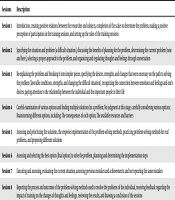
Each patient and his/her spouse in the intervention group attended three training sessions based on clinical diagnosis and treatment prescribed for the patient. The duration of each session was 40 - 60 minutes on average (depending on patient tolerance). The sessions were held daily at the patient's bedside (Table 1). The first training session was held on the second day of hospitalization after stabilizing the patient's general condition, depending on the cardiopulmonary condition. The subsequent sessions were held daily. In the last session that focused on increasing the couple's intimacy, the educational content was provided to the couples in an educational booklet. For couples who were discharged before the completion of the intervention, the training sessions continued at their home, and instructions were provided using questions and answers through phone calls or text messages during a three-month follow-up period. Twelve weeks after completing the last training session, the patients and their spouses completed the questionnaires when they were referred to medical offices or the cardiac intensive care units. If the patient's subsequent visit did not coincide with the time of completing the questionnaires, the researcher made arrangements with the couple, and the questionnaires were completed at their home.
Table 1.
A Description of the Intervention Program and Its Content
| Session | Content | Time (min) |
|---|---|---|
| 1 | Familiarity with the couple and establishing rapport with them, a review of the pathophysiology and importance of ACS, identification of clinical symptoms, and how to manage and control the disease based on the clinical form of the disease (infarction or unstable angina) | 40 - 60 |
| 2 | The role of nutrition and the effect of a healthy diet, exercise, and stress control and management in ACS based on the clinical form of the disease and the importance of the treatment regimen | 40 - 60 |
| 3 | Focusing on stress management and couples' relationships in the context of the disease | 40 - 60 |
The patients in the control group did not receive any training other than the routine care and education at the cardiac intensive care units. The questionnaires were completed for the participants in the control group at the cardiac intensive care units or the patient’s home at the same time they were completed for the patients in the intervention group (i.e., 12 weeks after the intervention). To comply with ethical considerations, we formulated the instructions and materials covered in the training sessions in an educational pamphlet and presented them to the couples in the control group.
3.1. Ethical Considerations
The Ethics Committee of Zahedan University of Medical Sciences, Iran, approved the study protocol under the number IR.ZAUMS.REC.1400.098. Besides, as part of the requirements for complying with ethical principles, informed consent was obtained from the participants, and they were ensured of the confidentiality of their information and the right to leave the study at any stage.
3.2. Data Analysis
The collected data were analyzed with SPSS-22 software using paired-samples t-test, independent samples t-test, chi-square test, and analysis of covariance (ANCOVA). The significance level was considered less than 0.05 (P < 0.05).
4. Results
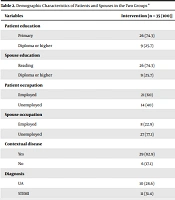
Data analysis indicated that the mean age of the patients and the spouses in the intervention group was 57.49 ± 10.52 and 54.74 ± 9.18 years, and the corresponding values for the participants in the control group were 56.34 ± 9.61 and 54.51 ± 9.19 years, respectively. However, there was no significant difference between the two groups regarding age as indicated by the independent samples t-test (P < 0.05). Furthermore, the disease duration for the patients in the intervention and control groups was 3.17 ± 2.10 and 3.69 ± 2.38 years, respectively, and there was no significant intergroup difference as suggested by the independent-samples t-test (P = 0.34). The chi-square test for other demographic characteristics of the patients in the two groups (Table 2) indicated no statistically significant differences between the two groups in terms of education, occupational status of the patients and their spouses, underlying diseases, diagnosis, and clinical type of ACS (P < 0.05).
Table 2.
Demographic Characteristics of Patients and Spouses in the Two Groups a
| Variables | Intervention [n = 35 (100)] | Control [n = 35 (100)] | P Value |
|---|---|---|---|
| Patient education | 0.78 b | ||
| Primary | 26 (74.3) | 25 (71.4) | |
| Diploma or higher | 9 (25.7) | 10 (28.6) | |
| Spouse education | 0.56 | ||
| Reading | 26 (74.3) | 28 (80) | |
| Diploma or higher | 9 (25.7) | 7 (20) | |
| Patient occupation | 0.8 | ||
| Employed | 21 (60) | 22 (62.9) | |
| Unemployed | 14 (40) | 13 (37.1) | |
| Spouse occupation | 0.12 | ||
| Employed | 8 (22.9) | 14 (40) | |
| Unemployed | 27 (77.1) | 21 (60) | |
| Contextual disease | 0.2 | ||
| Yes | 29 (82.9) | 25 (71.4) | |
| No | 6 (17.1) | 10 (28.6) | |
| Diagnosis | 0.84 | ||
| UA | 10 (28.6) | 12 (34.4) | |
| STEMI | 11 (31.4) | 11 (31.4) | |
| NSTEMI | 14 (40) | 12 (34.4) | |
| Age of patient | 57.49 ± 10.52 | 56.34 ± 9.61 | 0.63 c |
| Age of spouse | 54.74 ± 9.18 | 54.51 ± 9.19 | 0.91 |
| Duration | 3.17 ± 2.10 | 3.69 ± 2.38 | 0.34 |
Abbreviations: UA, unstable angina; STEMI, ST-segment elevation myocardial infarction; NSTEMI, non-ST segment elevation myocardial infarction.
a Values are expressed as mean ± SD or No. (%).
b Chi-square
c Independent t test
Comparing the treatment adherence scores for the patients in the two groups (Tables 3 and 4) indicated that the mean treatment adherence score for the patients in the intervention group increased significantly from 28.80 ± 11.42 to 58.54 ± 5.00 (P = 0.001). Similarly, the mean treatment adherence score for the patients in the control group increased from 30.48 ± 11.00 to 39.05 ± 9.11, showing a significant intragroup difference (P = 0.001). The independent samples t-test showed that after the couple education intervention, the mean treatment adherence score for the patients in the intervention group was significantly higher than that of the patients in the control group (P = 0.001). The result of ANCOVA to control for the significant effect of pretest scores also revealed that the mean treatment adherence scores for the patients in the two groups differed statistically significantly after the intervention (P = 0.001).
Table 3.
Treatment Adherence and Spouse’s Anxiety Scores of Patients in Intervention and Control Groups Before and After Couple Education a
| Variables | Before | After | Change | Paired t-Test (Before-After) |
|---|---|---|---|---|
| Treatment adherence | ||||
| Intervention | 28.80 ± 11.42 | 58.54 ± 5.00 | 29.74 ± 8.40 | 0.001 |
| Control | 30.48 ± 11.00 | 39.05 ± 9.11 | 8.57 ± 5.20 | 0.001 |
| Independent t-test | 0.53 | 0.001 | 0.001 | |
| Spouse anxiety | ||||
| Intervention | 64.31 ± 2.93 | 45.31 ± 4.15 | -19.00 ± 4.35 | 0.001 |
| Control | 63.00 ± 3.86 | 60.40 ± 4.18 | -2.60 ± 3.71 | 0.001 |
| Independent t-test | 0.11 | 0.001 | 0.001 |
a Values are expressed as mean ± SD.
Table 4.
Covariance Analysis of Treatment Adherence and Spouse's Anxiety Scores After Couple Education Adjusted for Pretest Effect
| SS | df | MS | F | Sig. | Eta | Power | |
|---|---|---|---|---|---|---|---|
| Source (treatment adherence) | |||||||
| Pretest | 2317.85 | 1 | 2317.85 | 114.29 | 0.001 | 0.63 | 1 |
| Group | 7214.59 | 1 | 7214.59 | 355.75 | 0.001 | 0.84 | 1 |
| Error | 1358.72 | 67 | 20.27 | ||||
| Total | 177022 | 70 | |||||
| Source (spouse’s anxiety) | |||||||
| Pretest | 236.66 | 1 | 236.66 | 16.73 | 0.001 | 0.2 | 0.98 |
| Group | 4209.86 | 1 | 4209.86 | 297.75 | 0.001 | 0.81 | 1 |
| Error | 947.27 | 67 | 14.13 | ||||
| Total | 200738 | 70 |
As shown in Tables 3 and 4, the mean anxiety scores of the spouses in the intervention and control groups before the intervention were 64.31 ± 2.93 and 63.00 ± 3.86, and the corresponding values after the intervention were 45.31 ± 4.15 and 60.40 ± 4.18, indicating a significant decrease in the mean anxiety scores of the spouses in the two groups (P = 0.001). Furthermore, the independent samples t-test results showed that the mean anxiety score of the spouses in the intervention group was significantly lower than that of the spouses in the control group (P = 0.001). The result of ANCOVA to control for the significant effect of pretest scores also indicated that the mean anxiety score of the spouses in the two groups differed statistically significantly after the intervention (P = 0.001).
5. Discussion
The study indicated a significant reduction in the spouses' anxiety and a significant increase in adherence to treatment in patients with ACS after completing the couple education intervention. However, the trend of changes in spouses' anxiety and patients' adherence to treatment was significantly higher in the couples receiving the education than in the control group. The reduction of spouses’ anxiety in both groups after the intervention could be attributed to the passage of time and exit from the critical period of patients' hospitalization, but the significant difference in reducing spouses’ anxiety in the intervention group compared to the control group could be attributed to the effect of the couple education program. Currently, there is a greater focus on education for hospitalized patients. Thus, the increase in adherence to treatment in the patients in the control group could be due to routine ward training. However, the significant difference in increasing adherence to treatment between the two groups was due to the effectiveness of the couple education intervention.
The present study results concerning spouses’ anxiety align with the findings reported in the literature (e.g., Navidian et al.; Imani et al.; Sadeghi et al.). To reduce the anxiety of family members, these studies used strategies such as supportive education for family members, informing the patient's family by the nurse, and family involvement in patient care (30-32). However, the results reported by Golaghaie et al. are not consistent with the present study. They reported that the transfer of clinical information, attendance of the family members at the clinic, and engagement of family members in patient care in the first week of hospitalization in the intensive care unit led to higher levels of anxiety in family members (33). Golaghaie et al. (33) studied patients in the neurosurgery intensive care unit as the intervention group and patients in the internal medicine and surgery intensive care unit as the control group. This discrepancy could be due to the patients in the target group because patients admitted to the coronary care unit (CCU) do not have a good prognosis, and the level of anxiety in the family members of patients admitted to the ICU is much higher. Research has shown that hospitalization of a family member, especially in the ICU, can cause anxiety and psychological problems in other members of the patient's family, especially the patient's spouse, and the level of anxiety will be much higher if the patient is admitted to a stressful ward such as the ICU (34-36). Accordingly, Pochard et al. reported that 75% of the patient’s family members experience anxiety when their patient is admitted to the ICU, and the patient’s spouse was the person who suffered from anxiety in 82.7% of the cases (37).
In line with the present study's findings, several studies have reported an increase in patients’ adherence to treatment due to the implementation of educational programs for patients with the participation of the patient's family members, especially the spouses, as the primary caregivers. Previous studies have also confirmed the positive effects of family-centered education on promoting patients' adherence to treatment or improving quality of life. For instance, it has been demonstrated that education positively affects the quality of life of patients with thalassemia and multiple sclerosis (38, 39). Education can also improve patients' quality of life with myocardial infarction (40) and increase adherence to treatment in patients undergoing CABG (41).
In line with the present study results, Khajavi et al. examined the impact of a web-based family-oriented supportive education program on adherence to treatment of heart failure patients after discharge from the hospital. They showed that the supportive education program increased adherence to the treatment regimen in patients after discharge (42). Falahinia et al. also reported that educating patients with chronic heart failure with family involvement is more effective in improving the adherence to the treatment regimen than individual patient education (43). This finding is consistent with the results of the present study.
The patient's adherence to the recommended drug treatment, which has recently been estimated at less than 50% worldwide, is an essential issue in medicine, and patient education is the most effective intervention to improve adherence. Sanaie et al. reported that the family-centered empowerment model improved family cooperation in following patient treatment regimens after CABG and increased patients' self-efficacy and self-esteem (41). Moreover, Baljani et al. examined the effect of self-management interventions on medication adherence and lifestyle in cardiovascular patients and showed the findings consistent with the results of the present study (44).
Rezai-Asl et al. also showed that the family-centered empowerment model positively affected adherence to the treatment in diabetic patients with heart problems (45), as confirmed in the present study. Khanjari et al. also showed that family-centered education was effective in adhering myocardial infarction patients to the treatment regimen and could reduce the complications of disability, hospital costs, and the risk of death (46).
Furthermore, Arabshahi et al. showed that education based on social support received from the spouse promoted self-care behaviors and reduced systolic blood pressure in patients with hypertension. The researchers concluded that patients' spouses could provide suitable conditions for controlling and improving the disease. This finding is consistent with the results of the present study. Chronic diseases such as heart disease and hypertension require complete treatment for life, and if the patient's family, especially the patient's spouse, is not engaged in the treatment process, the patients would not be able to follow effective treatment (47). In the present study, the patient's spouse was engaged in patient education to increase the sensitivity of the patient and the family to the disease and treatment process. The use of family-centered interventions is essential. Support from family members and important people in patients' lives can help them better cope with and adapt to the complications and consequences of the disease.
Consistent with the findings of the present study, Oupra et al. found that simple and understandable training in several sessions for patients' families in the field of rehabilitation and post-discharge care, along with the implementation of training programs, significantly increased the patient's quality of life and consequently the quality of self-care in the patients (48). However, contrary to the results of the present study, Brown et al. examined the effect of teach-back on reinforcing discharge instructions and the number of readmissions of heart failure patients; however, there was no significant difference in patients’ treatment adherence between the two groups within one month after discharge (49). Furthermore, Gallagher et al. examined telemonitoring adherence to medications in heart failure patients and found that all patients adhered to the recommended medication regimen (50). The discrepancy between the results of this study and the findings reported in the present study could be attributed to the type of education, the method and duration of intervention, and the target group. In the above study, the patients were managed remotely, but face-to-face training was provided for patients and spouses in the present study. The ACS does not lead to disability if it does not lead to heart failure, and although it is a chronic disease, with proper adherence to the recommended treatment regimen, most patients can return to normal life after discharge from the hospital and recovery. However, patients with heart failure have less self-care due to the chronic and debilitating nature of their disease. Atak et al. also found that patients with diabetes had limited knowledge of self-management behaviors after receiving education about the disease and self-management behaviors, and education had no positive effect on their self-efficacy (51). This inconsistency could be attributed to the method of education and patients in the target group.
The results of ANCOVA in the present study indicated that the reason for adherence to treatment in patients with ACS was an educational intervention with the participation of couples (the patient and spouse); that is, spousal support is directly related to self-care behaviors and adherence to the treatment regimen recommended for patients. Health-promoting behaviors are more common among people who are in daily contact with their partners, and these behaviors are performed primarily through direct social control such as reminders, encouragement, monitoring, or even threats (52).
In their meta-analysis, Martire et al. examined a couple-centered intervention and concluded that it could help the patient manage the disease by targeting the spouse's influence on the patient’s health behaviors (53). Nearly half of the studies reviewed reported that patients receiving couple-centered interventions were improved more than patients receiving routine care.
One of the limitations of the present study was that most of the patients were male, and consequently, their spouses were female. Thus, future studies can investigate the effect of husbands' education on following the treatment of female patients. Moreover, the present study was conducted during the COVID-19 pandemic.
5.1. Conclusions
The present study showed that self-care and adherence to treatment for patients diagnosed with ACS with the participation of patients' spouses could significantly increase adherence to treatment recommendations and regimens and significantly reduce spouses' anxiety. Unfortunately, adherence to the treatment regimen is a significant challenge in patients with heart disease. If patients do not follow the treatment recommendations, they will suffer from serious consequences such as recurrence and progression of the disease, resulting in the need for emergency treatment and frequent hospitalizations. Thus, it is essential to perform interventions such as educating the patients and their family members with therapeutic purposes so that increasing the awareness and function of patients with heart disease should be the primary goal of care and treatment. Accordingly, educating couples reduces the level of anxiety of patients’ spouses and increases the patient's adherence to treatment. Accordingly, the integration of interventions such as couple education in rehabilitation programs for patients with ACS is recommended to improve treatment adherence and reduce anxiety in spouses.