1. Background
Osteoporosis is a major health concern. This disease involves a reduction in bone mineral density and fractures with minimal or no previous trauma (1, 2). In Iran, it is estimated that about 22% of women and 11% of men are suffering from osteoporosis (3). About 400000 fractures occur each year in Iran, the majority of which are osteoporotic fractures (4). Osteoporotic fractures can lead to poor quality of life (2, 5), dependence on others, disability (6, 7), morbidity, and mortality (2).
Osteoporosis is a chronic disease. Despite recent advances in its pharmacological treatment, the disease is incurable (8). However, effective self-management can enhance bone health and prevent deterioration (9). Gruman and Von Korff (10) express that self-management is “the individual engages in activities that protect and promote health, monitors and manages symptoms and signs of illness, manages the impacts of illness on functioning, emotions, and interpersonal relationships and adheres to treatment regimens”. Therefore, it is important to motivate people with osteoporosis to self-manage their illness (11).
The prevalence of osteoporosis is higher in women than in men (1), especially among postmenopausal women. Thus, it is important to empower women in osteoporosis self-management (2). Osteoporosis self-management behaviors involve physical activity, healthy diet, adherence to medication treatment, and prevention of falls (2). Good self-management can prevent disability related to the disease, thus improving women’s quality of life (12). However, the literature indicates that many women with osteoporosis are not engaged in disease self-management, such as exercise, diet, and medication regimen (1, 13).
Health behaviors are affected by complex factors including psychological, cultural, and environmental factors (2, 14). For instance, osteoporosis preventive behaviors are influenced by a misconception about the disease (such as the disease is as a natural phenomenon of aging) (2, 15). Cultural factors (such as patients’ unwillingness to express their pain) can also affect disease self-management practices (2, 16). Thus, there is a pressing need to understand the needs of women that affect preventive behaviors (1, 17).
Previous studies revealed that cultural, economic, and physiological factors are effective in osteoporosis prevention (2, 6). However, these studies did not specifically focus on women’s needs in osteoporosis self-management. This study was conducted to fill the knowledge gap based on a qualitative method. Qualitative research can provide a rich, detailed picture and valuable data about patients’ perspectives and experience of disease (18).
2. Objectives
The aim of the present study was to describe the needs of women with osteoporosis in disease self-management.
3. Methods
This qualitative study was conducted at osteoporosis screening units of three private and governmental centers in Sanandaj, the West of Iran. A purposive sample was recruited from among all women attending the osteoporosis screening units from November 2015 to June 2016 and meeting the inclusion criteria. The inclusion criteria were the osteoporosis diagnosis by the woman’s attending physician for at least six months and prescribed osteoporosis medication. The exclusion criterion was a T-score of above -2.5. Accordingly, we recorded the name and mobile number of 15 eligible women who were willing to participate in the study and signed an informed consent form. They were contacted by the first author to arrange an interview time. After the interview, a small gift (300000 Rials) was given to the participant as gratitude for participation in the study. All 15 women completed the interviews. They attended osteoporosis screening units at three private and governmental centers in three different regions of Sanandaj city. We tried to recruit a heterogeneous sample with the highest variation in age, disease duration, T-score, and family income.
Data were collected by focus group interviews, individual face-to-face interviews, and drawing. The use of different data collection methods allowed for in-depth understanding and clarifying the perspectives of women with osteoporosis (6). The focus group interviews were used to generate information on common views and obtain a rich understanding of participants’ experiences (19). The face-to-face interviews were used for those who could not attend the focus group (20).
An interview guide was developed to facilitate the focus group and individual interviews. Examples of questions are: “please describe your experience about osteoporosis disease” and “what are the challenges that you face with in disease self-management”? The participants were encouraged to elaborate on their experiences, needs, and challenges in osteoporosis self-management.
In total, two focus group interviews (four participants per group) and seven face-to-face interviews were conducted. The first author facilitated these interviews. She was trained to perform deep interviews with some scientific publications based on the qualitative approach. All interviews were conducted in a private room at the osteoporosis screening units or the informant’s homes according to their preference.
Drawing is a useful method when an individual is not able to reveal his emotion verbally (21). Drawing could provide rich data on women’s needs for managing their illness compared to interviews alone. It has been used as a data collection method in research related to heart disease (22) and cancer (23) to identify patients’ perspectives of their illness. At the end of each interview, the participants drew a picture indicating their needs for managing their illness. Drawing as a primary visual language, essential for communication and expression, is as important as written and verbal skills. Drawing definitely enhances the understanding of the world around a phenomenon, explain details, and give more information about real experiences in life (21). After drawing, all participants were asked to describe their drawings and feelings of them. The interviews were tape-recorded. The individual and group interviews lasted about 30 and 45 minutes, respectively. Data collection stopped when data saturation reached, that is, no new information emerged (24).
All interviews were transcribed verbatim, voice-recorded, and analyzed simultaneously by three coders. Conventional content analysis was used to analyze the interviews in the original language, as well as the described drawings (25). The steps of data analysis were as follows: transcribing interviews and reading them several times, coding the participants’ remarks, classifying the codes and comparing them based on their similarities and differences, providing subcategories and subthemes, and finally describing the participants’ views on each theme (25). NVivo version 9 was used to manage the data.
To ensure the credibility and trustworthiness of the findings, a mixed method of data collection was used at different times and places. Moreover, the findings were analyzed by two research team members and they were returned to the participants for member check. The codes were read for informants and they validated the codes. To obtain the confirmability of data, three coders in the research team analyzed the data independently, compared their findings, and discussed them in case of any disagreement until reaching a consensus. For peer checking, three faculty members reviewed the analysis report and confirmed the findings. The dependability of the findings was ensured by early transcribing and precise recording of the work procedures. The maximum variation in age, T-score, family income, and education level of the participants guaranteed that the findings were applicable to other contexts (transferability) (26).
Ethical approval was obtained from the Vice-Chancellor for Research and Technology, Kurdistan University of Medical Sciences. The participants were informed about the aim of the study, voluntary participation, their right to withdraw at any time, and the anonymity of their identities in reports and publication of the study. Written informed consent was obtained from the participants. The patients allowed researchers to record their voice.
4. Results
The mean age, duration of illness, and T-score of 15 women with osteoporosis participating in the study were 63.13 years, 21 months, and 2.66, respectively. The analysis of participants’ experiences revealed 703 primary codes, which were categorized into 94 codes after mixing them in terms of similarity and adaptability, eight subthemes, and four main themes. The four themes emerged from data analysis included “social support”, “cultural-economic factors”, “improved implementation of health education”, and “having a normal living”. In the following, we explain the themes supported by the verbatim translated from Kurdish to English. The participants’ drawings were used to support the themes, as well. An overview of the themes and subthemes is shown in Figure 1.
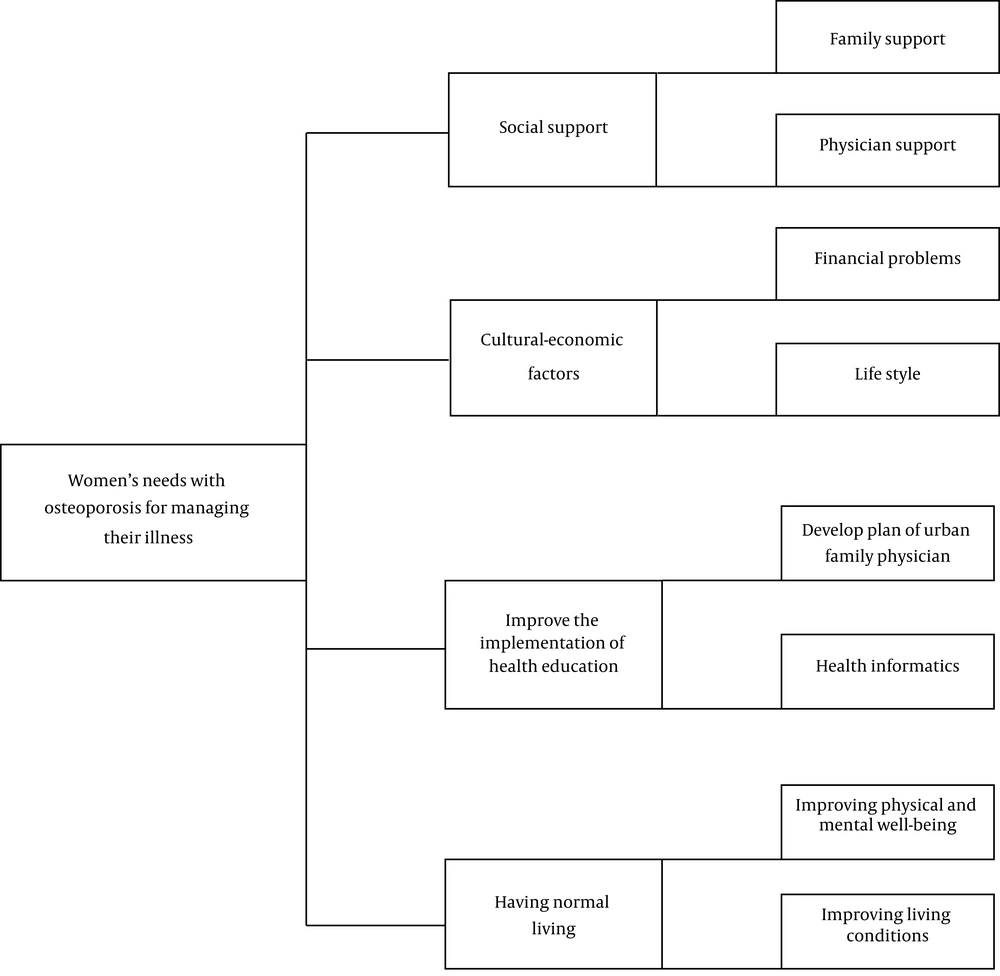
Figure 1.
The needs of women with osteoporosis in managing their illness
4.1. Social Support
This theme involved two subthemes including “family support” and “physician support”.
4.1.1. Family Support
Family support was regarded by the participants as the most significant motivating factor for disease management. Participants generally indicated that encouragement from family members, especially their husbands, could motivate them to engage in self-management behaviors, such as taking medication. The participants spoke of stopping treatment because of the family’s pressure. For example, their families insisted that they should not take medications because of side effects.
Women reported that they needed their spouse’s help in housework and encouragement to attend follow-up appointments. One woman stated: “I am very happy, I am satisfied with the support from my family, they comforted me when I had bone pain and felt sick” (a 60-year-old woman).
Another woman mentioned: “I truly love him, my husband, he asks me to exercise and take my medications” (a 71-year-old woman).
Figure 2 shows one participant’ drawing that indicates she was happy and relax with a reduced curvature when her family was supporting her in treatment and self-care.

Figure 2.
The participant is happy when her family supported her
4.1.2. Physician Support
The participants expressed that the doctor-patient relationship is a crucial factor affecting disease self-management. Women explained the aspects of a good relationship such as adequate time devoted to patient’s examination, physician’s empathy with their condition, providing feedback to them during follow-up appointments, listening to their complaints, and respecting the patients’ privacy.
One participant said, “If people perceived that their physician really listened to them, they would feel that the physicians had their best interests in heart and patients would more likely to follow treatment advice” (a 75-year-old woman). One woman stated: “my doctor behaves me with the greatest kindness, I listen to her advice” (a 65-year-old woman). Figure 3 shows a drawing of a patient showing anger because the physician is not communicating.
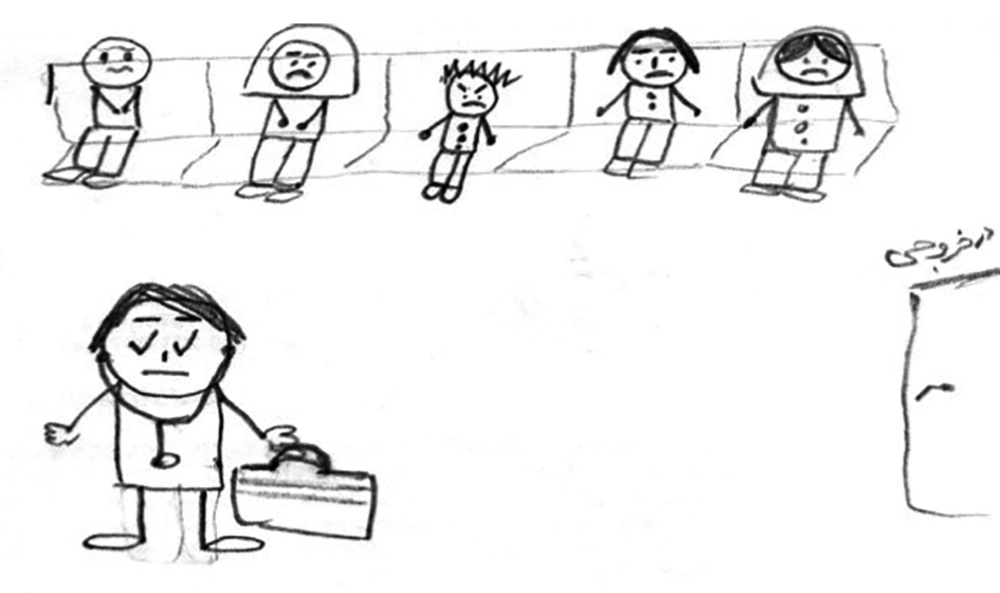
Figure 3.
Inappropriate communication between the doctor and patients
4.2. Cultural-Economic Factors
This theme consisted of the following subthemes: “lifestyle” and “financial problems”.
4.2.1. Lifestyle
One of the participant’s concerns was their lifestyle. They addressed lifestyle to prevent and better manage their illness. The participants asserted that having a healthy lifestyle is important because it helps a person to control weight, boost energy, improve his mood, combat his disease, and live long, which leads to a better physique and boosts self-esteem and confidence. “here (Iran) is different from other countries because, here, there is no open place in which people, especially women, could expose themselves to the sun; it is a major barrier to making vitamin D”, a 60-year-old woman said. Another participant stated, “the trend of apartment life is increasing and more people are living in apartments who do not receive enough sunlight” (a 65-year-old woman).
4.2.2. Financial Problems
Many participants reported that they had financial problems for buying medications, supplements, and vitamins. To decrease medication costs, they had an urgent need for health insurance coverage. A woman said: “I think one of the main reasons for not following the treatment regimen is financial problems” (a 56-year-old woman). Another one stated: “the cost of medications and clinical follow-up is very high. I cannot afford it” (a 54-year-old woman). Women preferred healthcare insurance to cover the costs of disease prevention activities. They called for other financial resources to help them. Figure 4 shows that a woman is sad because of financial problems while she suffers kyphosis.
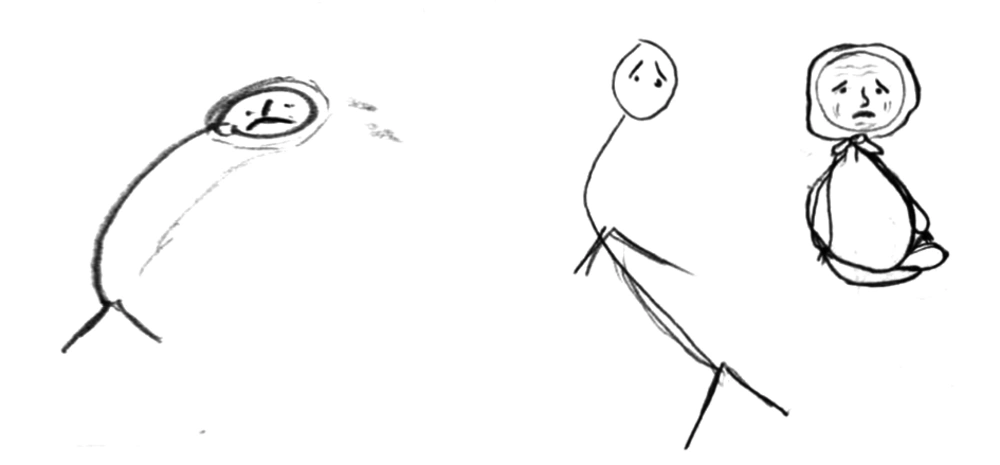
Figure 4.
The patient is sad because of financial problems
4.3. Improved Implementation of Health Education
The subthemes of this main theme were: “developing the plan of urban family physician” and “health informatics”.
4.3.1. Developing the Plan of Urban Family Physician
The participants mentioned the importance of family physicians in healthcare systems. They emphasized that family physicians can be helpful for early referral to specialists, early intervention, and fear of disease reduction. At present, in Iran, family physicians are working in rural areas but the participants regarded that family physicians should also be available in metropolitan cities. One woman said: “We need family physicians in cities as they know people’s health history and could contribute to early detection and care of patients with osteoporosis” (a 59-year-old woman). Another one stated “family physicians improve the quality, effectiveness, and equity, and reduce the costs in healthcare systems … we need educations delivered by them” (a 51-year-old woman).
The participants stated that patients that refer to emergency units can be treated by general practitioners (family physicians). Moreover, they said that the family physician program should be considered a major policy to meet the needs of women with osteoporosis (such as educational needs).
4.3.2. Health Informatics
Patients expressed the need for getting information about the disease from health care centers, schools, social security organization, and media such as the radio and television. Some patients reported that they trusted the media. If the media promoted health behaviors, people would generally listen and adhere to health behaviors. In Iran, women who are aged 50 or above usually spend most of their time at home listening to the radio and watching the television in their language (e.g. Kurdish). Women would accept and understand educational programs delivered by the radio and television. They would like to receive health education through media.
One woman said: “the media can provide educational programs to promote health. They would help prevent diseases” (a 69-year-old woman). “showing image and videos of bones could be useful to help patients understand the disease process” (a 65-year-old woman). She mentioned that the local and international media play a vital role as a link between the health team and the larger public.
A participant drew an educational television program (Figure 5). She said that the mass media, in the form of the radio and television, are effective to persuade target audiences to adopt new behaviors or remind them critical information.
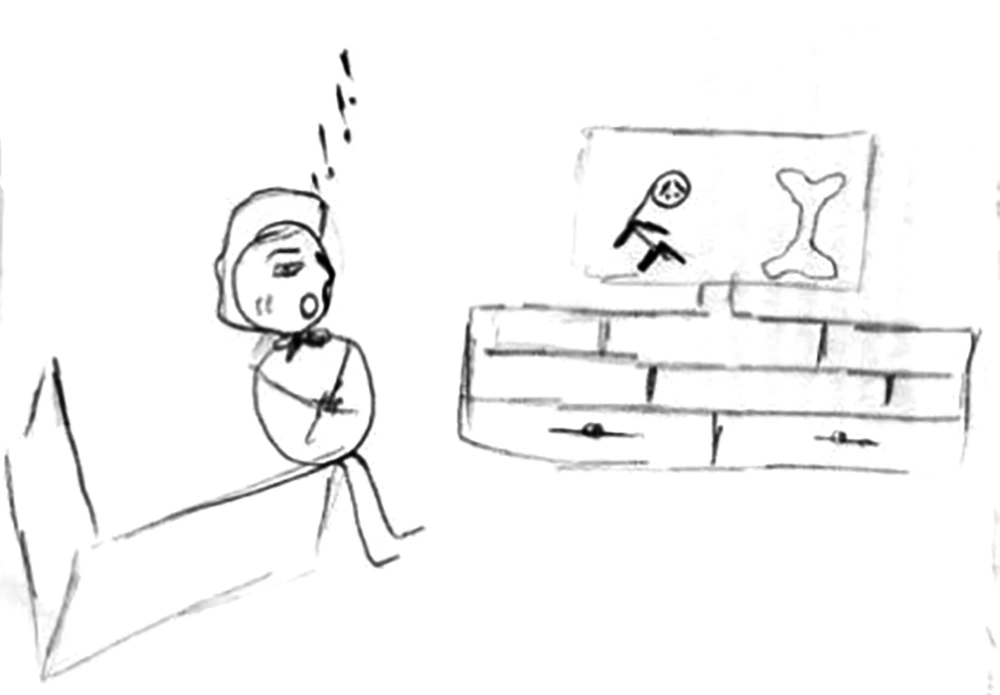
Figure 5.
The women’s need for educational programs to prevent the disease
4.4. Having a Normal Living
The two subthemes of this theme were “improving physical and mental well-being” and “improving living conditions”.
4.4.1. Improving Physical and Mental Well-Being
Patients would like to improve their mental well-being so that they would promote their physical health and have a normal life. They hoped to be able to enjoy their lives and be happy like before. They needed to increase their motivation, self-efficacy, and self-satisfaction. A woman described her thought “I suffered emotional problems and depression… I need to relax a bit more” (a 52-year-old woman). Another woman said, “My bones ache and I have no energy and cannot enjoy anything…” (a 55-year-old woman).
4.4.2. Improving Living Conditions
The participants mentioned subjective needs for disease self-management to help them feel normal again. To maintain health and get back to normal living, the participants needed to engage in social activities, productive activities, hobbies, and so on. A woman said: “I hope I could engage in social activity and physical activity like before my diagnosis” (a 52-year-old woman). A participant drew a figure of normal living, which showed the feeling of happiness and physical activities (Figure 6).
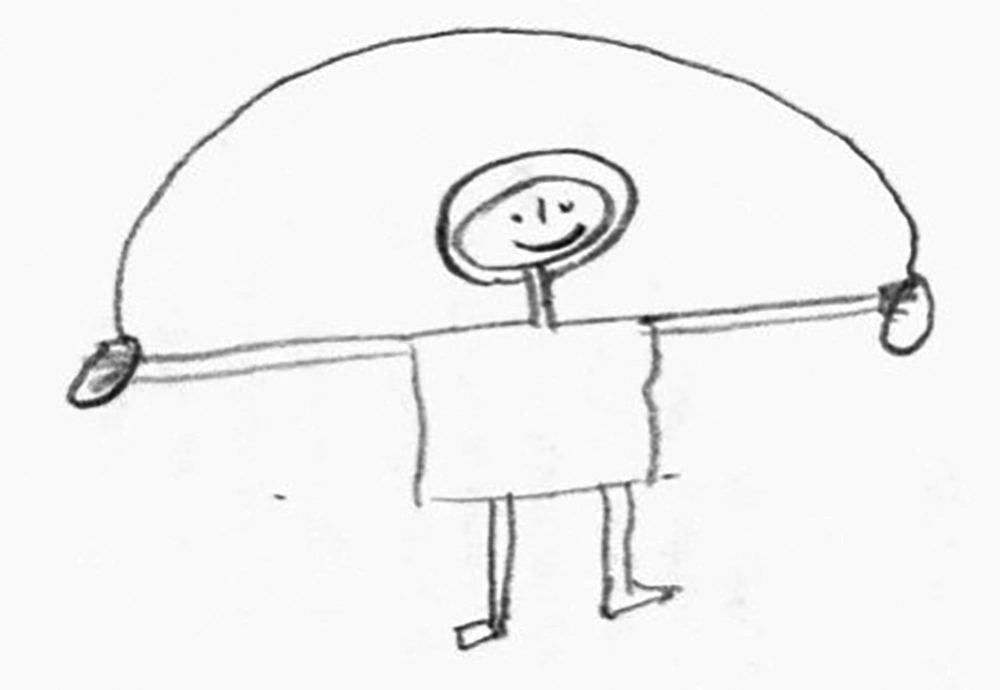
Figure 6.
Normal living
5. Discussion
This study used a qualitative approach to illuminate the needs of women with osteoporosis in managing their illness. The findings can be useful to plan appropriate interventions to promote disease self-management in women with osteoporosis.
The participants in this study needed social support to improve treatment adherence, physical activity, and healthy diet. Support from family, especially husbands, and doctors has a significant impact on disease self-management (11, 27). On the other hand, a poor functional social network negatively affects the general health, health-promoting behaviors, and care assessment. This is while good social support is significantly associated with the well-being of patients (28).
When individuals are exposed to stressful events such as diseases, they elicit strong emotional reactions and feelings of loneliness. Social support can decrease stress and maintain good physical and mental health. Social support involves emotional support, information support, instrumental support, and financial support, which may enhance knowledge, skills, and motivation to enhance health-promoting behaviors (29). Women might also feel psychologically being supported to engage in health-promoting behaviors. In this study, the woman’s family, the husband in particular, and her doctor were important persons to offer social support. It was evident that women are willing to apply the health advice they receive through their family, but often are not exposed to information to do so.
Healthcare professionals could offer social support to patients based on their needs. Listening and conveying empathy are essential skills for healthcare professionals to build trust with their patients. When trust is built, patients will tend to follow treatment advice and have better treatment outcomes.
Women’s family members need to be involved in making a treatment decision and supporting women’s self-management behaviors. Thus, educational programs for women with osteoporosis should involve family, especially husbands, to enable them to understand the disease process and the ways to support women.
This study found that women generally have trust in the information provided by the media such as the radio and television. Media could play an important role in health education and disease self-management. The media can affect the levels of public health, the learning of correct health information, the changing of health attitudes and values, and the foundation of appropriate health behaviors. In Iran, a few health education programs are provided through the media. There was none related to osteoporosis. Television programs about the disease process of osteoporosis, causes, treatment, diagnosis, and prevention could help women understand their disease and increase their self-confidence in engaging in health-promoting behaviors such as exercise and diet. Health professionals such as doctors, nurses, health educators, and dietitians could provide input to design such educational programs. Such programs may also enhance people’s awareness of osteoporosis including women’s families. It may help women’s family members to support them in their treatment process and disease self-management.
The women in the study pointed to the importance of cultural factors (such as the level of education and beliefs) in managing their illness. Yet straight, cultural factors are not barriers to disease self-management (1, 2). Cultural barriers need to be addressed. Outdoor places that are safe and socially acceptable, such as swimming pools and parks specifically designed for women to engage in outdoor activities, could help promote a healthy lifestyle in women.
Women in the study expressed their needs for enhanced primary healthcare. Family physicians are recommended for providing more personalized care for patients. Women need to receive health information earlier, for example before and during their pregnancies (30). It should be noted that the acquisition of health information through the health system is critical to prevent and control diseases, understand the situation, feel powerful to control the situation, and predict future events (31).
The cost of osteoporosis and the cost of poor treatment outcomes need to be taken into account. The government and policymakers in Iran need to consider how to reduce the burden of disease in people through insurance.
The results of the study showed that women with osteoporosis are in need of engagement and active participation of primary care physicians, regular review of patient’s care plan, planned care visits, improving the quality of care and patient outcomes, education, self-management education, the cooperation of the public media and relevant organizations, and emotional and informational support to improve their osteoporosis self-management. Meeting these needs can facilitate treatment before osteoporotic fractures occur, prevent osteoporosis-related morbidity, and enhance the quality of life of the patient.
The current study has limitations. The first limitation is that men were not included in this study. It is possible that men’s needs in the treatment and prevention of osteoporosis differ from women’s needs. The second limitation is that all of the participants in this study were from urban areas. Women who live in rural communities may have different needs. Therefore, further studies need to investigate the perspectives of men about the disease self-management and describe the experiences of different groups about osteoporosis in various areas.
The study would provide an in-depth understanding of women’s experiences in osteoporosis self-management, their perceived needs, and factors that could affect their health behaviors. The findings of this study could be used to design educational programs to enhance osteoporosis self-management and hopefully would reduce disabilities related to the disease and enhance women’s quality of life.