
1. Background
Despite achieving zero indigenous malaria cases in 2018 and 2019, Iran's progress toward the 2025 malaria elimination goal has been hindered by several challenges. One of the key obstacles is the role of imported cases, particularly from migrants coming from neighboring high-risk countries, such as Afghanistan and Pakistan. This policy brief is based on published data that highlight significant barriers migrants face in accessing malaria prevention, including a lack of awareness, inadequate healthcare resources, and living conditions that facilitate disease transmission. Addressing these gaps through comprehensive, targeted, and sustained policy interventions is crucial for maintaining Iran's malaria-free status and preventing the disease’s reemergence (1).
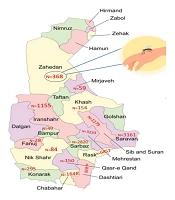
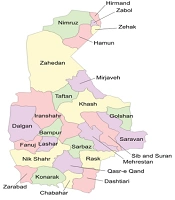
This policy brief builds upon the findings of Okati-Aliabad et al., translating their experimental evidence into actionable policy recommendations to support Iran’s malaria elimination strategy (1). It draws upon that cross-sectional study conducted in four southern and southeastern provinces of Iran (Sistan and Baluchestan, Kerman, Hormozgan, and Bushehr) from April to September 2019. A multi-stage random sampling approach was used across 38 cities. The evidence of this brief originated from the survey of 4,163 migrants who entered Iran within three months prior to data collection. Data were collected through interviewer-administered questionnaires developed and validated by malaria experts at Zahedan University of Medical Sciences and the Iranian Center for Communicable Disease Control. The original study adhered to STROBE principles of study design, data collection, and analysis ethics. Data were analyzed using descriptive statistics and chi-square tests to assess associations between nationality, employment status, and access to malaria protection tools.
2. Policy Context
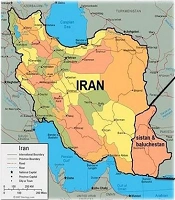
Iran has implemented a robust malaria elimination strategy focusing on rapid and effective access to treatment, integrated vector management, and strengthened disease surveillance systems. Although the country has made substantial progress in reducing local malaria transmission, imported cases, mainly from Pakistan and Afghanistan, continue to pose a significant public health risk. Surveillance data from 2015 to 2020 show no consistent decline in malaria incidence in these neighboring countries (2-4). Sistan and Baluchestan province, which shares a long border with both countries, remains the primary hotspot for imported malaria in Iran. Southern provinces such as Kerman, Hormozgan, and Bushehr have also reported increasing numbers of migrants, often arriving for work, religious visits, or family reunions (5, 6).
3. Identified Challenges
3.1. Limited Access to Malaria Protection Tools
Despite Iran’s policy of distributing free long-lasting insecticidal nets (LLINs) in endemic areas, most migrants in the study lacked access to LLINs, insect repellent sprays, or coils. Pakistani migrants had significantly less access than Afghan migrants. One possible explanation may be the ease of verbal communication, which helps Afghan migrants meet their daily needs more effectively (1, 7).
3.2. Insufficient Awareness and Knowledge
3.3. Role of Employers and Social Support
3.4. Inadequate Living Conditions
Approximately one third of migrants lived in substandard, poorly equipped accommodations, increasing their exposure to mosquitoes especially at night (1).
3.5. High-risk Travel Patterns
4. Policy Recommendations
To maintain progress toward malaria elimination, the following actions are recommended.
4.1. Expand Distribution of Protection Tools to Migrants
4.2. Improve Health Education and Outreach
- Developing multilingual educational materials tailored to Afghan and Pakistani migrants (1).
- Providence of information not only on malaria transmission and prevention, but also on where to access free health services (7).
4.3. Leverage Employers and Worksites
- Formalizing partnerships with employers of migrant workers to distribute tools and health information (1).
- Train employers to refer suspected malaria cases and disseminate prevention guidelines (1).
4.4. Enhance Use of Community Health Volunteers
- Expanding Iran’s existing health volunteer network to reach undocumented and informal migrants (1).
4.5. Establish Temporary Health-Friendly Shelters
- Creating or upgrading temporary shelters for migrants with basic amenities (e.g., electricity, ventilation, bed nets) (1).
- Collaboration with humanitarian agencies to deploy mobile health units near border entry points and worksites (5).
4.6. Strengthen Migrant Surveillance and Service Integration
- Developing a migrant health registry to better track vulnerable populations and ensure equitable service delivery (1).
5. Conclusions
Iran’s goal of malaria elimination by 2025 has encountered challenges; addressing the threat of imported cases by focusing on vulnerable migrant populations and improving their access to protective measures is crucial. The current study identifies gaps in access, awareness, and living conditions that jeopardize malaria control. Strengthening intersectoral collaboration, empowering community networks, and ensuring universal access to malaria prevention tools are essential strategies for sustaining elimination gains.