1. Context
Despite significant advances in the prevention and treatment of childhood malignancies, cancer remains one of the leading causes of death among children worldwide (1). Chemotherapy is currently one of the most common and effective adjuvant treatments for malignant tumors in children. Chemotherapy, also known as chemical therapy, kills tumor cells through the action of chemotherapeutic drugs. Although it has a significant effect on tumor cells, it also causes a series of adverse reactions, such as gastrointestinal reactions, bone marrow suppression, alopecia, cardiotoxicity, and neurotoxicity (2). Among these, chemotherapy-induced nausea and vomiting (CINV) is one of the most common and intolerable adverse reactions in patients with tumors during chemotherapy (3).
Vomiting is an objective phenomenon that can be easily observed and recorded. It is a multistep reflex process controlled by the brain. Vomiting is triggered by impulses transmitted from the chemoreceptor trigger zone, vagal afferent fibers of the pharynx and gastrointestinal tract, and the cerebral cortex to the vomiting center located in the medulla oblongata. The vomiting center then transmits signals to different organs and tissues, thereby inducing vomiting. Nausea, in contrast, is a subjective experience that is difficult to assess precisely using objective measures. Some scholars have described nausea as an easily overlooked symptom (4), especially in children. Nausea and vomiting caused by chemotherapy remain serious problems. Research indicates that approximately 70% of children describe CINV as one of the most painful symptoms (5). If CINV is not effectively controlled, severe nausea and vomiting can cause complications such as dehydration, anorexia, weight loss, and electrolyte imbalance, thereby significantly reducing the quality of life of children (6). The CINV may also cause some children to develop fear of chemotherapy, reducing their treatment compliance and affecting therapeutic efficacy and prognosis (7). Therefore, providing appropriate care for children with tumors before treatment begins has important clinical significance for the prevention and control of CINV.
Scholars in China and other countries have conducted in-depth discussions on the influencing factors of CINV in adults. Previous history of nausea and vomiting, anxiety, female sex, history of morning sickness, low alcohol intake, age younger than 60 years, and history of motion sickness are considered risk factors for CINV (8, 9). After identifying these risk factors, targeted antiemetic prophylaxis can be administered to achieve effective CINV control. However, children and adults differ significantly in physical, psychological, and social support characteristics. Therefore, the CINV management experience of adults cannot be directly applied to pediatric patients.
In pediatric oncology care, the management of CINV remains an important challenge that nurses urgently need to address (10). To control CINV more effectively in children, health care workers need to clearly identify its risk factors and causes and then take targeted measures according to these risk factors. Therefore, this review aimed to analyze the current situation of nausea and vomiting in children with malignant tumors after chemotherapy and its related influencing factors, providing a basis for clinical nurses to identify CINV early and formulate precise preventive measures to reduce its incidence in children.
2. Methods
We conducted a scoping review in accordance with the 5-stage framework proposed by Arksey and O’Malley (2005). The implementation of this method was consistent with the Preferred Reporting Items for Systematic Reviews and Meta-Analyses Extension for Scoping Reviews (PRISMA-ScR) checklist (11). This review did not meet the registration criteria of PROSPERO.
2.1. Clarification of the Research Question
The purpose of this review was to identify existing studies on the influencing factors of chemotherapy-related nausea and vomiting in children with malignant tumors and to identify research gaps in these studies. To achieve these goals, we proposed the following research questions: (1) What are the classifications and prevalence rates of chemotherapy-related nausea and vomiting in children with malignant tumors? (2) What factors affect chemotherapy-related nausea and vomiting in children with malignant tumors?
2.2. Literature Search
Comprehensive literature retrieval was conducted using domestic and international databases, including Sinomed, Cochrane Library, PubMed, Web of Science, Scopus, China National Knowledge Infrastructure (CNKI), and Wanfang Data. This search strategy combined medical subject headings (MeSH), free-text terms, and Boolean operators. The search terms included “chemotherapy/chemical therapy”, “nausea”, “vomiting”, “tumor/cancer”, and “children/adolescents”. The search scope was limited to articles published before April 11, 2025. The PubMed search strategy was as follows: (“Drug Therapy”[Mesh]) OR (Chemotherapy[Ti/Ab] OR Chemotherapies[Ti/Ab] OR Pharmacotherapy[Ti/Ab] OR Pharmacotherapies[Ti/Ab] OR Therapy, Drug[Ti/Ab] OR Drug Therapies[Ti/Ab] OR Therapies, Drug[Ti/Ab]) AND (“Vomiting”[Mesh]) OR (Emesis[Ti/Ab]) AND (“Nausea”[Mesh]) OR (nauseas[Ti/Ab]) AND (“Neoplasms”[Mesh]) OR (Tumors[Ti/Ab] OR Neoplasia[Ti/Abt] OR Neoplasias[Ti/Ab] OR Neoplasm[Ti/Ab] OR Tumor[Ti/Ab] OR Cancer[Ti/Ab] OR Cancers[Ti/Ab] OR Malignant Neoplasm[Ti/Ab] OR Malignancy[Ti/Ab] OR Malignancies[Ti/Ab] OR Malignant[Ti/Ab] OR Neoplasms[Ti/Ab] OR Neoplasm, Malignant[Ti/Ab] OR Neoplasms, Malignant[Ti/Ab] OR Benign[Ti/Ab] OR Neoplasms[Ti/Ab] OR Neoplasms, Benign[Ti/Ab] OR Neoplasm, Benign[Ti/Ab] OR Benign Neoplasm[Ti/Ab]) AND (“Child”[Mesh]) OR (Children[Ti/Ab]).
2.3. Inclusion and Exclusion Criteria
2.3.1. Inclusion Criteria
The inclusion criteria were as follows:
- The study participants were children aged 1 - 8 years. [Please verify: The Abstract and Methods state 1 - 18 years.]
- The participants were children diagnosed with malignant tumors.
- The research types included cross-sectional studies, retrospective studies, prospective studies, cohort studies, or case-control studies.
- The research content focused on influencing factors of tumor chemotherapy-related nausea and vomiting.
- The results provided single-factor analysis or logistic multifactor regression analysis data on influencing factors related to this study.
2.3.2. Exclusion Criteria
The exclusion criteria were as follows:
- Inaccessible literature.
- Repeatedly published literature.
- Non-English or non-Chinese literature.
2.4. Literature Screening and Data Extraction
The retrieved literature was imported into EndNote X9 software for deduplication and deletion. Two researchers conducted preliminary screening and selection by reading titles and abstracts according to the inclusion and exclusion criteria. After excluding literature that did not meet the requirements, the full texts were reviewed for secondary screening, and the literature that met the criteria was finally included. Two researchers independently extracted data from the studies, including the first author, publication year, country, study type, sample size, prevalence rate, and influencing factors. Another researcher conducted data review and validation. If differences of opinion occurred during this period, a third researcher was consulted to resolve them.
2.5. Literature Quality Evaluation
The quality of the included cross-sectional studies was evaluated using the Agency for Healthcare Research and Quality (AHRQ) tool (12). Retrospective and prospective studies were evaluated using the Newcastle-Ottawa Scale NOS (13). To ensure transparency and reproducibility, this scoping review followed the PRISMA-ScR checklist. The review did not aim to assess the effectiveness of interventions but rather to map the existing evidence on factors influencing CINV in pediatric patients. A narrative synthesis approach was adopted due to the heterogeneity of study designs, measurement tools, and reported outcomes across the included studies.
3. Results
3.1. Literature Retrieval Results
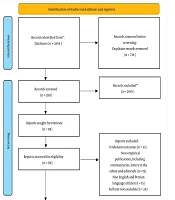
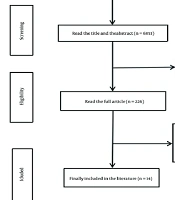
A total of 7783 articles were initially screened using 7 domestic and international databases. After removing 930 duplicate articles, 6627 irrelevant or incomplete articles were excluded based on title and abstract screening. After full-text rescreening of 226 articles, 14 articles were finally included. Details are shown in Figure 1.
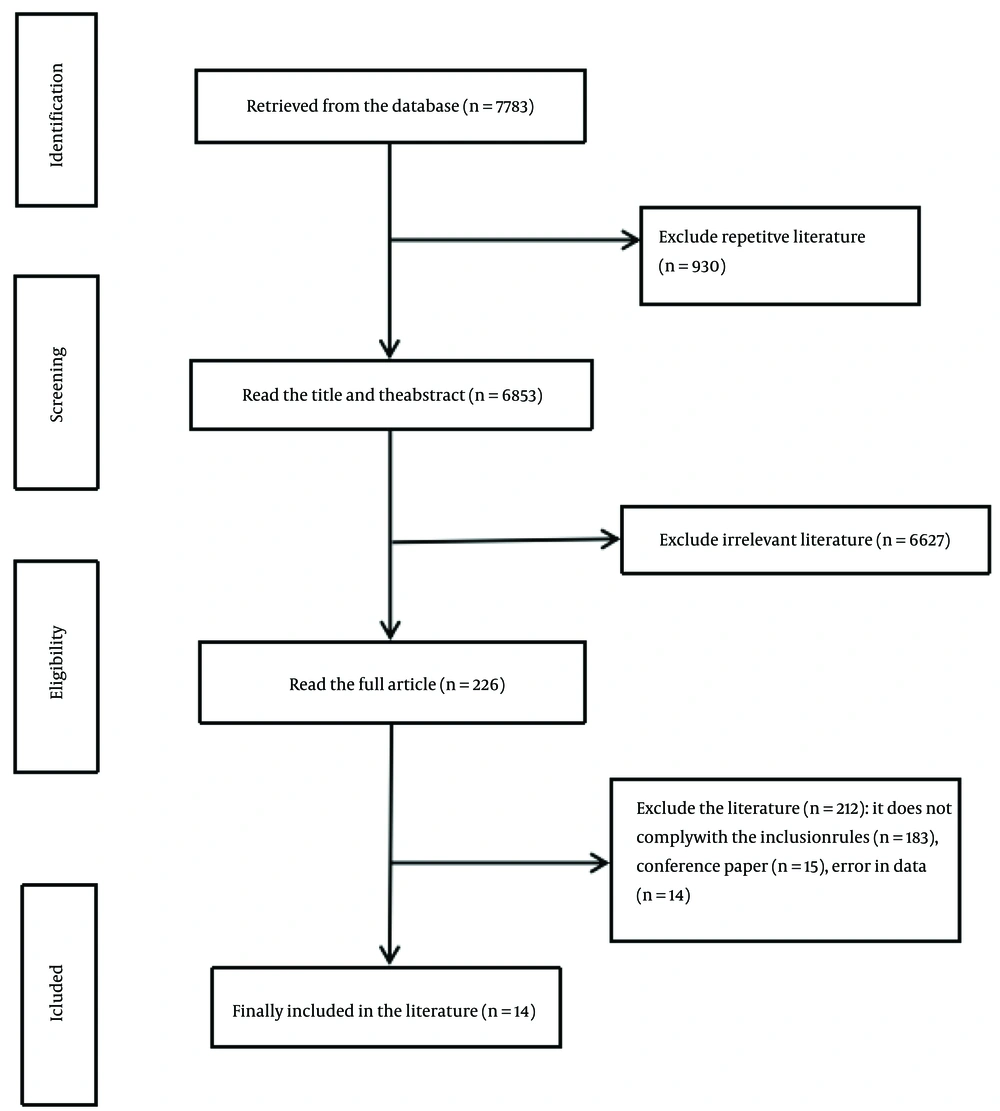
Figure 1.
Flowchart of the literature retrieval process
3.2. Basic Characteristics of the Included Literature
Fourteen articles were included, with publication years ranging from 2015 to 2025. There were 10 high-quality articles and 4 medium-quality articles. The total sample size was 3099 children with malignant tumors. Of the 14 included studies, 7 (50.0%) were prospective, 3 (21.4%) were cross-sectional, and 4 (28.6%) were retrospective. Most studies were conducted in China (n = 6, 42%). The remaining studies were conducted in Canada (n = 3, 21%), and 1 study each was conducted in Denmark, Thailand, Japan, Turkey, and Ethiopia. Details are shown in Table 1.
Table 1.
Basic Information of the Included Literature
| No. | First Author | Country | Year | Research Type | Sample Size | Prevalence Rate | Influencing Factors |
|---|---|---|---|---|---|---|---|
| 1 | Yu et al. (14) | China | 2023 | Retrospective study | 283 | 55.3% | BMI, age, highly emetogenic chemotherapy drugs |
| 2 | Kishimoto et al. (15) | Japan | 2017 | Retrospective cohort study | 24 | 92% | Age, highly emetogenic chemotherapy drugs |
| 3 | Ay et al. (16) | Turkey | 2023 | Cross-sectional study | 62 | — | Diagnosis, history of nausea and vomiting, region, highly emetogenic drugs |
| 4 | Shao et al. (17) | China | 2025 | Prospective cohort study | 181 | 72.1% | Age, female sex, duration of chemotherapy block, antiemetic regimen |
| 5 | Dupuis et al. (18) | Canada | 2020 | Prospective study | 735 | Acute phase, 54%; delayed phase, 43% | Age, duration of acute phase |
| 6 | Sanguanboonyaphong et al. (19) | Thailand | 2022 | Cross-sectional study | 90 | 29.2% | Highly emetogenic chemotherapy drugs |
| 7 | Vol et al. (20) | Canada | 2015 | Prospective study | 30 | Acute CIV, 30%; delayed CIV, 47%; acute CIN, 87%; delayed CIN, 87% | Highly emetogenic chemotherapy drugs |
| 8 | Hadero et al. (21) | Ethiopia | 2024 | Prospective observational study | 201 | 48.8% | History of motion sickness, highly emetogenic chemotherapy drugs, and previous history of malignant vomiting |
| 9 | Zhao et al. (22) | China | 2024 | Retrospective cohort study | 231 | 35% | Age, anxiety, days of chemotherapy, pH value, and blood glucose level |
| 10 | Eliasen et al. (23) | Denmark | 2022 | Prospective observational study | 101 | 30% | Age, motion sickness, anxiety, highly emetogenic chemotherapy, uncontrolled acute CINV, tumor type |
| 11 | Ruan et al. (24) | China | 2023 | Cross-sectional study | 356 | Vomiting, 39.0%; nausea, 54.5% | Types and dosages of chemotherapy drugs, anxiety |
| 12 | Dupuis et al. (25) | Canada | 2018 | Prospective cohort study | 310 | Acute phase, 92%; delayed phase, 58% | Race, tumor type, highly emetogenic chemotherapy drugs |
| 13 | Li et al. (26) | China | 2024 | Cross-sectional study | 220 | Nausea, 69.54%; vomiting, 42.27% | Combined respiratory or digestive system diseases, negative emotions, history of vomiting, and highly emetogenic chemotherapy drugs |
| 14 | Yu et al. (27) | China | 2023 | Prospective cohort study | 378 | Nausea, 60.6%; vomiting, 38.1% | Body surface area, history of nausea and vomiting, combined respiratory or digestive system diseases, highly emetogenic chemotherapy drugs, smoking environment, tumor type |
3.3. Classification and Prevalence of Chemotherapy-Related Nausea and Vomiting in Children with Malignant Tumors
In this review, based on the different mechanisms of CINV, we classified CINV into 5 types: Acute CINV, delayed CINV, anticipatory CINV, breakthrough CINV, and refractory CINV. Acute chemotherapy-related nausea and vomiting are mainly mediated by 5-HT3 and refer to vomiting that occurs within 24 hours from the start of chemotherapy. Among the included domestic and international studies, we found that the incidence rates of acute chemotherapy-related nausea and vomiting were 87% - 92% (20, 25) and 30% - 72.1% (17, 18, 20, 23), respectively. Delayed vomiting refers to vomiting that occurs more than 24 hours after the start of chemotherapy and within 5 days after chemotherapy completion (28), and it is usually most severe 3 to 4 days after chemotherapy (29). The incidence rates of nausea and vomiting in the included literature were 60.6% - 87% (20, 25, 26) and 35% - 55.3% (14, 18, 20, 22, 26, 27), respectively. Anticipatory CINV refers to CINV that occurs after chemotherapy despite the prophylactic use of antiemetic drugs in advance, with an incidence rate ranging from 10% to 45%. Breakthrough CINV refers to nausea and vomiting that occur within 5 days after chemotherapy administration in patients receiving prophylactic antiemetic drugs according to guidelines. Refractory CINV refers to nausea and vomiting that persist in subsequent chemotherapy cycles after the failure of guideline-based prophylactic antiemetic drugs in previous chemotherapy cycles (30).
3.4. Factors Influencing Chemotherapy-Related Nausea and Vomiting in Children with Malignant Tumors
Through the systematic retrieval process, we carefully sorted and synthesized the relevant influencing factors reported in the included studies. These factors were mainly divided into 4 categories, with a total of 18 different influencing factors.
3.4.1. Individual Differences
Children older than 2 years were identified as having risk factors for CINV in 6 articles (14, 15, 17, 18, 22, 23). Two studies indicated that Body Mass Index (BMI) is an independent risk factor for the occurrence of CINV (14, 17). Body Mass Index is calculated as weight in kilograms divided by height in meters squared. For every 1-standard-deviation increase in BMI, the risk of vomiting after chemotherapy was 0.629 times that before chemotherapy (14). The results of 1 study indicated that sex is also a risk factor for CINV, especially among females, which may be related to the greater physiologic sensitivity of females to chemotherapy drugs (15).
3.4.2. Therapeutic Factors
Eleven articles identified highly emetogenic chemotherapy drugs as risk factors for CINV, especially platinum-based chemotherapy drugs (14-16, 19, 21, 23-27). Three reports related to the use of antiemetic regimens suggested that an antiemetic regimen combining 5-HT3 receptor antagonists with dexamethasone has a better effect in controlling chemotherapy-induced vomiting (CIV) than 5-HT3 receptor antagonists alone (17, 21). Six studies reported that longer chemotherapy administration duration and extended chemotherapy block time were associated with an increased risk of CINV (17, 18, 21-23, 25). Four studies indicated that the type of tumor diagnosis is also related to the occurrence of CINV (16, 23, 25, 27). Children with noncentral nervous system (CNS) tumors are more prone to CINV than those with CNS tumors.
3.4.3. Psychological Factors
3.4.4. Other Factors
Two reports suggested that concurrent respiratory or digestive system diseases are also risk factors (26, 27). One article indicated that children in rural areas are more likely to develop CINV than those in urban areas (16). History of motion sickness (21, 23), pH value, blood glucose level (22), non-White race (25), smoking environment, and large body surface area (27) were also identified as factors associated with CINV.
4. Discussion
The prevalence of CINV varied widely across studies, ranging from 30% to 92%. This heterogeneity may be attributed to several factors, including variations in chemotherapy emetogenicity, patient characteristics, antiemetic regimens, and sample sizes. We identified the influencing factors of chemotherapy-related nausea and vomiting in children with malignant tumors.
After extracting and analyzing data from the included literature, the researchers found that the occurrence of CINV was mainly closely related to older age, use of highly emetogenic chemotherapy drugs, low BMI, negative emotions, previous history of nausea and vomiting, diagnosis type, chemotherapy days, and long chemotherapy block time. A retrospective cohort study indicated that age is an important factor affecting the occurrence of CINV (22). It showed that for every 1-month increase in age, the risk of delayed CINV increased by 1.013 times. Another study indicated that children aged 2 years or younger have a low risk of developing CIV (15). At present, the mechanism underlying the high control rate of CINV in young children has not been clarified. However, Holdsworth et al. (31) pointed out that the relatively low incidence of CINV might be related to higher levels of endogenous cortisol. Fredrikson et al. (32) also found that cortisol might reduce 5-HT production by regulating tryptophan metabolism, thereby reducing the nausea response. Some scholars have studied developmental changes in baseline cortisol activity in children (33). The results showed that cortisol levels in children aged 1 to 2 years were significantly higher than those in children aged 2.5 and 3 years. A cross-sectional study also found that serotonin plays a role in regulating mood and gastrointestinal function (34). Serotonin levels increase by 1.2 ng/mL annually with age, which is associated with chemotherapy-related nausea and vomiting. These findings indicate that the possibility of CINV increases with age. Therefore, when developing care plans for older children, health care providers should collaborate closely with parents to ensure age-appropriate antiemetic therapy and psychological support.
The study by Yu et al. (14) showed that the incidence of vomiting in children with high BMI was significantly lower than that in children with low BMI. Body Mass Index is a commonly used indicator for assessing the degree of obesity or emaciation. At present, the relationship between BMI and CINV in children remains unclear. Adult studies have shown that people with high BMI have a low risk of CINV because adipose tissue in individuals with high BMI can act as a drug reservoir and form a more stable blood-brain barrier, thereby reducing the entry of drugs into the brain and their concentration in the blood and further reducing the occurrence of nausea and vomiting (35). Conversely, individuals with a BMI less than 18.5 have a higher risk of developing CINV. Therefore, nursing staff should conduct a detailed assessment of the BMI level of pediatric patients upon admission. For children with low BMI, nursing staff should work with nutritionists to formulate a weight-gain plan to ensure that patients receive adequate nutritional support during chemotherapy. Doctors should also be advised to adopt an intensified antiemetic regimen or adjust the dosage of antiemetic drugs according to the weight of the child. Meanwhile, the association between BMI and CINV should be explained to pediatric patients and their families, and the importance of nutritional status for chemotherapy tolerance should be emphasized.
Multiple studies have confirmed that the occurrence of CINV is closely related to the emetic risk level of chemotherapy drugs (14-16, 19, 21, 23-27). The higher the emetic risk, the greater the chance of CINV in children. The emetic risk of chemotherapy drugs can be classified into high, moderate, low, and minimal emetic risk. In the absence of preventive measures, the frequencies of vomiting are greater than 90%, 30% - 90%, 10% - < 30%, and < 10%, respectively (36). Some scholars have found that highly emetogenic chemotherapy drugs may directly stimulate the vomiting reflex by activating receptors in the vomiting center, such as 5-HT3 and NK-1 receptors (27). Therefore, nursing staff need to consider the chemotherapy plan of each child and assist doctors in formulating a specific stratified antiemetic plan according to guidelines (37). Nursing staff should closely monitor the effects of antiemetic regimens. Beyond pharmacological prophylaxis, nonpharmacological interventions are gaining attention as complementary strategies. For instance, a recent randomized controlled trial demonstrated the efficacy of acupressure at specific points, such as P6, in managing CINV (38).
Shao et al. (17) believed that the duration of chemotherapy block is also related to CINV. The longer the chemotherapy block lasts, the more likely it is to cause continuous activation of 5-HT3 and NK-1 receptors, thereby inducing CINV. This is because chemotherapy drugs have a direct stimulating effect on the gastrointestinal tract and central nervous system. The longer the chemotherapy block lasts, the lower the patient’s tolerance to chemotherapy drugs may be, and the greater the cumulative damage to these organs. A prospective cohort study indicated that the risk of delayed CINV in patients with non-CNS tumors, such as lymphoma, sarcoma, and gonadal tumors, is higher than that in patients with CNS tumors (25). This might be due to the higher concentration of drugs in the systemic circulation, which has a stronger stimulating effect on the gastrointestinal tract and is therefore more likely to induce nausea and vomiting. Nursing staff should comprehensively assess the tumor type and chemotherapy regimen of pediatric patients. Symptom monitoring, such as monitoring for nausea and vomiting, needs to be strengthened, especially for children with non-CNS tumors and those with longer chemotherapy cycles. Once any abnormal situation is detected, the doctor should be informed promptly so that the treatment plan can be adjusted and symptoms can be controlled in a timely and effective manner.
Furthermore, 2 studies found that children with a previous history of nausea and vomiting had an increased risk of acute CIV and delayed CIV (16, 21). A similar phenomenon has also been verified in adult studies (39). Among patients receiving moderately or highly emetogenic chemotherapy, the risk of vomiting in those with a history of nausea and vomiting was 12.7 times that of those without such a history. Therefore, when formulating nursing plans, nursing staff should carefully assess whether pediatric patients have a previous history of nausea and vomiting. For children with such a history, families should be guided to strictly follow doctors’ advice and administer antiemetic drugs on time. The importance of preventive medication should be emphasized to avoid the incorrect practice of “taking medicine after vomiting,” and children’s symptoms should be closely monitored during chemotherapy.
Studies have shown that approximately 2% to 10% of children experience significant anxiety or depressive symptoms after being diagnosed with a tumor (40). Gupta et al. (41) pointed out that anxiety and negative expectations are important psychological factors that induce CINV. Excessive anxiety may alter children’s perceptual sensitivity to nausea and vomiting, thereby increasing the risk of CINV (23). It is important to recognize that a child’s psychological state is often intertwined with that of their caregivers. A recent study highlighted the significant psychosocial challenges faced by parents of children with blood cancer (42). Parental anxiety and distress can influence the child’s emotional environment and potentially exacerbate CINV symptoms. The study by Ay et al. (16) also indicated that children aged 9 to 12 years with anxiety are at risk of developing acute CINV. It is recommended that clinical nursing staff use the Childhood State-Trait Anxiety Scale (STAI-CH-S) to assess anxiety susceptibility in children before chemotherapy, with a focus on children at high risk of anxiety. Clinical interventions should also consider a family-centered approach, providing psychological support not only to the child but also to the parents to mitigate the overall impact of CINV. Such interventions may include music therapy, relaxation training, and cognitive behavioral therapy for pediatric patients and their families. Studies have confirmed that music intervention can reduce the incidence of anticipatory CINV and the severity of delayed CINV (43). It is recommended that children listen to soothing music 30 minutes before chemotherapy and during chemotherapy, and children should be encouraged to choose their favorite music to enhance their sense of participation.
Some studies have also reported that the occurrence of CINV may be related to other factors. Shao et al. (17) and Hadero et al. (21) suggested that nonstandard antiemetic drug use may increase the risk of CINV. Studies have shown that adding dexamethasone to traditional antiemetic drugs plays a key role in controlling CINV (44). Hadero et al. (21) confirmed that children using dexamethasone had a lower incidence of vomiting than those not using dexamethasone (5.9% vs 39.8%); however, adverse effects such as insomnia and elevated blood glucose need to be monitored during nursing care. Meanwhile, another study indicated that if acute-phase CINV is not effectively controlled, the incidence of delayed CINV may increase (23). Delayed CINV may be related to the slow metabolism of some chemotherapy drugs, such as cisplatin, which may continuously irritate the gastrointestinal tract (31). Therefore, nursing staff should strengthen monitoring of vomiting in pediatric patients and ensure that they continue to take delayed antiemetic drugs after discharge.
The studies by Li et al. (26) and Yu et al. (27) revealed that the occurrence of CINV might be associated with respiratory or digestive system diseases in children. However, the specific mechanism by which respiratory or digestive system diseases cause delayed vomiting in children remains unclear. On the one hand, this may be related to the fact that respiratory diseases, such as bronchitis and pneumonia, are often accompanied by cough symptoms. During coughing, the pharynx is repeatedly stimulated, which may increase the sensitivity of the pharyngeal mucosa and induce the nausea and vomiting reflex. On the other hand, digestive system diseases may lead to abnormal gastrointestinal motility, prolonging the retention time of chemotherapy drugs in the gastrointestinal tract, thereby increasing the stimulation of the gastrointestinal tract and inducing CINV. In response to these potential factors, nursing staff should actively carry out health education and publicity work. Children should avoid crowded and closed places, living rooms should be ventilated regularly, food hygiene should be maintained, small and frequent meals should be adopted, and appropriate exercise should be encouraged to prevent respiratory or digestive system diseases.
Furthermore, studies have shown that children in rural areas have a higher risk of developing delayed CINV than those in urban areas (16). A study conducted at a tertiary pediatric hospital in San Juan, Puerto Rico, explained that parents in economically underdeveloped areas may not know how to manage their children’s symptoms because of insufficient medical and educational resources (45). Therefore, nursing staff should strengthen health education for parents. Relevant knowledge about CINV can be popularized among parents by distributing health education handbooks and using other methods, enabling them to detect and manage vomiting symptoms in a timely manner and reduce the impact of CINV on the quality of life of children.
The research also found that acute CINV is associated with race to a certain extent (25). Non-White children are more prone to acute CINV, which may be related to genetic factors that affect patients’ responses to antiemetic and anticancer drugs, leading to differences in CINV control. In the univariate analysis by Zhao et al. (22), delayed vomiting was significantly correlated with pH value and blood glucose level, but the specific mechanism remains unclear. Studies have shown that people with a history of motion sickness have a higher risk of developing acute and delayed CINV (23). In adults, motion sickness is also considered an influencing factor for the occurrence of CINV (46). Therefore, nursing staff should conduct regular CINV monitoring in children with a history of motion sickness. Meanwhile, when formulating treatment plans for these children, medical staff should fully consider the risk of CINV.
The results of a prospective cohort study showed that the risks of delayed nausea and vomiting in children with tumors living in a smoking environment were 0.484 times and 0.360 times higher, respectively, than those in children with tumors not living in a smoking environment (27). The study speculated that this might be because children with tumors who have been exposed to a smoking environment for a long time have reduced sensitivity to nausea and vomiting stimulation during chemotherapy. However, this result differed from findings in adults. Esra et al. (47) found that during chemotherapy, smokers experienced fewer symptoms of nausea and vomiting, while nonsmokers had a higher incidence. This difference may be closely related to age and individual differences. Therefore, future studies need to further explore the relationship between smoking and CINV. At present, although differences remain in related research results, in clinical practice, nursing staff should conduct a detailed assessment of whether children with tumors have been exposed to a smoking environment for a long time. For children exposed to a smoking environment, caregivers should explain to families the potential impact of smoking on chemotherapy efficacy and CINV. Meanwhile, nursing staff should actively encourage family members to quit smoking and strive to optimize the treatment environment for pediatric patients, thereby improving prognosis and creating more favorable conditions for recovery.
4.1. Conclusions
Given the high incidence and multifactorial nature of CINV in children with malignant tumors, the existing evidence remains insufficient to fully inform clinical practice. In the future, based on existing research results, further clinical intervention studies should be conducted to better understand these influencing factors and formulate personalized nursing intervention plans accordingly. This is of great significance for reducing the incidence of CINV in children with tumors and improving their quality of life.
4.2. Limitations
This review has certain limitations. First, although the included studies spanned multiple countries, the sample size distribution was uneven, with most studies conducted in China, which may introduce regional bias and limit the generalizability of the findings to other populations. Second, the methodological quality of the included studies was not systematically evaluated. [Please verify: This statement conflicts with the Methods section, which states that AHRQ and NOS were used for quality evaluation.] Finally, the exclusion of non-English and non-Chinese literature may have resulted in the omission of relevant studies from other regions.