
1. Background
Neutrophil gelatinase-associated lipocalin (NGAL) is secreted by some cells in the body such as injured kidney cells and neutrophils in response to bacterial infections. Serum NGAL has been shown to be elevated in patients with sepsis and septic shock. Neonates are at risk of sepsis. Early diagnosis and treatment of neonates with sepsis is critical. Serum and urinary NGAL have been shown to be an ideal biomarker of infection in children and adults (1). A recent study by Parravicini et al. has introduced urinary NGAL as an early marker for neonatal sepsis (2). This markedly increased urinary NGAL in neonates at neonatal intensive care units occurs in the absence of renal dysfunction (3). However, there are only a few studies about the association between serum and/or urinary NGAL and neonatal sepsis. If we want to use NGAL as a predictive marker for early diagnosis of neonatal sepsis, we need more studies in this regard.
2. Objectives
We aimed to assess the influence of sepsis on plasma NGAL in neonates. In this regard we also aimed to evaluate the predictive ability of serum NGAL in diagnosis of sepsis in neonates.
3. Patients and Methods
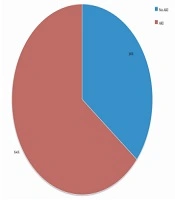
One-hundred-twenty neonates were included in this prospective study. Sixty-eight neonates didn’t have any manifestations of sepsis, and fifty-two neonates had clinical signs and symptoms of sepsis. Firstly, the diagnosis of sepsis was based on clinical signs and laboratory findings. All neonates had positive blood cultures. The clinical signs of sepsis were tachypnea, grunting, apnea, retraction, feeding problems, abdominal distension, seizure, irritability, lethargy, hypotension, cyanosis, fever and hypothermia. All included neonates had a minimum of three clinical signs. The laboratory manifestations of sepsis were elevated C reactive protein, leukopenia, neutropenia and thrombocytopenia. All cases had two or more laboratory findings. All neonates with negative blood cultures and renal dysfunction were excluded from this study. Serum NGAL was measured in both septic and non-septic neonates by NGAL rapid enzyme-linked immunosorbent assay (ELISA) kit (kit 037).
3.1. Statistical Analysis
Statistical analysis was performed using the SPSS software version 16. Values were expressed as mean and standard deviations. Student t-test and Mann–Whitney U-test were used for quantitative data comparison. The discriminatory power and cut-off points for sepsis in neonates through the serum NGAL were evaluated by means of the Receiver Operator Characteristic (ROC) curve.
4. Results
NGAL was measured for 120 neonates. Sixty-eight cases were male. The mean gestational age was 36.7 ± 3.7 weeks (26-40 weeks). The mean weight was 2796 ± 806 grams (950-4030 gram). Fifty-two neonates had sepsis and sixty-eight neonates didn’t have sepsis. The characteristics of these neonates are shown in Table 1.
The mean serum NGAL was 102.9 ± 69.9 ng/mL in septic neonates and 29.2 ± 13.3 ng/mL in non-septic neonates and this difference was significant (P Value = 0.0001). There was a significant relationship between serum NGAL and hospitalization duration (P value = 0.0001). There was no significant association between gestational age, birth weight and serum NGAL concentration. The ROC analysis demonstrated that serum NGAL could be a potentially useful index to diagnose sepsis in neonates (P < 0.05, AUC = 0.80). An optimal cut off-point of 48 ng/mL for serum NGAL could potentially detect neonates with sepsis with a sensitivity and specificity of 92% and 91%, respectively.
Table 1.
The characteristics of the neonates a
| All Neonates | Septic Neonates | Non Septic Neonates | P Value | |
|---|---|---|---|---|
| Gender, Male | 68 (56.7) | 34 (65.3) | 34 (50) | 0.09 |
| Gestational age, week | 36.7 ± 3.7 | 34.2 ± 4.3 | 38.7 ± 1.3 | 0.0001 |
| Birth weight, kg | 2796 ± 806 | 2315 ± 954 | 3163 ± 388 | 0.0001 |
| Hospitalization duration, day | 18.6 ± 20.7 | 39.9 ± 13.5 | 2.4 ± 0.5 | 0.0001 |
| Death | 2 (1.7) | 2 (4.1) | - | 0.18 |
| Serum NGAL, ng/mL | 61.2 ± 57.5 | 102.9 ± 65.9 | 29.2 ± 13.3 | 0.0001 |
aData are presented as No. (%) or Mean ± SD.
5. Discussion
Neutrophil gelatinase-associated lipocalin is released from secondary granules of activated neutrophils. It is an iron scavenger that prevents bacterial growth. This protein is also produced by renal tubular cells, secondary to injury, for instance as a result of ischemia. Thus it is used as an early marker of acute kidney injury. During sepsis, it appears that NGAL is also released by activated leukocytes. Severe sepsis is a major cause of mortality and morbidity in neonates at neonatal intensive care units. As the manifestations of sepsis are nonspecific in neonates and there are delays in taking cultures, there is difficulty with diagnosis of sepsis in neonates especially during early phases. On the other hand early diagnosis and intervention may be helpful in saving lives. On this basis, researchers have tried to find markers with high positive and negative predictive values for identifying neonates at risk of sepsis. One of these markers is serum and/or urinary NGAL. Parravicini et al. measured urinary NGAL in late onset sepsis in very low birth weight (VLBW) infants. They found a sensitivity of 75%, specificity of 84%, positive predictive value of 67% and negative predictive value of 89% (2, 3). They concluded that urinary NGAL is a suitable marker for early diagnosis of sepsis in VLBW neonates. To our knowledge, this is the first study to assess serum NGAL for the diagnosis of sepsis in neonates. We found that serum NGAL was low in neonates without sepsis and high in neonates with sepsis. This suggests that serum NGAL can be a biomarker of sepsis in neonates. We also found a cut-off value of 48 ng/mL for distinguishing septic from non-septic neonates with a sensitivity of 92% and specificity of 91%.