
Nephro-Urol Mon

Image Credit:Nephro-Urol Mon

Comparative Efficacy and Safety of Interventions for Nocturnal Enuresis: An Umbrella Review of Systematic Reviews and Meta-Analyses

Author(s):
Nabil Aljuma'aiNabil Aljuma'ai1, Hebaah AlfaghihHebaah Alfaghih1, Edrees AlwaslyEdrees Alwasly1, Saif GhabishaSaif Ghabisha2, Ibrahim AlnadhariIbrahim Alnadhari3, Abdulghani Al-HagriAbdulghani Al-Hagri4, Mohamed BadheebMohamed Badheeb5, Faisal Mohammed AhmedFaisal Mohammed AhmedFaisal Mohammed Ahmed ORCID6,*
1Department of Pediatrics, School of Medicine, IBB University, IBB, Yemen
2Department of General Surgery, School of Medicine, IBB University, IBB, Yemen
3Department of Surgery, School of Medicine, Qatar University, Doha, Qatar
4Student Research Committee, Faculty of Medicine and Health Sciences, Sana'a University, Sana'a, Yemen
5Department of Internal Medicine, Yale New Haven Health, Bridgeport Hospital, Bridgeport, USA
6Department of Urology, Faculty of Medicine, IBB University, IBB, Yemen

Nephro-Urology Monthly:Vol. 18, issue 1; e167361
Published online:Mar 28, 2026
Article type:Systematic Review
Received:Oct 18, 2025
Accepted:Jan 02, 2026
How to Cite:Aljuma'ai N, Alfaghih H, Alwasly E, Ghabisha S, Alnadhari I, et al. Comparative Efficacy and Safety of Interventions for Nocturnal Enuresis: An Umbrella Review of Systematic Reviews and Meta-Analyses. Nephro-Urol Mon. 2026;18(1):e167361. doi: https://doi.org/10.5812/numonthly-167361

Abstract

Context:

Nocturnal enuresis (NE) is a prevalent pediatric condition associated with significant psychological and social burden. Despite the availability of various treatment modalities, direct comparisons of their efficacy and safety remain limited.

Objectives:

This umbrella review synthesizes evidence from published systematic reviews and meta-analyses to provide a comprehensive assessment of current interventions for NE.

Data Sources:

A systematic literature search was conducted in Scopus, PubMed, Embase, ISI Web of Science, and Google Scholar up to September 2024, following PRISMA guidelines and a registered PROSPERO protocol.

Study Selection:

Eligible studies were meta-analyses or systematic reviews reporting pooled effect estimates for NE treatments in children.

Data Extraction:

Data extraction included efficacy outcomes (odds ratios [OR], 95% confidence intervals [CI]), adverse event profiles, and study quality, assessed using AMSTAR-2 and GRADE frameworks.

Results:

Five meta-analyses encompassing 45 clinical trials and 4,134 participants met the inclusion criteria. Among placebo-controlled comparisons, electrical stimulation demonstrated the highest efficacy (OR = 22.01, 95% CI: 8.62 - 56.17, P < 0.001), with only mild skin irritation reported as an adverse event. In head-to-head active treatment comparisons, Tuina showed greater efficacy than herbal medicine (OR = 11.26, 95% CI: 5.38 - 23.57, P < 0.001) and other traditional Chinese medicine modalities (OR = 6.11, 95% CI: 3.87 - 9.65, P < 0.001), with no reported adverse events. Notably, the certainty of evidence for conventional interventions (electrical stimulation, desmopressin, alarm therapy) was moderate to high, while evidence for traditional Chinese medicine modalities was low to moderate due to risk of bias in underlying studies. Combination therapies (Tuina plus acupuncture or herbal medicine) outperformed monotherapies and were well tolerated. Laser acupuncture was superior to sham laser (OR = 6.80, 95% CI: 2.15 - 21.53, P = 0.001), but not to desmopressin. Alarm therapy showed comparable efficacy to desmopressin but was associated with a moderate risk of sleep disturbance and skin irritation. Across all interventions, safety profiles were generally favorable, with most classified as low risk for adverse events.

Conclusions:

Electrical stimulation demonstrated the highest efficacy with moderate-to-high certainty evidence. Tuina and related traditional Chinese medicine modalities showed efficacy in head-to-head comparisons but with lower overall certainty of evidence. Most interventions exhibited favorable safety profiles. However, the heterogeneity of comparators and limited direct head-to-head evidence highlight the need for further high-quality randomized trials and network meta-analyses. These findings can inform individualized, evidence-based management of NE in pediatric populations.

1. Context

The intermittent involuntary urination during sleep in children older than 5 years who have achieved diurnal bladder control is defined as nocturnal enuresis (NE). This definition excludes children with congenital or acquired urinary or neurological conditions (1, 2). Reports indicate that up to 15% are affected by NE, with a significant burden on the children’s mental well-being, social interaction, educational performance, and sleep quality (3). The most widely used classification of NE, proposed by the International Children's Continence Society, categorizes NE based on symptomatology into monosymptomatic or polysymptomatic, with the latter indicating concomitant lower urinary tract symptoms such as urgency, frequency, or hesitancy. Additionally, NE is classified based on the duration of nocturnal dryness into primary, indicating a lack of nocturnal dryness over six months, or secondary, indicating recurrence of enuresis after achieving six months of dryness (4).
The pathogenesis of NE is complex and involves genetic and familial predispositions. A positive family history is commonly identified in most cases. Specific genetic loci, such as 8q, 12q, and 13q, have been implicated in the onset of NE (5). Nocturnal polyuria is also believed to play a crucial role, with several reports highlighting suboptimal responsiveness to or decreased production of antidiuretic hormones (6, 7). Another contributing factor includes functional bladder dysfunction, characterized by decreased overall capacity or impaired urodynamics, such as detrusor hyperactivity (8). While these abnormalities might be more prevalent in primary enuresis, medical conditions such as constipation, sleep apnea, diabetes insipidus, or other endocrinopathies and nephropathies may be seen in secondary NE (9).
The impact of NE is significant, leading to considerable impairment in the quality of life of children and their families. Additionally, affected children are vulnerable to emotional distress, social embarrassment, and low self-esteem (10). These complications might be reversed with effective NE treatment (10). However, the management of NE is personalized and requires tailoring to the patient’s underlying etiology, coexisting conditions, family support, and prior treatment attempts (11). Current treatment modalities include behavioral interventions such as bladder training and motivational therapy. Alarm therapy has become a first-line treatment for primary nocturnal enuresis due to its high efficacy and low risk of relapse (6, 7). Pharmacological therapies have been proposed, including desmopressin and imipramine (12). Nevertheless, there are limited comprehensive studies that compare the outcomes of different NE therapies.

2. Objectives

This umbrella review aims to systematically synthesize and critically appraise the current evidence from published systematic reviews and meta-analyses regarding the comparative efficacy and safety of all available interventions for nocturnal enuresis in children. By providing a comprehensive overview and highlighting both strengths and limitations of each modality, this review seeks to inform clinical practice and guide future research priorities in pediatric enuresis management.

3. Data Sources

3.1. Study Design and Registration

This umbrella review was conducted in accordance with the Preferred Reporting Items for Systematic Reviews and Meta-Analyses (PRISMA) guidelines. The review protocol was prospectively registered in the International Prospective Register of Systematic Reviews (PROSPERO; registration ID: CRD42024606270). As this study synthesizes data from previously published literature, ethical approval was not required.

3.2. Literature Search Strategy

A comprehensive literature search was performed using the databases Scopus, PubMed, Embase, ISI Web of Science, and Google Scholar (first ten pages of results), covering all publications up to September 2024. The search strategy combined Medical Subject Headings (MeSH) and free-text terms: “Nocturnal Enuresis,” “Bedwetting,” and “Nighttime Urinary Incontinence.” No language or publication date restrictions were applied. Reference lists of eligible meta-analyses were also screened manually to identify additional relevant studies.

3.3. Eligibility Criteria

We included meta-analyses and systematic reviews that quantitatively evaluated the efficacy and/or safety of interventions for nocturnal enuresis in pediatric populations. Eligible studies were required to report pooled effect estimates (e.g., odds ratios, risk ratios, or mean differences) for at least one clinical outcome related to nocturnal enuresis treatment. Reviews focusing exclusively on adult populations, narrative reviews, and studies lacking quantitative synthesis were excluded.

3.4. Study Selection

All titles and abstracts were independently screened by two reviewers. Full texts of potentially eligible articles were retrieved and assessed against the inclusion criteria. Discrepancies were resolved by consensus.

4. Data Extraction

Data extraction was performed independently and in duplicate using a standardized form. Extracted information included: First author, year of publication, journal, intervention and comparator, population characteristics, number and type of included studies, sample size, pooled effect estimates (with 95% confidence intervals), statistical model (fixed or random effects), heterogeneity measures (I² or χ²), and reported adverse events. Where multiple effect metrics were provided, odds ratios (OR) were preferentially extracted or calculated for consistency.

4.1. Quality Assessment

The methodological quality of each included meta-analysis was appraised using the AMSTAR-2 (A Measurement Tool to Assess Systematic Reviews, version 2) checklist. Each item was rated as “yes,” “no,” or “partially yes.” Overall quality was classified as high (no or one non-critical weakness), moderate (more than one non-critical weakness), low (one critical flaw with or without non-critical weaknesses), or very low (multiple critical flaws).
Certainty of evidence for each outcome was evaluated using the GRADE (Grading of Recommendations, Assessment, Development, and Evaluation) framework. This assessment considered study design, risk of bias, precision, consistency, directness, and publication bias, resulting in ratings of high, moderate, low, or very low certainty.

4.2. Data Synthesis and Statistical Analysis

Summary effect estimates were synthesized using odds ratios (OR) with corresponding 95% confidence intervals (CI) as the primary measure of effect size. Heterogeneity among included studies was quantified using the I² statistic. Where available, random-effects models were preferred to account for between-study variability. Results were stratified according to comparator type: placebo/sham-controlled comparisons (panel A) and head-to-head active treatment comparisons (panel B). Adverse event profiles and risk categorization for each intervention were also systematically extracted and summarized. All analyses and data presentations were performed in accordance with PRISMA and AIUA reporting standards.
Adverse Event Risk Categorization: Based on the frequency, severity, and reversibility of reported adverse events, interventions were categorized into three risk tiers:
- Low Risk: Adverse events were absent, rare (< 5%), or mild and self-limited (e.g., transient skin irritation, mild tingling), requiring no intervention or resolution within hours to days.
- Moderate Risk: Adverse events occurred in 5 - 20% of participants or were potentially bothersome but reversible (e.g., sleep disturbance, moderate local pain), potentially affecting treatment adherence or quality of life during the treatment period.
- High Risk: Adverse events occurred in > 20% of participants or were severe, persistent, or potentially irreversible (e.g., significant hyponatremia, serious allergic reactions), substantially limiting clinical utility.

5. Results

5.1. Study Selection

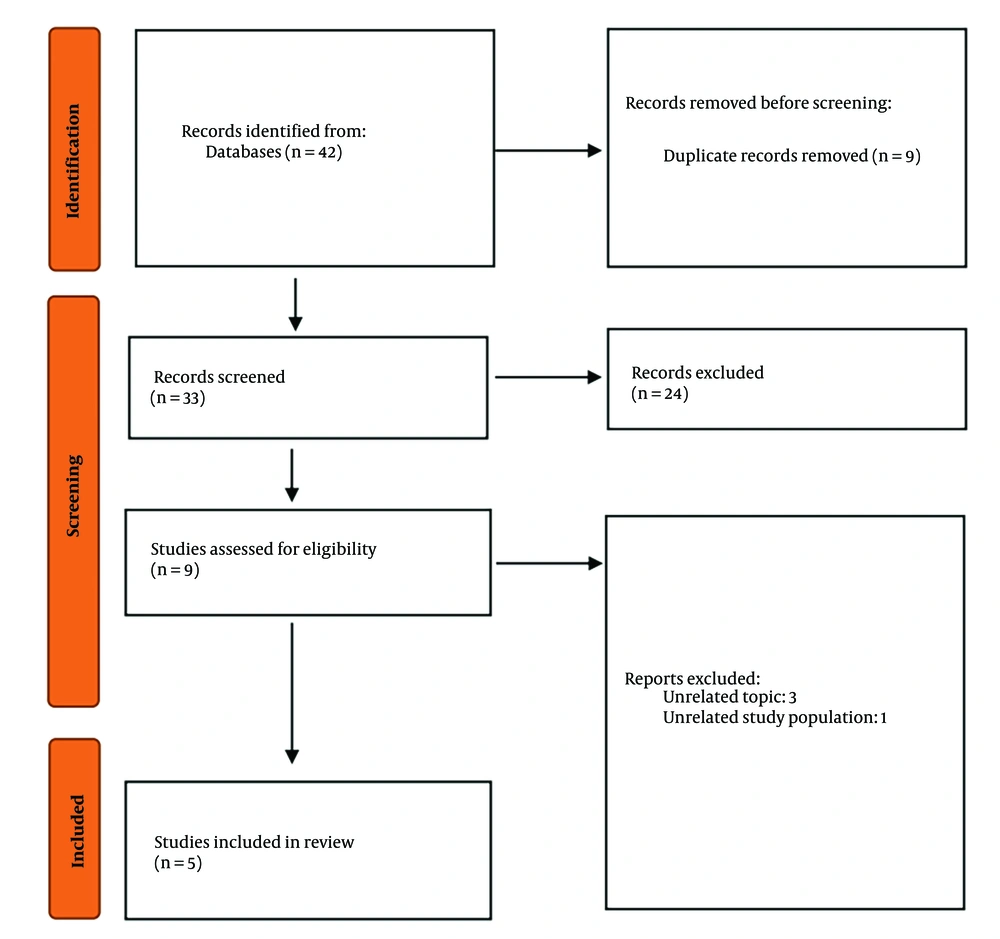
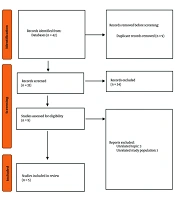
A total of 42 articles were identified through the initial database search. After removal of duplicates and screening of titles and abstracts, 9 articles were selected for full-text review. Ultimately, five meta-analyses meeting all inclusion criteria were included in this umbrella review (Figure 1).
PRISMA flow chart of study selection
Figure 1.

PRISMA flow chart of study selection

5.2. Characteristics and Quality of Included Studies

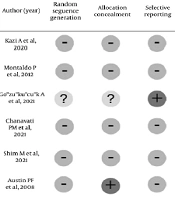
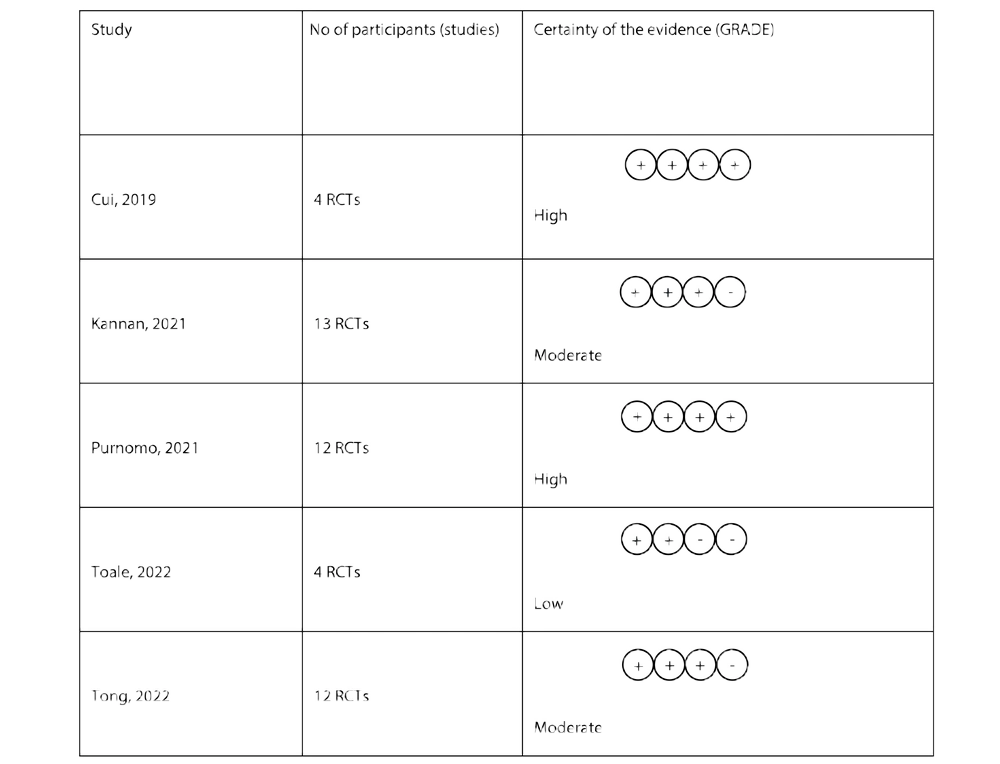
The main characteristics of the included meta-analyses are summarized in Table 1. Quality assessment using the AMSTAR-2 tool revealed that four studies were of moderate quality and one was of low quality (Figure 2). Certainty of evidence, as evaluated by GRADE, was high in two studies, moderate in two, and low in one (Figure 3).
Table 1.The Main Characteristics of Included Meta-Analyses in the Umbrella Review a
Author (y), Outcomes and Sub-groupsNumber of Included StudiesTotal N (Exp/Control)Effect SizebSummary, ES (95% CI)P-ValueSelected ModelI2 % (P- Value) c
Cui et al., 2019 (13)
Treating children with NE
The wet nights per weak486/85MD-0.70 (-0.89, -0.51)< 0.00001Random82
The number of patients with clinical response486/85OR26.88 (11.16, 64.74)< 0.00001Fixed45
Bladder capacity486/85MD18.49 (10.63, 26.35)< 0.00001Random81
Maximum voided volume356/55MD19.48 (-9.18, 48.14)0.18Random87
Kannan and Bello, 2021 (14)
Treating children with NE
Laser acupuncture vs. desmopressin for self-reported complete cure396/97RR1.152 (0.7, 1.895)0.578Random67.42
Laser acupuncture vs. sham laser for self-reported complete cure268/41RR2.095 (0.527, 8.329)0.294Random83.43
Laser acupuncture vs. sham laser for a number of wet nights271/39Std diff in means-0.691 (-1.094, -0.287)0.001Fixed35.32
Moxibustion vs. Chinese herbal medicine for Curate rate4112/112RR1.471 (1.130, 1.913)0.004Fixed46.13
Acupoint injection vs. Chinese herbal medicine for curate rate3130/122RR1.45 (1.062, 1.981)0.02Random54.43
Purnomo et al., 2021 (15)
Treating children with MNE
Alarm therapy vs. desmopressin9311/445RR1.10 (1.01,1.19)0.02Fixed32
Desmopressin withdrawal- dose parameter2121/118RR1.42 (1.15, 1.75)0.001Fixed0
Desmopressin withdrawal- time parameter294/94RR1.19 (0.89, 1.6)0.24Fixed0
Toale et al., 2022 (16)
Treating children with NE
The effect of PTENS in cases vs. controls4110/98RR0.697 (0.37, 1.32)NANANA
The overall effect of PTENS in the treatment of MNE377/67RR0.578 (0.24, 1.42)NANANA
IES/biofeedback vs. behavioral/sham therapy4110/98RR0.697 (0.37, 1.32)NANANA
Tong et al., 2022 (17)
Treating children with NE
Tuina d vs. non-tuina d TCM treatment12509/498RR1.29 (1.22,1.36)< 0.00001Fixed49
Tuina d acupuncture vs. acupuncture4137/128RR1.24 (1.12, 1.37)< 0.0001Fixed0
Tuina d vs. herbal medicine4206/205RR1.45 (1.31, 1.61)< 0.00001Fixed42
Tuina d herbal medicine vs. herbal medicine4166/165RR1.16 (1.06, 1.26)0.0007Fixed18

Abbreviations: ES, effect size; CI, confidence interval; NE, nocturnal enuresis; MD, mean difference; RR, relative risk; MNE, monosymptomatic nocturnal enuresis; PTENS, parasacral transcutaneous electrical nerve stimulation; IES, intravaginal electrical stimulation; NA, not assisted; TCM, traditional Chinese medicine.

a All statistical tests are two-sided.

b Relative risk when SE = 0, extrapolated from fitted Egger’s regression line.

c Metric of inconsistency (95% CI) and P-value of Q test. P-value of excess significance test.

d Tuina, also called Chinese medical massage, is a traditional hands-on manipulation treatment method guided by traditional Chinese medicine theory.
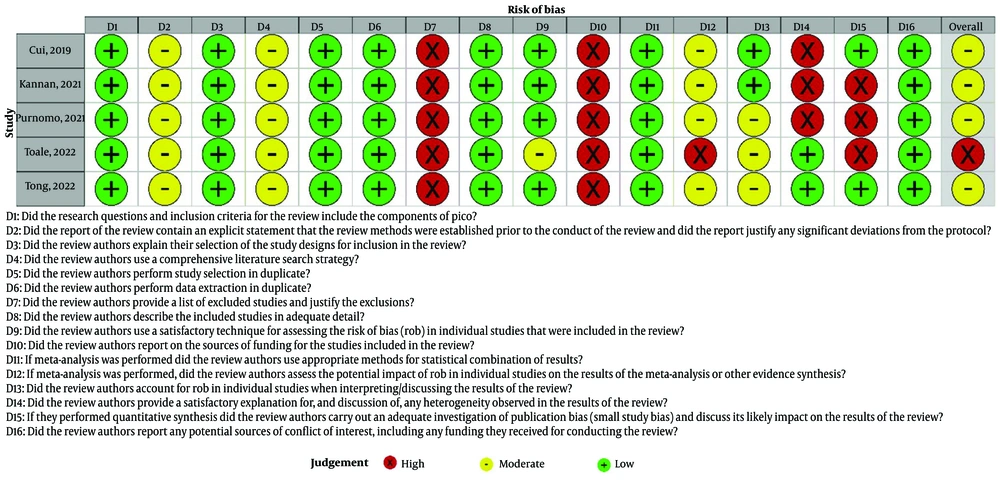
Result of quality assessment (<a href="#A167361REF13">13</a>-<a href="#A167361REF17">17</a>)
Figure 2.

Result of quality assessment (13-17)

Result of certainty assessment due to the GRADE scale (abbreviations: RCT, randomized controlled trials; GRADE, Grading of Recommendations, Assessment, Development and Evaluation) (<a href="#A167361REF13">13</a>-<a href="#A167361REF17">17</a>)
Figure 3.

Result of certainty assessment due to the GRADE scale (abbreviations: RCT, randomized controlled trials; GRADE, Grading of Recommendations, Assessment, Development and Evaluation) (13-17)

5.3. Efficacy Outcomes

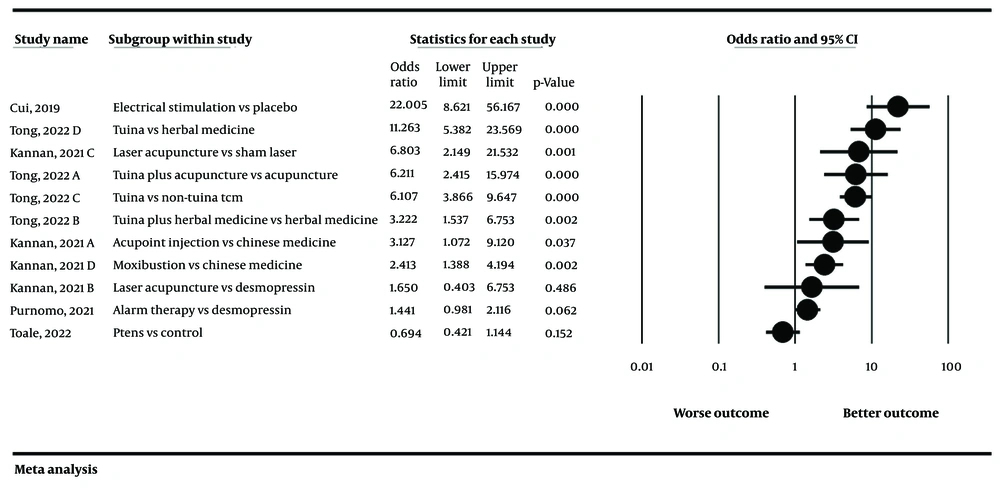
To address the heterogeneity of comparators and enhance interpretability, efficacy results are presented in Table 2 and Figure 4, stratified as follows: Panel A (placebo/sham-controlled comparisons) and Panel B (head-to-head active treatment comparisons).
Table 2.Comparative Efficacy and Safety of Interventions for Nocturnal Enuresis: Meta-Analysis Results
Panel/ Study (y) aComparison GroupSample SizeI² (%)Odds Ratio (95% CI) bP-ValueReported Adverse Events cAdverse Event Risk d
A e
Cui et al., 2019 (13)Electrical Stimulation vs. Placebo171NR22.01 (8.62 - 56.17)< 0.001Mild skin irritationLow
Kannan et al., 2021 (14CLaser Acupuncture vs. Sham Laser109356.80 (2.15 - 21.53)0.001None reportedLow
Toale et al., 2022 (16)PTENS vs. Inactive Control208NA0.69 (0.42 - 1.14)0.152Tingling sensationLow
B f
Tong et al., 2022 (17) DTuina vs. Herbal Medicine10074911.26 (5.38 - 23.57)< 0.001None reportedLow
Tong et al., 2022 (17) ATuina + Acupuncture vs. Acupuncture Monotherapy26506.21 (2.42 - 15.97)< 0.001None reportedLow
Tong et al., 2022 (17) CTuina vs. Non-Tuina TCM711426.11 (3.87 - 9.65)< 0.001None reportedLow
Tong et al., 2022 (17) BTuina + Herbal Medicine vs. Herbal Medicine Monotherapy331183.22 (1.54 - 6.75)0.002None reportedLow
Kannan et al., 2021 (14) AAcupoint Injection vs. Chinese Herbal Medicine252543.13 (1.07 - 9.12)0.037Mild local painLow
Kannan et al., 2021 (14) DMoxibustion vs. Chinese Herbal Medicine224462.41 (1.39 - 4.19)0.002Mild burn riskLow
Kannan et al., 2021 (14) BLaser Acupuncture vs. Desmopressin193671.65 (0.40 - 6.75)0.486None reportedLow
Purnomo et al., 2021 (15)Alarm Therapy vs. Desmopressin756321.44 (0.98 - 2.12)0.062Sleep disturbance, skin irritationModerate

Abbreviations: CI, confidence interval; NR, not reported; NA, not applicable; PTENS, parasacral transcutaneous electrical nerve stimulation; TCM, traditional Chinese medicine;.

a Capital superscript letters demonstrate the specific subgroup analyses or treatment comparisons within the same meta-analysis.

b Odds ratios > 1.0 favor the first intervention listed.

c Adverse event data are summarized from included studies and Figure 3.

d Adverse event risk categorization: Low = only mild or no adverse events reported; moderate = moderate or bothersome but not serious adverse events; high = serious adverse events (none reported here).

e Panel A: Placebo/sham-controlled comparisons (intervention vs. placebo, sham, or no active treatment).

f Panel B: Direct head-to-head comparisons between active interventions.
The overall summary of various treatment methods for nocturnal enuresis (<a href="#A167361REF13">13</a>-<a href="#A167361REF17">17</a>)
Figure 4.

The overall summary of various treatment methods for nocturnal enuresis (13-17)

5.3.1. Panel A: Placebo/Sham-Controlled Comparisons

- Electrical stimulation demonstrated the highest efficacy versus placebo, with a pooled odds ratio (OR) of 22.01 [95% CI: 8.62 - 56.17, P < 0.001 (13)]. Mild skin irritation was the only adverse event reported, with overall risk categorized as low.
- Laser acupuncture was significantly more effective than sham laser [OR = 6.80, 95% CI: 2.15 - 21.53, P = 0.001 (14)], and no significant adverse events were reported.
- PTENS did not show a significant benefit over inactive control [OR = 0.69, 95% CI: 0.42 - 1.14, P = 0.152 (16)], with only a mild tingling sensation reported.

5.3.2. Panel B: Head-to-Head Active Treatment Comparisons

- Tuina was significantly more effective than herbal medicine [OR = 11.26, 95% CI: 5.38 - 23.57, P < 0.001 (17)], and also outperformed other traditional Chinese medicine modalities [OR = 6.11, 95% CI: 3.87 - 9.65, P < 0.001 (17)]. No adverse events were reported for these interventions.
- Tuina combined with acupuncture was superior to acupuncture monotherapy[OR = 6.21, 95% CI: 2.42 - 15.97, P < 0.001 (17)], and Tuina plus herbal medicine was more effective than herbal medicine alone [OR = 3.22, 95% CI: 1.54–6.75, P = 0.002 (17)]. Both combinations were well tolerated with no reported adverse events.
- Acupoint injection showed greater efficacy than Chinese herbal medicine [OR = 3.13, 95% CI: 1.07 - 9.12, P = 0.037 (14)], with mild local pain as the only adverse event.
- Moxibustion was more effective than Chinese herbal medicine [OR = 2.41, 95% CI: 1.39 - 4.19, P = 0.002 (14)], and was generally well tolerated except for occasional mild burn risk.
- Laser acupuncture did not demonstrate a significant advantage over desmopressin [OR = 1.65, 95% CI: 0.40 - 6.75, P = 0.486 (14)], with no significant adverse events reported.
- Alarm therapy was not statistically superior to desmopressin [OR = 1.44, 95% CI: 0.98 - 2.12, P = 0.062 (15)]. Alarm therapy was associated with a moderate risk of sleep disturbance and skin irritation, whereas desmopressin is known to carry a risk of hyponatremia.

6.4. Safety Profiles

Across all interventions, safety profiles were generally favorable. Ten of eleven treatments (91%) were classified as low risk for adverse events, with only mild and transient effects reported (e.g., skin irritation, mild local pain, tingling sensation). Traditional Chinese medicine approaches (Tuina, acupuncture, and herbal combinations) showed no reported adverse events across multiple studies. Alarm therapy was the only intervention classified as moderate risk due to sleep disturbance and skin irritation. No high-risk safety concerns were documented for any evaluated therapy, supporting the overall tolerability of current nocturnal enuresis interventions (Table 2). A comprehensive summary of efficacy and safety outcomes for all interventions is provided in Table 2 and visually synthesized in Figure 4.

6. Discussion

6.1. Initial Management Principles and Standard Approaches

The management of NE remains complex, with various behavioral, pharmacological, and urotherapies proposed; however, the outcomes are often limited by study heterogeneity and issues with reproducibility (18). Clinicians must begin with a systematic evaluation approach.
The initial evaluation of NE requires identifying any concomitant lower urinary tract symptoms that might suggest an organic or somatic etiology, such as constipation or urinary tract infection (4). Additionally, affected children should receive motivational therapy involving rewards that progress with time and upon achieving longer periods of dryness (19). For monosymptomatic nocturnal enuresis specifically, pharmacologic agents—primarily desmopressin and imipramine—have demonstrated efficacy. However, these medications are associated with relatively high relapse rates (40 - 50%) upon discontinuation (7, 20). Conversely, non-pharmacological approaches, such as using enuresis alarms, have shown significant efficacy. These devices alert the child when wetness is detected, promoting conditioned responses to waking and voiding (20, 21). Although alarm therapy has been associated with high success rates and relatively lower relapse rates compared to desmopressin, it requires adherence over extended periods (over 8 - 12 weeks), which may be challenging, especially for children with frequent enuretic episodes (7, 20).

6.2. Evidence Summary: Efficacy and Safety Across Treatment Categories

6.2.1. Neuromodulatory Interventions

6.2.1.1. Electrical Stimulation (ES) Therapy

Electrical stimulation demonstrated substantial efficacy in reducing nocturnal enuresis compared to placebo, with an odds ratio of 22.01 (95% CI: 8.62 - 56.17, P < 0.001). This represents one of the highest effect sizes among all evaluated interventions. Mechanistically, ES functions as a form of neuromodulation, promoting symptom-free reduction through improved bladder capacity, though maximum void volume was not consistently improved. Adverse events were minimal, limited to mild skin irritation in a small proportion of participants. This combination of high efficacy and excellent safety profile positions electrical stimulation as a promising first-line neuromodulatory option for appropriate candidates (13).

6.2.1.2. Posterior Tibial Nerve Stimulation (PTENS)

A more selective approach of stimulation of the posterior tibial nerve (PTENS) has been utilized previously for children with lower urinary tract dysfunction or an overactive bladder during the daytime, and has been proposed as a non-invasive, relatively safe intervention for NE (22). However, findings from our umbrella review were inconsistent. In a recent randomized clinical trial, PTENS was associated with a statistically significant reduction in NE, which was found to be non-inferior to desmopressin (23). Nonetheless, these findings were inconsistent with a prior clinical trial that showed no significant effect (16). Furthermore, despite the newly promising outcomes, a high rate of NE recurrence was observed (23). These conflicting results suggest that PTENS efficacy may be patient-dependent and requires further clarification regarding optimal patient selection criteria.

6.2.2. Pharmacological Approaches

The International Children's Continence Society (ICCS) highlighted the importance of integrating biobehavioral and pharmacological therapies for optimized outcomes (2). Desmopressin represents the most extensively studied pharmacological agent. In our review, alarm therapy demonstrated comparable efficacy to desmopressin (OR = 1.44; 95% CI: 0.98 - 2.12; P = 0.062), though the comparison was not statistically significant. A critical distinction emerges when considering tolerability: alarm therapy was associated with moderate adverse event risk due to sleep disturbance and skin irritation, whereas desmopressin carries a known risk of hyponatremia, which can be severe in rare instances. This safety differential is clinically important when counseling families regarding treatment selection.

6.2.3. Traditional Chinese Medicine Modalities

Alternative treatment modalities, including traditional Chinese medicine, may offer a promising alternative for managing NE. Herbal remedies, acupuncture, and Tuina are all parts of traditional medicine (24).

6.2.3.1. Tuina Therapy

Tuina is a traditional Chinese therapeutic massage technique that utilizes a range of manual methods aimed at promoting healing and restoring balance within the body. It has proven particularly effective in addressing musculoskeletal disorders, including knee osteoarthritis (KOA) and chronic low back pain. This treatment typically incorporates techniques such as kneading, rolling, pressing, and rubbing to stimulate acupuncture points and meridians, enhancing blood circulation and alleviating discomfort.
In our umbrella review, Tuina demonstrated efficacy in head-to-head comparisons with other interventions. Specifically, Tuina showed superiority over herbal medicine monotherapy and over other traditional Chinese medicine modalities. Combination therapies incorporating Tuina with acupuncture or herbal medicine further enhanced effectiveness. No adverse events were reported across multiple studies.
Recent studies indicate that Tuina can significantly reduce joint pain and improve physical function in patients with KOA. Those receiving Tuina have demonstrated notable improvements in pain levels and daily activities compared to control groups who received health education or placebo treatments (25). Tong et al. reported promising results for Tuina, either as a stand-alone therapy or in combination with other traditional Chinese medicine treatments, such as acupuncture or herbal medicines, in achieving dryness among NE cases (17). Tuina demonstrated superiority over herbal medicine monotherapy, with a relative risk of 1.29 (95% CI: 1.22 - 1.36, P < 0.00001). Herbal medicine showed a relative risk of 1.16 (95% CI: 1.06 - 1.26, P = 0.0007) compared to the control.
These findings, while promising, warrant cautious interpretation. The majority of included studies in the Tuina meta-analysis exhibited methodological limitations, including inadequate concealment and lack of blinding, substantially raising the risk of performance and detection bias.

6.2.4. Laser Acupuncture and Acupoint-Based Interventions

Laser acupuncture is a non-invasive, painless, and safe therapeutic option that may be considered for addressing nocturnal enuresis in pediatric patients. Kannan et al. studied various NE interventions, and laser acupuncture demonstrated no significant advantage over desmopressin in achieving a complete cure during a 9-month follow-up. Similarly, it showed no significant effect compared to sham acupuncture at 3 - 6 months. However, laser acupuncture significantly reduced the number of wet nights compared to sham laser (SMD−0.69, P = 0.001).
Moxibustion and acupoint injection both showed significant improvement in cure rates compared to Chinese herbal medicine (RR 1.47, P = 0.004 and RR 1.45, P = 0.020, respectively) (14). Acupoint injection was associated with mild local pain as the sole adverse event, while moxibustion carried an occasional mild burn risk. However, these efficacy findings must be contextualized within the methodological quality of underlying trials, which included small studies with high bias risk, limiting the strength of recommendations.

6.3. Safety Profile Analysis

Across all evaluated interventions, safety profiles were remarkably favorable. Ten of eleven treatments (91%) were classified as low risk for adverse events, characterized by mild and transient effects such as skin irritation, mild local pain, or tingling sensation. Traditional Chinese medicine approaches (Tuina, acupuncture, and herbal combinations) reported zero adverse events across multiple studies.
Alarm therapy represented the sole exception, classified as moderate risk due to documented sleep disturbance and skin irritation. This safety profile is particularly relevant, given that sleep physiology plays a central role in the pathogenesis of nocturnal enuresis—sleep disturbance may paradoxically worsen the underlying condition while attempting to treat it (26-28). No high-risk safety concerns were documented for any evaluated therapy, substantially supporting the tolerability of current nocturnal enuresis interventions across diverse populations.

6.4. Emerging Evidence and Future Directions

Recent investigations have identified potential nutritional contributors to nocturnal enuresis pathophysiology. Emerging research suggests that micronutrient imbalances—particularly vitamin D deficiency—may contribute to NE in some pediatric populations (29). This growing body of evidence highlights the multifactorial nature of nocturnal enuresis and suggests that comprehensive management may ultimately incorporate nutritional assessment and optimization alongside behavioral, pharmacological, and neuromodulatory approaches. However, current evidence remains insufficient to support vitamin D supplementation as a standalone intervention for nocturnal enuresis.

6.5. Integrating Pathophysiology with Treatment Strategy

The convergence of current pathophysiological insights with meta-analytic treatment outcomes highlights the importance of mechanism-targeted, individualized therapeutic strategies. Interventions that modulate neural control of bladder function (electrical stimulation, acupuncture) and sleep arousal mechanisms (alarm therapy) appear especially promising based on mechanistic rationale. The consistently low adverse event risk observed across diverse treatment modalities—whether conventional—suggests that safety concerns should not preclude the use of evidence-supported interventions as first-line therapies.
Nonetheless, clinicians should remain vigilant regarding potential adherence challenges, particularly with alarm therapy, where documented sleep disruption must be weighed against superior long-term efficacy. Furthermore, the substantial heterogeneity in underlying trial quality across interventions—particularly for traditional Chinese medicine modalities—necessitates careful communication with families regarding the certainty of evidence supporting each recommendation.

6.6. Clinical Recommendations

6.6.1. For Initial Neuromodulatory Management

Electrical stimulation therapy is recommended as a first-line neuromodulatory option for monosymptomatic nocturnal enuresis in children, particularly those who have achieved age-appropriate continence during waking hours. Desmopressin remains a reasonable first-line pharmacological agent for families preferring medication-based approaches or those unable to pursue behavioral or device-based interventions. Alarm therapy should be considered for families committed to intensive treatment. Combination therapy (e.g., alarm + desmopressin or alarm + behavioral training) may enhance outcomes in cases where monotherapy has demonstrated an inadequate response. Tuina and other traditional Chinese medicine approaches should be considered as adjunctive therapies following inadequate response to conventional interventions (electrical stimulation, desmopressin, or alarm therapy).

6.7. Strengths and Limitations

6.7.1. Strengths

This umbrella review provides an extensive, evidence-based assessment of pharmacological and non-pharmacological treatment modalities for nocturnal enuresis. All included meta-analyses incorporated prospective randomized controlled trials, which offer a higher level of evidence and minimize selection and allocation biases. The systematic extraction and stratification of adverse event data, coupled with explicit quality assessment using AMSTAR-2 and GRADE frameworks, provide clinicians with transparent information regarding evidence certainty.

6.7.2. Limitations

The study is fundamentally limited by heterogeneity in NE case definitions and patient populations. For example, electrical stimulation demonstrated more promising results in monosymptomatic nocturnal enuresis, but these findings may be less robust or applicable in non-monosymptomatic cases or in older children with treatment-resistant enuresis. Additionally, the methodological quality of meta-analyses depends directly upon the quality of the underlying primary trials. This dependency was particularly concerning for traditional Chinese medicine interventions and laser acupuncture, as many included studies exhibited a high risk of bias and poor randomization procedures. Future umbrella reviews in this domain would benefit from requiring prospective registration and standardized reporting of study protocols.

6.8. Future Research Priorities

To address current evidence gaps and refine treatment selection strategies, future research should prioritize:
1. Prospective longitudinal studies assessing long-term effectiveness and safety (≥ 12-month follow-up) of various treatments, with particular attention to relapse rates and sustained remission
2. Investigation of patient-specific predictors of treatment response, including genetic predispositions, sleep architecture characteristics, urodynamic parameters, and psychosocial factors
3. Network meta-analyses enabling indirect comparison of interventions not directly studied head-to-head, particularly comparisons between conventional therapies and traditional medicine modalities
4. Qualitative research exploring patient and family experiences with different interventions, including perceived burden, adherence challenges, and satisfaction—data critical for informed clinical decision-making
5. High-quality randomized trials of traditional Chinese medicine modalities, incorporating rigorous blinding, adequate randomization, and standardized outcome reporting to improve evidence certainty
6. Investigation of emerging mechanisms, including micronutrient status (vitamin D, zinc, iron) and immune/inflammatory markers as potential contributors to nocturnal enuresis pathophysiology and treatment response
7. Technological development research on next-generation alarm systems with sleep-protective features, enhanced user interfaces, and real-time monitoring capabilities

6.9. Conclusions

In summary, electrical stimulation demonstrated the highest efficacy for nocturnal enuresis compared to placebo, supported by moderate-to-high certainty evidence and an excellent safety profile. In contrast, while Tuina and related traditional Chinese medicine modalities showed superior efficacy compared to herbal medicine monotherapy and other traditional Chinese medicine approaches in head-to-head comparisons (OR = 6.11 - 11.26), the overall certainty of this evidence remains low to moderate due to substantial risk of bias in underlying trials, including inadequate blinding and randomization. Most evaluated interventions demonstrated favorable safety profiles, with adverse events typically mild and transient. Clinicians should prioritize interventions with higher certainty evidence (electrical stimulation, alarm therapy, desmopressin) as first-line options, while considering low-certainty interventions (such as Tuina) as adjunctive approaches following inadequate response to conventional therapies. Individualized treatment selection should account for patient age, enuresis phenotype, family preferences, and treatment adherence capacity. Additional high-quality randomized trials and network meta-analyses are essential to refine treatment hierarchies and establish robust long-term efficacy and safety data.

Footnotes

References

  • 1.
    Li W, Yang G, Tian W, Li Y, Zhang L, Wang Y, et al. Bibliometric and visual analysis of nocturnal enuresis from 1982 to 2022. Front Pediatr. 2022;10:972751. [PubMed ID: 36034562]. [PubMed Central ID: PMC9412014]. https://doi.org/10.3389/fped.2022.972751.
  • 2.
    Arda E, Cakiroglu B, Thomas DT. Primary Nocturnal Enuresis: A Review. Nephrourol Mon. 2016;8(4). e35809. [PubMed ID: 27703953]. [PubMed Central ID: PMC5039962]. https://doi.org/10.5812/numonthly.35809.
  • 3.
    Walker RA. Nocturnal Enuresis. Prim Care. 2019;46(2):243-8. [PubMed ID: 31030825]. https://doi.org/10.1016/j.pop.2019.02.005.
  • 4.
    Neveus T, Fonseca E, Franco I, Kawauchi A, Kovacevic L, Nieuwhof-Leppink A, et al. Management and treatment of nocturnal enuresis-an updated standardization document from the International Children's Continence Society. J Pediatr Urol. 2020;16(1):10-9. [PubMed ID: 32278657]. https://doi.org/10.1016/j.jpurol.2019.12.020.
  • 5.
    Eiberg H, Berendt I, Mohr J. Assignment of dominant inherited nocturnal enuresis (ENUR1) to chromosome 13q. Nat Genet. 1995;10(3):354-6. [PubMed ID: 7670476]. https://doi.org/10.1038/ng0795-354.
  • 6.
    Taborga Diaz E, Martinez Suarez V, Alcantara-Canabal L, Suarez Castanon C, Cebrian Muinos C. Assessment of nocturnal enuresis diagnostic criteria. An Pediatr. 2021;95(2):101-7. [PubMed ID: 34210621]. https://doi.org/10.1016/j.anpede.2020.08.005.
  • 7.
    Thiedke CC. Nocturnal enuresis. Am Fam Physician. 2003;67(7):1499-506. [PubMed ID: 12722850].
  • 8.
    Neveus T. Pathogenesis of enuresis: Towards a new understanding. Int J Urol. 2017;24(3):174-82. [PubMed ID: 28208214]. https://doi.org/10.1111/iju.13310.
  • 9.
    Haid B, Tekgul S. Primary and Secondary Enuresis: Pathophysiology, Diagnosis, and Treatment. Eur Urol Focus. 2017;3(2-3):198-206. [PubMed ID: 28888814]. https://doi.org/10.1016/j.euf.2017.08.010.
  • 10.
    Van Herzeele C, De Bruyne P, De Bruyne E, Walle JV. Challenging factors for enuresis treatment: Psychological problems and non-adherence. J Pediatr Urol. 2015;11(6):308-13. [PubMed ID: 26182849]. https://doi.org/10.1016/j.jpurol.2015.04.035.
  • 11.
    Fagundes SN, Lebl AS, Azevedo Soster L, Sousa EG, Silvares EF, Koch VH. Monosymptomatic nocturnal enuresis in pediatric patients: multidisciplinary assessment and effects of therapeutic intervention. Pediatr Nephrol. 2017;32(5):843-51. [PubMed ID: 27988804]. https://doi.org/10.1007/s00467-016-3510-6.
  • 12.
    Tsuji S, Kaneko K. Management of treatment-resistant nocturnal enuresis. Pediatr Int. 2023;65(1). e15573. [PubMed ID: 37428825]. https://doi.org/10.1111/ped.15573.
  • 13.
    Cui H, Yu W, Yan H, Zhou Z, Wu J, Cui Y. The efficacy of electrical stimulation in treating children with nocturnal enuresis: A systematic review and meta-analysis. Neurourol Urodyn. 2019;38(8):2288-95. [PubMed ID: 31397008]. https://doi.org/10.1002/nau.24136.
  • 14.
    Kannan P, Bello UM. The efficacy of different forms of acupuncture for the treatment of nocturnal enuresis in children: A systematic review and meta-analysis. Explore. 2022;18(4):488-97. [PubMed ID: 34893441]. https://doi.org/10.1016/j.explore.2021.11.008.
  • 15.
    Purnomo AF, Daryanto B, Nurhadi P. Monosymptomatic Nocturnal Enuresis Treatment Using Alarm-Therapy and Desmopressin: A Meta-analysis Approach. Med Arch. 2021;75(6):431-5. [PubMed ID: 35169370]. [PubMed Central ID: PMC8810148]. https://doi.org/10.5455/medarh.2021.75.431-435.
  • 16.
    Toale J, Kelly G, Hajduk P, Cascio S. Assessing the outcomes of parasacral transcutaneous electrical nerve stimulation (PTENS) in the treatment of enuresis in children: A systematic review and meta-analysis of randomized control trials. Neurourol Urodyn. 2022;41(8):1659-69. [PubMed ID: 36069167]. https://doi.org/10.1002/nau.25039.
  • 17.
    Tong C, He Q, Ho M, Zhong Z, Wu Q, Chen M. Tuina for Enuresis in Children: A Systematic Review and Meta-Analysis of Randomized Controlled Trials. Front Public Health. 2022;10:821781. [PubMed ID: 35493365]. [PubMed Central ID: PMC9039245]. https://doi.org/10.3389/fpubh.2022.821781.
  • 18.
    Kiddoo D. Nocturnal enuresis: non-pharmacological treatments. BMJ Clin Evid. 2015;2015. [PubMed ID: 25585036]. [PubMed Central ID: PMC4292411].
  • 19.
    Caldwell PH, Nankivell G, Sureshkumar P. Simple behavioural interventions for nocturnal enuresis in children. Cochrane Database Syst Rev. 2013;(7). https://doi.org/10.1002/14651858.CD003637.pub3.
  • 20.
    Mellon MW, McGrath ML. Empirically supported treatments in pediatric psychology: nocturnal enuresis. J Pediatr Psychol. 2000;25(4). [PubMed ID: 10814687]. https://doi.org/10.1093/jpepsy/25.4.193.
  • 21.
    Kuwertz-Broking E, von Gontard A. Clinical management of nocturnal enuresis. Pediatr Nephrol. 2018;33(7):1145-54. [PubMed ID: 28828529]. https://doi.org/10.1007/s00467-017-3778-1.
  • 22.
    O'Sullivan H, Kelly G, Toale J, Cascio S. Comparing the outcomes of parasacral transcutaneous electrical nerve stimulation for the treatment of lower urinary tract dysfunction in children: A systematic review and meta-analysis of randomized controlled trials. Neurourol Urodyn. 2021;40(2):570-81. [PubMed ID: 33410536]. https://doi.org/10.1002/nau.24601.
  • 23.
    Abdelghany M, Amar MS, Shoukry AI, Morsi H, Mohamed HI. Posterior tibial nerve stimulation versus desmopressin in treating children with primary mono-symptomatic nocturnal enuresis. A randomized clinical trial. Arab J Urol. 2024;22(4):268-73. [PubMed ID: 39355791]. [PubMed Central ID: PMC11441059]. https://doi.org/10.1080/20905998.2024.2373404.
  • 24.
    Zhou B, Lu J, Shi P, An Y. Advances in Treatment of Nocturnal Enuresis in Children. In: Ran Pang, editor. Lower Urinary Tract Dysfunction - From Evidence to Clinical Practice. London, United Kingdom: IntechOpen; 2020. https://doi.org/10.5772/intechopen.89106.
  • 25.
    Yang M, Feng Y, Pei H, Deng S, Wang M, Xiao X, et al. Effectiveness of Chinese massage therapy (Tui Na) for chronic low back pain: study protocol for a randomized controlled trial. Trials. 2014;15:418. [PubMed ID: 25352050]. [PubMed Central ID: PMC4228121]. https://doi.org/10.1186/1745-6215-15-418.
  • 26.
    Neveus T. The role of sleep and arousal in nocturnal enuresis. Acta Paediatrica. 2007;92(10):1118-23. https://doi.org/10.1111/j.1651-2227.2003.tb02469.x.
  • 27.
    Mahmoud FM. Nocturnal enuresis in children. Am J Med Clin Res Rev. 2024;3(11):1-9. https://doi.org/10.58372/2835-6276.1224.
  • 28.
    Daley SF, Gomez Rincon M, Leslie SW. Enuresis. Treasure Island, USA: StatPearls Publishing; 2025.
  • 29.
    Siroosbakht S. Are Vitamin D Levels Linked to Primary Monosymptomatic Nocturnal Enuresis in Children? Six Years of Experience about a Controversy in Medicine: A Case-control Study. Iran J Pediatr. 2023;33(3). https://doi.org/10.5812/ijp-133755.

Crossmark
Crossmark
Checking
Share on
Cited by
Metrics

Purchasing Reprints

  • Copyright Clearance Center (CCC) handles bulk orders for article reprints for Brieflands. To place an order for reprints, please click here (   https://www.copyright.com/landing/reprintsinquiryform/ ). Clicking this link will bring you to a CCC request form where you can provide the details of your order. Once complete, please click the ‘Submit Request’ button and CCC’s Reprints Services team will generate a quote for your review.
Search Relations

Author(s):

Related Articles