
1. Background
Nursing is a science that simultaneously depends on knowledge and practice. In many studies, nursing has been viewed as a practice-centered profession (1). One of the most important components of comprehensive nursing care is the basic nursing process of examination (2). In fact, examination is the first stage of the nursing process and physical examination is a key component of this process. Examinations conducted by nurses are an essential component of nursing healthcare services. Without its proper mastery and correct implementation, the nurses would fail in the first stage of the nursing process, and would not be able to appropriately achieve the next stage, diagnosis (3, 4).
A careful, timely, and accurate examination of patients by the nurses provides grounds for maintaining and improving patients’ safety in hospitals. In recent decades, the emphasis has been on preparing nurses for advanced physical examination skills due to the fact that better and more accurate examinations would result in better consequences for patients, and consequently, nurses’ professional status would be improved in the society (5, 6). Among the other benefits of proper health examination are improved relations between nurses and patients, accurate nursing diagnosis, and representation of nursing as a science-based profession (2). Hence, obtaining the history and performing a physical examination are a part of the health-related examination (7). Physical examination provides some information regarding the patient’s health status and nursing interventions based on the outcomes, which also evaluates the consequences of healthcare. Physical examination skills identified by the American nurses association (2004) were set as a practical standard for nursing staff, as one of the most important nursing skills that assists nurses identify abnormal cases (8, 9).
Nurses regularly face complex situations requiring sophisticated skills in examinations, decision making, planning, specialized care, and referral to other services (10), making health assessment skills one of the most critical clinical skills for nurses and an essential part of the nursing curriculum (11). In this context, the importance of the role of nurses is evident from the finding of a previous study, which revealed that having a school health teacher can reduce the incidence of Pediculus through physical examination of children in schools (12). In recent years, emphasis has been placed on the self-assessment of the skills adopted by nurses and nursing students (13). However, many nurses criticize the duplicity of such assessments, and experience discomfort and conflict while performing examinations. In addition, nurses do not consider obtaining physical examination skills as essential. Furthermore, some nurses use these skills only based on the needs of a particular group of patients. Moreover, in reality, some of these examinations may not be carried out due to nurses’ lack of self-confidence (14).
In Iran, various studies have been conducted on the significance of studying the importance of physical examinations by nurses. For example, Zeid Abadi et al., included nurses working in the internal and surgery wards as well as the intensive care unit of the Kerman University of Medical Sciences hospital. Although the nurses considered all skills as important, they assessed their skills in performing physical examinations as poor (4). Adib-Hajbaghery evaluated nurses in Isfahan in terms of their skills related cardiovascular system examination, and showed that nurses possessed lower than optimal abilities to apply cardiovascular assessment skills and the lowest levels of mastery (13). In a study by Khuran et al., concerning the self-assessment of nurses with regard to pediatric physical examination skills, only 14 skills (13.1% of the implemented skills) were at the “extremely acceptable” level (9). On the other hand, the results of previous studies indicated that nurses could design appropriate nursing interventions by conducting a careful examination of patients’ health status and provide the necessary grounds for reducing the children’s anxiety and pain during the treatment process (15). Therefore, the role of nurses in monitoring the health status of help-seekers is of paramount importance.
A review of previous studies conducted in Iran indicated that they exclusively addressed the examination of a specific organ or a specific group of patients (4, 13); there was not much focus on pediatric physical examinations. In addition, the studies conducted in the field of pediatric examination (9) reported unfavorable findings regarding this type of examination performed by nurses. Given that children are the future of the society and that their physical, mental, and social health is associated with a better future, it is necessary to plan appropriately to maintain the health status of children in order to promote the health status of the community (16). On the other hand, appropriate examination of the children’s health status and, consequently, an appropriate nursing diagnosis can accelerate their recovery and can have positive effects on the family (17).
2. Objectives
This study aimed to determine the relationship between knowledge-skill and the importance of physical examination of children admitted to infectious wards from the perspective of nurses working in Ilam hospitals in 2017.
3. Methods
In this cross-sectional descriptive study, similar to previous studies (9, 17, 18), 150 nurses were selected using purposive sampling. The inclusion criteria were as follows: having at least a bachelor’s degree in nursing and having at least six years of clinical work experience. The exclusion criteria were employment in managerial or training positions, due to the fact that such nurses may not be involved in the implementation of such skills on a routine basis.
To collect data, the demographic information questionnaire (9), physical examination knowledge-skill scale, and physical examination importance questionnaire (4) were employed. The demographic information questionnaire contained items on gender, age, marital status, employment status, degree, clinical work experience, work experience in the pediatric ward, and a history of retraining on health status examination. The knowledge-skill section consisted of 40 items scored on a 5-point Likert scale ranging from 1 (I do not know) to 5 (I can do and train them). Scores range from 40 to 200, with higher scores indicating a higher level of skills. The physical examination importance questionnaire included the same 40 knowledge-skills items, and participants rated the importance of these examinations on a scale ranging from highly important (1) to highly non-important (5). The questionnaire scores ranged from 40 to 200, with higher scores indicating greater importance perceived by nurses. Zeid Abadi et al., reported the validity and reliability of the questionnaire as 97.3% and 0.96, respectively (4). In the present study, the Cronbach’s alpha coefficient was 0.94.
Questionnaires were completed via self-reports. To do so, the researchers visited the hospitals during different working hours (morning, evening, and night) on different days (holidays and non-holidays), requesting nurses to complete the questionnaires. If the nurses did not have time to participate in the study, they were provided a questionnaire and the completed questionnaire was returned within the subsequent hours or shifts.
The study commenced after obtaining permission from the research ethics council of the Ilam University of Medical Sciences, the researchers questioned (and receiving the research ethics code and project code). The research ethics criteria included obtaining informed consent, explaining the research goals, and protecting the confidentiality of the information regarding the participating nurses. Furthermore, all the participants were assured that their information would be confidential and that their participation or responses would have no impact on their personnel evaluation process. Data were analyzed using the SPSS version 18 software. In addition, descriptive statistics (mean, standard deviation, frequency, and percentage) and inferential tests (independent and paired sample t-tests) were used.
4. Results
The nurses revealed greater levels of knowledge-skill for controlling vital signs, assessment of respiratory effort, observation of skin color, and touching the extremities to check body temperature. In contrast, they had lower levels of knowledge-skill in terms of examination of the breast to assess lumps, examination of the spine, assessing how the patient is talking, and listening to lung sounds. The highest importance score was observed for controlling vital signs, respiratory effort assessment, listening to heart sounds, and carotid pulse examination. In contrast, the lowest score was observed for examination of facial muscles to assess sensation and movement, evaluation of the movements of joints, examination of the oral mucosa, and examination of the spine (Table 2).
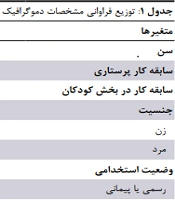
Table 1.
Demographic Characteristics of Nurse Participants and the Mean and Standard Deviation Scores of nurses in 2017a
| Variable | No. (%) | Knowledge-Skill | Importance |
|---|---|---|---|
| Age, y | 33.05 (7.13) | R = 0.44 | R = 0.56 |
| Gender | |||
| Female | 115 (76.7) | 102.36 (4.96) | 123.73 (7.02) |
| Male | 35 (23.3) | 95.94 (7.08) | 125.00 (7.80) |
| P value | 0.001 | 0.37 | |
| Marital status | |||
| Single | 92 (61.3) | 100.85 (5.83) | 123.96 (7.06) |
| Married | 58 (38.7) | 100.87 (6.66) | 124.13 (7.81) |
| P value | 0.98 | 0.89 | |
| Employment status | |||
| Temporary | 39 (26) | 100.10 (6.96) | 124.71 (7.56) |
| Temporary-to permanent | 58 (38.7) | 100.89 (5.32) | 123.81 (7.33) |
| Fully-statused | 39 (26) | 101.17 (5.35) | 124.43 (6.71) |
| Contractual | 14 (9.3) | 102.00 (5.32) | 121.92 (8.68) |
| P value | 0.76 | 0.65 | |
| History of retraining on health status assessment | |||
| Yes | 30 (20) | 99.86 (5.56) | 122.83 (7.07) |
| No | 120 (80) | 101.11 (6.27) | 124.33 (7.40) |
| P value | 0.31 | 0.33 | |
| Clinical experience | |||
| Age, y | 7.48 (5.71) | R = 0.008 | R = 0.06 |
aValues are expressed as mean (SD).
Table 2.
Mean (SD), Absolute and Relative Frequency of Acquired Knowledge-Skill Scores and the Importance of Physical Examinations for Children Admitted to Infectious Wards from Nurses’ Point of View
| Items | Knowledge-Skill | Importance | ||||||||||
|---|---|---|---|---|---|---|---|---|---|---|---|---|
| I Don’t Know. | I Know Little. | I Know But I Cannot Do Them. | I Can Do Them. | I Can Do Them and Can Train Others on Them. | Mean (SD) | Highly Non-Important | Non-Important | I Have No Idea. | Important | Highly Important | Mean (SD) | |
| Observing skin color | 11 (7.3) | 9 (6) | 26 (17.3) | 28 (18.7) | 76 (50.7) | 3.99 (1.26) | 8 (5.3) | 10 (6.7) | 24 (16) | 58 (38.7) | 50 (33.3) | 3.88 (1.11) |
| Assessment of respiratory effort | 10 (6.7) | 10 (6.7) | 8 (5.3) | 36 (24) | 86 (57.3) | 4.19 (1.21) | 3 (2) | 5 (3.3) | 13 (8.7) | 30 (20) | 99 (66) | 4.45 (0.93) |
| Assessment of mental status and alertness | 4 (2.7) | 59 (39.3) | 65 (43.3) | 18 (12) | 4 (2.7) | 2.73 (0.8) | 3 (2) | 9 (6) | 34 (22.7) | 63 (42) | 41 (27.3) | 3.87 (0.95) |
| Observing and touching extremities to identify edema | 13 (8.7) | 81 (54) | 39 (26) | 11 (7.3) | 6 (4) | 2.44 (0.90) | 8 (5.3) | 30 (20) | 43 (28.7) | 54 (36) | 15 (10) | 3.25 (1.06) |
| Touching the extremities to assess the temperature | 12 (8) | 23 (15.3) | 41 (27.3) | 47 (31.3) | 27 (18) | 3.36 (1.17) | 3 (2) | 5 (3.3) | 40 (26.7) | 70 (46.7) | 32 (21.3) | 3.82 (0.87) |
| Observing how capillaries are filled | 11 (7.3) | 43 (28.7) | 46 (30.7) | 39 (26) | 11 (7.3) | 2.97 (1.06) | 18 (12) | 36 (24) | 40 (26.7) | 38 (25.3) | 18 (12) | 3.01 (1.21) |
| Touching the distal pulse to check the blood flow | 23 (15.3) | 78 (52) | 37 (24.7) | 5 (3.3) | 7 (4.7) | 2.30 (0.90) | 7 (4.7) | 31 (20.7) | 36 (24) | 51 (34) | 25 (16.7) | 3.37 (1.12) |
| Checking ulcers | 12 (8) | 40 (26.7) | 45 (30) | 39 (26) | 14 (9.3) | 3.02 (1.10) | 9 (6) | 22 (14.7) | 42 (28) | 46 (30.7) | 31 (20.7) | 3.45 (1.15) |
| Checking lung sounds | 63 (42) | 58 (38.7) | 16 (10.7) | 10 (6.7) | 3 (2) | 1.88 (0.98) | 76 (50.7) | 54 (36) | 10 (6.7) | 6 (4) | 4 (2.7) | 1.72 (0.94) |
| Listening to abdominal sounds to check intestinal sounds | 19 (12.7) | 52 (34.5) | 53 (35.5) | 20 (13.3) | 6 (4) | 2.61 (1.00) | 54 (36) | 65 (43.3) | 19 (12.7) | 8 (5.3) | 4 (2.7) | 1.95 (0.97) |
| Abdominal assessment | 22 (14.7) | 39 (26) | 41 (27.3) | 37 (24.7) | 11 (7.3) | 2.84 (1.17) | 19 (12.7) | 55 (36.7) | 36 (24) | 28 (18.7) | 12 (8) | 2.73 (1.14) |
| Listening to heart sounds | 32 (21.3) | 58 (38.7) | 37 (24.7) | 15 (10) | 8 (5.3) | 2.39 (1.09) | 5 (3.3) | 4 (2.7) | 9 (6) | 47 (31.3) | 85 (56.7) | 4.35 (0.95) |
| Checking skin lesions | 18 (12) | 45 (30) | 47 (31.3) | 23 (15.3) | 17 (11.3) | 2.84 (1.17) | 4 (2.7) | 11 (7.3) | 36 (24) | 61 (40.7) | 38 (25.3) | 3.79 (0.99) |
| Examining extremities to check the skin color and hair growth | 18 (12) | 50 (33.3) | 39 (26) | 26 (17.3) | 17 (11.3) | 2.83 (1.19) | 8 (5.3) | 34 (22.7) | 55 (36.7) | 33 (22) | 20 (13.3) | 3.15 (1.08) |
| Examination of the external part of eyes | 33 (22) | 61 (40.7) | 25 (16.7) | 20 (13.3) | 11 (7.3) | 2.43 (1.18) | 43 (28.7) | 58 (38.7) | 23 (15.3) | 15 (10) | 11 (7.3) | 2.29 (1.15) |
| Assessing how the patient is talking | 37 (24.7) | 86 (57.3) | 21 (14) | 4 (2.7) | 2 (1.3) | 1.99 (0.78) | 38 (25.3) | 36 (24) | 39 (26) | 19 (12.7) | 18 (12) | 2.62 (1.31) |
| Touching the abdomen to check for sensitivity and bloating | 25 (16.7) | 80 (53.3) | 38 (25.3) | 4 (2.7) | 3 (2) | 2.20 (0.89) | 25 (16.7) | 42 (28) | 39 (26) | 27 (18) | 17 (11.3) | 2.79 (1.24) |
| Checking the movements of joints | 31 (20.7) | 59 (39.3) | 39 (26) | 13 (8.7) | 8 (5.3) | 2.39 (1.07) | 27 (18) | 56 (37.3) | 33 (22) | 27 (18) | 7 (4.7) | 2.54 (1.12) |
| Observing the shape of the chest | 20 (13.3) | 59 (39.3) | 43 (28.7) | 20 (13.3) | 8 (5.3) | 2.58 (1.05) | 50 (33.3) | 49 (32.7) | 29 (19.3) | 17 (11.3) | 5 (3.3) | 2.19 (1.12) |
| Examining facial muscles in terms of sensation and movement | 22 (14.7) | 53 (35.3) | 45 (30) | 23 (15.3) | 7 (4.7) | 2.60 (1.06) | 65 (43.3) | 29 (19.3) | 24 (16) | 17 (11.3) | 15 (10) | 2.25 (1.37) |
| Touching the extremities to assess sensitivity | 33 (22) | 101 (67.3) | 10 (6.7) | 3 (2) | 3 (2) | 1.96 (0.74) | 18 (12) | 30 (20) | 36 (24) | 45 (30) | 21 (14) | 3.14 (1.23) |
| Assessment of muscle strength | 37 (24.7) | 62 (41.3) | 36 (24) | 12 (8) | 3 (2) | 2.21 (0.97) | 26 (17.3) | 39 (26) | 34 (22.7) | 35 (23.3) | 16 (10.7) | 2.84 (1.26) |
| Examining hand and foot muscles to check the size and symmetry | 30 (20) | 80 (53.3) | 34 (22.7) | 2 (1.3) | 4 (2.7) | 2.13 (0.84) | 19 (12.7) | 34 (22.7) | 38 (25.3) | 39 (26) | 20 (13.3) | 3.05 (1.23) |
| Checking the amount of hearing based on the extent to which a word is heard | 36 (24) | 74 (49.3) | 31 (20.7) | 5 (3.3) | 4 (2.7) | 2.11 (0.90) | 21 (14) | 50 (33.3) | 34 (22.7) | 33 (22) | 12 (8) | 2.77 (1.17) |
| Examining the patient’s walking | 38 (25.3) | 76 (50.7) | 27 (18) | 6 (4) | 3 (2) | 2.07 (0.88) | 31 (20.7) | 39 (26) | 33 (22) | 29 (19.3) | 18 (12) | 2.76 (1.30) |
| Checking puppets | 21 (14) | 84 (56) | 30 (20) | 9 (6) | 6 (4) | 2.30 (0.92) | 13 (8.7) | 32 (21.3) | 27 (18) | 42 (28) | 36 (24) | 3.37 (1.29) |
| Consciousness examination based on Glasgow Criteria | 10 (6.7) | 45 (30) | 46 (30.7) | 34 (22.7) | 15 (10) | 2.99 (1.09) | 3 (2) | 5 (3.3) | 21 (14) | 58 (38.7) | 63 (42) | 4.15 (0.92) |
| Examining the oral mucosa | 15 (10) | 69 (46) | 40 (26.7) | 15 (10) | 11 (7.3) | 2.59 (1.04) | 93 (62) | 44 (29.3) | 9 (6) | 2 (1.3) | 2 (1.3) | 1.51 (0.78) |
| Examining the spine | 98 (65.3) | 36 (24) | 10 (6.7) | 4 (2.7) | 2 (1.3) | 1.51 (0.84) | 44 (29.3) | 39 (26) | 31 (20.7) | 30 (20) | 6 (4) | 2.43 (1.21) |
| Controlling vital signs (blood pressure, body temperature, respiratory rate, and pulse rate) | 0 (0) | 8 (5.3) | 12 (8) | 40 (26.7) | 90 (60) | 4.41 (0.85) | 0 (0) | 0 (0) | 0 (0) | 31 (20.7) | 119 (79.3) | 4.79 (0.40) |
| Skin turgor examination | 23 (15.3) | 78 (52) | 38 (25.3) | 6 (4) | 5 (3.3) | 2.28 (0.89) | 6 (4) | 25 (16.7) | 37 (24.7) | 71 (47.3) | 11 (7.3) | 3.37 (0.98) |
| Evaluation of lymph nodes in the neck and armpit | 32 (15.3) | 74 (49.3) | 32 (21.3) | 13 (8.7) | 8 (5.3) | 2.39 (1.02) | 18 (12) | 80 (53.3) | 21 (14) | 26 (17.3) | 5 (3.3) | 2.47 (1.02) |
| Carotid pulse examination | 29 (19.3) | 57 (38) | 52 (34.7) | 8 (5.3) | 4 (2.7) | 2.34 (0.94) | 0 (0) | 0 (0) | 0 (0) | 24 (16) | 126 (84) | 4.84 (0.36) |
| Checking for jugular vein bumps | 15 (10) | 94 (62.7) | 31 (20.7) | 5 (3.3) | 5 (3.3) | 2.27 (0.81) | 12 (8) | 35 (23.3) | 36 (24) | 48 (32) | 19 (12.7) | 3.18 (1.16) |
| Chest evaluation | 32 (21.3) | 69 (46) | 35 (23.3) | 11 (7.3) | 3 (2) | 2.23 (0.93) | 4 (2.7) | 5 (3.3) | 27 (18) | 86 (57.3) | 28 (18.7) | 3.87 (0.85) |
| Touching the cordial blades to check PMI | 28 (18.7) | 73 (48.7) | 35 (23.3) | 9 (6) | 5 (3.3) | 2.27 (0.94) | 21 (14) | 51 (34) | 44 (29.3) | 28 (18.7) | 6 (4) | 2.65 (1.06) |
| Listening to heart sounds to check for a heart murmur | 55 (36.7) | 48 (32) | 18 (12) | 20 (13.3) | 9 (6) | 2.20 (1.23) | 0 (0) | 0 (0) | 17 (11.3) | 64 (42.7) | 69 (46) | 4.35 (0.67) |
| Determining the difference between radial and apex pulses | 15 (10) | 119 (79.3) | 12 (8) | 2 (1.3) | 2 (1.3) | 2.05 (0.59) | 28 (18.7) | 63 (42) | 41 (27.3) | 16 (10.7) | 2 (1.3) | 2.34 (0.94) |
| Examining the breast to check for lumps | 66 (44) | 53 (35.3) | 18 (12) | 10 (6.7) | 3 (2) | 1.87 (0.99) | 48 (32) | 48 (32) | 32 (21.3) | 18 (12) | 4 (2.7) | 2.21 (1.10) |
| Detecting deep tendon reflux | 28 (18.7) | 81 (54) | 38 (25.3) | 2 (1.3) | 1 (0.7) | 2.11 (0.73) | 26 (17.3) | 69 (46) | 25 (16.7) | 17 (11.3) | 13 (8.7) | 2.48 (1.16) |
The findings of this study implied a significant positive correlation between the knowledge-skill and importance of pediatric physical examinations (P < 0.05). Further, female participants had higher levels of knowledge-skills on the physical examination of children than males did (P < 0.05); however, no statistically significant correlation was found between physical examination knowledge-skill and age, education, marital status, employment status, clinical work experience, and history of retraining on health status examination (P > 0.05). The findings of this study suggested that the mean score obtained by the nurses regarding the knowledge-skill and importance of performing pediatric physical examinations was poor.
5. Discussion
The current study aimed to determine the relationship between knowledge-skill and the importance of physical examination of children admitted to infectious wards from the perspective of nurses working in Ilam hospitals. The findings showed that the mean knowledge-skill score of the nurses on conducting pediatric physical examinations was low, which was consistent with the findings reported by Zeid Abadi et al., (4). In the study of Birks et al., the nurses reported that they only employed 34% of the studied skills and the remaining skills were either not used (35.5%) or were rarely used (31%) (19). In a study by Cicolini et al., 20 out of the 30 techniques mentioned in the questionnaire were reviewed by nurses, of which, eight techniques were commonly used, six were rarely or occasionally used, and four were never used by the nurses (20). This is consistent with the results of the present study. The low mean score of nurses in assessing the health status of the patients may be due to the lack of coordination and consistency between the nursing and clinical curriculum (21), lack of training on these skills in undergraduate studies (22), and lack of time (19).
The findings of the current study showed that the nurses reported higher levels of knowledge-skill in terms of controlling vital signs, assessment of respiratory effort, observation of skin color, and touching the extremities to check the temperature. In the study of Khuran et al., on the self-assessment of nurses in performing pediatric physical examinations, it was found that assessment of respiratory effort and the systematic examination of body temperature in each shift were adopted by more than half of the nurses. In addition, eight skills (general observation of skin color, assessment of respiratory effort, examination of mental status and alertness, observation of ulcers, observation of eye appearance, stool test and analysis, observation of the oral cavity, and checking the body temperature) were frequently and routinely repeated in each shift by more than 30% of the nurses (9). This finding is in line with the results of the present study. In a study by Cicolini et al., skin examinations, inspections, and general observations were typically performed by nurses (20). As observed in the present study, the most-oft employed skills in the study by Zeid Abadi et al., (4), were controlling vital signs, assessment of the mental status and alertness, observing ulcers, as well as touching the extremities to check the body temperature. Further, in the majority of previous studies, controlling vital signs was reported as one of the most important skills employed by nurses on a daily basis, which can also be taught by other nurses (4, 14). These findings confirm those of the present study. Assessing children’s respiratory effort is one of the important physical examinations conducted by nurses. For example, one of the common symptoms of children infected with human-metapneumovirus (hMPV) is wheezing. Therefore, the importance of children’s respiratory assessment is essential (23).
In the present study, nurses reported lower levels of knowledge-skill in terms of examination of the breast to assess lumps, examination of the spine, assessing how the patient is talking, and listening to lung sounds. The study done by Khuran et al., reported low knowledge-skill in listening to lung sounds, listening to abdominal sounds to check intestinal sounds, examination of muscle strength, and touching the extremities to assess tenderness (9). In Adib-Hajbaghery’s study on the cardiovascular system measures adopted by Isfahan nurses, some measures such as Trendelenburg test review, examination of hepatojugular reflux, listening to and touching the abdominal aorta, and Bruit listening in the carotid were adapted to the least extent possible and were not mastered by the participants (13). The less-often adopted measures by nurses in the clinical trial conducted by Birks et al., were corneal light reflux, heart sounds, muscle strength tests, and spinal observations (19). Together, these findings strengthen those of the present study. Fahimzad et al., reported that the level of knowledge of medical students regarding the dental health of children is not sufficient (24). It seems that the lower knowledge and skill in this field is rooted in the fact that the medical team is expected to implement these examinations and nurses are not in charge of the same (4). Therefore, it is important that the responsibility of conducting clinical examinations is shared among nurses, doctors, and other healthcare service providers; all carrying out clinical examinations tailored to their profession and expertise, such as during the time a physician performs the diagnosis of the disease and the nurse makes the potential and actual nursing diagnosis (25).
The present study also revealed that there was a significant positive correlation between knowledge-skill and the importance of pediatric physical examinations, such that an increase in knowledge and skills pertaining to physical examinations led to an increase in the perceived importance of such examinations. This finding is consistent with those of previous studies (4,14). In this study, women had higher levels of knowledge and skills regarding physical examinations than men did, which is not consistent with the findings of Zeid Abadi et al. The inconsistency between the results of the present study and Zeid Abadi’s study can be attributed to the difference in the target population for physical examinations. Specifically, in Zeid Abadi’s study, the patients admitted in the internal and surgery wards as well as intensive care unit were examined (4). Female nurses may avoid performing physical examinations owing to shame and embarrassment (26). In the present study, however, female nurses were likely to perform such examinations without any reluctance due to the fact that they were of the same gender of the children’s mothers, and also due to the fact that the patients were young.
In addition, this study has some limitations. The sample size was small. Therefore, replication of the study with a larger sample is recommended. Further, the questionnaire and self-assessment of nursing skills may not have provided accurate information. Thus, it is recommended that nurses’ skills are assessed through using a checklist and observation method in future studies. The limited number of physical examinations in the questionnaire is another research limitation. Therefore, it is recommended that qualitative studies be conducted to eliminate this limitation. Finally, considering that this study was performed only with nurses from one city, it is recommended that additional studies be conducted in other cities. In conclusion, given that the mean knowledge-skill score of the nurses on conducting pediatric physical examinations was low, appropriate interventions by nursing managers to improve the status of nurses’ knowledge as well as skills in this field is of significance in order to prepare the necessary grounds for the appropriate implementation of the nursing process by nurses.