1. Context
Heatstroke is the most severe form of temperature-related illness, which can severely endanger the life and health of the affected person. Sometimes, there are conditions where human activities are forced to operate in the open environment without shelter. In such conditions, the danger of climatic elements is more significant than other factors. For example, high temperatures cause heatstroke, burns, and dryness of the skin, decreased vision, dilated veins, decreased physical activity, excessive sweating, decreased appetite, and ultimately, death (1). This occurs as a result of prolonged, excessive, uncontrolled exposure to sunlight, especially if a person does not sweat enough to reduce body temperature. Experts say that older people, infants, and people who take certain types of medications are more likely to develop heatstroke. Heatstroke occurs quickly and, if it does, requires immediate treatment to prevent damage (2).
In general, the mechanism of activity in a warm environment is guided and controlled in two areas: One is the physiological part, which is controlled and guided by the organs of the body, in which humans are less involved, and the other is the psychological part. In the physiological part, the body's defense mechanism includes sweating and skin expansion, thereby reducing body temperature. In the field of behavioral science, it involves a decrease in restlessness and the tendency of the body to leave the warm environment. If the body temperature rises, the person will suffer from complications such as decreased physical strength, heat stress, decreased alertness, and eventually anesthesia, coma, and death (3).
Expanding interactions between communities and increasing the number of national and international events have led to a rise in public gatherings. While these gatherings offer benefits such as cultural exchanges, they also present health challenges, including the transmission of infectious diseases. Therefore, health considerations are essential for these events. One of the primary challenges of large gatherings is the spread of infectious diseases and addressing the health needs of participants, which imposes a health burden on the host country. Even in areas with diverse health capacities and appropriate resources, public health systems face severe pressure during such gatherings (4).
2. Evidence Acquisition
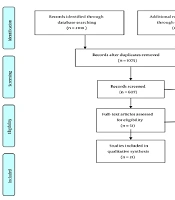
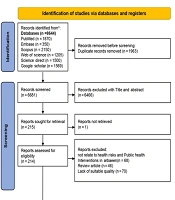
The present review study is conducted to familiarize readers with the types of heat stroke, related considerations, signs and symptoms, and the occurrence of heat stroke during heavy activities and long walks, such as the Arbaeen walk. The study also addresses the diagnosis, prevention, and treatment of heat stroke. A library method was employed, utilizing available sources and backgrounds, along with meta-analyses (PRISMA) guidelines. In this research, 31 articles related to the topic were examined using PRISMA guidelines and searches in PubMed, Scopus, and ISI Web of Science. This number was selected by searching keywords in the Bank of Iranian Journals and Magazines (MAG IRAN), the Scientific Information Database (SID), and Google Scholar Farsi. Keywords such as "heat", "heatstroke", "Arbaeen", and "mass gatherings" were used to collect the desired studies.
2.1. Criteria for Selecting Articles
Articles related to heat stroke of both quantitative and qualitative types published in the last 20 years were included. Both Iranian and international articles related to heat stroke and heat stroke in mass gatherings, such as the Arbaeen walk, were considered.
2.2. Exclusion Criteria for Articles
Articles that did not meet the inclusion criteria were excluded. The full text of all articles meeting the inclusion criteria was reviewed. Their results were extracted according to the examined factors and revised. In total, 31 articles were examined in this study, of which 28 were approved as having thematic relevance. Therefore, topics such as the description of heat stroke, types of heat stroke, signs and symptoms, considerations, effects of heat stroke, prevention, and treatment are briefly reviewed.
2.3. Description of the Subject
The human body heats up due to activity, which triggers sweating. The evaporation of sweat from the skin's surface absorbs a significant amount of heat from the body, facilitating cooling. High air humidity impedes this natural evaporation process, causing heat to linger on the skin's surface and intensifying the sensation of heat. This situation poses a danger, even for individuals engaging in outdoor exercise or activities. The general guideline for protecting the body from heat is to consume ample fluids to prevent dehydration and delay symptoms such as fatigue, headache, rapid heartbeat, and heavy breathing, all of which increase the risk of heat stroke.
3. Types of Heat Stroke
Heat stroke occurs in two forms: (A) Exertional heat stroke which is caused by excessive physical activity in hot and humid weather. It can affect anyone, including athletes participating in competitions held in hot conditions or military personnel performing duties in such environments. Also, its symptoms can develop within several hours; (B) non-exertional heat stroke which is not caused by high physical activity but rather by prolonged exposure to heat and affecting the body over several days. Most heat stroke incidents during travel fall into this category. Heat stroke due to physical conditions is common, particularly in mass gatherings such as the Arbaeen walk.
4. Common Types of Heat Stroke
Heat stroke has two common types: (A) Painful muscle spasms which are caused by excessive muscle activity in a warm environment, primarily due to excessive sweating and the excessive excretion of electrolytes. To prevent this condition, it is recommended to consume table salt proportionally, particularly in individuals without salt restrictions (e.g., those without heart, kidney, liver, or other related conditions). This can be very effective; (B) extreme fatigue and weakness caused by heat which results from a cardiovascular reaction to excessive heat, often due to water loss without adequate compensation or salt loss without replacement. A decrease in both water and salt following excessive sweating can lead to cardiovascular failure and vascular clamps. Common symptoms include weakness, headache, dizziness, thirst, anorexia, nausea, and vomiting. If vascular clamps occur, the patient's skin may become cold, moist, and gray, and blood pressure may decrease. Body temperature typically remains normal or may even be lower. If peripheral blood vessels expand significantly due to heat, causing a large amount of blood to be stored and lowering blood pressure, heat syncope may occur, especially if the patient is under stress or experiences a sudden change in condition. This condition is more common in the elderly and in patients using diuretics.
5. Shock due to Heat and Extreme Heatstroke
Heat stroke is a medical emergency where various body systems are damaged due to overheating. In this condition, the rectal temperature regulation mechanism exceeds 40°C. It is one of the deadliest conditions during the Hajj season, particularly in gatherings such as Arafat and the Arbaeen walk.
6. Signs and Symptoms of Severe Heat Stroke
- Dry and hot skin
- Rectal temperature above 40°C
7. Accompanying Symptoms
- Lethargy, confusion, and behavioral disorders, which can progress to coma
- Dry mucosa of the tongue and mouth, with advanced cases showing dry skin
- Tachycardia
- Hypotension
- Occasionally, nausea, vomiting, and diarrhea, which may be bloody
8. People at Risk
- Individuals over 60 years of age
- Patients with Parkinsonism
- Obese individuals
- Women
- People with chronic liver, heart, lung, and metabolic diseases
9. Heat Stroke
This condition, caused by severe heat exposure, results in damage to the brain and other internal organs. While it predominantly affects individuals over 50, it is also common among younger people. Heat stroke typically occurs due to prolonged exposure to high temperatures, often in conjunction with dehydration. Medically, extreme heat stroke is defined by a central body temperature exceeding 40.56°C. Symptoms of severe heat stroke include nausea, seizures, confusion, and sometimes loss of consciousness or coma. Additional symptoms may include headache, red and hot skin, muscle weakness or cramps, a rapid or weak heartbeat, and rapid, shallow breathing (2).
10. Considerations Related to Heat Stroke
10.1. Pathophysiological Pathway Leading to Heat Stroke
The sequence of events leading to heat stroke involves a transition from compensable heat regulation to irreparable conditions. Heat stress initiates a regulatory response, increasing cardiac output and redistributing blood flow. When central venous pressure significantly decreases, core temperature rapidly rises, becoming irreparable. A combination of high body temperature and circulatory collapse ultimately manifests as heat stroke (5).
10.2. Interaction with the Warm Environment
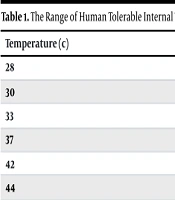
Heat stroke is defined as hyperthermia or ultra-high fever, occurring when body temperature exceeds 41.1°C (106°F). It is characterized by pathophysiological changes leading to nervous system dysfunction, multi-organ failure, and death (6). Another definition describes heat stroke as a form of hyperthermia associated with a systemic inflammatory response, leading to multi-organ dysfunction syndrome, with encephalopathy as a predominant feature (7). The human body functions like a thermodynamic system, utilizing fuel, oxygen, thermal energy, and work. It maintains a constant temperature of 37 ± 0.5°C to ensure health is not compromised (8). A person's ability to function at varying temperatures differs, with optimal performance occurring when comfortable temperature exchange with the environment is achieved (9). Heat stroke is accompanied by fever and often anesthesia, resulting from the failure of the body's temperature regulation mechanism (6). Table 1 represents the range of human tolerable internal temperature (10).
Table 1.
The Range of Human Tolerable Internal Temperature
| Temperature (°C) | Signs |
|---|---|
| 28 | Muscle inactivity |
| 30 | Reduced body temperature control |
| 33 | Loss of consciousness |
| 37 | Normal |
| 42 | Decommissioning of the central nervous system |
| 44 | Death |
The human body is a constant generator of thermal energy. Therefore, at various stages of physical activity, excess heat must be dissipated.
11. The Human Body's Reaction to Heat
The human body constantly generates thermal energy, necessitating the dissipation of excess heat during various stages of physical activity. When body temperature rises due to activity, the hypothalamus in the brain issues commands to moderate and adjust the temperature to 37°C. These commands include stimulating the adrenal gland to secrete adrenaline into the bloodstream, which dilates skin pores, allowing water to reach the surface and evaporate, thereby reducing body temperature. Additionally, the skin's surface expands, enhancing cooling as the increased surface area facilitates more effective body cooling. Individuals may also experience psychological restlessness, prompting them to seek cooling methods, such as moving to shaded or cooler areas (11). In some cases, individuals may suffer long-term complications following recovery and treatment from heat exposure, with seizures being a potential recurring issue.
12. Various Causes of Heatstroke
Heatstroke can be attributed to several causes, which are broadly categorized into internal and external factors.
12.1. Internal Causes
- Physical activity in hot weather
- Consumption of high-calorie foods
- Psychological stress, particularly during flare-ups
- Physical barriers that impede the body's cooling mechanisms
12.2. External Causes
- Heat absorption from direct sunlight
- Heat absorption from the surrounding air
- Increased heat absorption when the ambient temperature exceeds 26°C, or at lower temperatures when relative humidity is high (3)
In general, the risk of heat-related illnesses is influenced by exposure to heat (both environmental heat and physical activity), individual sensitivity (affected by factors such as age, pregnancy status, and living conditions), and social and cultural factors (including poverty, lack of access to healthcare, and limited protections for workers, etc.) (12).
13. Symptoms of Heatstroke
Symptoms of heatstroke can be categorized into two groups: Severe and mild. Generally, the symptoms range widely. On one end of the spectrum, they may present as brief, partial, and transient discomfort and boredom. On the other end, severe symptoms can include shock, coma, and potentially death. While symptoms can vary from person to person, the most common manifestations of heatstroke include: Headache, dizziness, lack of concentration and confusion, fatigue, heat and dry skin that turns red but does not sweat, a sharp increase in body temperature, loss of consciousness, rapid heartbeat, and hallucinations (2).
14. Detecting Heatstroke
The diagnosis of heatstroke is primarily clinical, based on the triad of temperature drops, neurological abnormalities, and recent exposure (5). Specifically, the diagnosis of heatstroke involves: Checking the history of being in a hot environment, rectal temperature check, assessment of the degree of consciousness and examination of vital signs (pulse, blood pressure, etc.) (2).
15. Prevention of Heatstroke
Climate change leads to severe and frequent heat waves, increasing the incidence of heat-related diseases and exacerbating heat-sensitive conditions. Before the onset of the hot season, activities in hot environments or any heat-related phenomena should identify heat-exacerbating factors and warn susceptible individuals to take greater care of potential risks. Education on the signs and symptoms related to heat-induced diseases is essential (12).
People should be informed and trained on how to avoid the risk of overheating during a heat wave and recognize the warning signs, including: Restricting intense activity when temperatures rise, monitoring the weather forecast, wearing light, cotton, and loose-fitting clothing, using umbrellas, hats, etc., carrying water, avoiding heavy and prolonged tasks, resting if feeling tired, avoiding direct sunlight exposure, refraining from drinking tea, coffee, soda, and alcohol, as these beverages can contribute to dehydration, practicing proper hand washing, ensuring adequate water consumption (11). In the Table 2, the strategies for preventing heat stroke in population groups are specified (12).
Table 2.
Prevention Strategies for the General Population and for Specific Groups
| Risk Groups | Strategies |
|---|---|
| General population | Identify heat-vulnerable patients. |
| Alert patients and caregivers to potential heat risks. | |
| Provide counseling regarding signs and symptoms of heat-related illness. | |
| Provide counseling regarding how to reduce risks and when to seek medical attention. | |
| Provide education regarding medications that may increase heat risk. | |
| Provide counseling about ensuring access to cooling when needed, including the appropriateness of fans as a cooling strategy 40 and access to mechanical air conditioning at home or at a nearby site, where available. | |
| Athletes | Educate administrators, coaches, stakeholders, athletes, staff, and spectators about the risks and manifestations of heat-related illness. |
| Encourage acclimatization in advance of substantial heat exposure. | |
| Outdoor workers | Identify heat-vulnerable patients who work outdoors. |
| Explore potential barriers to reducing heat risk and formulate strategies to address these barriers, including drinking water, resting, or removing extra clothing or equipment. | |
| Inform patients of relevant local worker protections and standards. |
16. Effects of Heatstroke
A person exposed to heat, depending on the intensity of the heat, their capacity to tolerate it, and the duration of exposure, may suffer from serious or mild injuries. These include feelings of weakness, discomfort, decreased working capacity, reduced voluntary activity, skin congestion (indicating a lack of blood and oxygen to the skin), tachycardia (increased heart rate), severe muscle pain, shortness of breath, dizziness, vomiting, cramping, and in severe cases, cognitive impairment leading to death. The exact mechanism by which heatstroke leads to death is not fully understood, but its effects on brain swelling and bleeding have been documented. Humans possess a significant ability to adapt to new climatic conditions, such as heat (1).
17. Treatment of Heatstroke
Due to the potential for permanent damage or death, it is crucial to treat heatstroke promptly. Treatment begins with ensuring airway, breathing, and circulation, followed by rapid cooling. Delays in cooling are associated with worse outcomes. Ideally, the central body temperature should be reduced to 38 to 39 degrees Celsius within 30 minutes.
18. Treatment Protocol for Heatstroke
18.1. If the Patient is Conscious
- Place the patient in a cold tub.
- Administer 500 cc of normal cold saline intravenously.
- Continuously monitor vital signs while the patient is in the bathtub.
- The patient should remain in the bath until the rectal temperature reaches 38.5°C. If this temperature is not achieved, continue liquid therapy in the bath.
18.2. If the Patient is in a Coma
- Ensure the patient's airways are open; intubate if necessary.
- Administer oxygen.
- Prescribe intravenous diazepam in the event of seizures and continue until seizures cease.
- Place the patient in a cold water bath and repeat treatment measures based on the patient's level of consciousness.
- Transfer the patient to a hospital once their condition stabilizes (2).
19. Arbaeen March
The Arbaeen March, a Muslim pilgrimage, is one of the largest annual popular gatherings in the world, determined by the lunar calendar. Most pilgrims begin their long journey on foot from Basra or Najaf to Karbala, covering distances of approximately 70 to 500 km. They are significantly affected by the weather conditions in both their home and host countries during this time (13). During the annual 40th anniversary, millions of participants of various ages walk from cities across Iraq and neighboring countries to the Imam Hussein shrine in Karbala, often covering hundreds of kilometers over several days. Consequently, their gait function is influenced by numerous physiological factors (14).
When the march occurs during the hot summer months, it can lead to heat-related complications and deaths. Despite the increasing risk of heat stress due to global warming, there has been limited attention to heat issues during these religious ceremonies. The warmer summer weather poses a fundamental threat to the health of participants. This religious activity, like other mass gatherings, raises numerous health concerns related to communicable and non-communicable diseases, as many pilgrims are exposed to extreme temperatures due to prolonged exposure to outdoor climates.
Human body temperature is effectively regulated through evaporation, radiant heat exchange, convection, and conductivity with the surroundings. High ambient humidity impairs evaporative and conductive cooling, making it difficult to dissipate metabolic heat from the body, which can lead to heat stress. Therefore, thermal stress is not solely caused by extreme temperatures but is regulated by a combination of temperature and humidity. A steady rise in temperature is expected due to climate change in surrounding areas, including most of Iraq (13).
Various factors, such as the gathering location, the number of participants, and access to health centers, can affect the incidence of common diseases in large gatherings. Authorities should pay special attention to these factors during planning. Establishing desert hospitals and treatment camps during and after a rally can be an effective solution for health protection and provision. Additionally, the efficiency of these plans should be evaluated through continuous exercises (4).
Given the magnitude of mass gatherings related to Iraq, preparations must begin well in advance of the events. It is crucial to conduct pre-participation examinations, vaccinate individuals at risk, and educate pilgrims and officials about health risks. The ceremony is influenced by the environmental and seasonal changes in Iraq, the host country.
Karbala experiences a desert climate characterized by extreme temperatures and drought. Summers are particularly hot, with temperatures often exceeding 50°C (14). The summer months in Karbala, coupled with the constant risk of overheating, increase the likelihood of fatigue during the Arbaeen pilgrimage, posing health risks to individuals with weakened immunity. Approximately 1.5% of participants require medical assistance due to exposure to adverse weather conditions, such as heatstroke, and injuries resulting from overcrowding (15).
The Arbaeen pilgrimage is a large annual gathering of millions of people from around the world, encompassing diverse cultures, social and economic backgrounds, knowledge, attitudes, and health statuses. The causes of diseases, including heatstroke and mortality, vary among this diverse population. However, with proper education and informed action, many of these risks can be mitigated. Health care is a critical element to consider when planning mass gatherings. The current findings may provide a basis for strategic planners to make better arrangements for participants walking the Arbaeen during the summer season (16).
20. Similar Studies
Steadman has conducted extensive studies on the effects of clothing and physical activity on heat retention. Generally, wearing clothing with a high polyester content or excessive clothing during physical activity can inhibit heat loss. Plastic clothing, in particular, prevents body heat from dissipating, leading to increased body temperature and potential overheating. In one instance, during a football practice where players were required to wear full gear without the option to remove layers, an athlete suffered from heat stroke. Despite being moved to the shade, the athlete continued to practice and was later found deceased (3).
In a study by Abdolmotiee et al. (2017), involving 267 patients who visited the emergency room with heat stroke symptoms during the Hajj season, the average patient age was 54 ± 16 years, with a predominance of males. The most common underlying condition among these patients was diabetes mellitus. Most patients presented with hyperthermia and electrolyte imbalances.
A 2012 systematic review on climate and environmental hazards at mass gatherings found that a one-degree Celsius increase in temperature, from 20°C to 21°C, resulted in an 11% increase in the number of individuals requiring medical attention. Additionally, temperatures exceeding 27°C were associated with a higher incidence of disease symptoms (16).
Previous epidemiological studies have shown that heatstroke in older individuals and those with underlying diseases is associated with a higher risk of hospitalization. To identify risk factors associated with heatstroke, a case-control study was conducted in St. Louis and Kansas city, Missouri, in July and August 1980. Questionnaire data were collected for 156 individuals with heatstroke (severe heat illness with documented hyperthermia) and 462 control individuals matched by age, gender, and neighborhood of residence. Factors associated with increased risk included alcoholism, residing on higher floors of multi-story buildings, and the use of certain psychotropic medications (phenothiazines, butyrophenones, or thioxanthenes). Conversely, factors associated with reduced risk included the use of home air conditioning, spending more time in air-conditioned environments, and living in well-shaded areas with trees and shrubs. The ability to care for oneself, perform intense physical activity, reduce such activity during heat, and consume excess fluids were also associated with decreased risk. The findings suggest effective preventive measures. During heatwaves, special attention should be given to high-risk groups, and relief efforts should incorporate measures linked to risk reduction (17).
Farahmand et al., in their research titled "Therapeutic Camp and Patients in Arbaeen Pilgrimage in 2018", reported that a total of 3,477 patients were enrolled. The mean ± SD age of patients was 33.77 ± 16.19 years (ranging from 1 to 96 years), with 2,183 patients (62.78%) being male. Most patients were Iranian (84.5%), followed by Iraqi (13.66%), with only 1.84% from other nationalities. The most common chief complaints were upper respiratory tract infections (60.2%), low back pain and muscle cramps (17.6%), and blisters requiring dressing (12.3%). The most commonly prescribed medications were adult cold pills, acetaminophen (325 mg), and cetirizine (10 mg) (4).
Yogesh Jain et al., in a study conducted in India titled "Heatstroke: Causes, Consequences, and Clinical Guidelines", emphasized that to reduce mortality due to heatstroke, governments, hospitals, and the public should adopt safe practices, preventive habits, early diagnosis, and effective management of heatstroke (11).
21. Results
Among the databases reviewed to identify appropriate investigations, 28 studies ultimately met our criteria and were included in the present review. Methodologically, there were no clinical trials; all 28 studies were observational (cross-sectional and case report), and three were qualitative (interview) researches. Since the central nervous system is sensitive to heat stress, its dysfunction is one of the main symptoms of hyperthermia. In the early stages of the disease caused by heat, symptoms such as anxiety, dizziness, fainting, and headaches are common (16). Heat-related diseases range from mild to life-threatening, and heat exposure exacerbates many of them, including common health conditions such as heart, respiratory, and kidney diseases. Without rapid diagnosis and treatment, heatstroke has a high associated mortality rate. Proper behavior includes rapid cooling, rehydration, and management of possible end-organ damage. Heat-induced diseases are preventable: Doctors and healthcare workers play a crucial role in identifying at-risk patients. Additionally, advice on recognizing signs and symptoms and ways to reduce risk can be effective (12).
In general, it can be said that using the experience from previous years of the Arbaeen Walk, necessary planning should be undertaken to provide appropriate cooling infrastructure, pre-travel examinations, especially for people with cardiovascular disease, diabetes, and blood pressure, and general training of participants on the symptoms of heatstroke and appropriate measures. From all the reviewed studies, it can be concluded that the key to preventing death from heatstroke, especially in mass gatherings such as the Arbaeen Walk, is the dissemination of basic preparedness and prevention information for early diagnosis, rapid cooling, and management of complications.
22. Conclusions
In general, the living environment and human activities have always been and will continue to be influenced by the climate. Due to the large number of participants and potential deficiencies in the infrastructure of the Iraqi health system, adequate preparation for these annual gatherings is essential. This includes pre-event preparations, post-ceremony activities, and examinations before the participation of pilgrims, especially those traveling from afar. It is necessary to provide safe water sources and sufficient cooling devices. Given the scale of public gatherings in Iraq, preparations should commence well before the events. Before participating in the ceremony, it is crucial to assess whether individuals are at high risk and to educate pilgrims and officials about the health dangers of heatstroke.
An effective approach to providing health facilities and mitigating these threats is to establish field hospitals and treatment camps during and after the gatherings. The role of these hospitals and treatment camps in primary treatments and the prevention of human catastrophes is vital. Although the data used in this study are insufficient due to the absence of a pre-established data recording system, the results highlight that, in addition to the importance and necessity of holding such ceremonies, health issues and facilities must also be prioritized. The key to preventing deaths due to heatstroke is the dissemination of advance information to the public on preparedness and prevention. If heatstroke does occur, it is crucial to arrange for early diagnosis, rapid cooling, and management of complications.