
1. Context
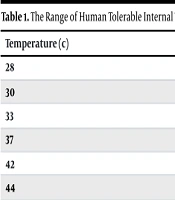
Climate change and global warming have increased the intensity of heat waves, creating significant risks to human health. This phenomenon is expected to escalate in the future, with an anticipated rise in heat-related illnesses (1, 2). Among these conditions, heatstroke stands out as one of the most severe threats to human health (3). Heatstroke occurs when the body’s homeostasis—responsible for balancing heat production and loss and regulating temperature—is disrupted. In this condition, the body’s core temperature typically rises above 40°C. This leads to symptoms such as weakness, dizziness, nausea, and headache, and can further result in central nervous system disturbances, including seizures and coma, ultimately leading to death. Thus, heatstroke is a medical emergency that requires immediate intervention (4).
Arbaeen is one of the largest annual gatherings, drawing numerous pilgrims from around the world each year (5). In recent years, due to its coincidence with the summer season, Iraq’s climatic conditions, and the long distances traveled in hot weather, heatstroke has become a common occurrence during the Arbaeen pilgrimage. Crowded conditions, inadequate walking paths, and extreme heat often lead to fatigue and, in severe cases, heatstroke. For example, a severe and fatal heatstroke incident occurred during the Hajj in 1985, claiming the lives of more than 1,000 pilgrims (6, 7). Given the critical importance of this issue, there is a pressing need for prevention, prompt diagnosis, and effective treatment of heatstroke. Hot environmental conditions and heatstroke have adverse consequences, including reduced physical capacity, diminished cognitive-motor functions, and negative impacts on mental health. Other outcomes include unexplained deaths, increased emergency room visits, and hospitalizations (4, 8). Studies indicate that adults over 65, individuals with cardiovascular and pulmonary diseases, and other chronic illnesses, as well as children, are particularly vulnerable to heat’s effects (8).
Considering the increasing prevalence of heat-related illnesses and their serious complications (ranging from physical limitations to death), evidence suggests a need to implement effective heatstroke control measures. Through proactive measures, we can help prevent the future risks associated with this growing concern (9, 10). This article addresses the critical issue of heatstroke management, with a focus on developing and implementing effective strategies for prevention, diagnosis, and treatment, particularly during the Arbaeen pilgrimage.
2. Evidence Acquisition
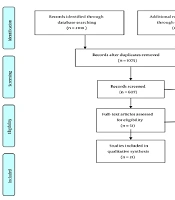
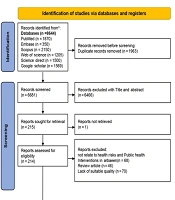
The current narrative review was conducted to identify heatstroke management strategies. Searches were performed in Persian and English databases such as Pubmed, Scopus, SID, Iran Medex, and Google Scholar, using keywords such as "heatstroke," "heatstroke management," "mass gathering," "Arbaeen walking," "prevention of heatstroke," and "treatment of heatstroke" in an advanced search. The search period covered the last five years (2019 to 2024), yielding 32 articles in the initial search. Titles and abstracts were examined, applying inclusion criteria that required articles to specifically address heatstroke prevention and treatment strategies, particularly during the Arbaeen pilgrimage, adhere to the specified publication period, include an ethics code for interventional studies, and have accessible full texts. Exclusion criteria included articles outside the specified publication years, lack of focus on the topic, non-compliance with the publication period, unavailability of full texts, non-compliance with ethical standards, lack of empirical data, and low quality. Ultimately, six articles were included in this study.
3. Results
3.1. Classification and Characteristics of Heatstroke
Heatstroke is categorized into two primary forms: Exertional heatstroke and classic heatstroke. Exertional heatstroke occurs during intense physical activity and is influenced by environmental conditions, such as heat waves, which can increase its prevalence beyond typical exercise scenarios, especially in contexts like the Arbaeen pilgrimage. This condition poses a significant risk to life and ranks as the third leading cause of death among athletes. Symptoms of exertional heatstroke often start with confusion and extreme fatigue, quickly escalating to unconsciousness, organ damage, and, in approximately 5% of cases, fatality. Epidemiological studies report a mortality rate of about 27% associated with this condition (11). Classic heatstroke, on the other hand, results from passive exposure to extreme environmental heat (12). It is typically characterized by central nervous system dysfunction, which may manifest as seizures, delirium, or coma, along with a sustained elevation in body temperature exceeding 40 degrees Celsius, though occasionally lower temperatures may be observed (13, 14).
3.2. Causes of Heatstroke
Multiple factors contribute to the onset of heatstroke, including prolonged exposure to high temperatures, age, underlying chronic health conditions, and inadequate ventilation (15). These risk factors can be classified into two categories: (1) personal risk factors, and (2) environmental risk factors. Personal risk factors include underlying health issues such as cardiovascular, renal, respiratory, and mental disorders, as well as factors like ethnicity, mobility, and physical activity levels. Environmental risk factors involve the individual’s place of residence and the adequacy of ventilation (16).
3.3. Heat Stroke Prevention Strategies
Prevention is more important than treatment in heatstroke management, especially during long religious journeys like the Arbaeen pilgrimage or Hajj. Key preventative measures include consuming adequate fluids throughout the activity (drink plenty of water before, during, and after the journey, and avoid excessive caffeine or sugary drinks) (10); wearing appropriate clothing (choose lightweight, light-colored, and loose-fitting clothes to allow your body to breathe); scheduling walking times (avoid walking during the hottest hours of the day); taking breaks (regularly rest in shaded or cooler areas to cool down); using sun protection (wear sunscreen, sunglasses, and a wide-brimmed hat to shield from direct sunlight); eating light (opt for lighter meals and snacks to avoid feeling sluggish in the heat); knowing the signs (be aware of heatstroke symptoms, such as dizziness, confusion, rapid pulse, or headaches); traveling with a companion who can help monitor your condition; and using a cooling towel (a wet towel around your neck can help lower your body temperature) (5, 17-19).
3.4. Treatment of Heatstroke
Treatment includes three levels: Pre-hospital management, therapeutic interventions, and management of complications and organ support.
3.4.1. Pre-hospital Management
Essential components of prehospital care for heatstroke include: (1) early diagnosis, (2) rapid on-site cooling, and (3) advanced clinical care. Research indicates that individuals with heatstroke should be cooled until their core body temperature reaches below 39°C within 30 minutes of onset (20).
3.4.2. Therapeutic Interventions
3.4.2.1. Cooling Techniques
Temperature monitoring is highly effective in managing patients suffering from heatstroke, and immediate whole-body cooling following a quick diagnosis is essential. The most critical factor affecting the impact of heatstroke and the extent of tissue damage is the duration of hyperthermia. One effective method is immersion in cold water, which involves using a large tub with ice and continuous water flow (21). Various studies have shown symptom improvement and reduced mortality after implementing cooling methods such as immersion in cold water, placing numerous ice-filled rubber bottles on the body, using fans and cooling systems, applying water sprays and external cooling, and washing the stomach with cold water (22).
3.4.2.2. Complications Management and Organ Support
If heatstroke persists for an extended period, it can damage the brain, digestive, kidney, liver, and skeletal systems, leading to complications (23). During heatstroke, the body attempts to increase blood flow to the skin to dissipate heat. This process raises heart rate, blood pressure, and cardiac output. As a result, blood flow decreases in non-skin areas, reducing circulating volume. Additionally, the increased workload on the heart leads to a heightened oxygen demand, resulting in hypoxia and, ultimately, myocardial cell necrosis. Elderly individuals and those with cardiovascular diseases are often unable to increase cardiac output and skin blood flow effectively, putting their hearts under strain and worsening cardiovascular complications during heatstroke. Complications affecting the cardiovascular system during heatstroke include arrhythmia, myocardial ischemia, heart failure, shock, and sudden death.
After heatstroke, hypotension and changes in cardiac protein levels are often observed, which cannot be resolved solely by whole-body cooling. Heart cell damage from heatstroke may pose long-term risks, particularly for ischemic heart disease, as it occurs during hypoxia. Overall, heart failure is the second most common complication in heatstroke patients and is associated with high mortality. For treating cardiovascular issues during heatstroke, in addition to cooling the body to 39°C, supportive treatments can be employed. Aggressive fluid resuscitation is required when hypotension occurs, and vasoactive drugs may be beneficial, while alpha-adrenergic drugs should be avoided. Anti-inflammatory and anticoagulant treatments may also be used to manage excessive inflammation that leads to coagulation disorders, which are among the critical adverse events (24, 25).
Heatstroke can also adversely affect kidney function, with kidney injury being one of the most common complications of exertional heatstroke. Factors such as hypovolemia, reduced blood supply to the kidneys due to myocardial damage, and rhabdomyolysis (a musculoskeletal complication in heatstroke) can contribute to this damage. Additionally, temperature fluctuations can directly impact the kidneys, causing protein denaturation and enzyme inactivation, which accelerates kidney injury. Other risk factors, including obesity, male gender, congestive heart failure, African-American race, and chronic kidney disease, can further increase the likelihood of this condition. Secondary complications may arise from these injuries, such as metabolic disorders, sepsis, ventricular arrhythmia, cardiac arrest, acute myocardial infarction, and end-organ failure (26).
Liver damage is another serious complication in the heatstroke process and is often a direct cause of patient mortality. For prevention and treatment, cooling is the initial step in all heatstroke cases. If administered promptly, cooling can prevent extensive and irreversible organ damage and improve prognosis. During the stabilization stage, oxygen therapy may be used to improve ischemia and hypoxia in the organs, exert anti-inflammatory and antioxidant effects, and inhibit cellular destruction. Many anti-inflammatory drugs, such as dexmedetomidine and melatonin, are effective for organ recovery. If supportive treatments and medications fail to prevent extensive liver damage, liver transplantation should be considered (27).
Another side effect of heatstroke affects the hematologic system, causing intravascular coagulation. Heatstroke triggers an active coagulation and fibrin formation process, often manifesting as disseminated intravascular coagulation (DIC) (28). Temperature fluctuations can induce cell damage and inflammation in the body. This inflammation, combined with suppressed fibrinolysis, results in heat-induced intravascular coagulation. In some cases, end-organ failure and necrosis in heatstroke patients can be attributed to these thermal changes. To treat this condition, initial cooling is essential, and if coagulation disorders develop, additional treatments such as anti-inflammatory and anticoagulant therapies may be administered. Moreover, the administration of antithrombin and hemopexin concentrate—a neutralizing physiological protein with protective effects on the vascular endothelium—can also be beneficial (29, 30).
Heatstroke can also impact the musculoskeletal system, with widespread muscle damage, or rhabdomyolysis, being the most critical complication. To prevent and mitigate this condition, rapid, aggressive whole-body cooling is necessary on-site. Additionally, acclimating to environmental heat, observing an appropriate work-to-rest ratio, and consuming sufficient fluids can help prevent this complication (31, 32).
In general, the primary strategy for managing heatstroke during the Arbaeen pilgrimage is prevention. However, if heatstroke occurs, quick intervention is crucial. To effectively manage complications, it is recommended that patients be transported to a hospital for specialized interventions (17, 18).
4. Conclusions
Given the prevalence of heatstroke during the Arbaeen mass gathering, along with its extensive adverse effects and complications across various organ systems, effective heatstroke management is critical and requires a multifaceted approach, including prevention, recognition, and rapid treatment. This condition is a medical emergency that demands public awareness and knowledge of early-stage actions. Nurses can play a key role in reducing the incidence and severity of heatstroke by implementing preventive measures, raising awareness, and ensuring timely intervention. Ongoing research and education in this area are essential to further refine management strategies and improve outcomes for individuals at risk of heatstroke.